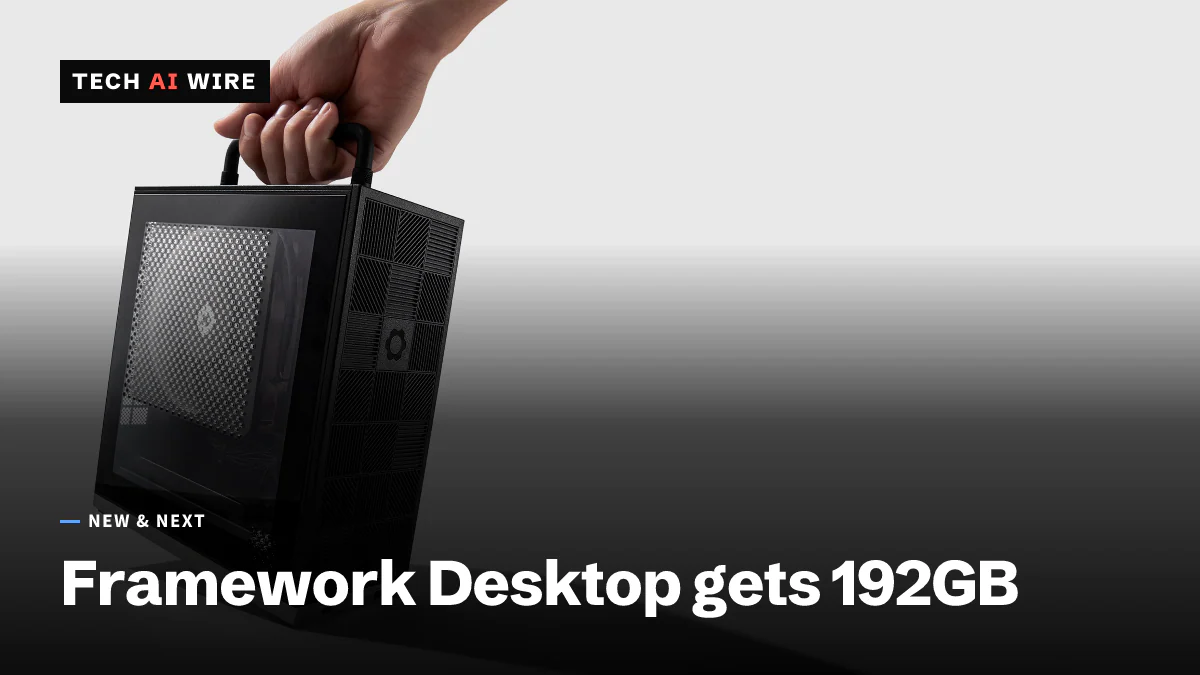
New & Next
Framework Desktop 192GB pre-orders open at $6,799
Framework opened pre-orders on September 30, 2026 for a 192GB Framework Desktop with AMD's Ryzen AI Max+ PRO 495, at $6,799 and shipping in November.
Chips, GPUs, accelerators and the machines that run local models: what shipped, what it costs, and what it means for developers deciding between cloud tokens and a box under the desk.
Framework opened pre-orders on September 30, 2026 for a 192GB Framework Desktop with AMD's Ryzen AI Max+ PRO 495, at $6,799 and shipping in November.

Meta's $1,299 VR Glasses ship in spring 2027, but the v207 SDK is out now. Quest apps need 64-bit builds and hand-tracking support to run well.
Igalia posted v7 of the set_robust_list2 futex syscalls on September 25, 2026, 10 months after v6, to help FEX-Emu run 32-bit x86 code on Arm64.
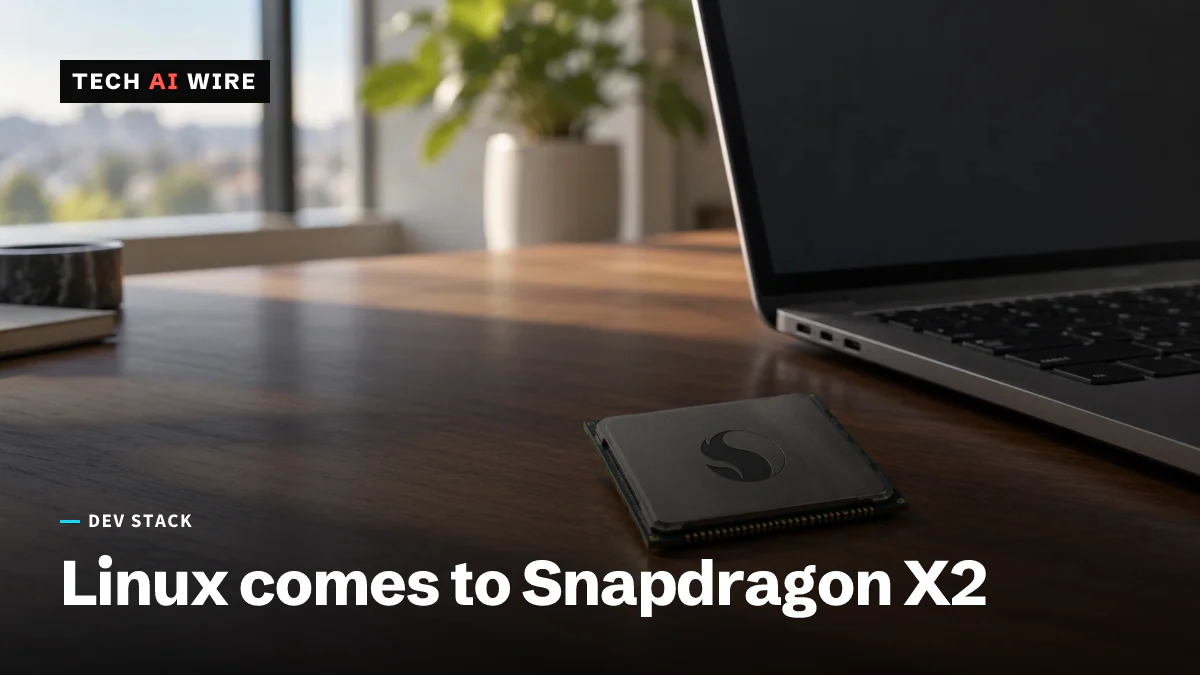
Qualcomm's Snapdragon X2 Linux preview arrived on September 23, 2026, with official kernel support due around November 2026.
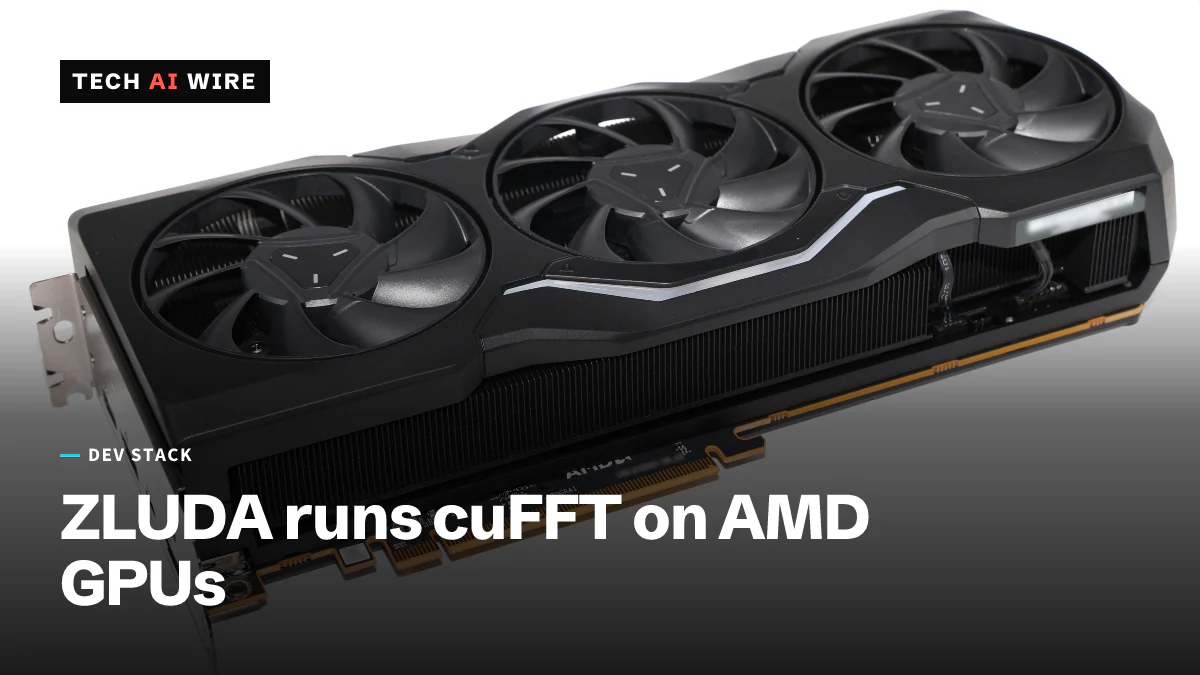
A merged pull request adds NVIDIA's cuFFT library to ZLUDA, letting AMD GPUs run CUDA-based Folding@Home units with no code changes.

Google opened preorders for Googlebook laptops from five makers, starting at $899, running an Android-based OS with a Linux environment.
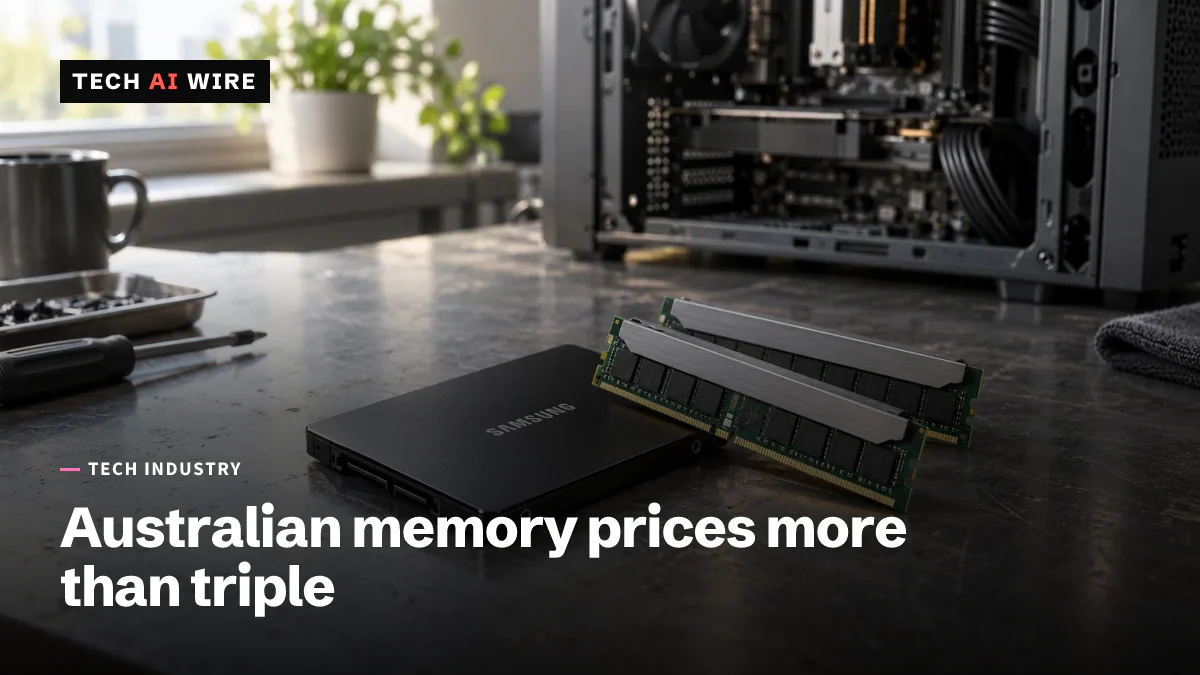
A 4TB Samsung SSD that sold near A$500 now lists at A$1,149, and Australian resellers say quotes are valid for days, not weeks.

A 25% US tariff on imported chips took effect on January 15, 2026. Here is what it covers, what it exempts, and what it costs.
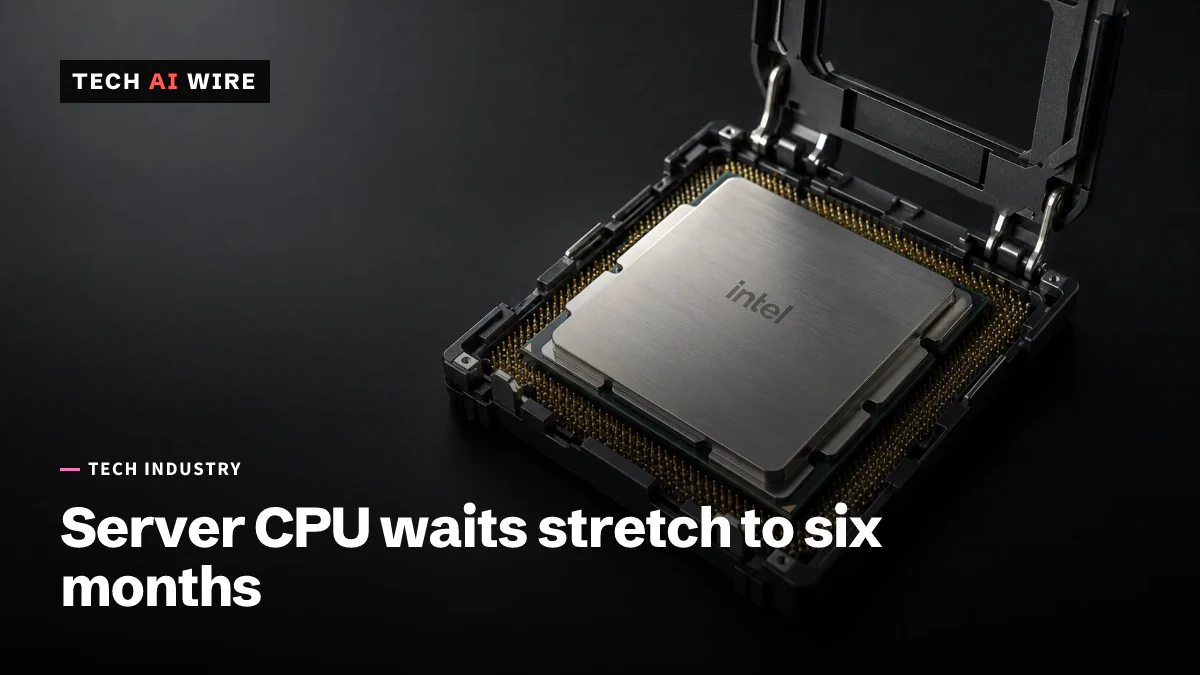
Server CPU lead times have gone from two weeks to about six months, and AI systems now need more CPUs per rack, not fewer.
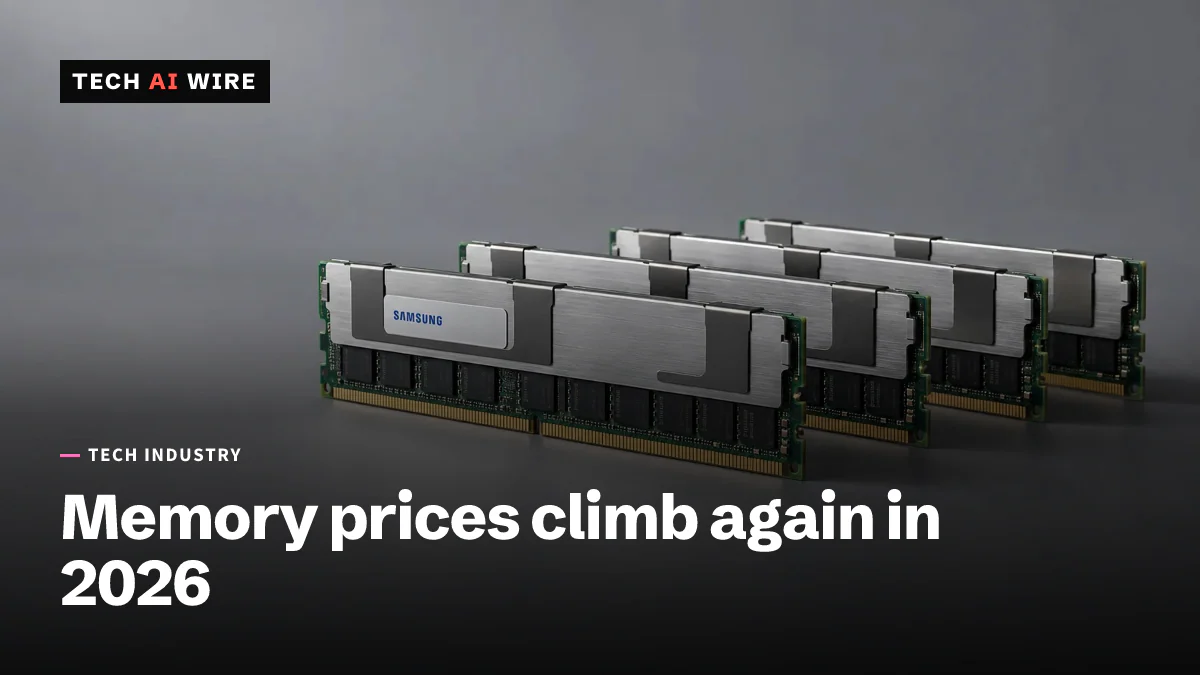
DRAM contract prices rise 13-18% in Q3 2026 after an 80-90% jump in Q1, as memory makers move capacity to AI servers.
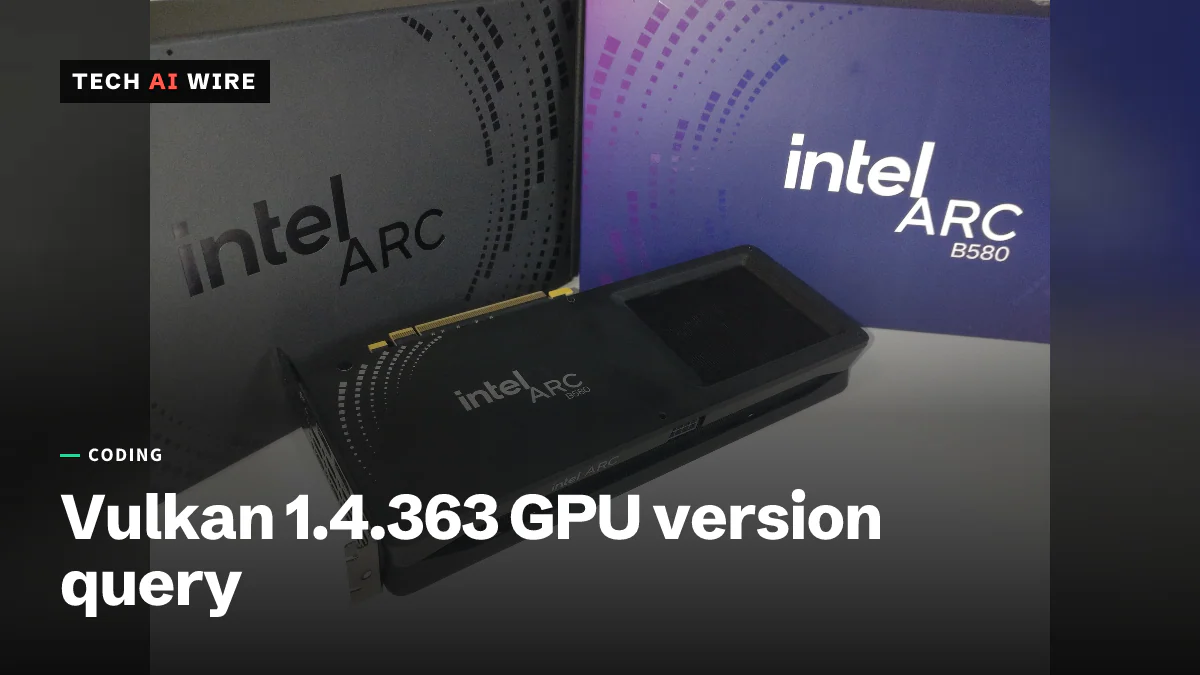
Vulkan 1.4.363 ships VK_INTEL_device_info, an Intel extension that reports a GPU's graphics IP version as three plain numbers.
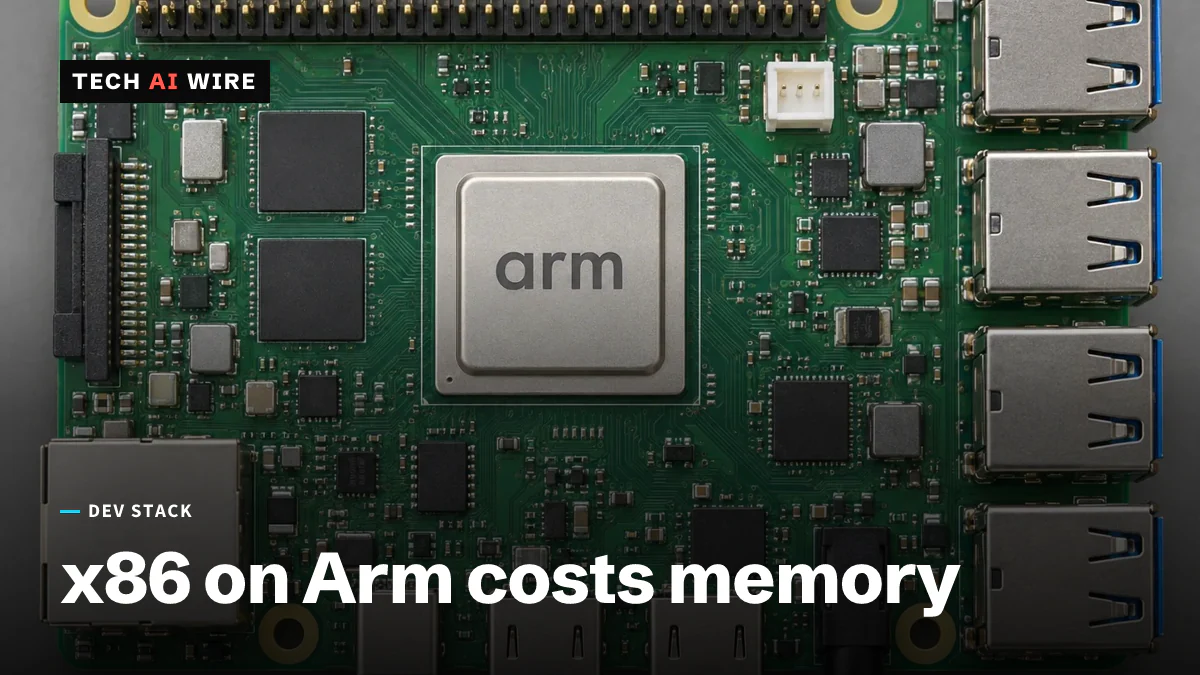
Emulating x86 memory rules on Arm drops unaligned throughput to 8.5% of baseline. Write-combine stores are reported 816 times worse.
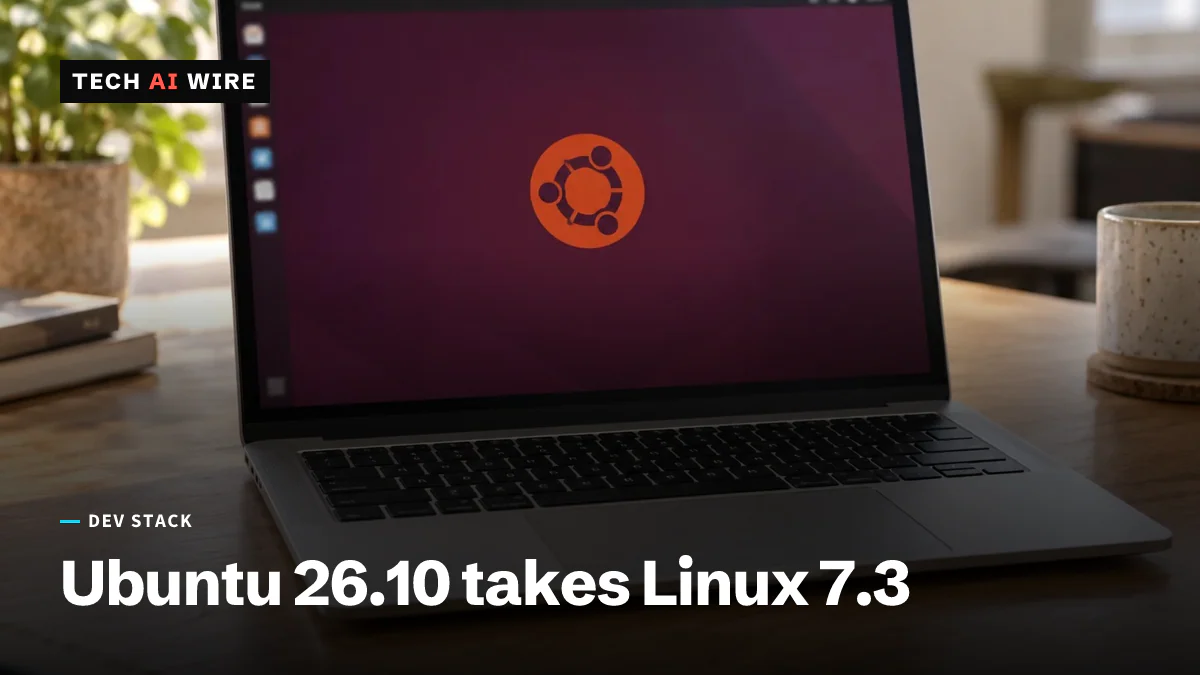
Ubuntu 26.10 releases on October 15, three days before Linux 7.3 is due to be declared stable. The ISO ships a release candidate.

Fujitsu's 144-core MONAKA goes on sale in November, with 2nm cores stacked over 5nm cache and GCC 15 support already upstream.
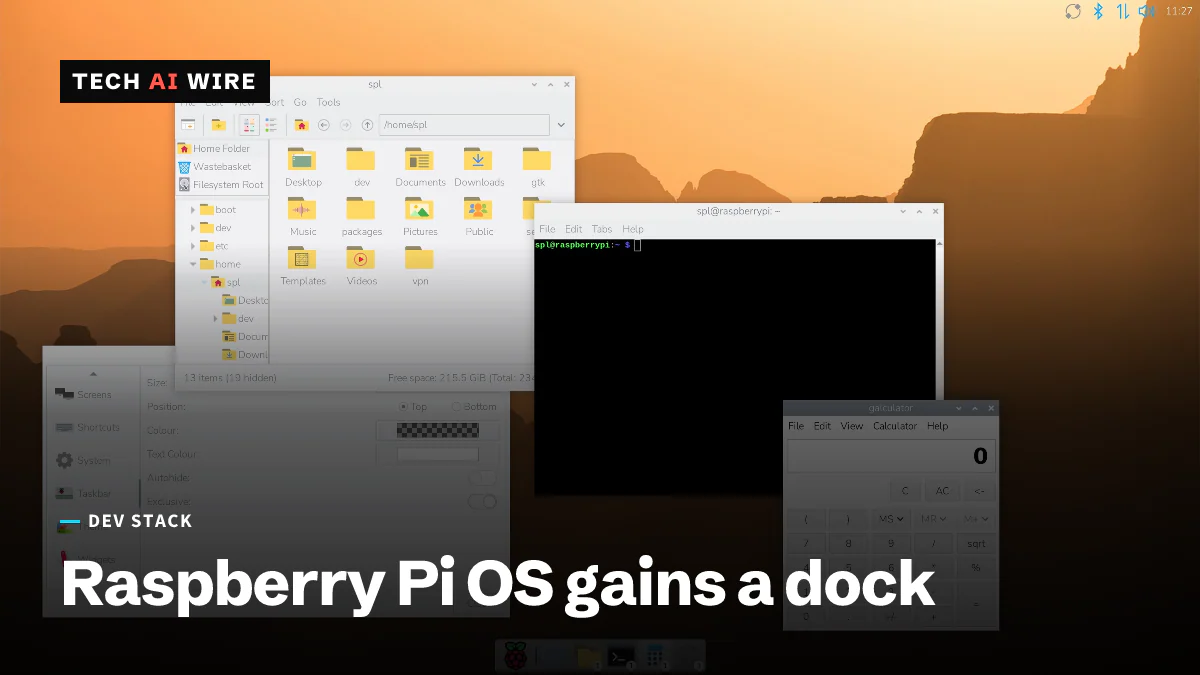
A swaybg option trims memory on boards under 2GB, and the labwc desktop gains an optional icon dock, a search-driven launcher and a Control Centre.
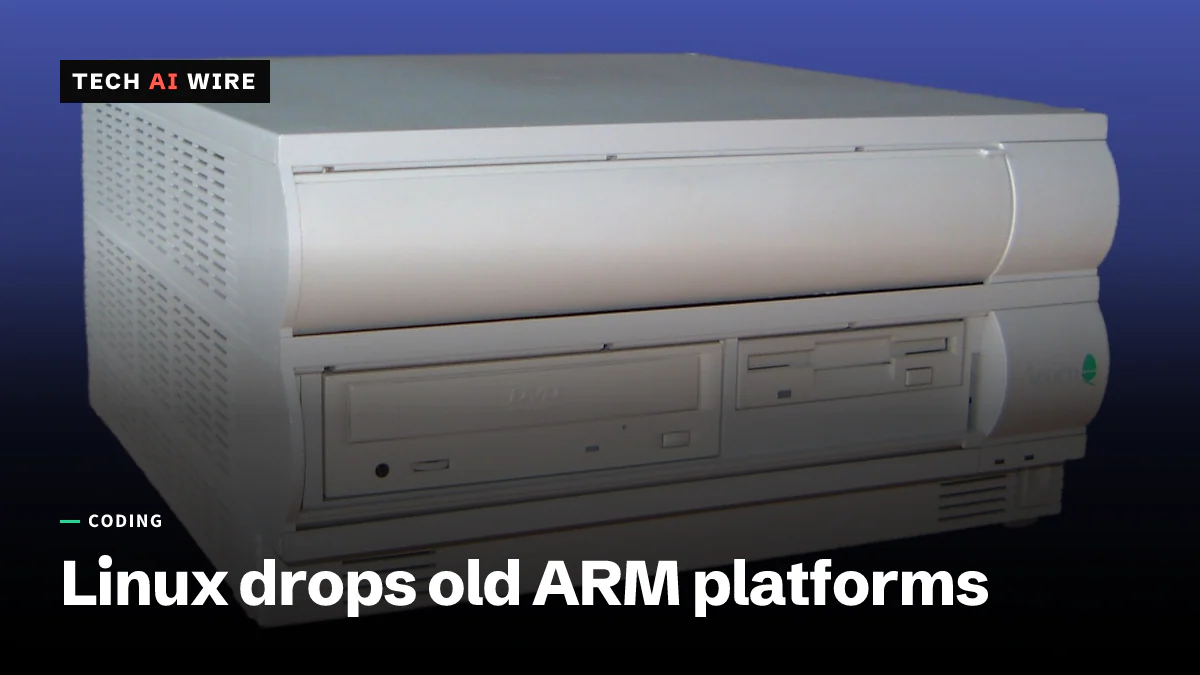
A kernel branch would delete about 247,000 lines by dropping deprecated 32-bit ARM platforms and the drivers only they used.
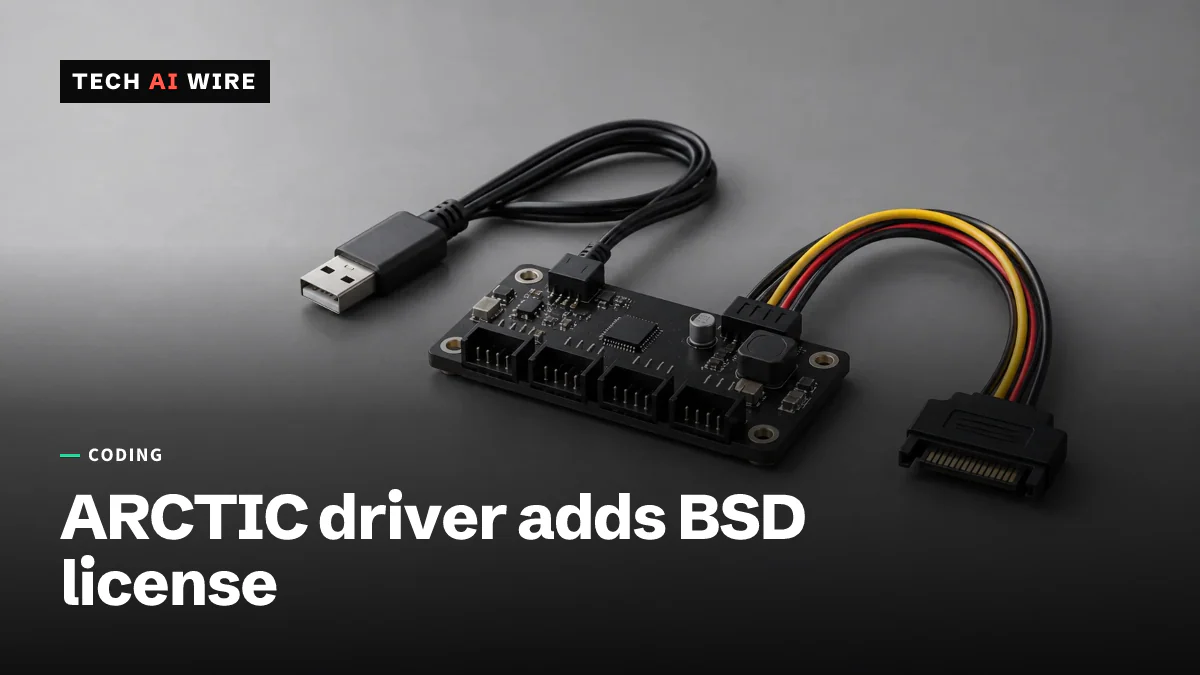
ARCTIC's arctic_fan_controller driver moves from GPLv2+ to GPLv2+ and BSD-2-Clause in Linux 7.4, so other systems can reuse the $8.99 device's code.
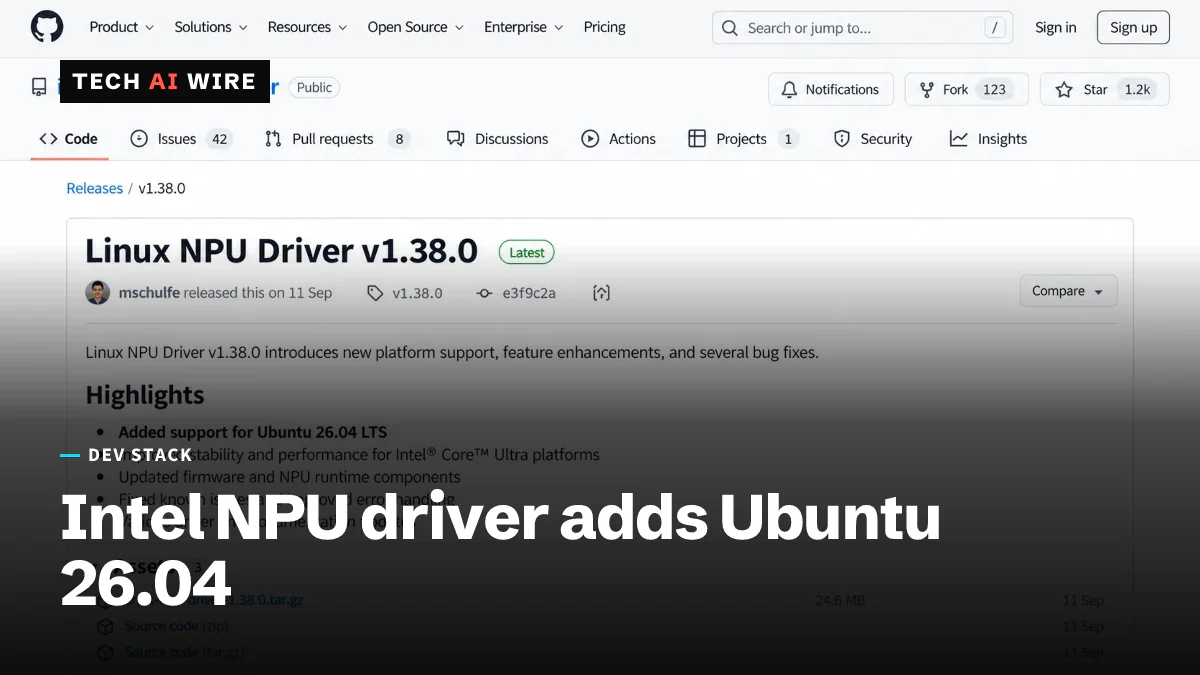
Intel's NPU driver 1.38 officially supports Ubuntu 26.04 LTS about five months late, with 322 tests passing across five processor generations.

Apple announced the iPhone 18 Pro at $1,199 and its first foldable, the iPhone Duo, arriving in October. Variable aperture landed on both Pro sizes, not just the Max.
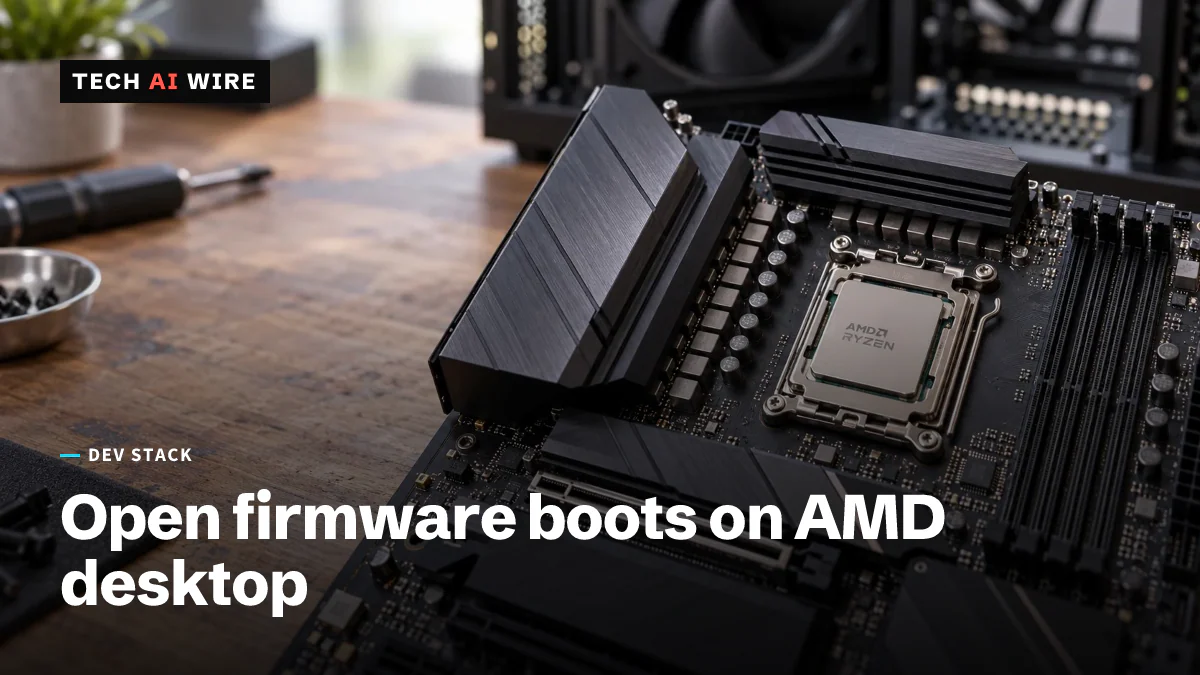
Coreboot and AMD's openSIL now run on the MSI B850P, a real desktop AM5 board. It cuts closed-source firmware code by 79.1%, but it ships as a paid product, not a free download.

A Red Hat engineer got the open-source Nouveau driver and NVK running on Nvidia's DGX Spark GB10. It took about 100 patches, and upstreaming isn't settled yet.
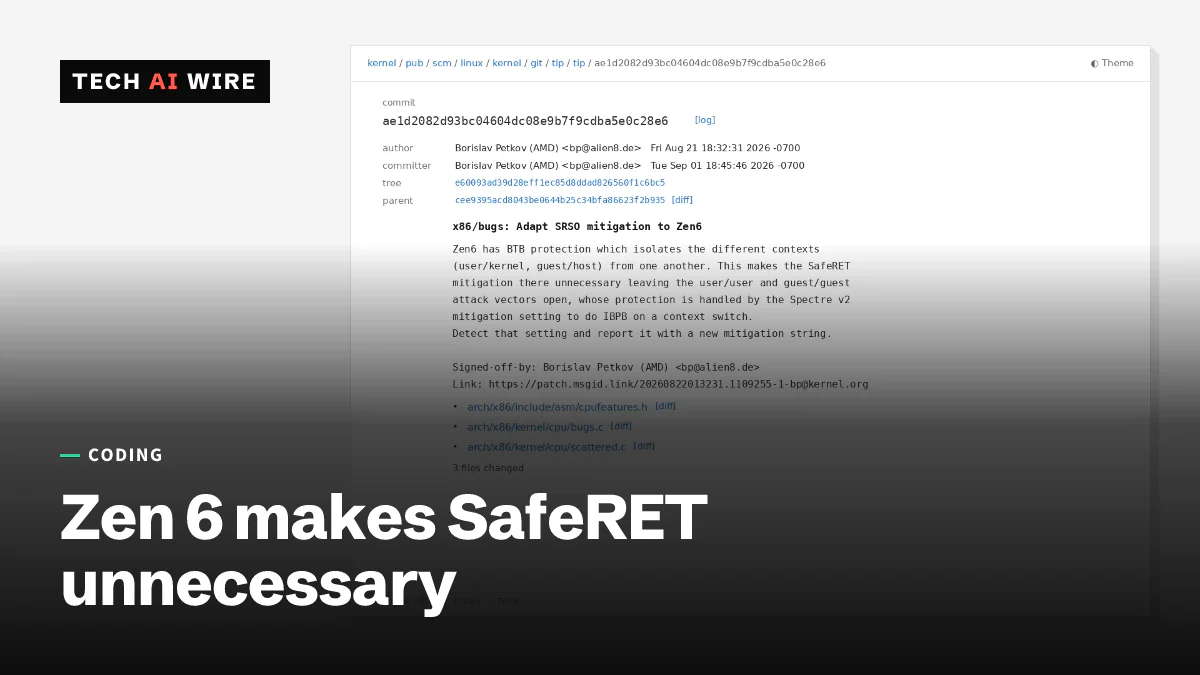
A kernel patch drops the SafeRET software fix on AMD Zen 6, because the chip isolates branch predictions in hardware. User-to-user attacks still need IBPB.
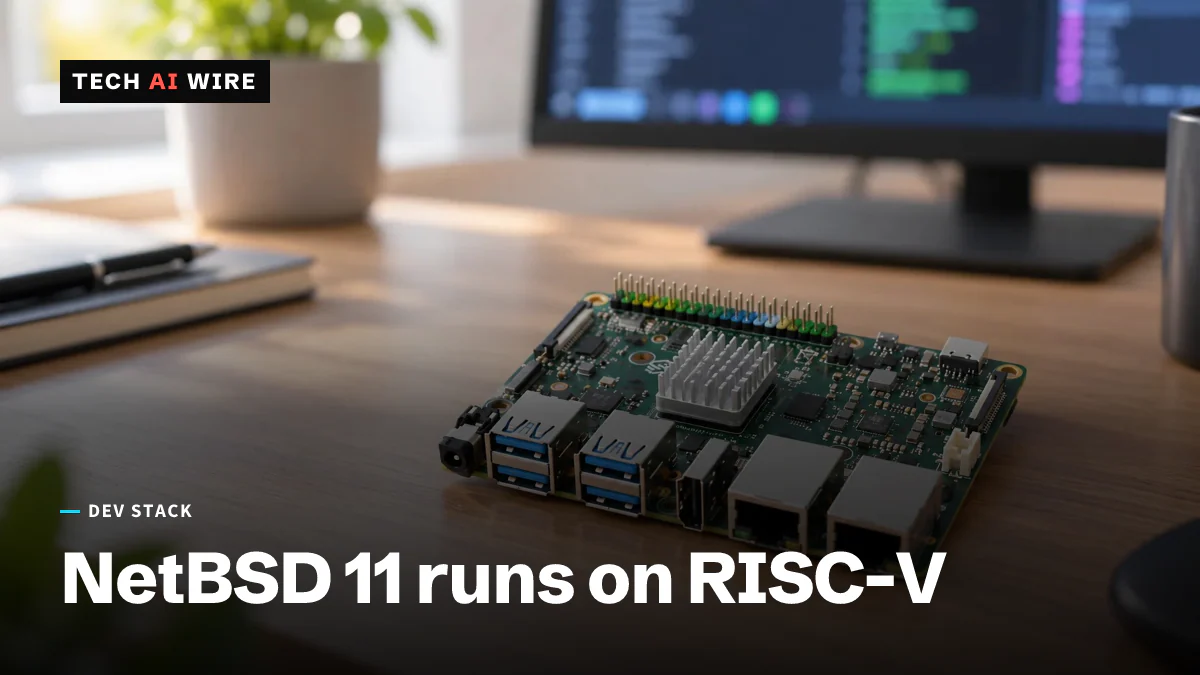
NetBSD 11.0 boots a virtual machine in about 10 ms with its new MICROVM kernel. It is also the first stable release to run on 64-bit RISC-V boards.
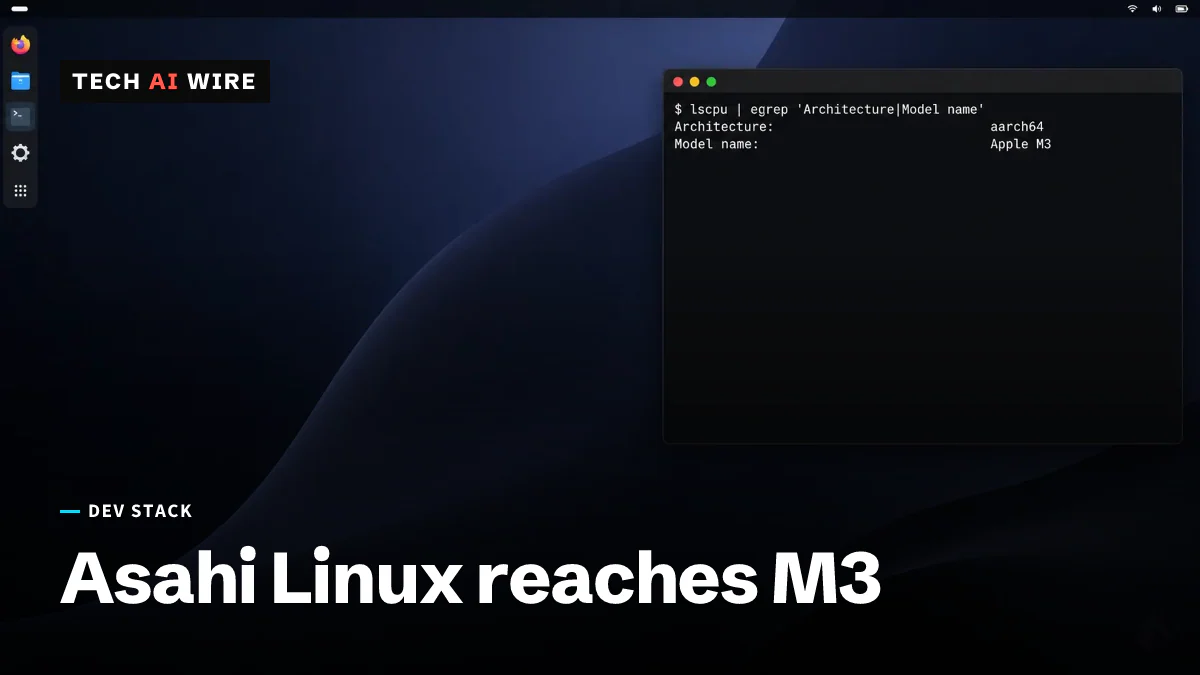
Asahi Linux has merged M3, M3 Pro and M3 Max support into its installer. Wi-Fi, USB 3 and AV1 decoding work. Sleep, HDMI and fast 3D do not.
Three to five stories a day, and what each one means for the people who build software. Free, no spam.