FuriosaAI raises $620M at $2.9B for its RNGD AI chip
Korean AI chip startup FuriosaAI raised $620 million at a $2.9 billion valuation, with $280 million from Korea's state-backed National Growth Fund.
3 min read
Drafted with AI from the sources linked in this article, then fact-checked and edited by Claire Whitmore before publishing. How we work
By the numbers
- Series D, about 820 billion won
- $620M
- from Korea's National Growth Fund, the largest investor
- $280M
- RNGD cards planned for 2026
- 20,000
- power draw of one RNGD card
- 180W
- Previous round, 2025
- 0.735B
- Series D, October 2026
- 2.9B
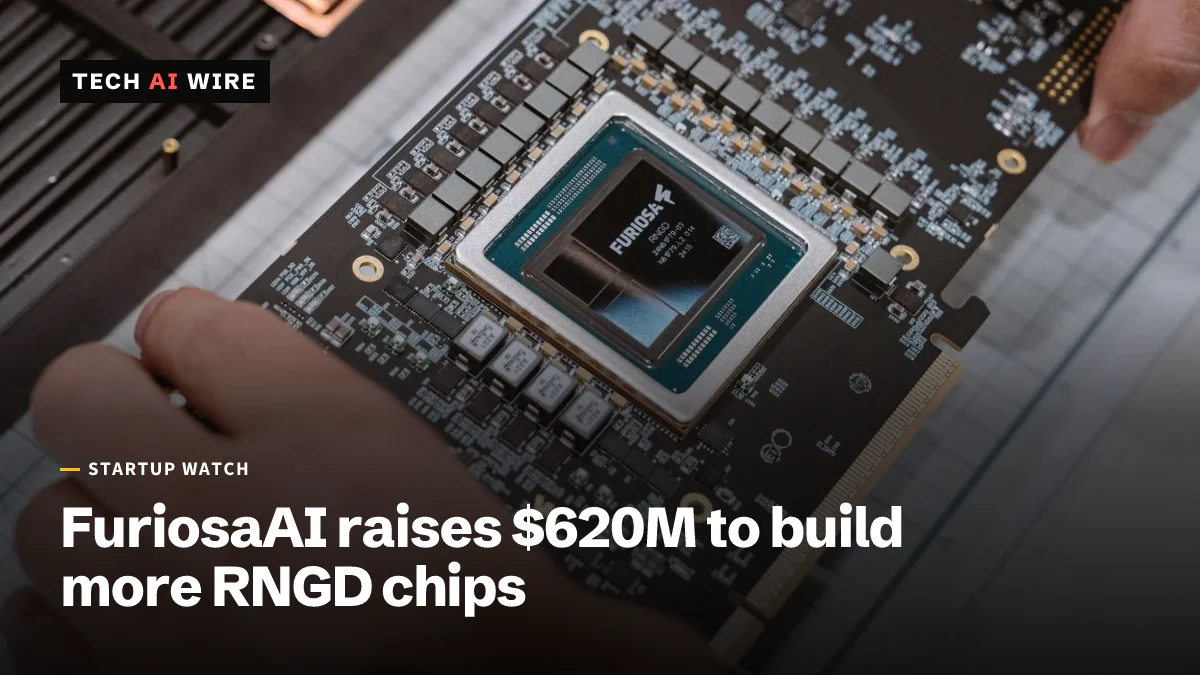
FuriosaAI, a South Korean company that designs chips for running AI models, has raised $620 million in a Series D round at a $2.9 billion valuation. The company announced the round on October 29. The valuation is up from $735 million after its previous round last year, according to The Next Web.
The money will pay for more of its RNGD chips and a third-generation chip it is building with Broadcom. TNW describes the chips as rivals to Nvidia's in inference, the work of running a trained model to answer requests.
Who put in the money
Korea's state-backed National Growth Fund was the largest investor, with 370 billion won, or about $280 million. In won, the whole round came to 820 billion, according to The Elec. The company first aimed for 450 billion to 750 billion won and raised more because demand was strong, The Elec says.
International investors added about $110 million, led by the US firm Infinitum, TNW reports. The Export-Import Bank of Korea made its first direct investment in a startup. Existing backers including NAVER Ventures, DSC Investment, KDB Capital and Kakao Investment came back.
The reports differ on two figures. TNW puts follow-on money from existing shareholders at $125 million, while The Elec says 170 billion won. TNW lists UAMCO at $30 million and The Elec at 40 billion won.
| Detail | Figure |
|---|---|
| Round size | $620 million (820 billion won) |
| Post-money valuation | $2.9 billion (about 3.8 trillion won) |
| Largest investor | National Growth Fund, 370 billion won |
| International investors | About $110 million, led by Infinitum |
| Previous valuation | $735 million |
What RNGD is and what Furiosa claims
RNGD is FuriosaAI's AI accelerator card. It entered mass production in January 2026. TSMC is making 20,000 of them this year, and FuriosaAI says it has secured capacity for more than 40,000 in 2027, TNW reports.
Each card draws 180 watts and is air cooled. FuriosaAI claims RNGD matches Nvidia's RTX PRO 6000 card for card on throughput, and serves twice as many users per kilowatt. TNW says it has not independently tested those claims. The company also says a 4U server with eight cards uses 3 kilowatts and delivers 4 petaflops at FP8 precision, with 384GB of HBM3 memory.
Software matters as much as silicon here. FuriosaAI says its SDK 2026.4 release raised token output per watt by 138% on the open gpt-oss-120B model, compared with the previous version.
Who uses it
Samsung SDS runs an NPU-as-a-Service cloud offering on RNGD, and LG Group companies use it on premises, the company says. TNW adds that LG uses it for its EXAONE models, Upstage uses it for search summaries, and Equinix began hosting RNGD in Lisbon in July.
"We see strong demand and opportunities as we are scaling our business globally," CEO June Paik told Bloomberg Television, as quoted by TNW. John Yetimoglu, chief investment officer at Infinitum, said in the announcement that "FuriosaAI has gone further, securing production deployments with leading enterprises such as Samsung SDS and LG Group."
The Broadcom chip
Part of the money goes to a third-generation chip developed with Broadcom and other partners. FuriosaAI describes it as a 2nm, multi-die design using HBM4 or HBM4E memory. No launch date was given.
Inference money is moving fast this week. On October 28, General Compute raised $100 million for an inference cloud.
What this means for developers
- Check model support before you price it. FuriosaAI's SDK 2026.4 lists 18 supported models. If your model is not on it, the power savings do not matter.
- Power is the real pitch. At 180 watts a card, RNGD is aimed at data centers that run out of power before they run out of rack space. If that is your limit, ask for a test with your own traffic.
- Treat the Nvidia comparison as a claim. Parity with the RTX PRO 6000 comes from FuriosaAI, and no outlet has tested it. Run your own benchmarks.
- Asia-Pacific teams can already try it. Samsung SDS sells RNGD as a cloud service, which is a cheaper way to test than buying cards.
- Watch supply in 2027. Doubling output to more than 40,000 cards would make RNGD a real second source for inference in Korea and nearby markets.
Sources
Related articles
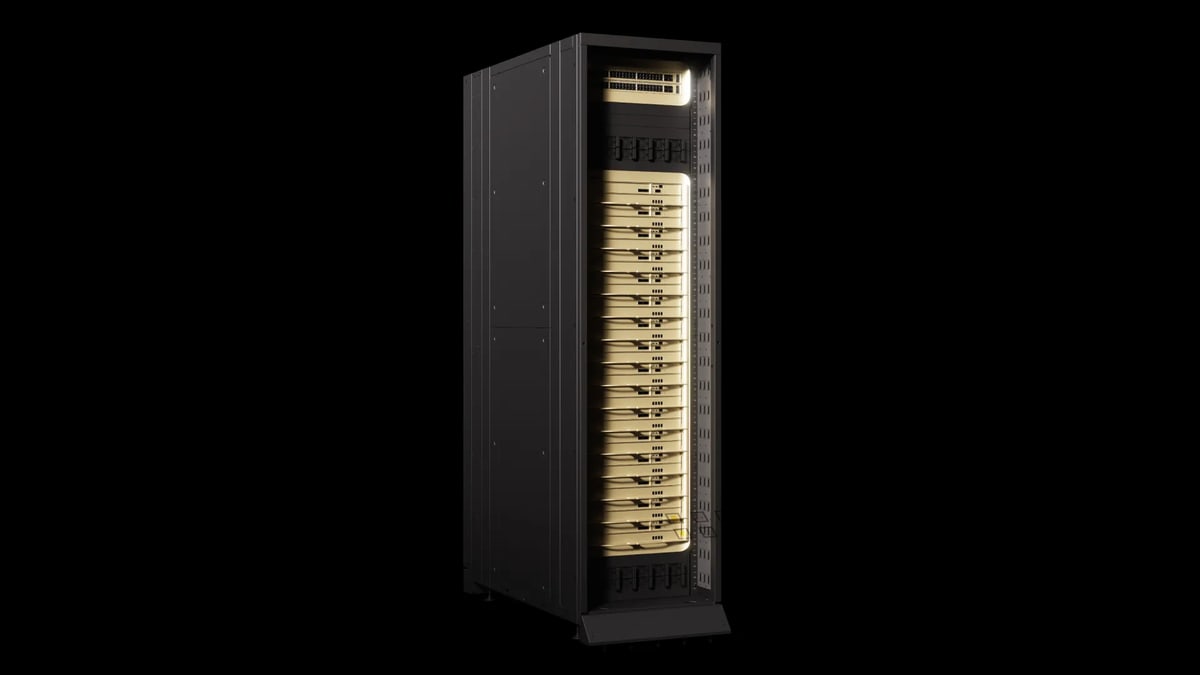
Nvidia's Groq 3 LPX inference chip enters full production
Nvidia put its dedicated inference accelerator into full production, splitting agent workloads so GPUs handle context and the new chips handle token generation.
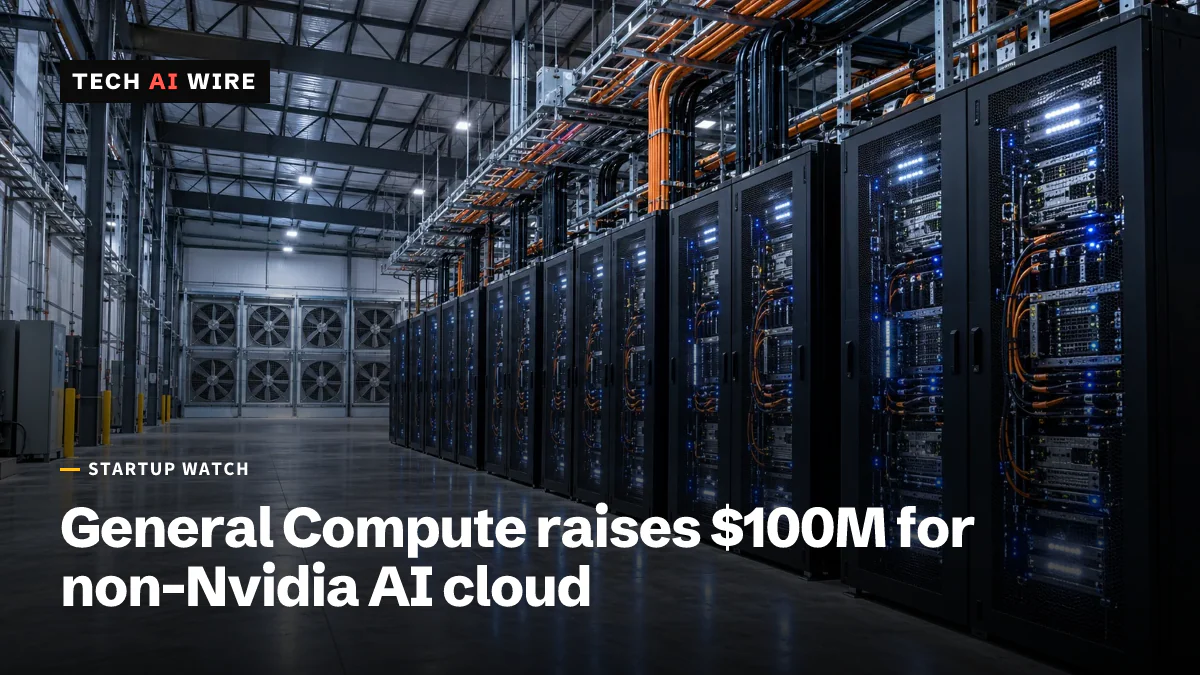
General Compute raises $100M Series A at $800M valuation
General Compute raised a $100 million Series A at an $800 million post-money valuation to run AI inference on chips from Nvidia's rivals.
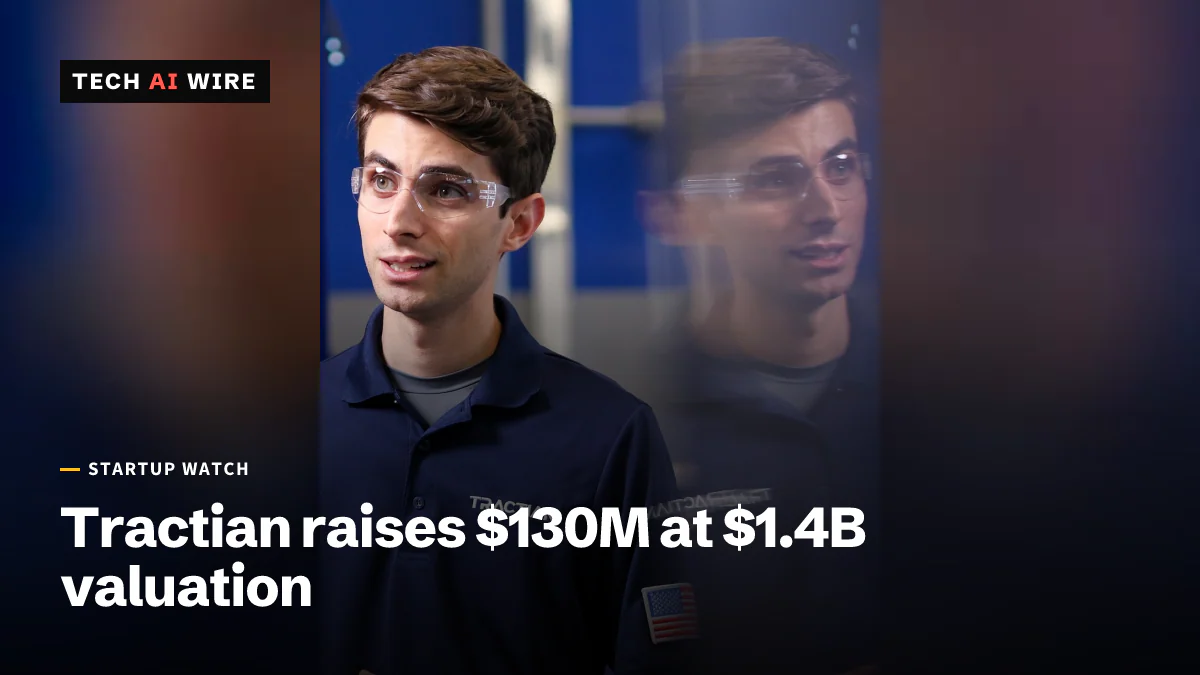
Tractian raises $130M at $1.4B for machine-failure AI
Tractian raised a $130M Series D at a $1.4B valuation, led by Sapphire Ventures, for sensors and AI that predict factory machine failures.
The weekly digest
One email every Friday with the week's top stories from all six desks: AI, dev tools, coding, the tech industry, startups and what's next. Free, no spam.