Coding
Linux 7.4 merges Intel TDX Dynamic PAMT to save server RAM
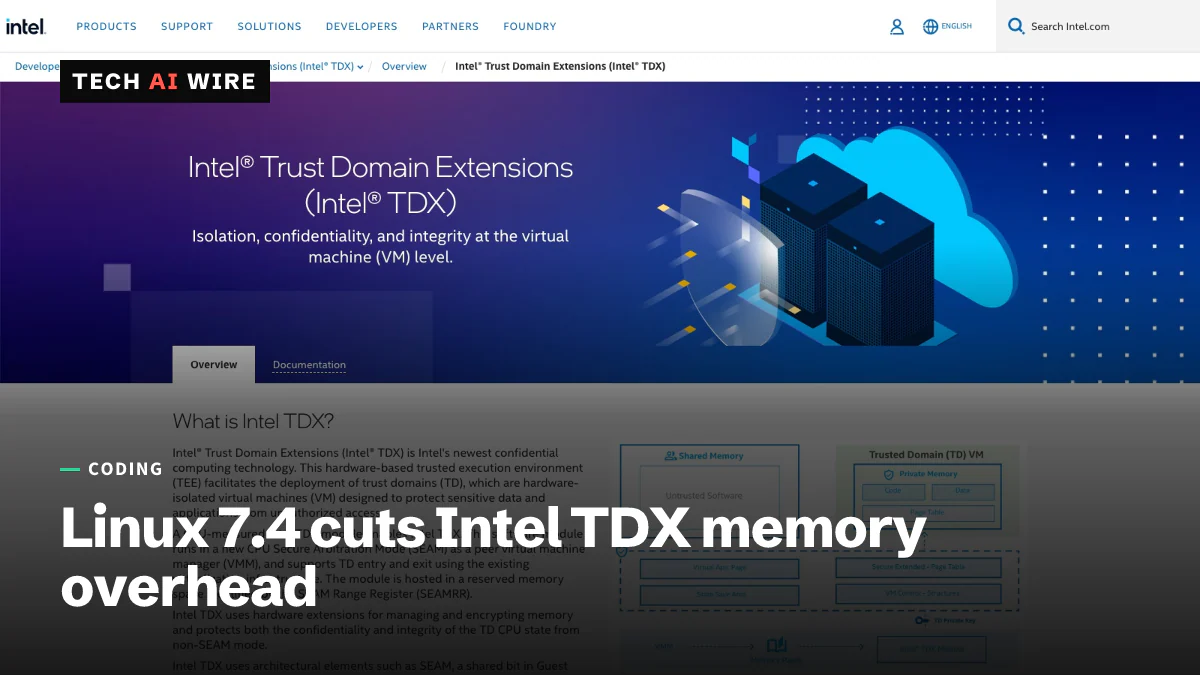
Linux 7.4 merges Dynamic PAMT for Intel TDX. Hosts no longer reserve about 0.4% of RAM up front for confidential VMs, and savings could reach 100x.
Linux coverage from kernel patches and CPU mitigations to GNOME, KDE Plasma and COSMIC desktop releases, open-source firmware and GPU drivers, distribution migrations, NixOS tooling and linker changes. Each story names the version, what works, what still does not, and what to check before upgrading.
Linux 7.4 merges Dynamic PAMT for Intel TDX. Hosts no longer reserve about 0.4% of RAM up front for confidential VMs, and savings could reach 100x.
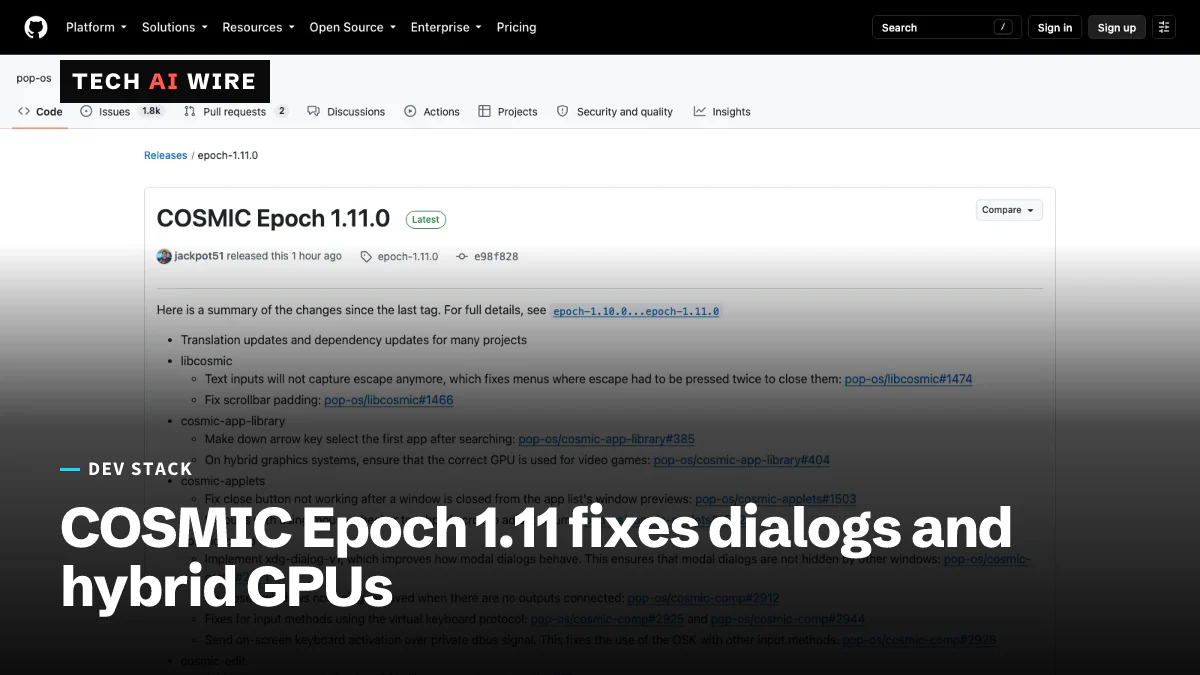
COSMIC Epoch 1.11 keeps modal dialogs on top with Wayland's xdg-dialog-v1 and sends games to the right GPU on hybrid laptops, 12 days after 1.10.
Maintainers estimate one in four incoming pull requests is low-quality AI output, 31% at large projects, while AI cuts coding time by an estimated 52%.
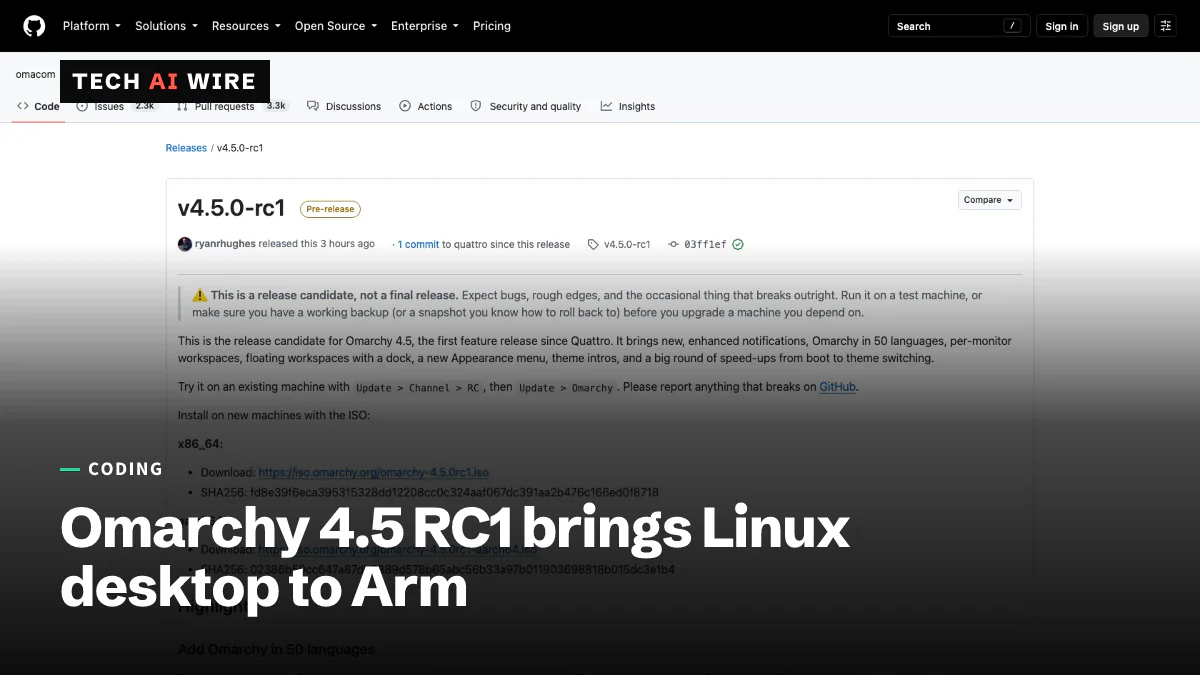
DHH's Omarchy desktop now has an Arm build for Nvidia N1X and Snapdragon X laptops, plus 50 languages and a one-second boot menu, in a release candidate.
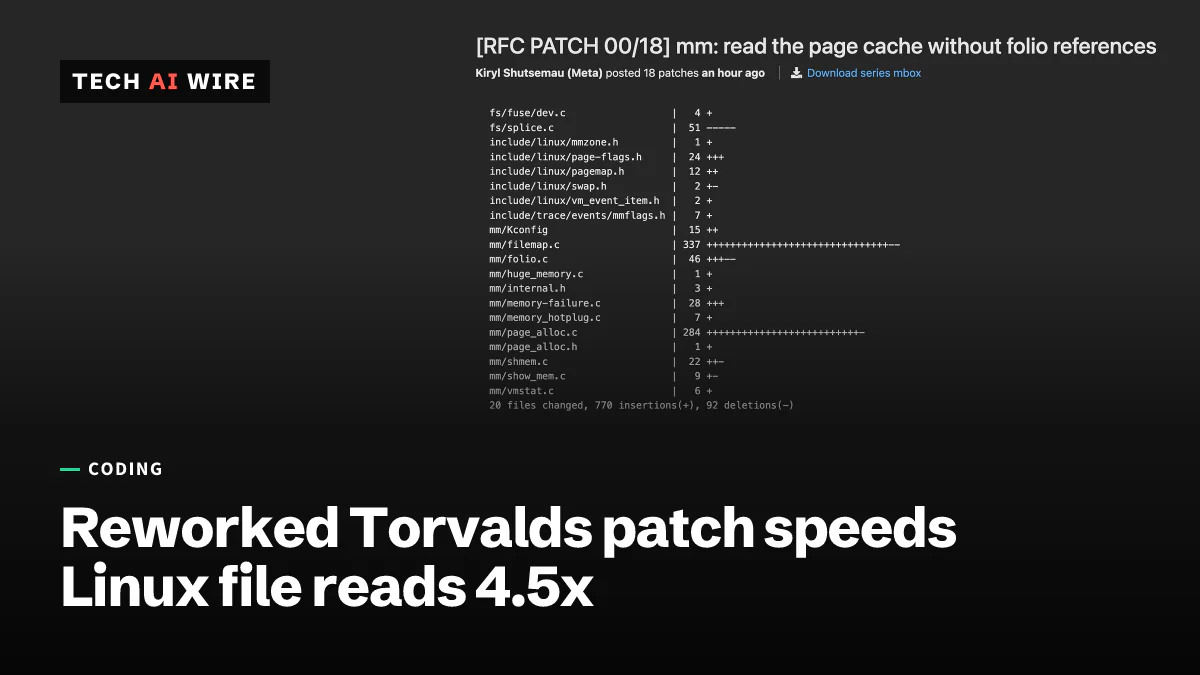
Meta's Kiryl Shutsemau turned Torvalds' page cache patch into an 18-patch RFC. 64 threads on ext4 rose from about 15M to 70M small reads a second.
BeamFS, an 18-patch Linux RFC, stores every block as Reed-Solomon codewords so it can repair flipped bits on a single disk, at a cost of 7% of the space.
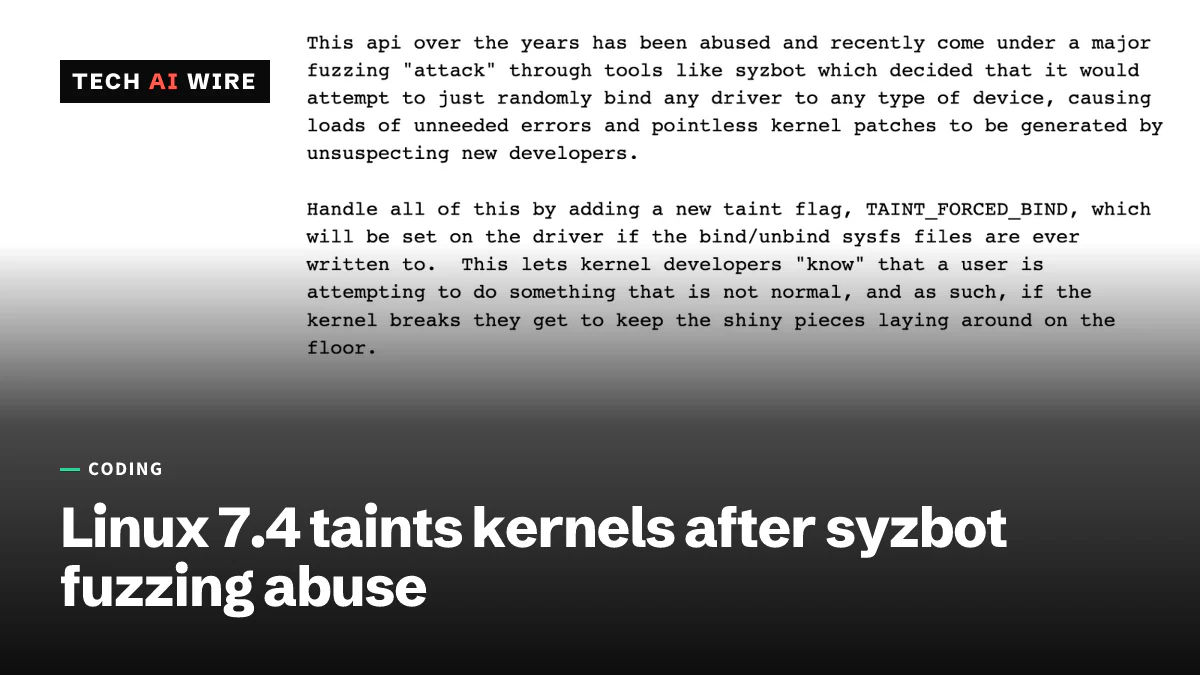
Linux 7.4 will taint the kernel with flag Y whenever driver bind or unbind sysfs files are used, after syzbot fuzzing produced piles of pointless bug reports.
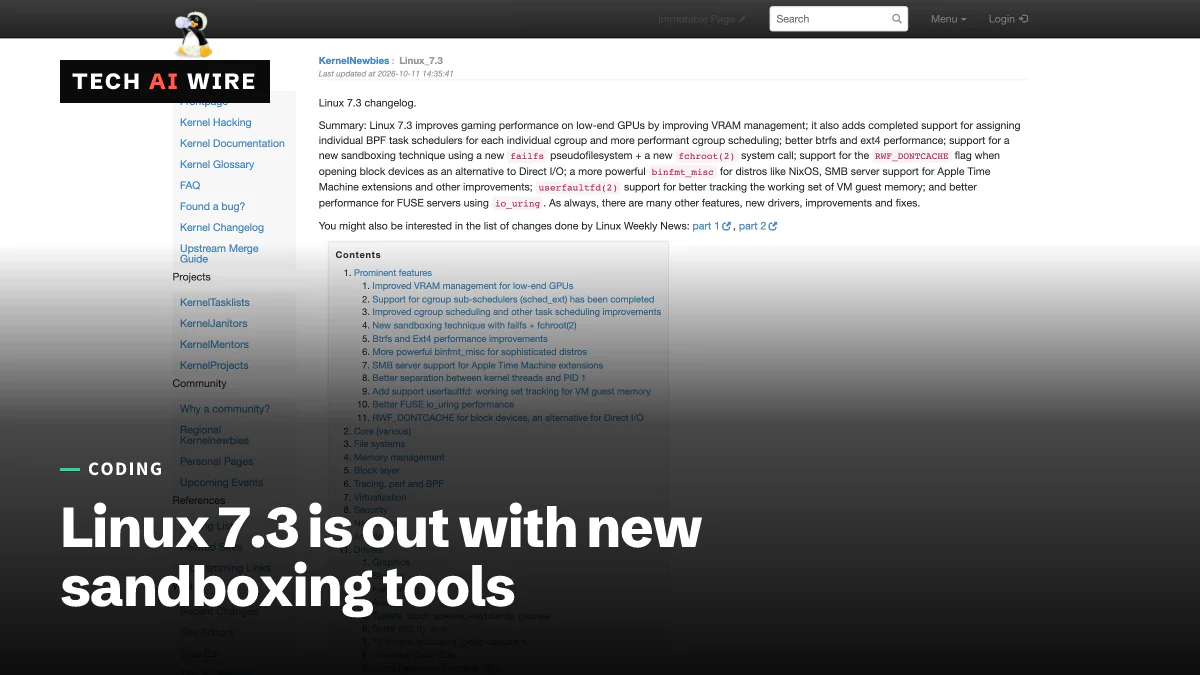
Linus Torvalds released Linux 7.3 on October 18, 2026: 18,765 commits from 3,021 developers, new sandboxing tools and Btrfs fsync up to 5x faster.
Six Linux kernel bugs called Infinity Core, including CVE-2026-98260, come with public exploits. Five of them give a normal user a root shell.
MeshXFS 0.90.130 turns XFS into a clustered file system, released for up to 16 nodes. AI agents wrote its clustering code, with no line-by-line human review.
GNOME OS Preview, announced October 16, 2026, builds GNOME's own operating system from stable GNOME 51.1 instead of nightly code, for early adopters.
Only about 10% of Linux 7.3 commits carried the AI Assisted-by tag, so kernel maintainers agreed to drop it. Torvalds backs the change; critics want a replacement.
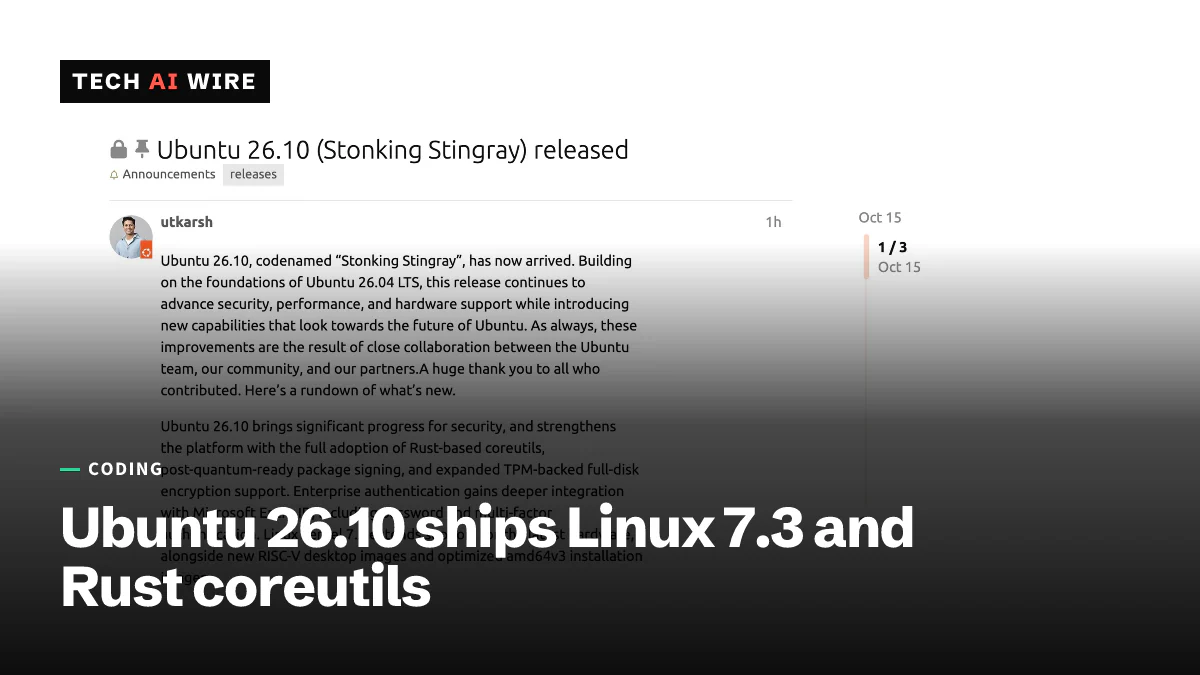
Ubuntu 26.10 shipped on October 15, 2026, with Linux 7.3, GNOME 51 and fully Rust-based coreutils. It is supported for nine months, until July 2027.
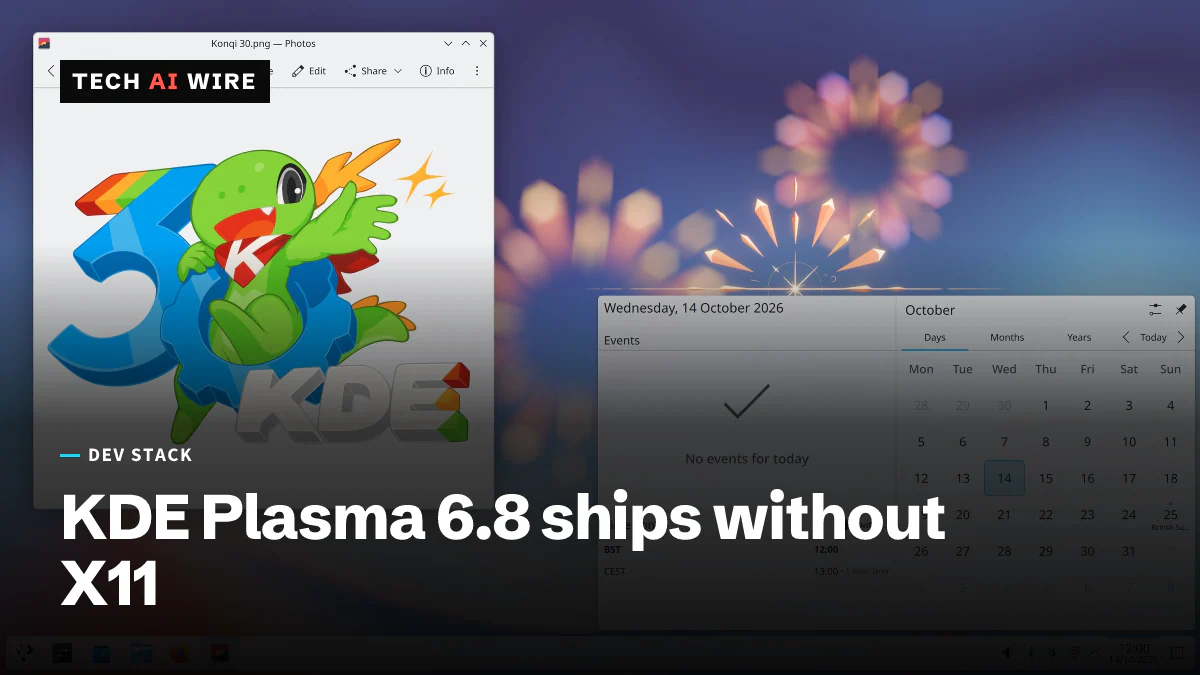
KDE released Plasma 6.8 on October 14, 2026, its 30th anniversary. It retires the X11 session, ships the Kup backup tool and adds a dwell clicker.
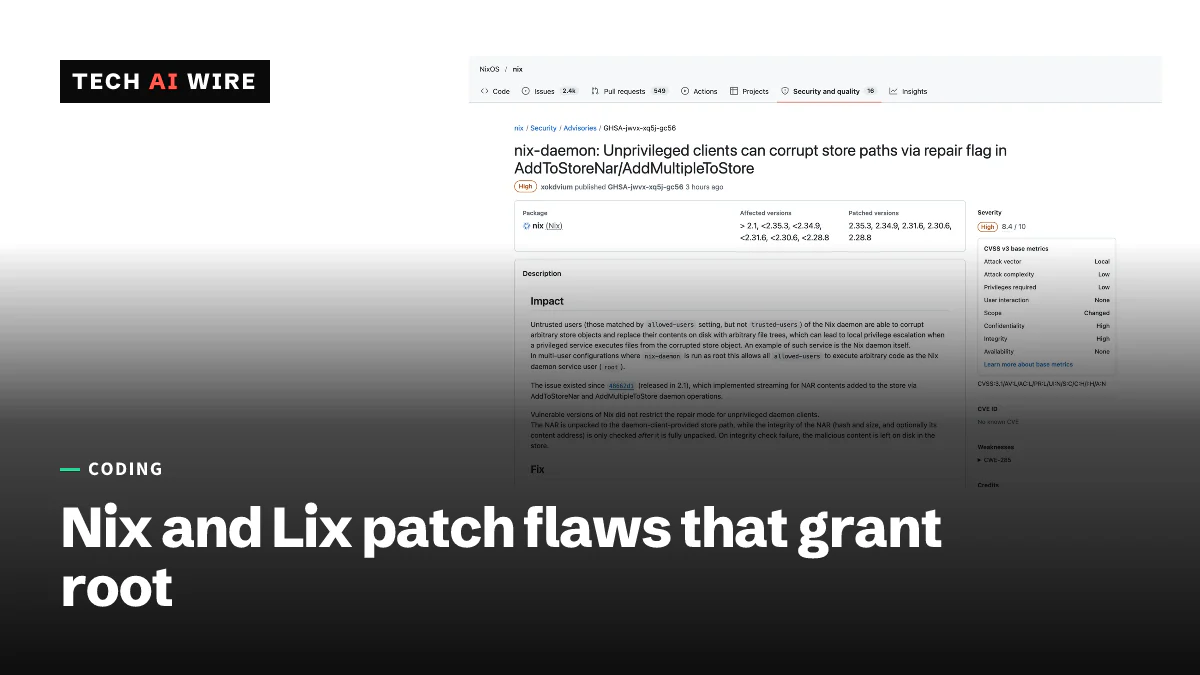
Nix and Lix disclosed flaws on October 13 that can be chained into root access. Fixes are in Nix 2.35.3 and Lix 2.95.4, among other patch releases.
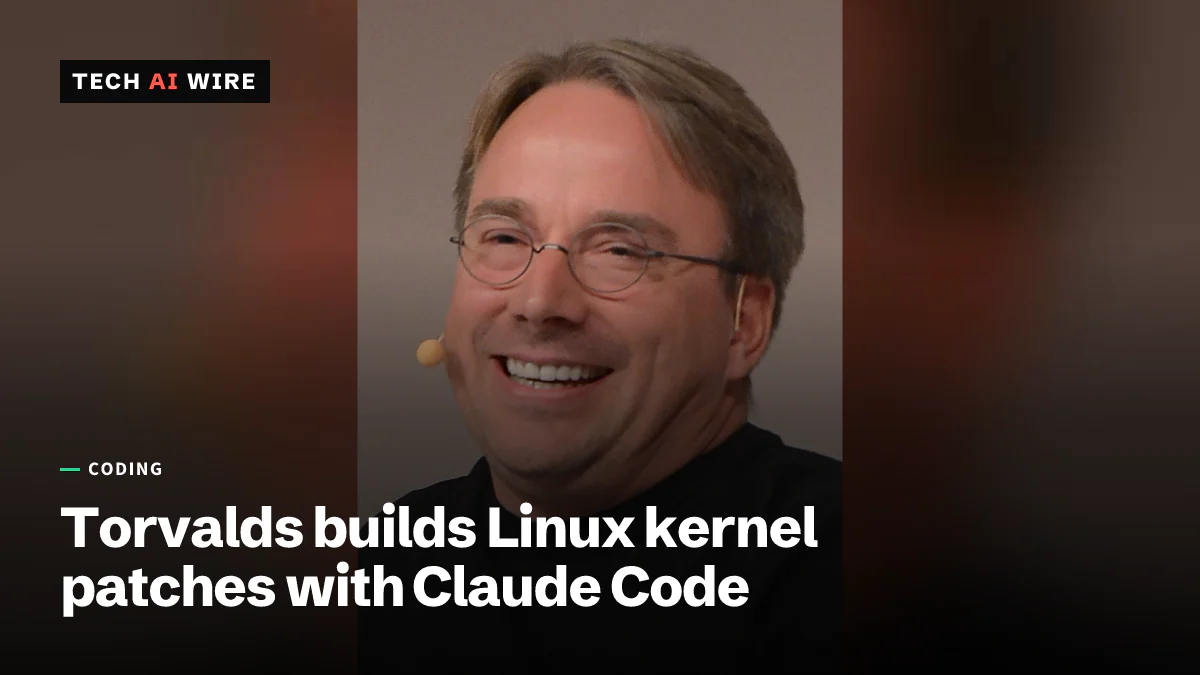
Linus Torvalds posted eight Linux kernel patches made with Claude Code. On his laptop, 8-thread small reads used about 4x fewer CPU cycles each.
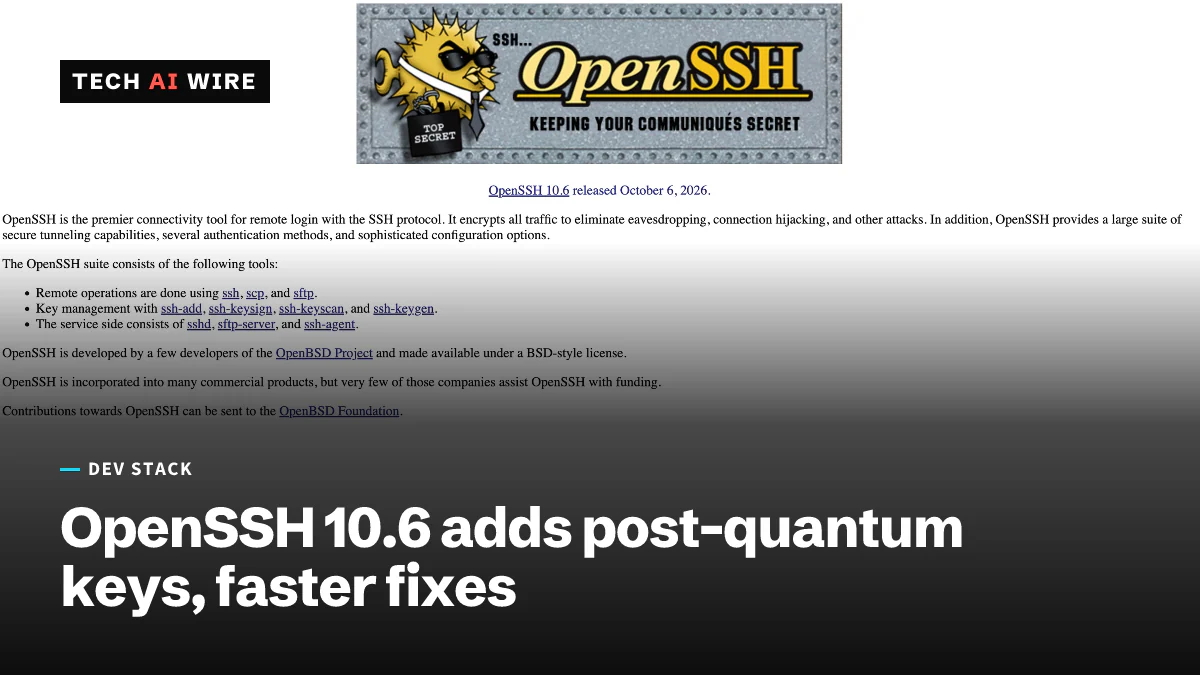
OpenSSH 10.6, out October 6, adds a post-quantum signature type, turns off LZ77 compression and promises faster fixes as AI bug reports pour in.
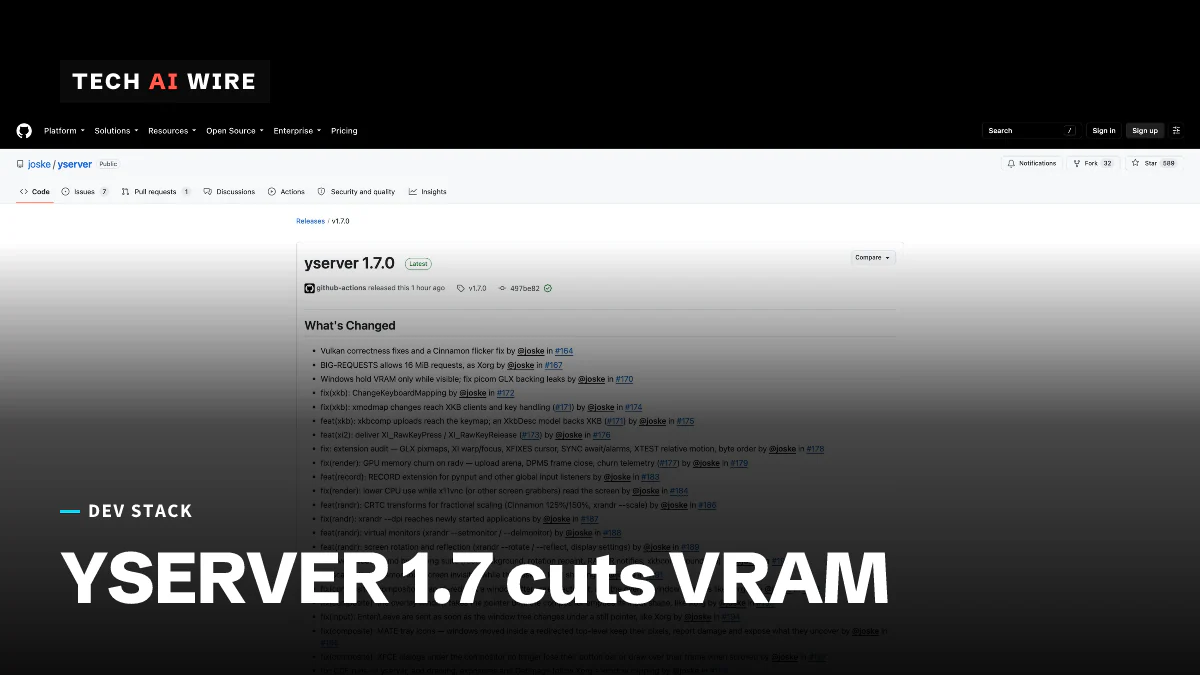
YSERVER 1.7 cuts 4K VRAM use from 2-4GB to about 1.2GB, near X.Org's 0.9GB, and adds Vulkan 1.2 support for older Intel graphics.
TrueNAS 27 RC.1 arrived October 5 with OpenZFS 2.4, up to 25% faster dedup writes and full LXC containers. The stable release is due in early December.
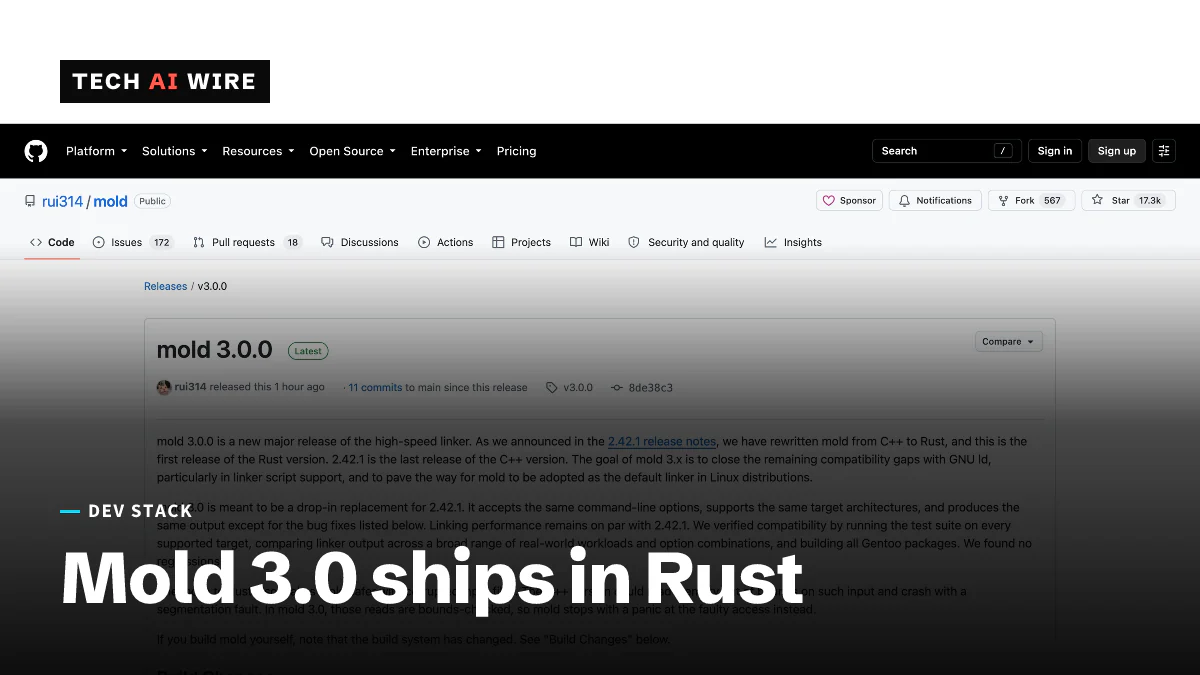
Mold 3.0 is the first release written in Rust. It needs Rust 1.95, drops Intel's oneTBB and links as fast as 2.42.1, the last C++ version.
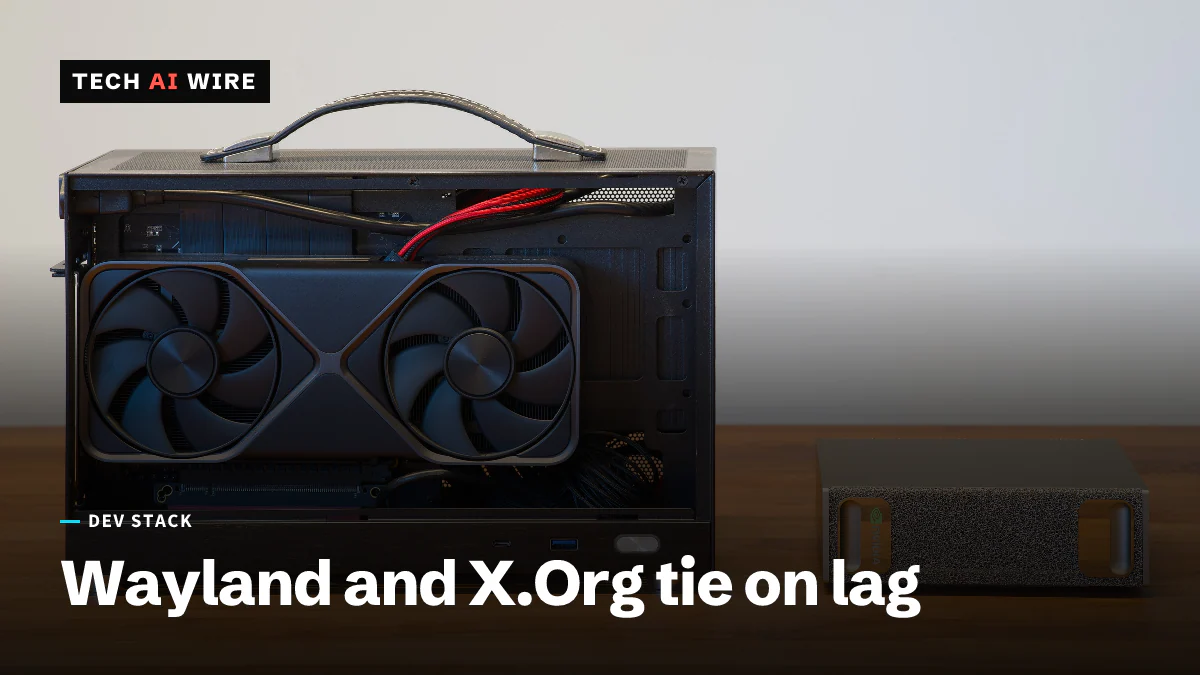
NVIDIA's XDC 2026 test on an RTX 5070 at 144 Hz found Wayland and X.Org tied on input lag. XWayland no longer adds a frame, and VRR helped both.
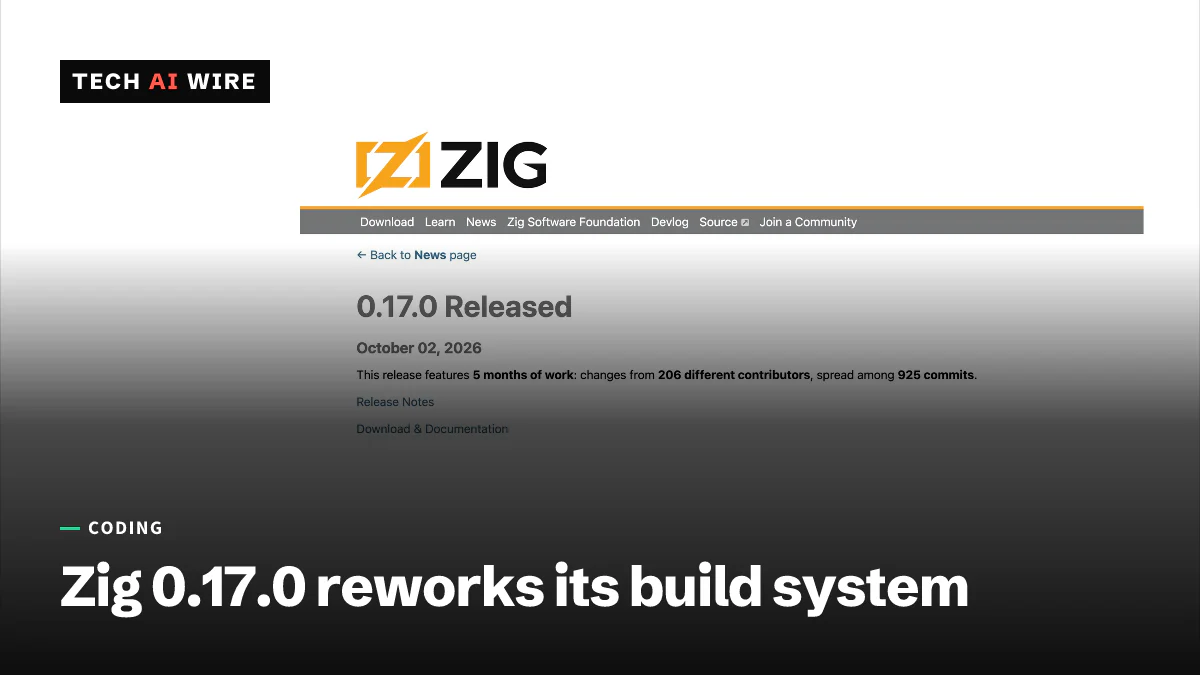
Zig 0.17.0 landed on October 2 with 925 commits from 206 contributors: a reworked build system, incremental builds on x86_64 Linux, and LLVM 22.1.8.
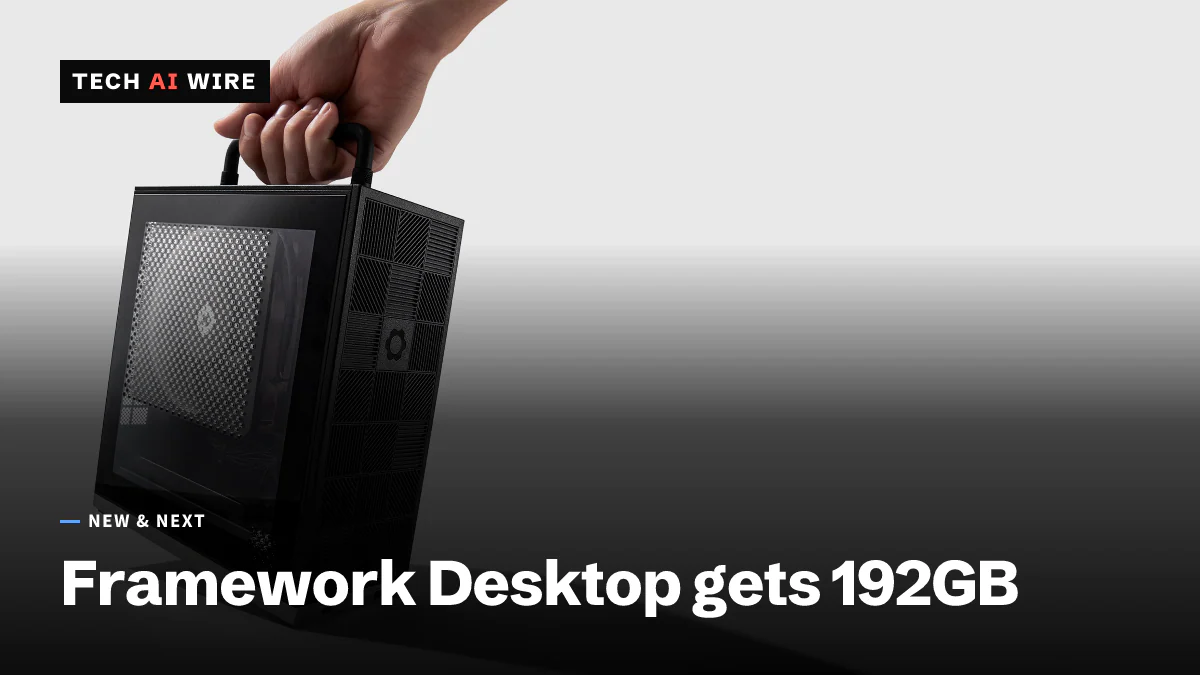
Framework opened pre-orders on September 30, 2026 for a 192GB Framework Desktop with AMD's Ryzen AI Max+ PRO 495, at $6,799 and shipping in November.
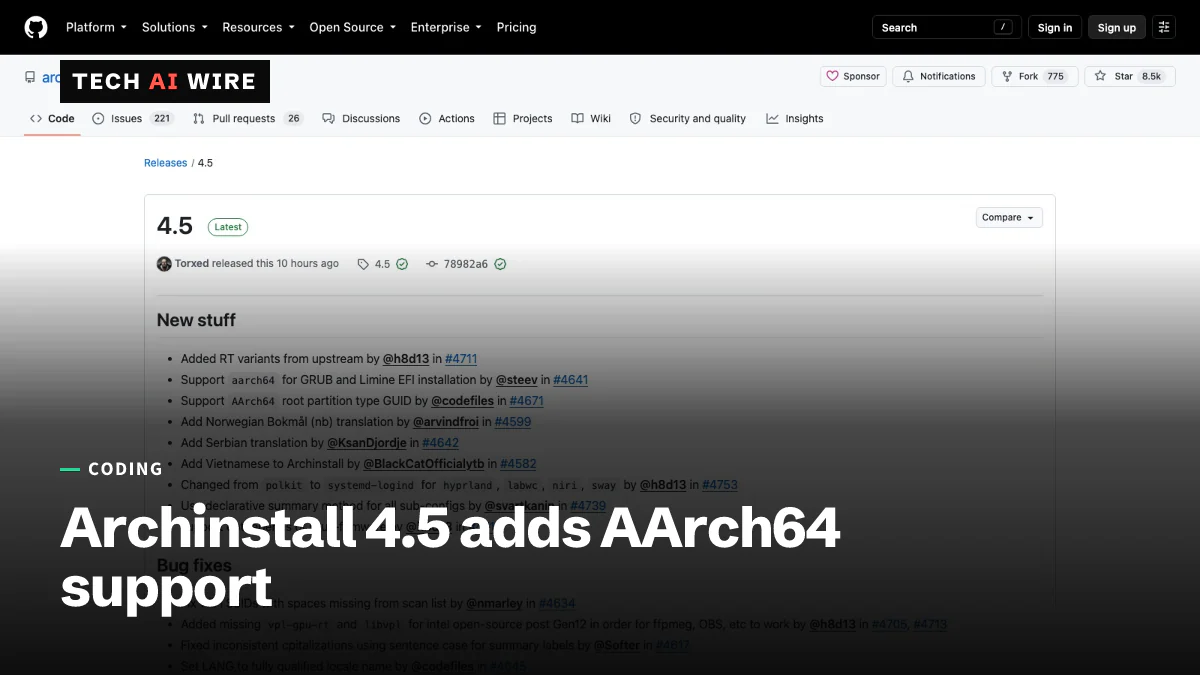
Archinstall 4.5, out September 29, 2026, sets up 64-bit ARM machines with GRUB or Limine, adds real-time kernels and turns on TLS verification.
One email every Friday with the week's top stories from all six desks: AI, dev tools, coding, the tech industry, startups and what's next. Free, no spam.