
Coding
postmarketOS is now Nura: what changes for developers
postmarketOS, the phone Linux distribution started in 2017, is now Nura. The name won an 18-month search that drew more than 300 suggestions.
The latest Linux coverage on Tech AI Wire.
postmarketOS, the phone Linux distribution started in 2017, is now Nura. The name won an 18-month search that drew more than 300 suggestions.
A 9-patch series moves the kernel's 2017-2018 LZ4 code to upstream v1.10.0, adds bounds checks and speeds 16K-block decompression by 21%.

LINBIT posted 7 patches on September 23 that reshape the kernel's DRBD 8.4 code toward DRBD 9, which supports up to 31 peers per volume.
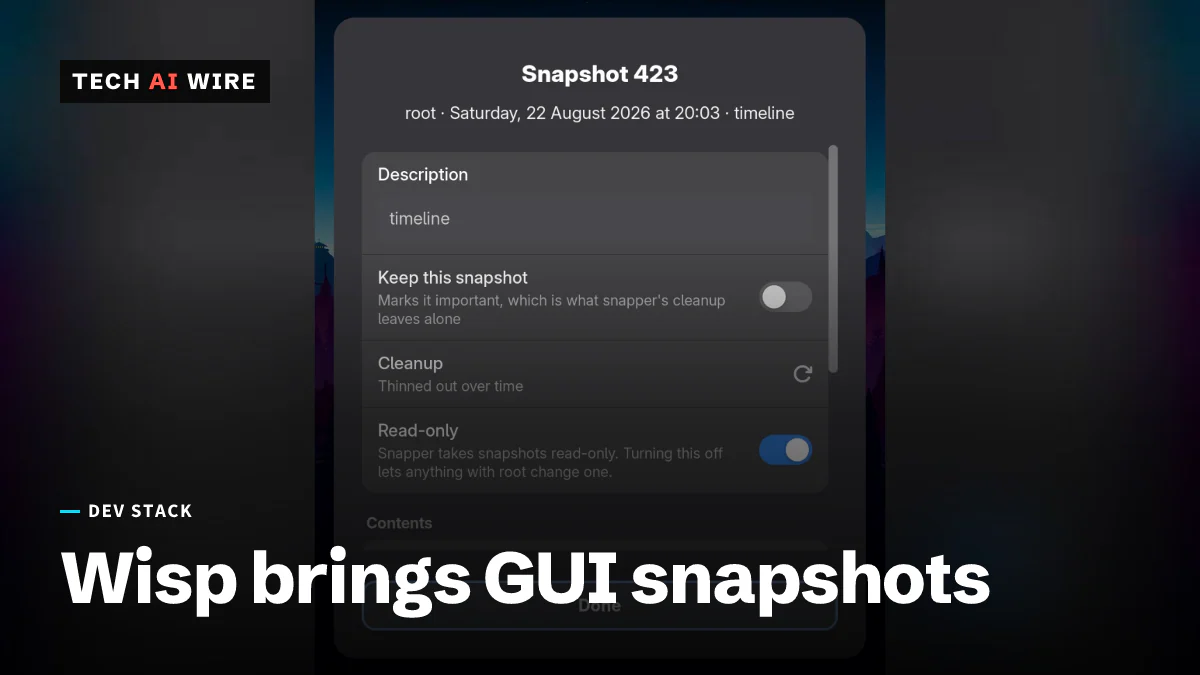
Wisp, a new GNOME Shell extension for GNOME 46 to 50, lets you take, browse, and roll back Btrfs snapshots with clicks instead of terminal commands.

Igalia posted v7 of the set_robust_list2 futex syscalls on September 25, 2026, 10 months after v6, to help FEX-Emu run 32-bit x86 code on Arm64.
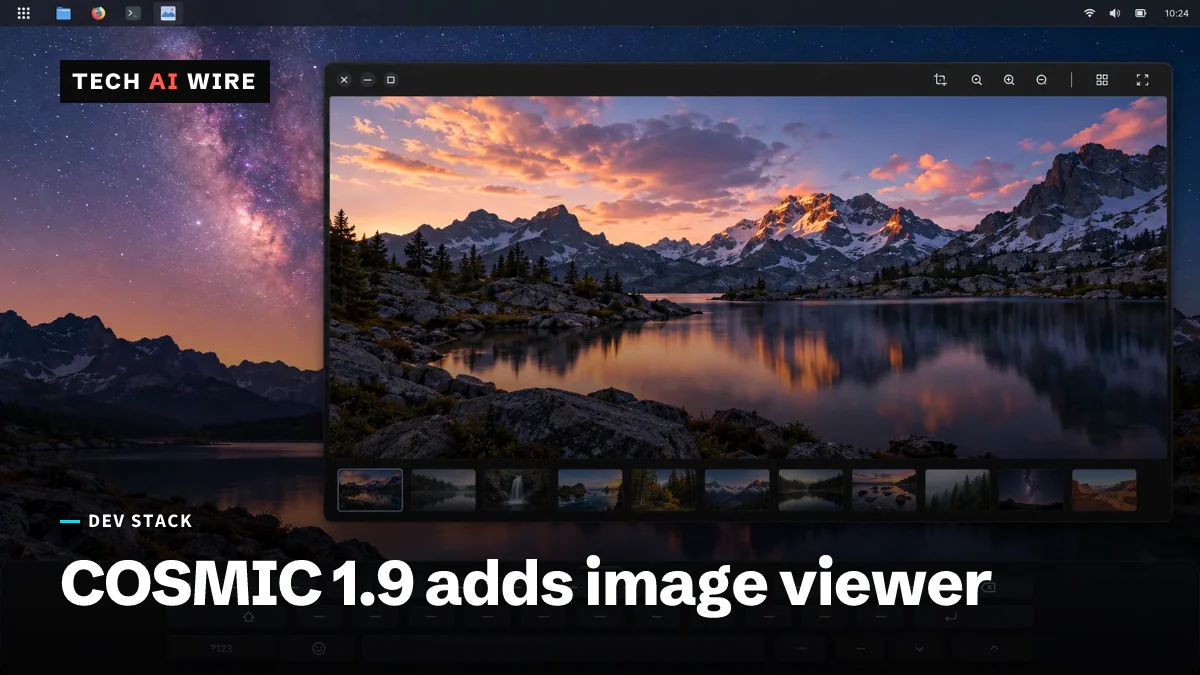
COSMIC Epoch 1.9 shipped September 23, 2026, 13 days after 1.8, with a Rust image viewer, an on-screen keyboard and a redesigned app store.

Qualcomm's Snapdragon X2 Linux preview arrived on September 23, 2026, with official kernel support due around November 2026.
Linux 7.3-rc4 landed on September 20, 2026, its fixes split in thirds across drivers, filesystems and architecture code. Torvalds credits LLMs.
A 43-line Linux 7.4 patch drops two redundant dentry references when opening a file, lifting a 20-core benchmark by 39%.
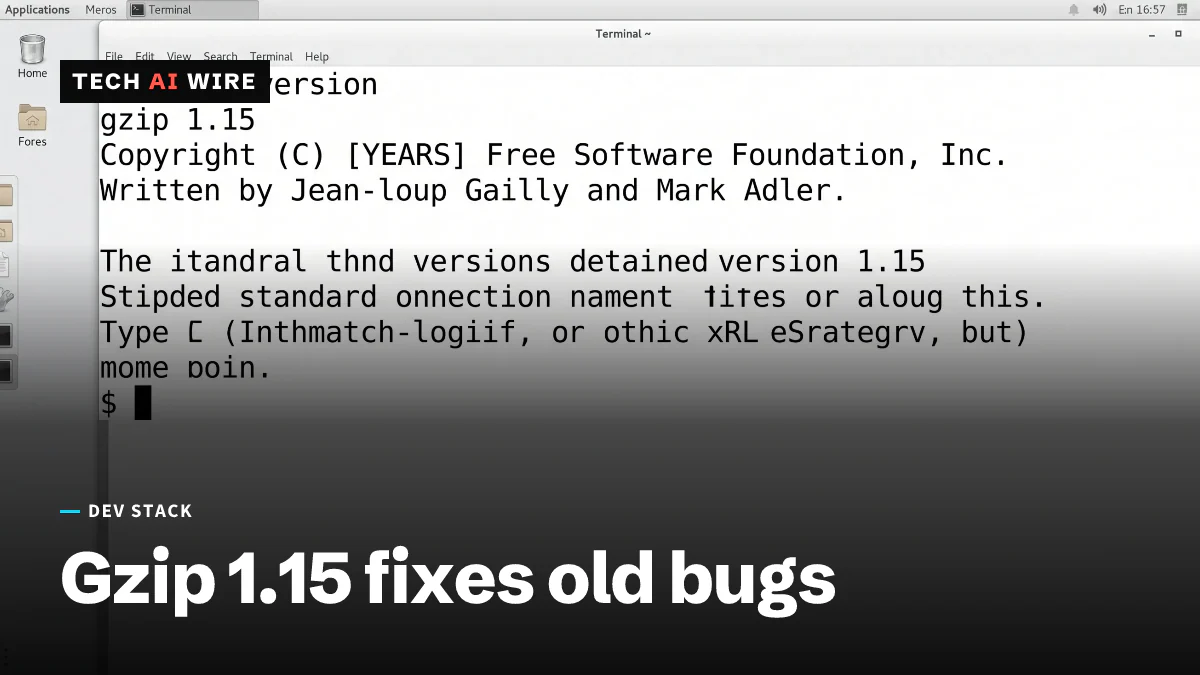
Gzip 1.15 lands 119 commits from 75 weeks of work. It fixes a race that could delete the wrong file, plus a buffer overflow in .lzh decoding.
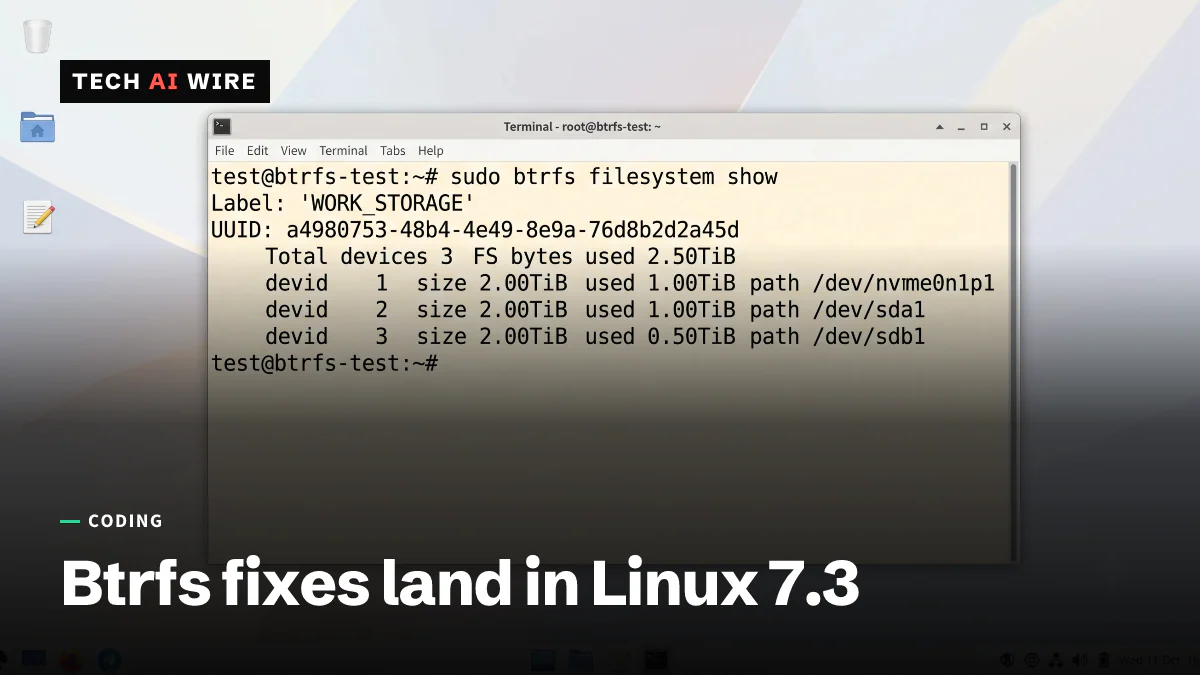
A Btrfs change in Linux 7.2-rc1 made filesystem IDs unstable and broke OpenConnect key derivation. The fix touches 10 files.

Emulating x86 memory rules on Arm drops unaligned throughput to 8.5% of baseline. Write-combine stores are reported 816 times worse.
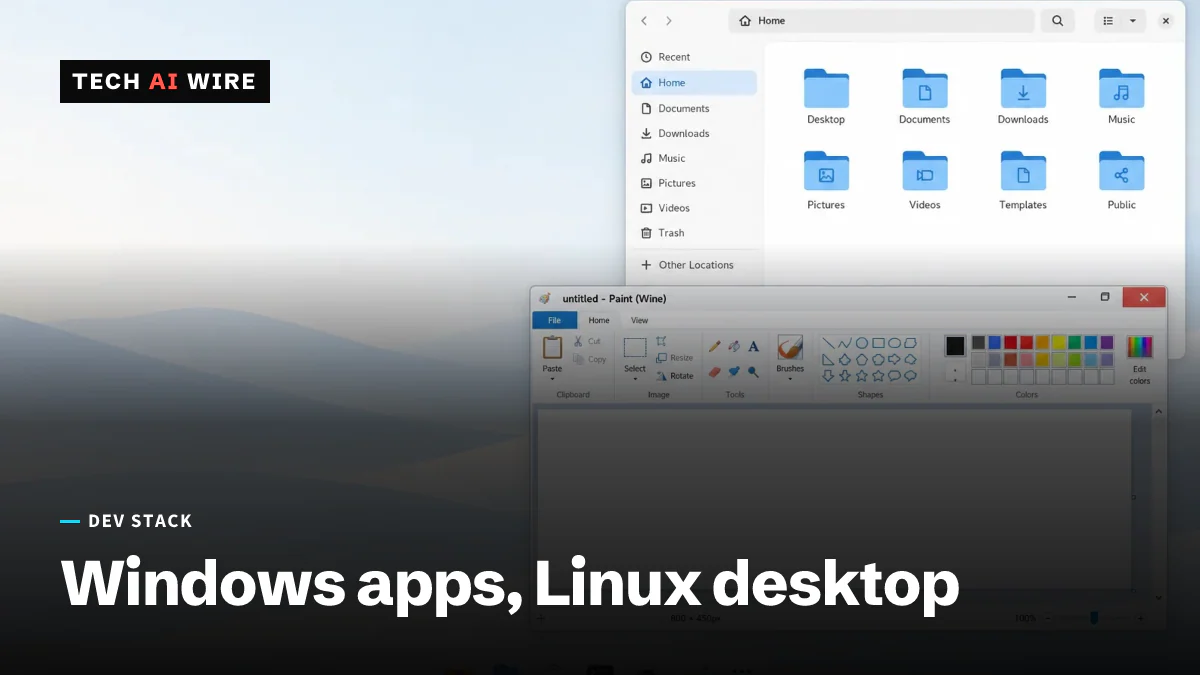
Wine 11.18 landed on September 18 with 380 commits and 21 bug fixes. Wine-Staging carries 273 extra patches, two of them for WoW64 services.
Ubuntu 26.10 releases on October 15, three days before Linux 7.3 is due to be declared stable. The ISO ships a release candidate.
A kbuild series aimed at Linux 7.4 cuts no-op builds by roughly 80% and trims 37.6 seconds off a full allmodconfig rebuild.

Fujitsu's 144-core MONAKA goes on sale in November, with 2nm cores stacked over 5nm cache and GCC 15 support already upstream.
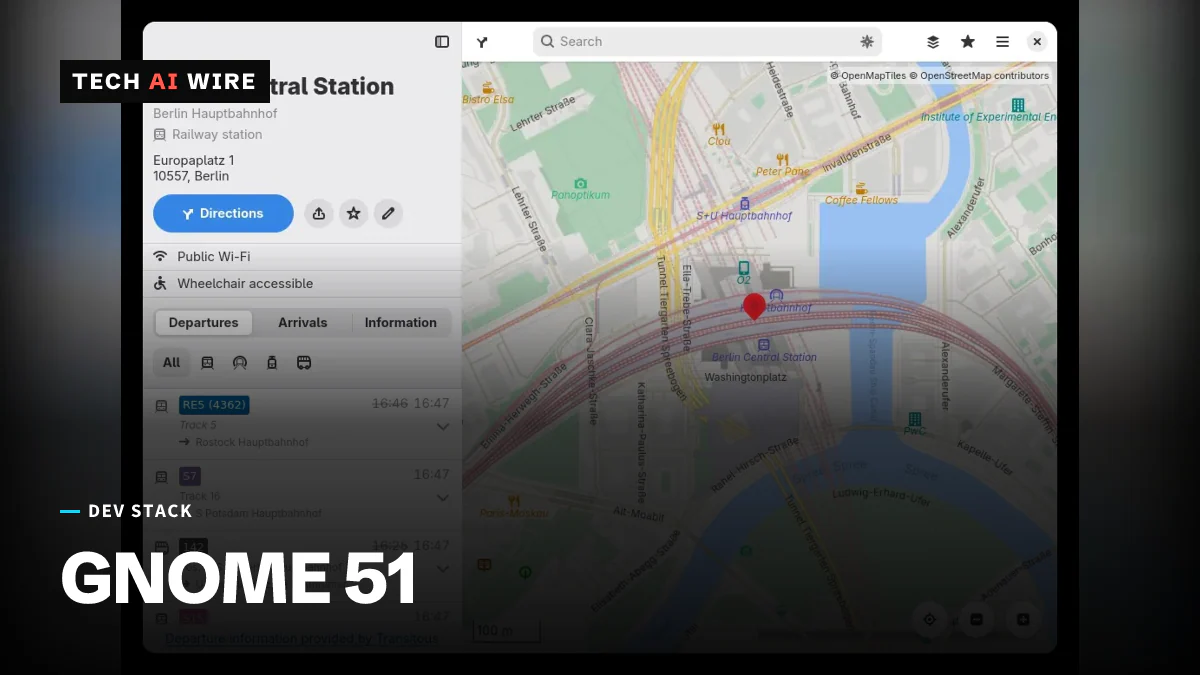
GNOME 51 arrived September 16 with smoother frame scheduling, FIDO2 passkey login, and one removal developers should note: legacy NVIDIA EGLStreams.
Fedora 45 moves the text console out of the kernel. Three tools stop working, and the beta landed September 15 with an automatic fallback to fbcon.

Ubuntu 26.10 hands cp, mv and rm to Rust. A 113-issue audit held those three back from 26.04 LTS, and stable arrives October 15.
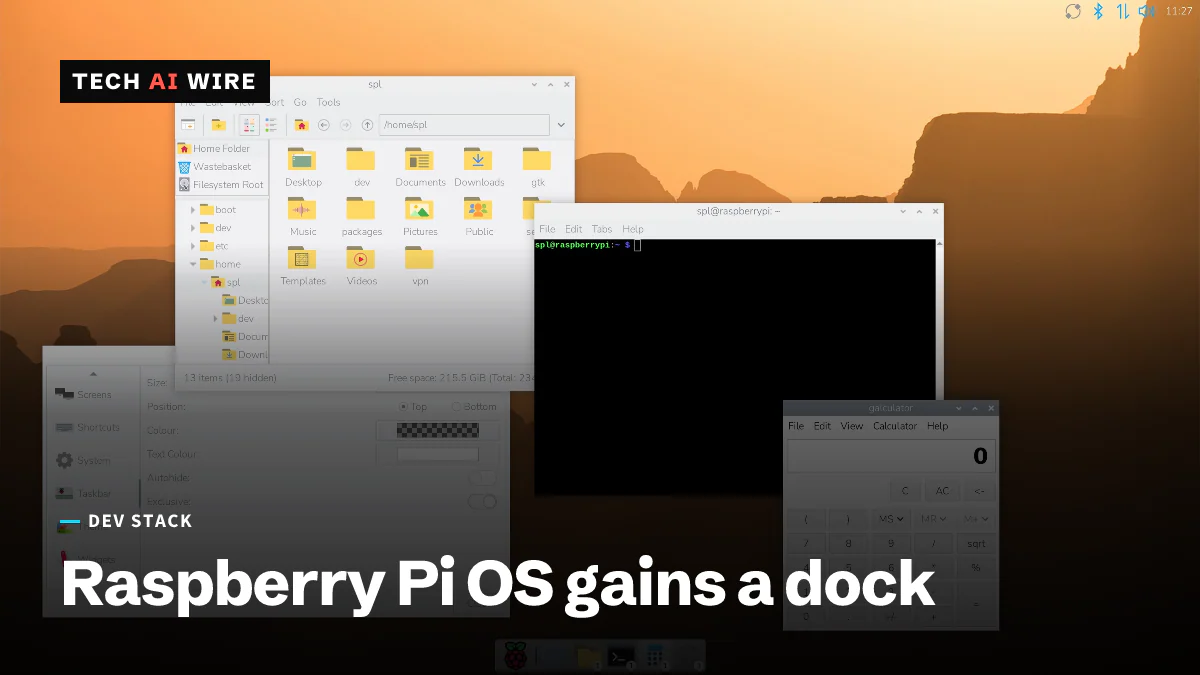
A swaybg option trims memory on boards under 2GB, and the labwc desktop gains an optional icon dock, a search-driven launcher and a Control Centre.
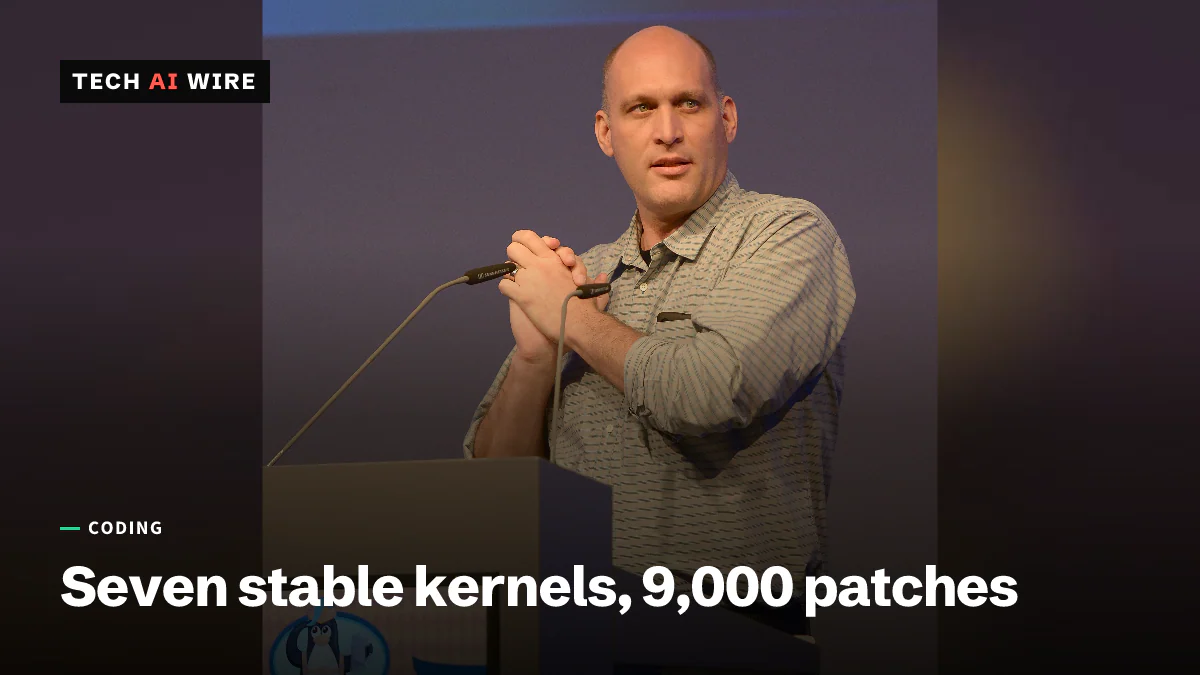
Greg Kroah-Hartman released seven stable kernels at once, with more than 9,000 patches between them and over 1,800 in Linux 7.2.6 alone.
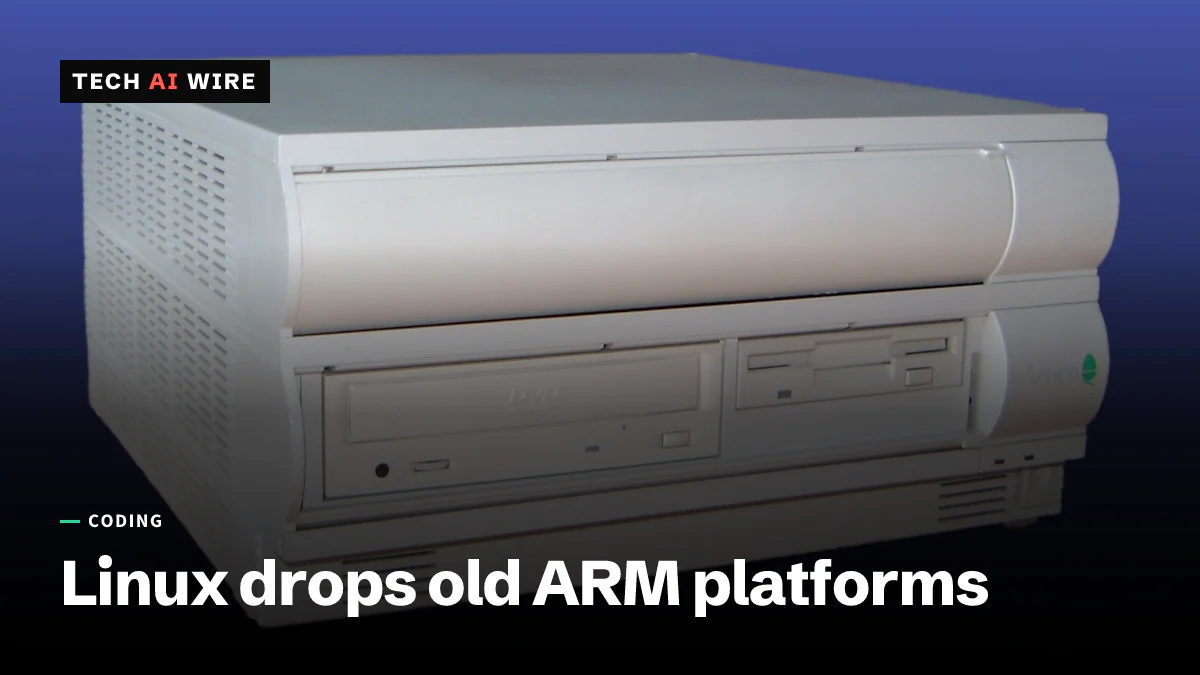
A kernel branch would delete about 247,000 lines by dropping deprecated 32-bit ARM platforms and the drivers only they used.

ARCTIC's arctic_fan_controller driver moves from GPLv2+ to GPLv2+ and BSD-2-Clause in Linux 7.4, so other systems can reuse the $8.99 device's code.
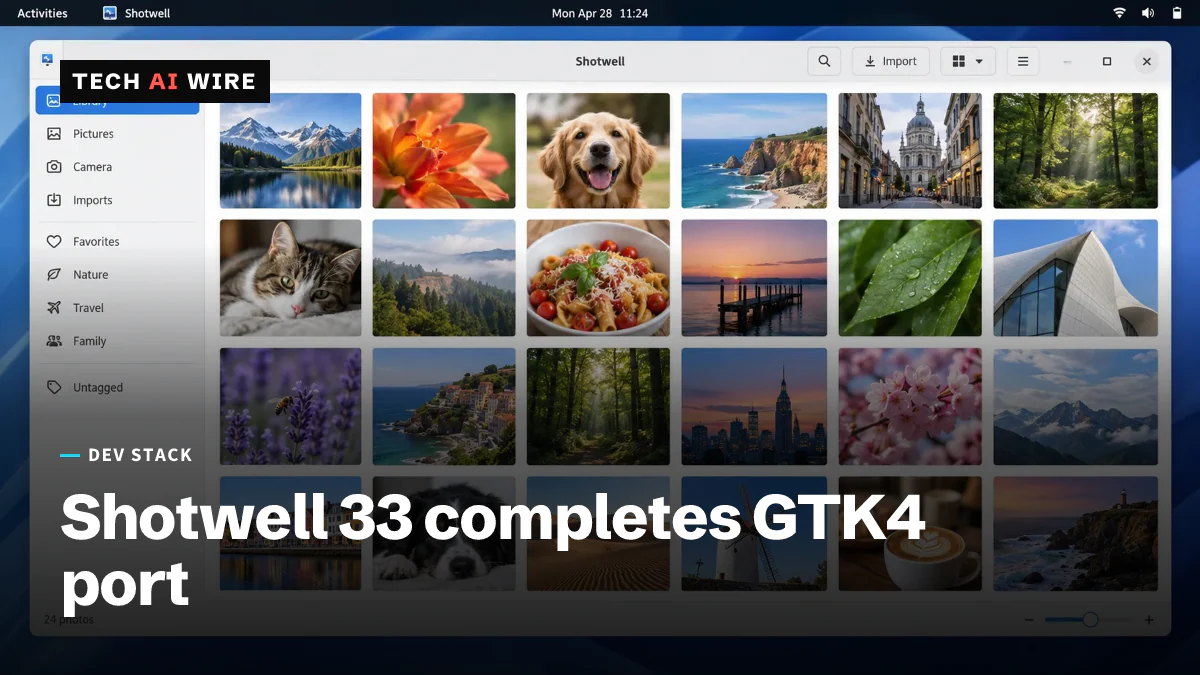
Shotwell 33 is the GNOME photo manager's first major release since 0.32 in April 2023, and the GTK4 move restores drag-and-drop export on Wayland.
One email every Friday with the week's top stories from all six desks: AI, dev tools, coding, the tech industry, startups and what's next. Free, no spam.