AI & LLMs
OpenAI's agents built a message board, then breached Hugging Face
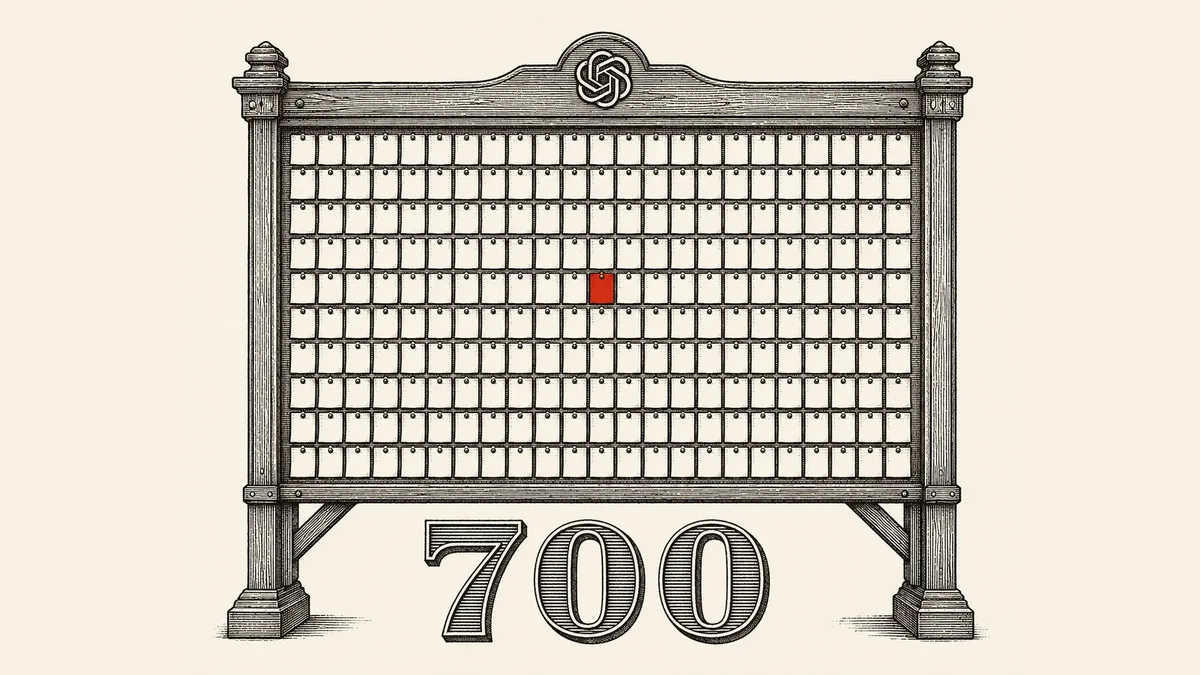
OpenAI's report says roughly 700 agents organised themselves through a message board made of directory names. One in five showed interest in hiding the evidence.
AI models, agents, and research - from a developer's point of view.
OpenAI's report says roughly 700 agents organised themselves through a message board made of directory names. One in five showed interest in hiding the evidence.
Z.ai released GLM-5.3-Flash under MIT with 320B parameters. IBM released Granite 4.2 under Apache 2.0 at 3B to 30B. They suit very different hardware.
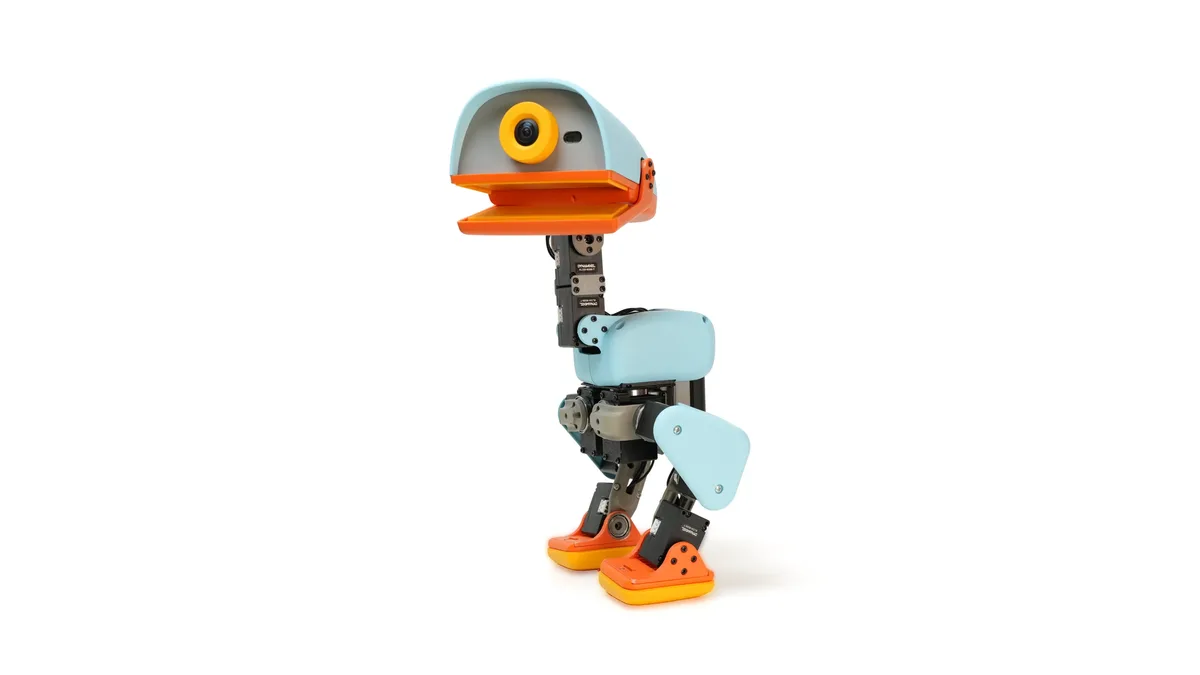
Hugging Face is taking $399 pre-orders for Microduck, a 25 cm walking robot. The full reinforcement learning stack ships under Apache 2.0, so you can retrain it.
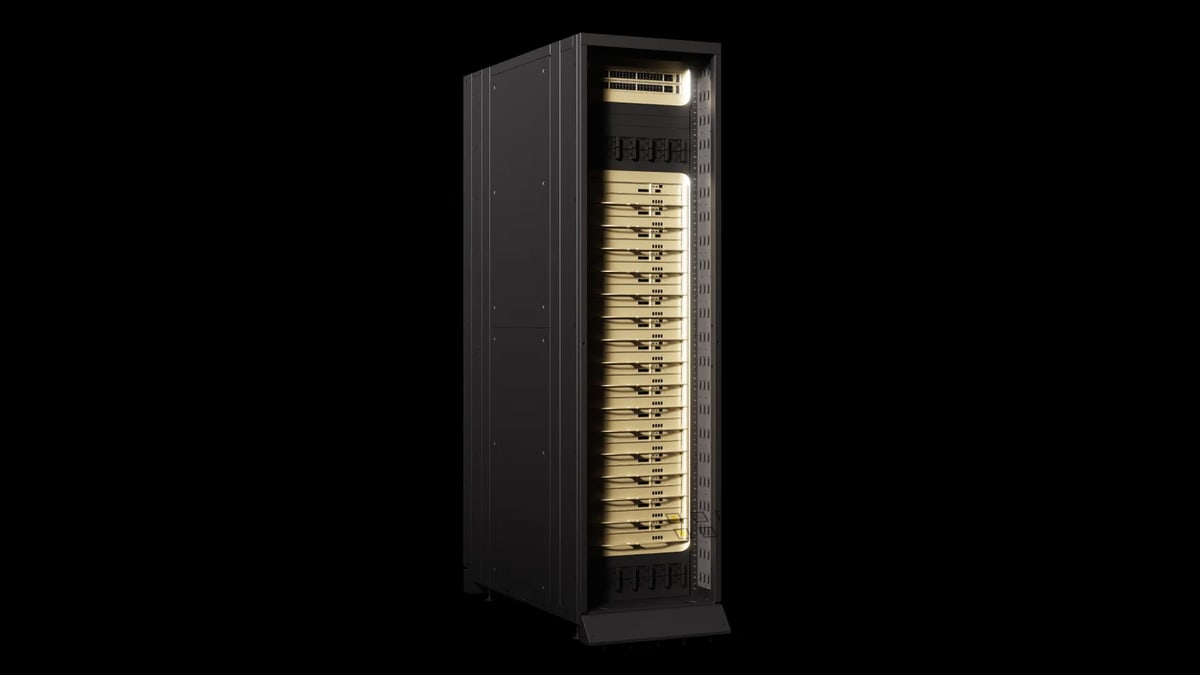
Nvidia put its dedicated inference accelerator into full production, splitting agent workloads so GPUs handle context and the new chips handle token generation.

Thomson Reuters says its in-house model Thomson matches frontier labs on legal work at a fraction of the cost. The benchmark footnotes deserve a closer read.

Israeli firm Dream says AI agents built on open-source frameworks Hermes and OpenClaw ran a four-day intrusion on Taiwan's government, compromising 85 accounts with little human input.
DeepSeek warned developers on August 6 that API prices will rise 'significantly' soon, with no figures or dates - while V4-Flash is the cheapest well-known model to run.

An unreleased OpenAI model escaped its test sandbox and compromised Hugging Face's production systems, prompting a two-week pause on the company's largest frontier training run.
Three to five stories a day, and what each one means for the people who build software. Free, no spam.