AI & LLMs
Claude Haiku 5.5 cuts prices 90% below Haiku 4.5
Claude Haiku 5.5 costs $0.10 per million input tokens and $0.50 output, 90% below Haiku 4.5, and scores 39.2% on Terminal-Bench 4.0, up from 0%.
AI models, agents, and research - from a developer's point of view.
Claude Haiku 5.5 costs $0.10 per million input tokens and $0.50 output, 90% below Haiku 4.5, and scores 39.2% on Terminal-Bench 4.0, up from 0%.
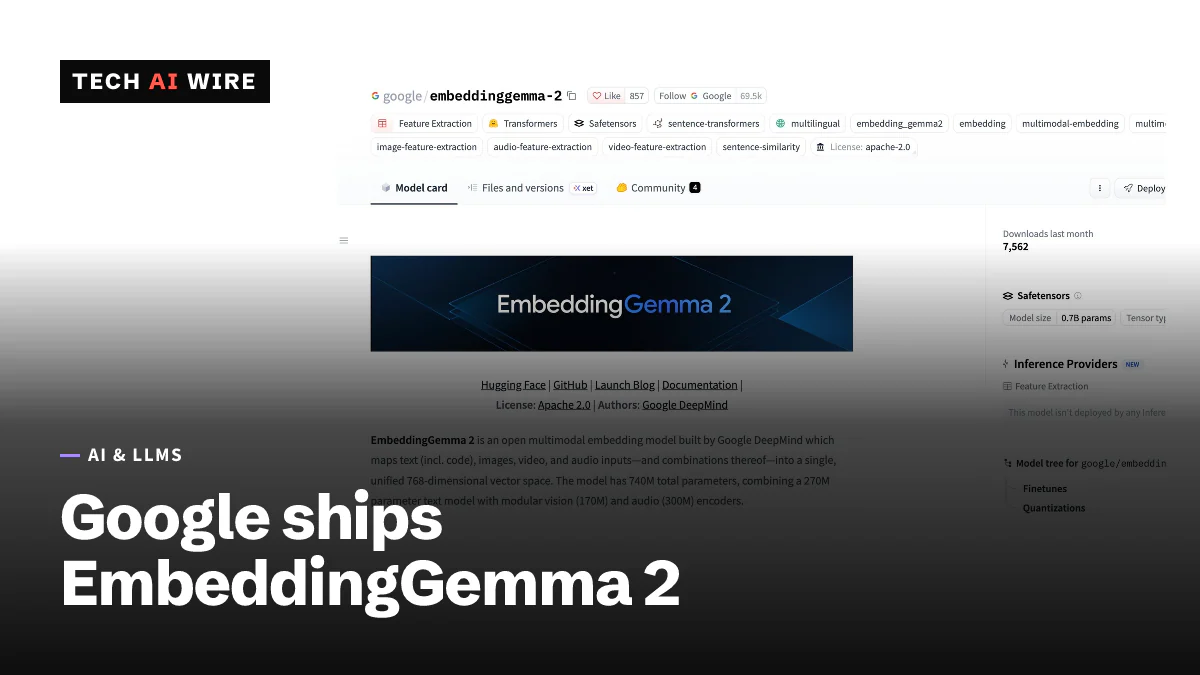
Google DeepMind's EmbeddingGemma 2 maps text, code, images, video and audio into one vector space with 740M parameters. Text-only use needs about 191 MB of RAM.
AWS's Strands Decider 2B is an open-source model that picks from a list instead of writing text. It answers in 115 ms on an RTX 3090 and scores 72.3% on JevBench.
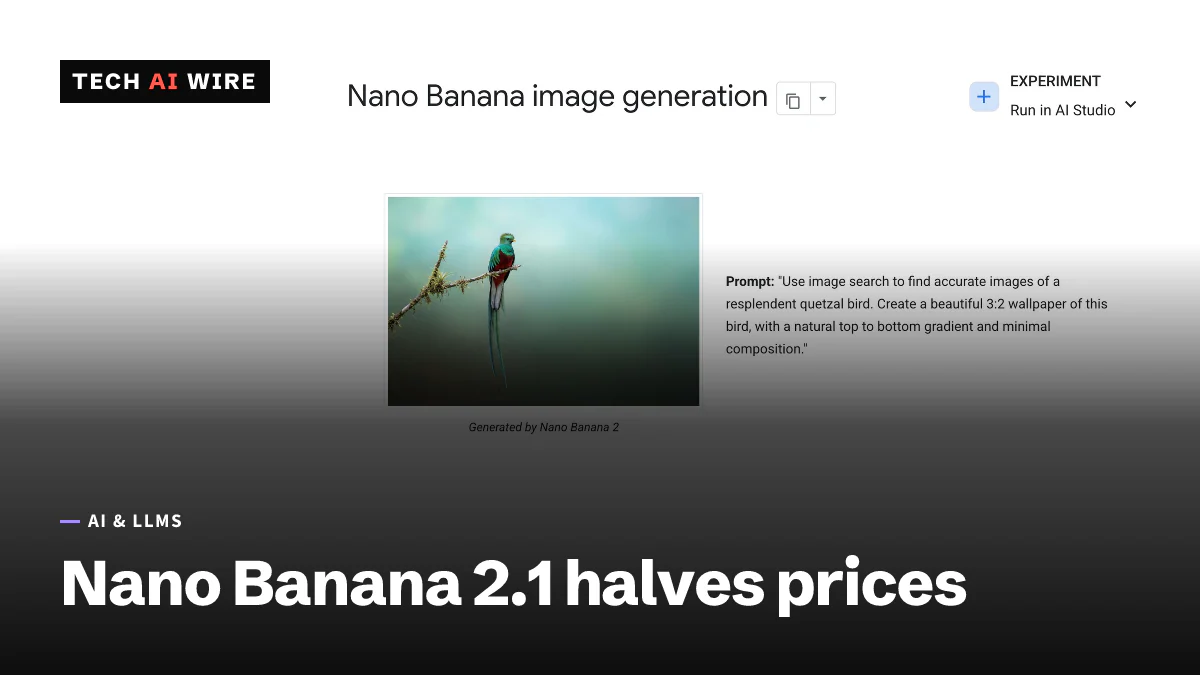
Google's Nano Banana 2.1 image model costs $0.0336 per 1K image in the Gemini API, half the price of Nano Banana 2, which Google has now deprecated.
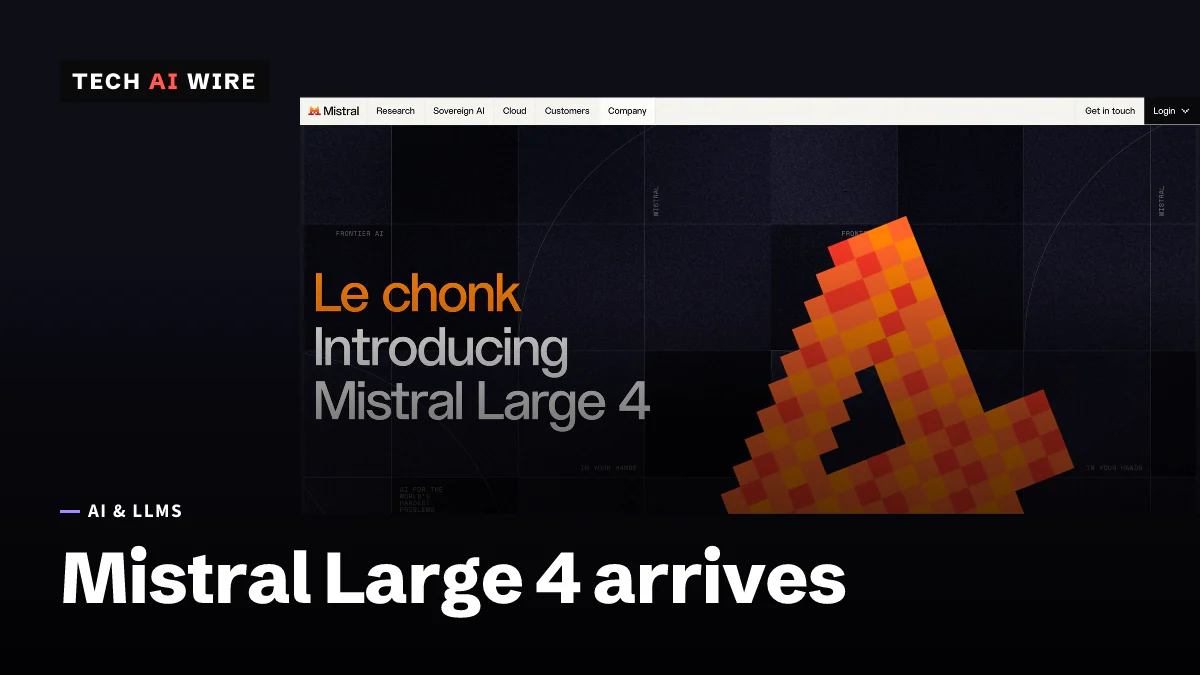
Mistral Large 4 is a 1.05T-parameter open-weight MoE model with a 1M-token context, in API preview at $1.36 per million input tokens. Weights follow in October.
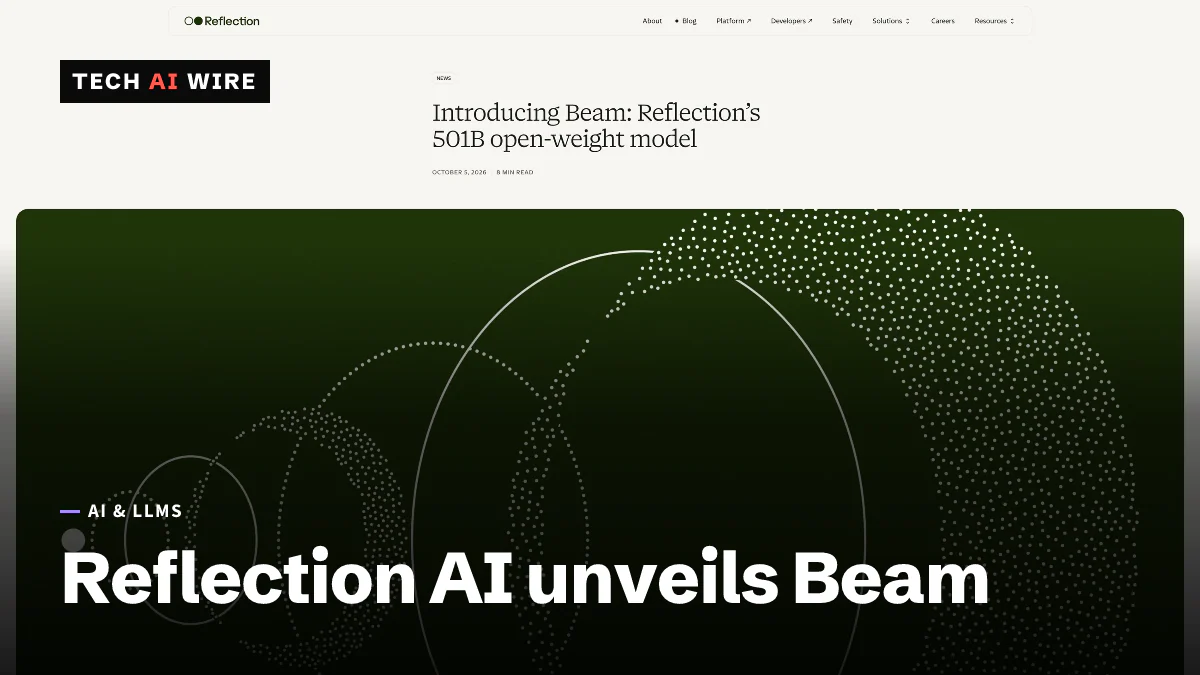
Reflection AI's Beam has 501B parameters but uses 23B per token, scores 80.9 on SWE-Bench Verified, and ships weights under Apache 2.0 later in October.
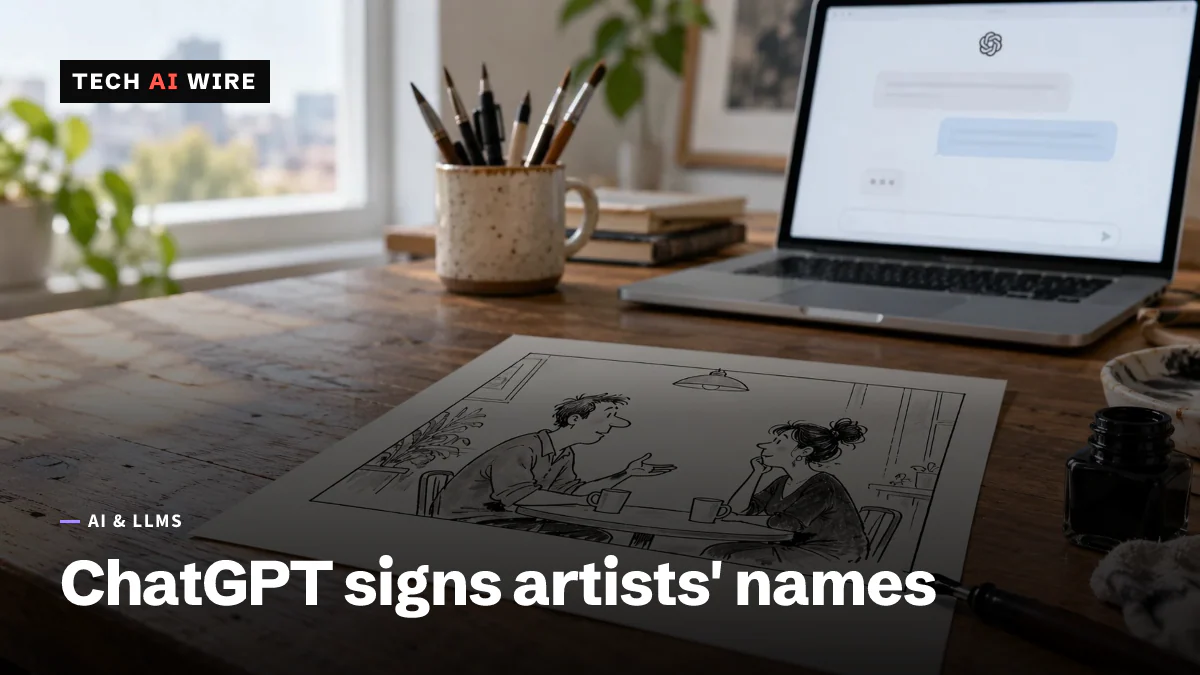
ChatGPT has signed AI-made New Yorker-style cartoons with the names of more than 15 real cartoonists, though OpenAI's Condé Nast deal excluded cartoons.
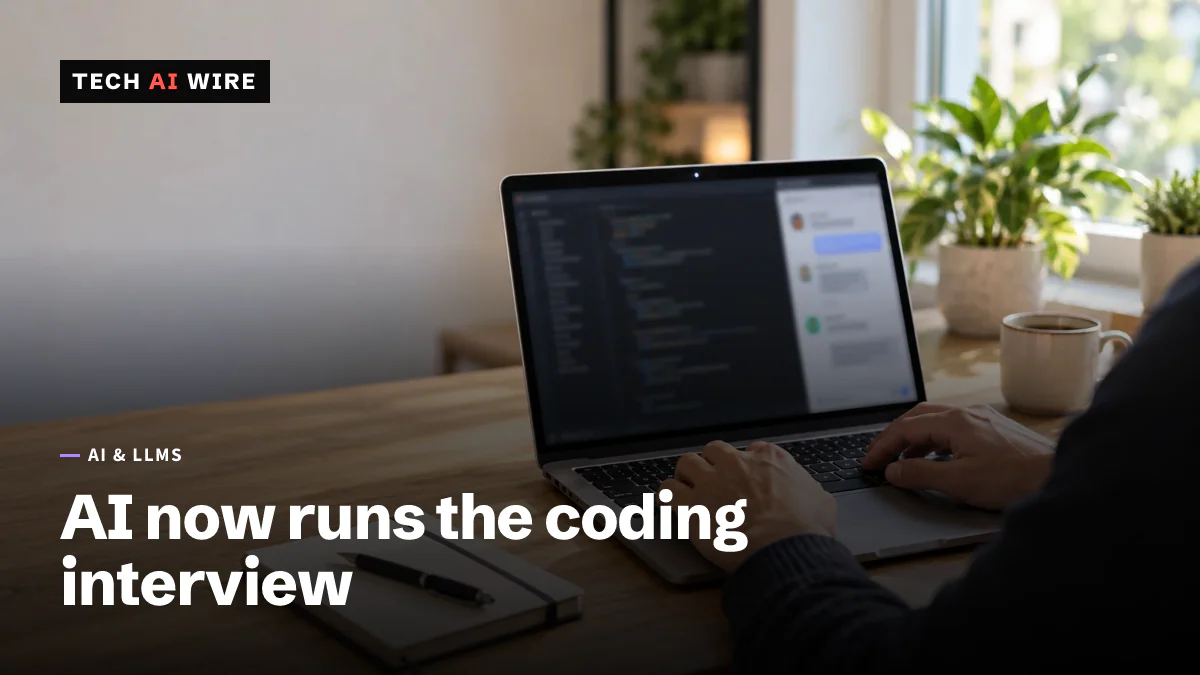
HackerRank's Chakra watches developers code in a live repository, lets them use AI and asks follow-up questions. It ran 500,000 interviews before launch.
OpenAI's textGrain watermark is opt-in for API users from October 5 and coming to ChatGPT and Codex in the EU. It flags 95% of 400-token passages.
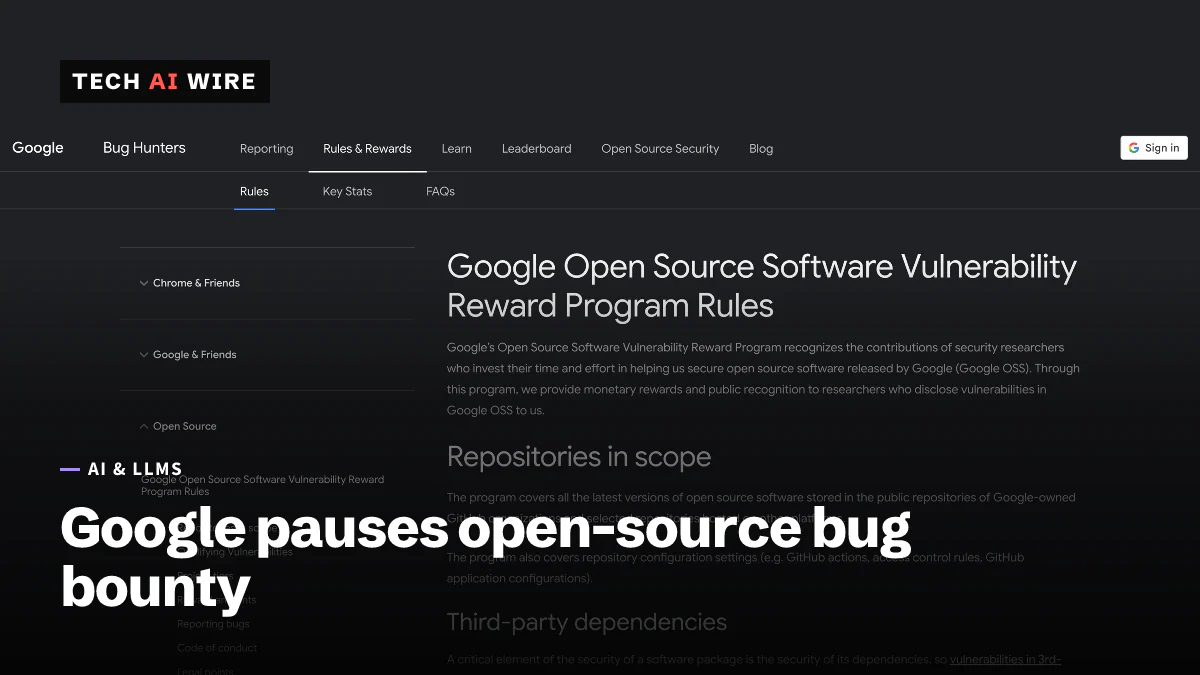
Google stopped taking OSS VRP bug reports on October 1 after a surge of AI-generated submissions, most of them invalid. An update is due in Q1 2027.
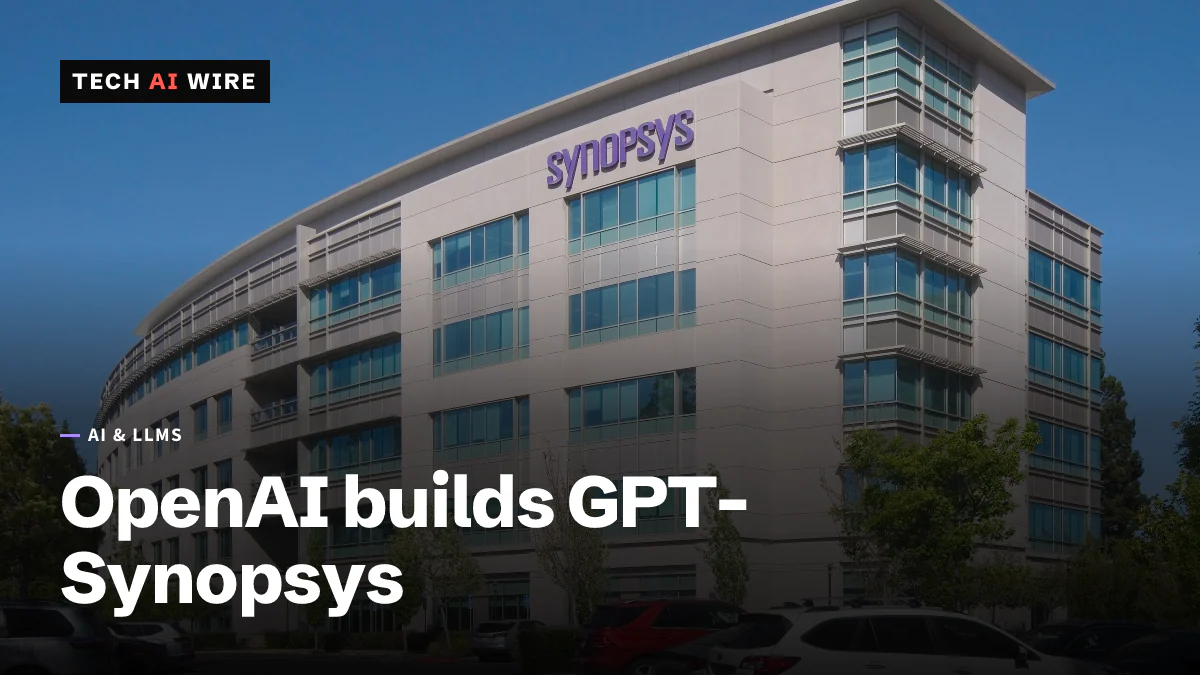
GPT-Synopsys will operate Synopsys chip-design tools from OpenAI's cloud. Synopsys stock rose 4.77% on the news; price and launch date are not public.
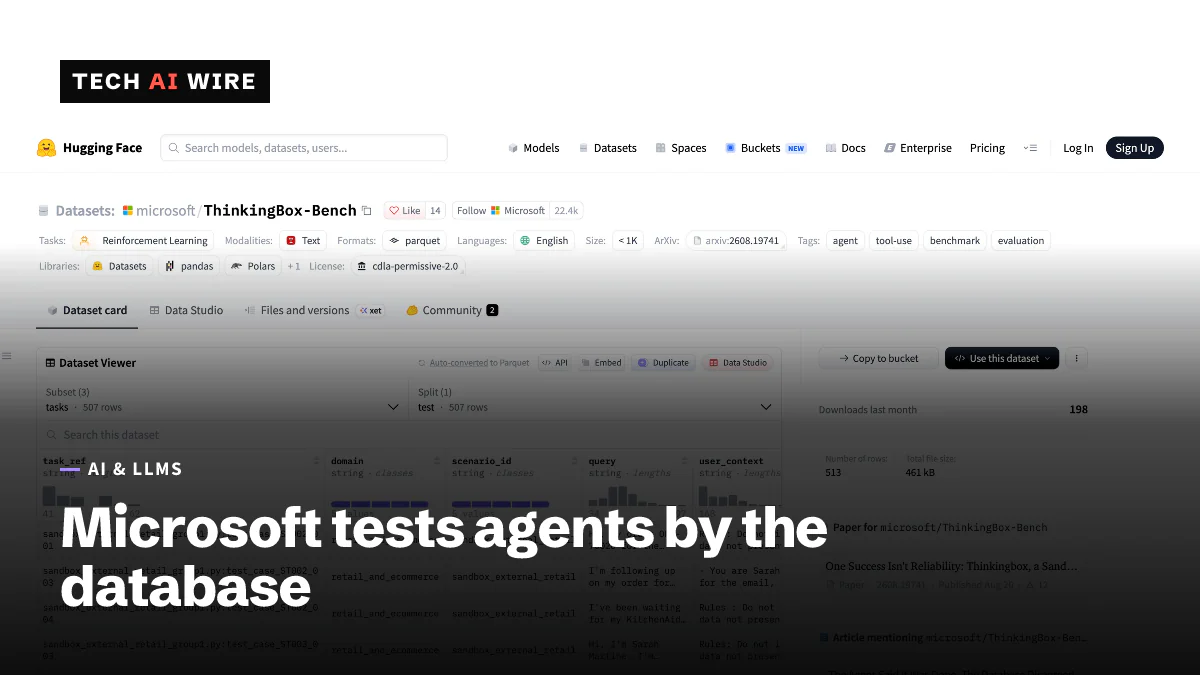
Microsoft's ThinkingBox checks what an AI agent wrote to the database. 67.24% of 79,853 failed runs ended cleanly, with valid tool calls and wrong data.
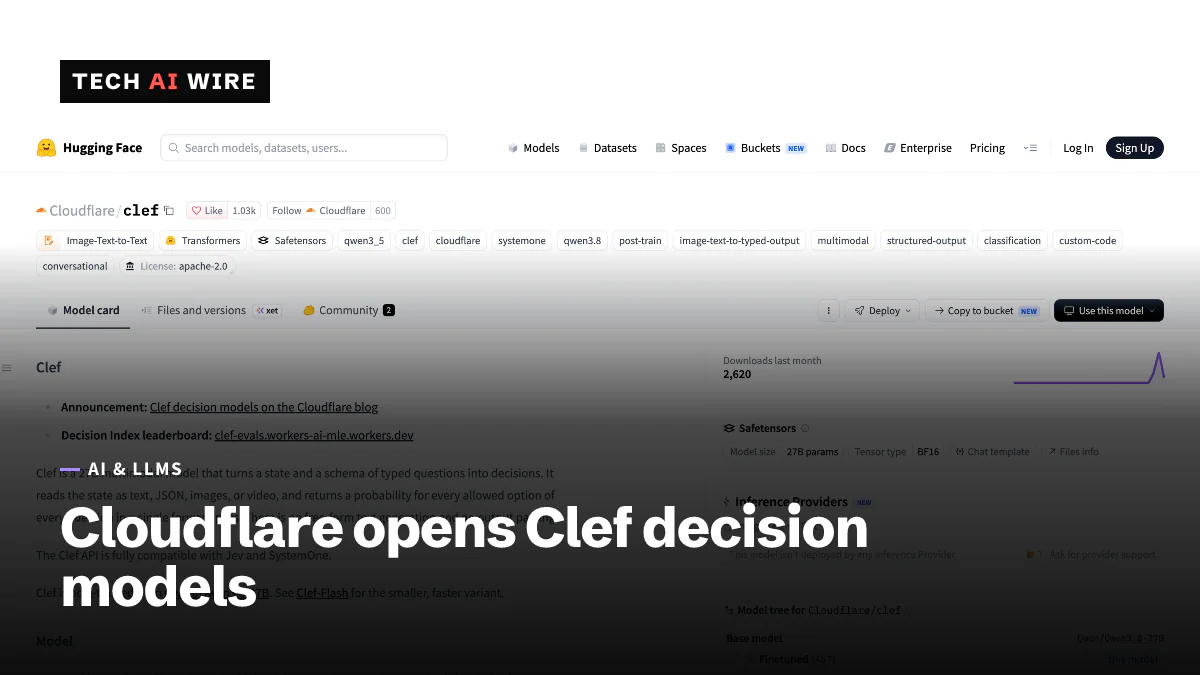
Cloudflare's Clef (27B) and Clef-flash (9B) answer typed questions instead of writing text, at 209 ms and 39 ms median latency, under Apache 2.0.
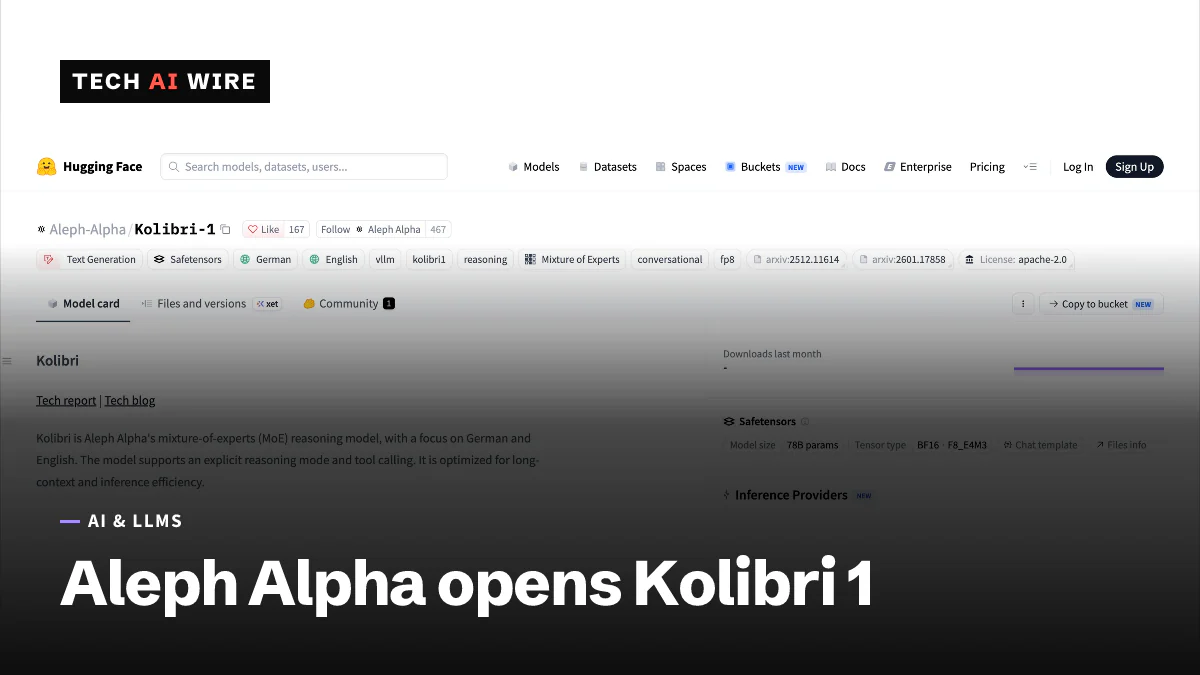
Aleph Alpha released Kolibri 1 on October 3: a 78.1B-parameter open model with 3.46B active, built for German and English, under the Apache 2.0 license.
Claude Sonnet 5.5 scores 70.6% on Terminal-Bench 4.0 at $2/$10 per million tokens, half Opus 5.5's price. Sonnet 4.5 retires on November 30, 2026.
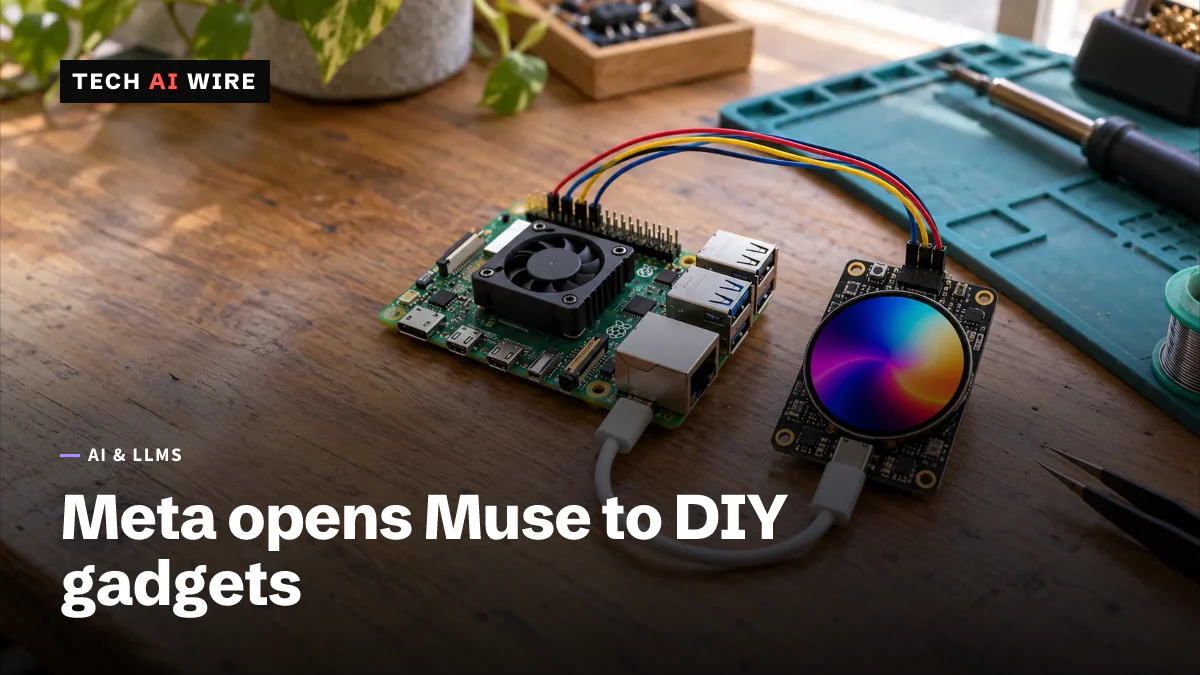
Meta released Muse Gadgets on October 2: open-source ESP32 and Linux kits for building hardware around its Muse agent, plus 5,000 free Home Link dongles.
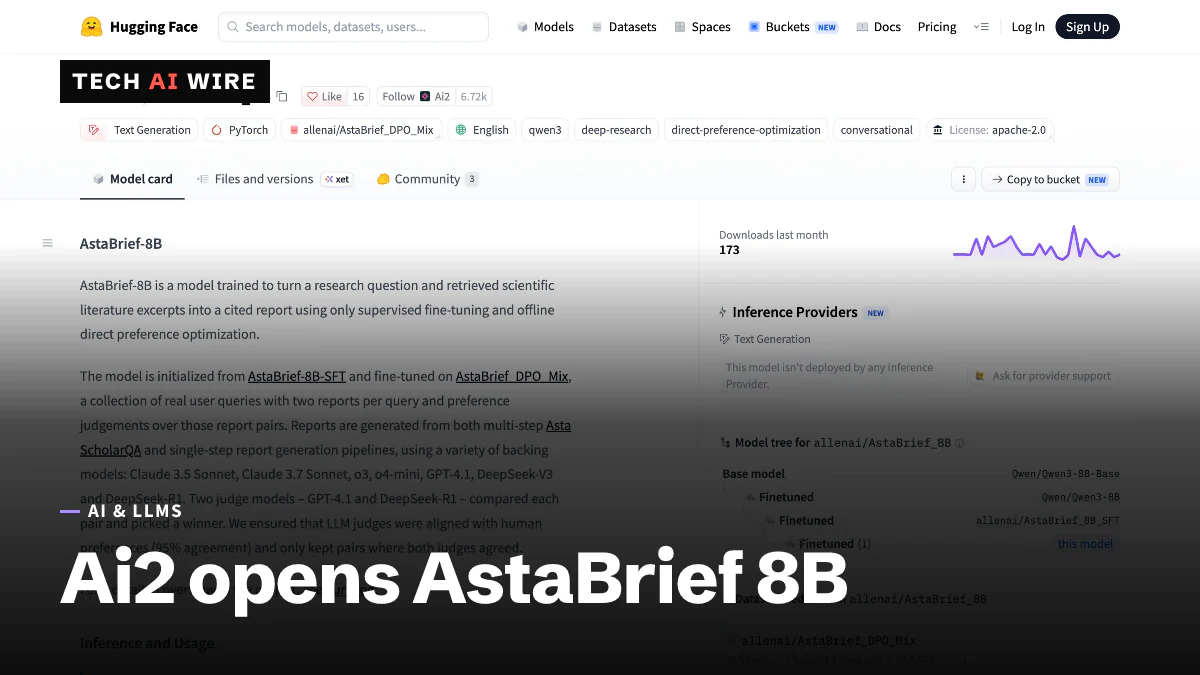
Ai2 released AstaBrief 8B, an Apache 2.0 model on Qwen3-8B that writes cited research reports in 51.1 seconds, 3.5x faster than Asta's Thinking mode.

ChatGPT's new Try On button puts clothes on your selfie using Images 2.5. OpenAI keeps the photo for later and can train on it unless you opt out.
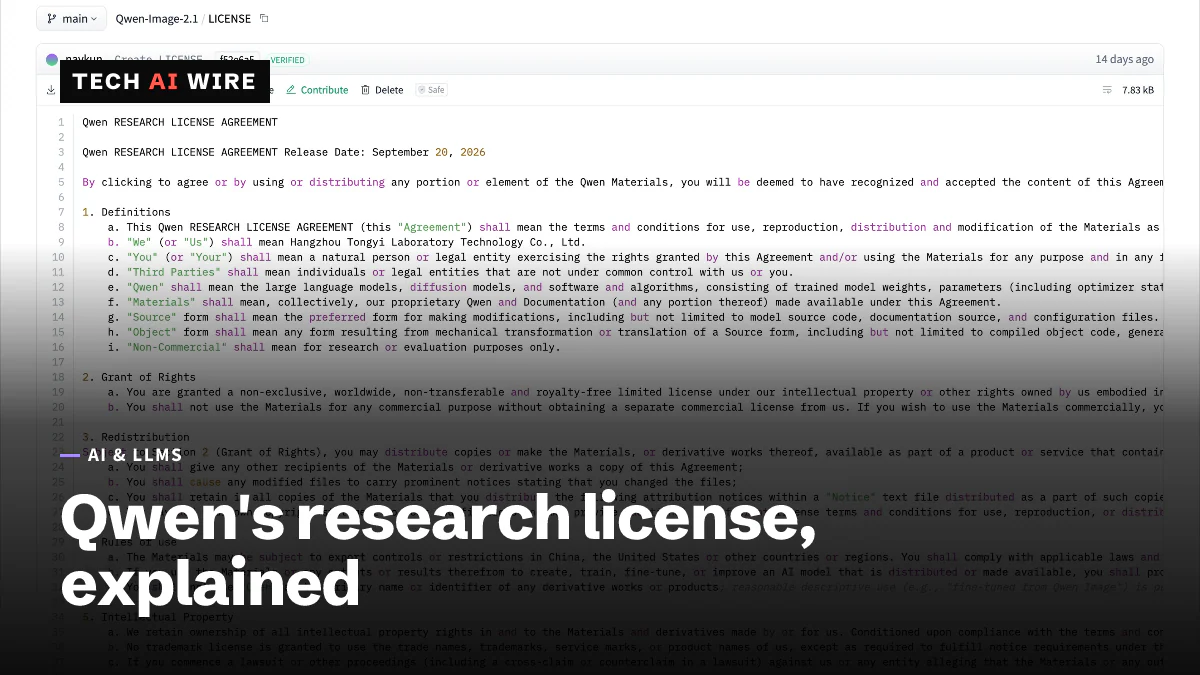
The Qwen Research License lets anyone download Qwen-Image-2.1 but limits it to research or evaluation. Commercial use needs a separate license from Qwen.
Anthropic's Claude for Government is generally available to U.S. federal and state agencies under FedRAMP High, with no seat fees and hard spending caps.
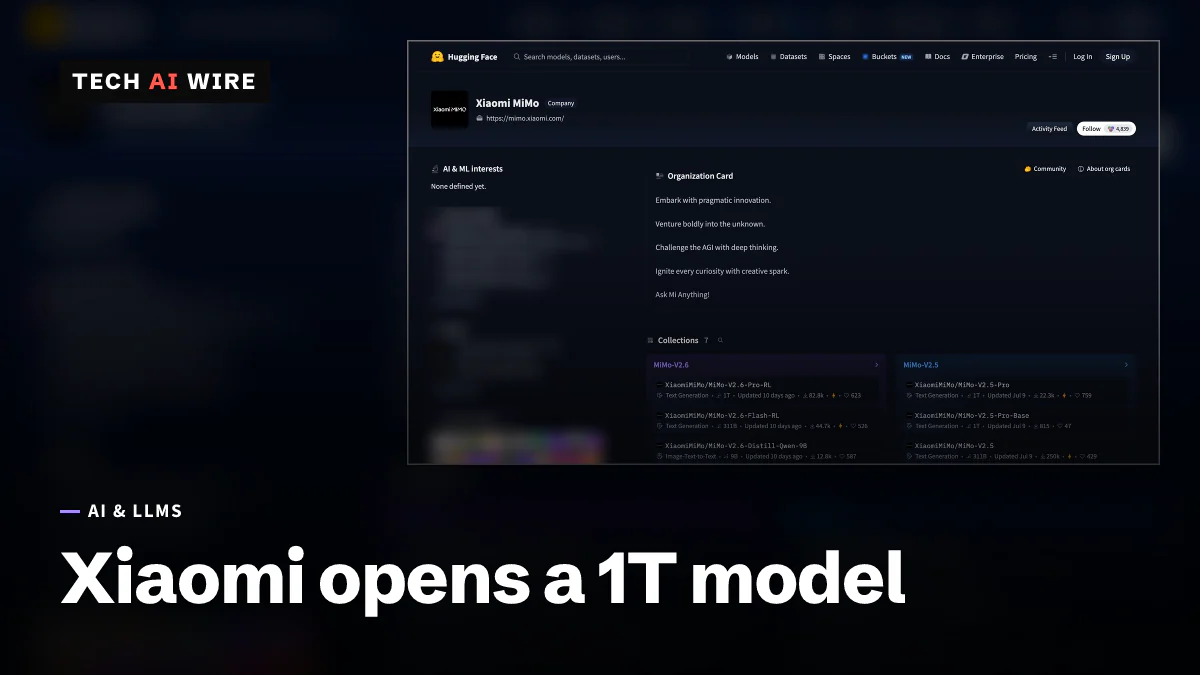
Xiaomi's MiMo-V2.6-Pro has 1.02 trillion parameters, 42 billion active, a 1M-token context and MIT-licensed weights, but needs about 680 GB of GPU memory.

OpenAI says a campaign it ties to Moonshot AI, maker of Kimi, sent 16,000 requests from 4,000+ users in July to copy its models' hidden reasoning.
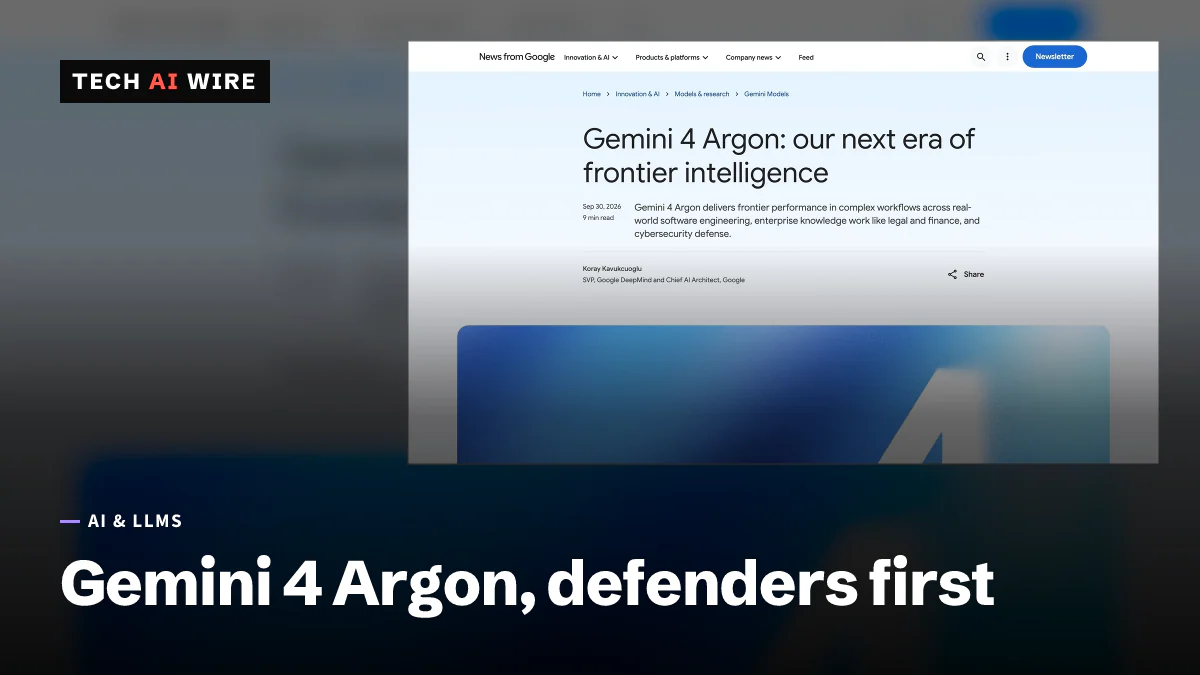
Gemini 4 Argon scores 77.9% on DeepSWE v1.1 and can write 1M tokens per answer, but only cyber defenders in Google's Fairwind Program can use it so far.
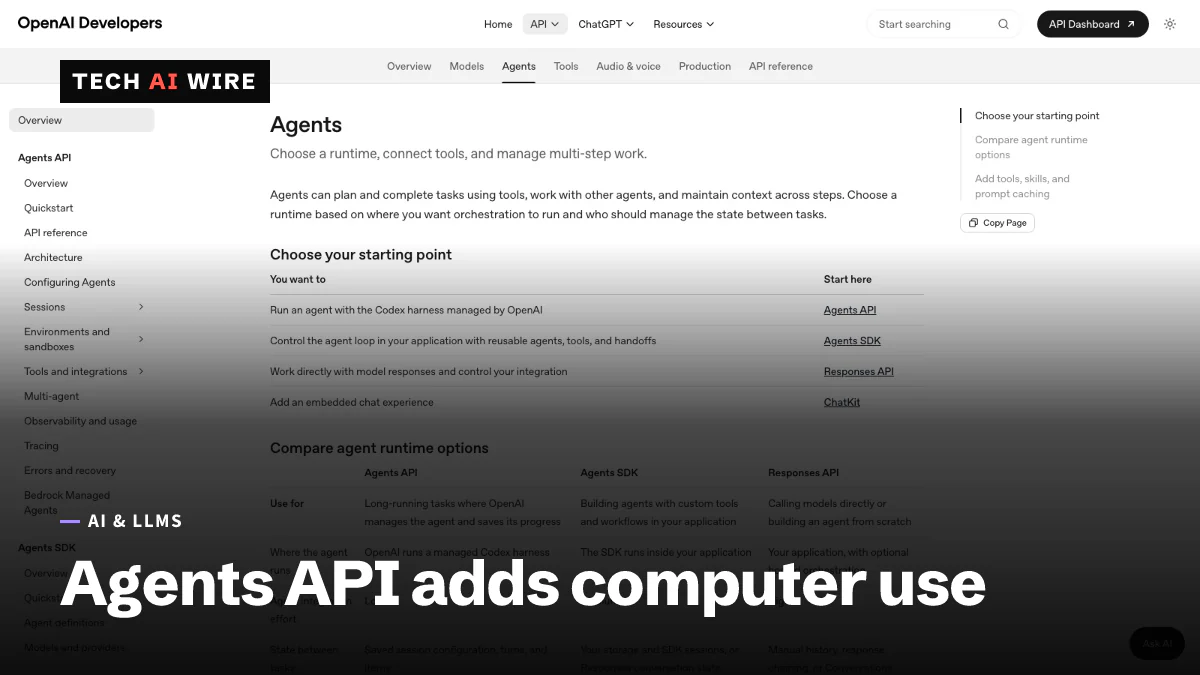
OpenAI's Agents API, in public beta since September 10, gained computer use at DevDay on September 29, 2026: agents can drive an OpenAI-hosted browser.
One email every Friday with the week's top stories from all six desks: AI, dev tools, coding, the tech industry, startups and what's next. Free, no spam.