Startup Watch
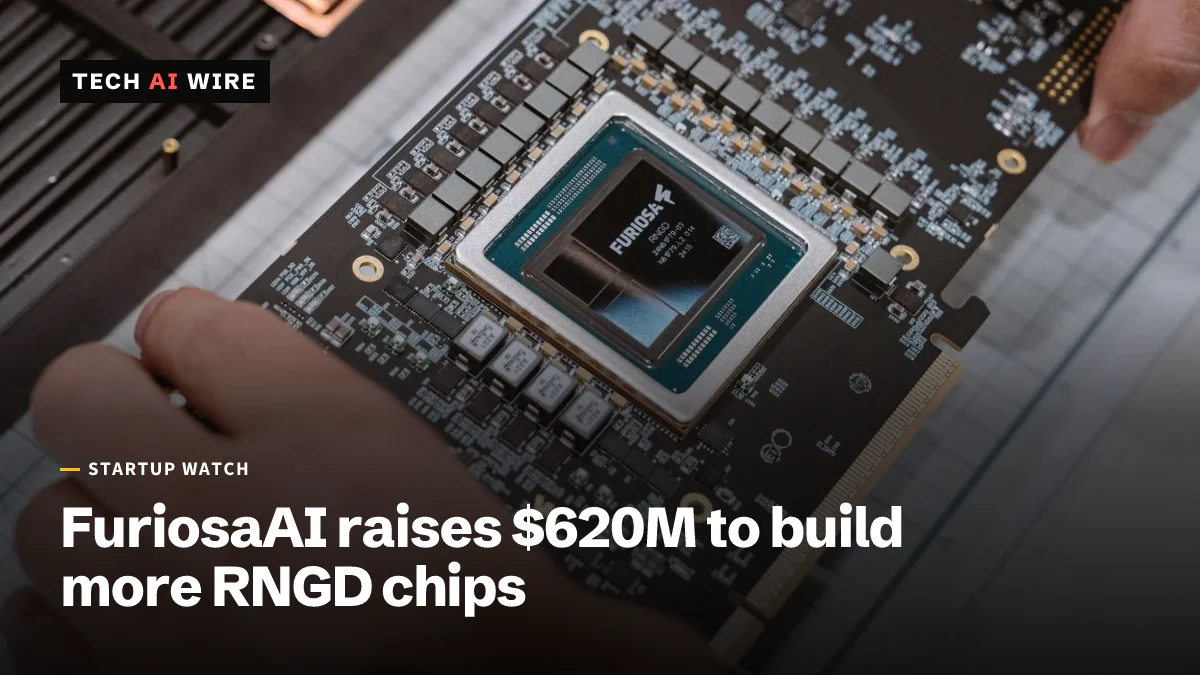
FuriosaAI raises $620M at $2.9B for its RNGD AI chip
Korean AI chip startup FuriosaAI raised $620 million at a $2.9 billion valuation, with $280 million from Korea's state-backed National Growth Fund.
Inference, meaning running a trained model to answer requests: chips built for that job, such as Nvidia's dedicated inference accelerator and OpenAI's own silicon, performance-per-watt claims, and API pricing for hosted models. Each story says whose numbers they are and what they leave out.
Korean AI chip startup FuriosaAI raised $620 million at a $2.9 billion valuation, with $280 million from Korea's state-backed National Growth Fund.
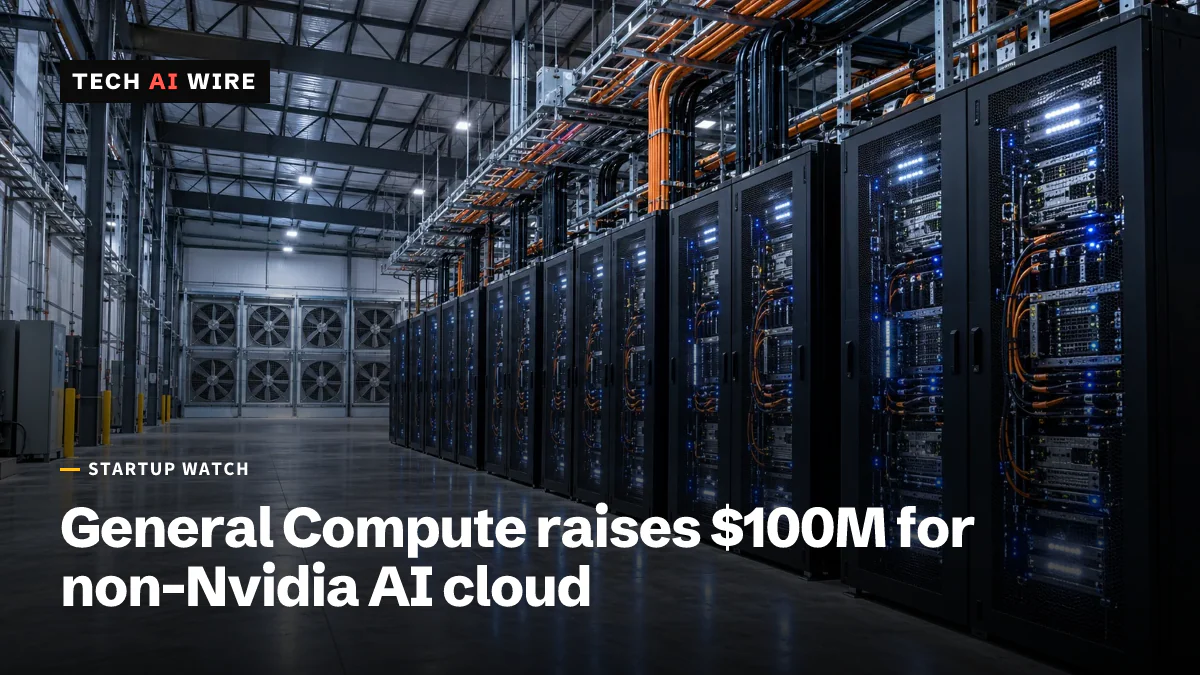
General Compute raised a $100 million Series A at an $800 million post-money valuation to run AI inference on chips from Nvidia's rivals.
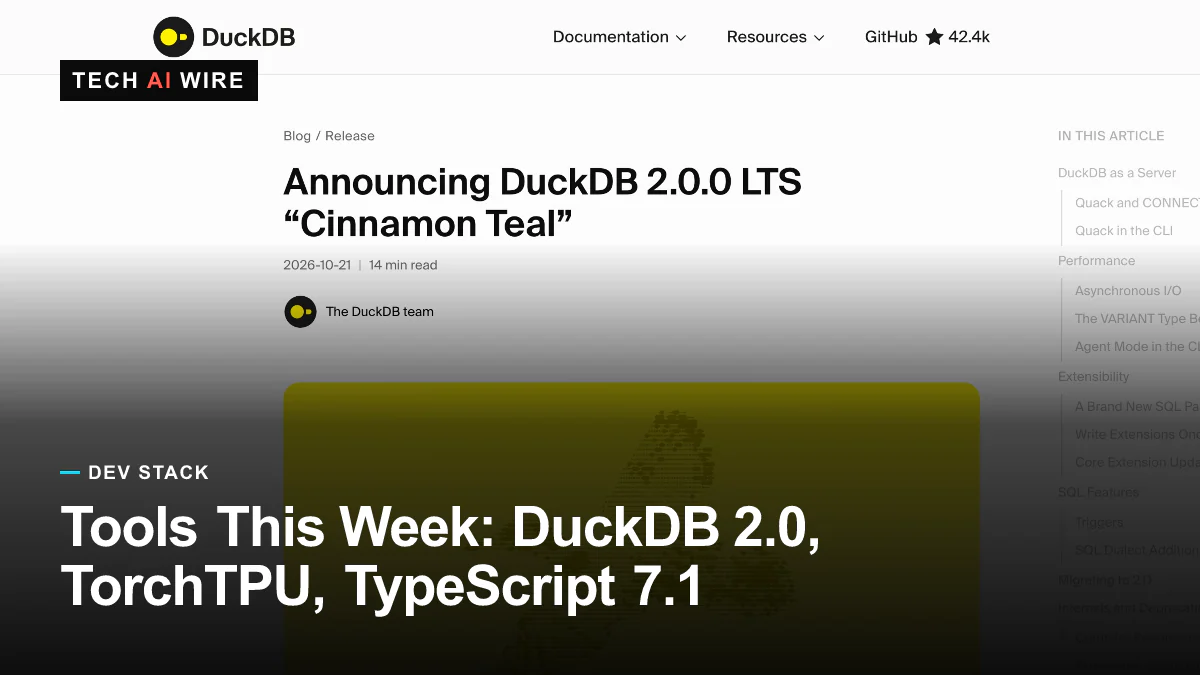
Six developer tools this week, led by DuckDB 2.0's long-term support release and TorchTPU, plus TypeScript 7.1 Beta, Perplexity SPACE and DeepInfer.

Railway disclosed on October 21, 2026 that an attacker may have accessed customers' encrypted environment variables and decrypted some. It asks every user to rotate their secrets.
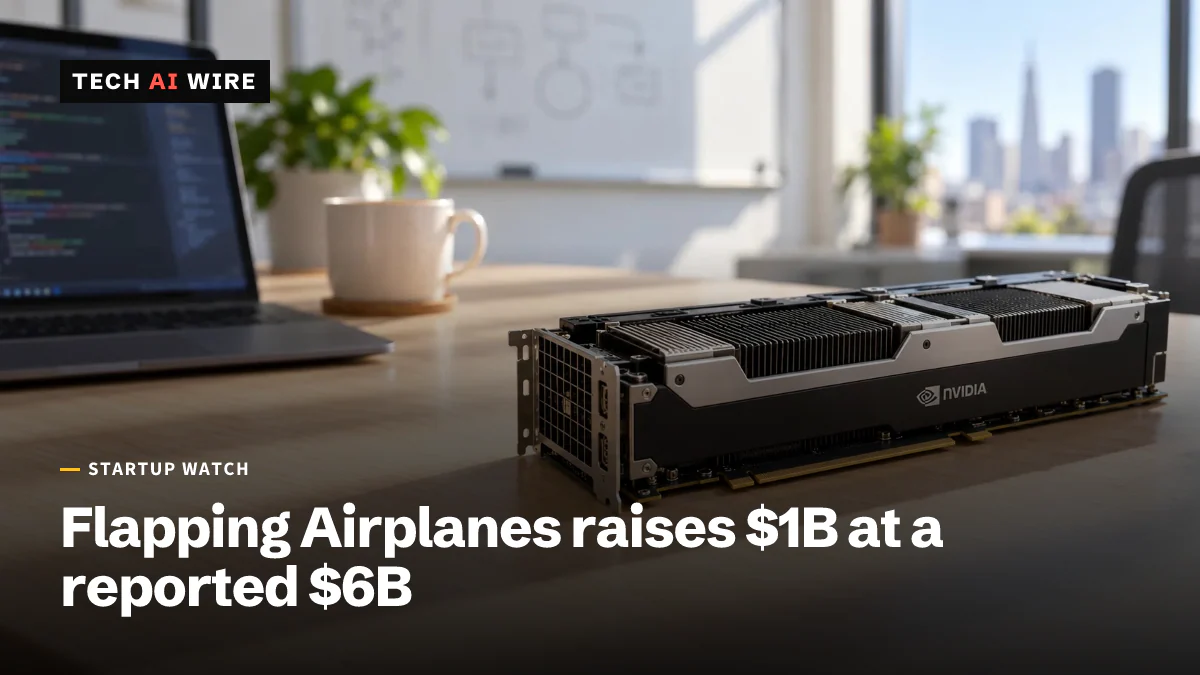
Year-old AI lab Flapping Airplanes raised a $1 billion Series A on October 21, 2026, led by Index and Lux. Bloomberg puts its valuation at $6 billion.

Inception's Mercury 3 diffusion LLM claims 1,068 tokens a second, a 1M-token context and $0.20/$0.70 per million tokens, half off at launch.
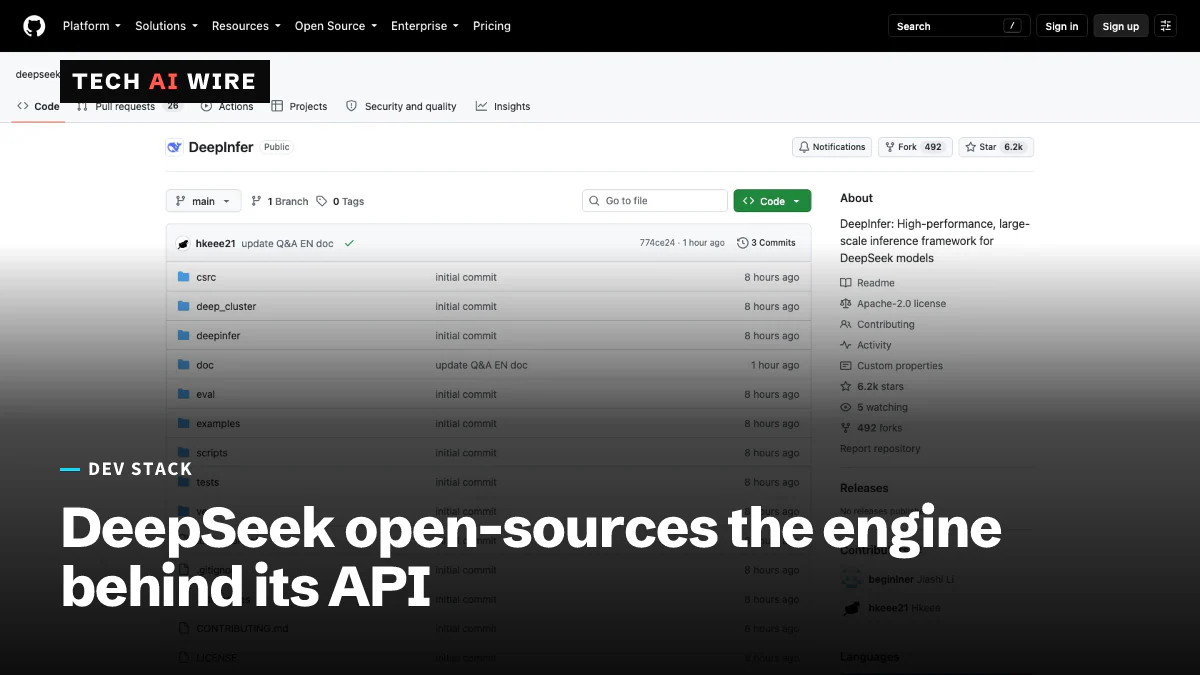
The engine behind DeepSeek's own API is now Apache 2.0 code. It runs V4.1-Flash on Nvidia SM100 GPUs and Huawei Ascend 950 chips, minus a KV cache layer.
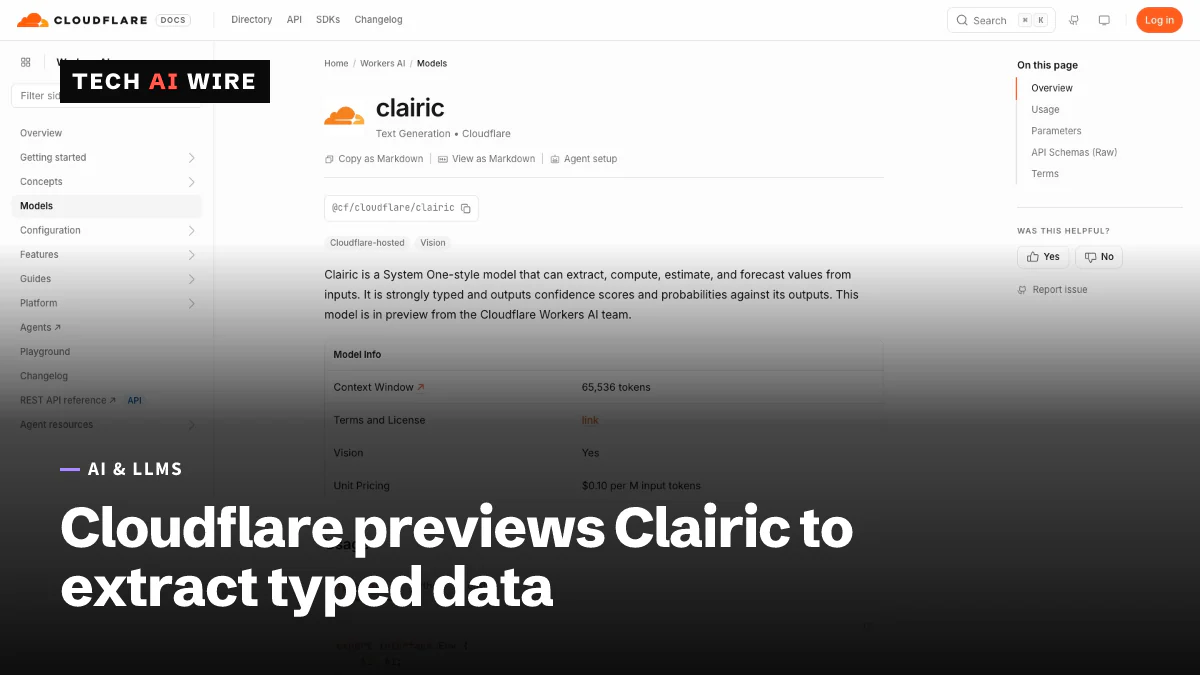
In Cloudflare's own claims test, a pipeline led by its new Clairic model ran in 19.3 seconds instead of 61.7 and cost 49% less than an LLM alone.
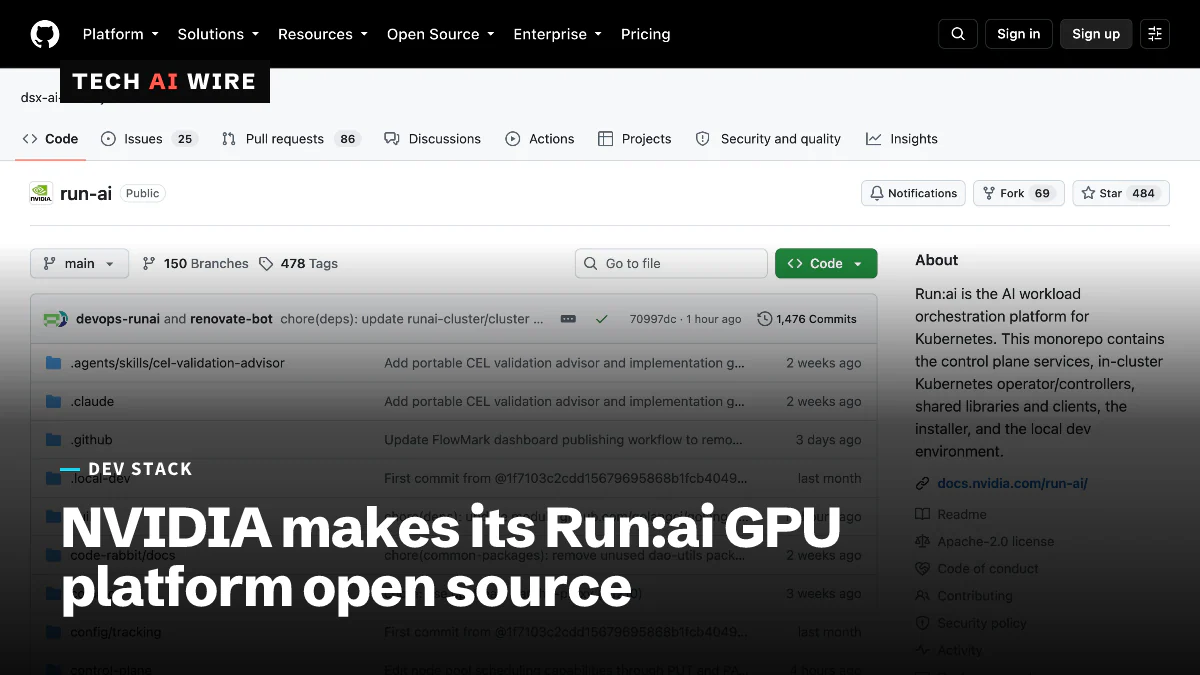
NVIDIA released the full Run:ai GPU orchestration platform as open source on October 13, split into four modules teams can adopt one at a time.
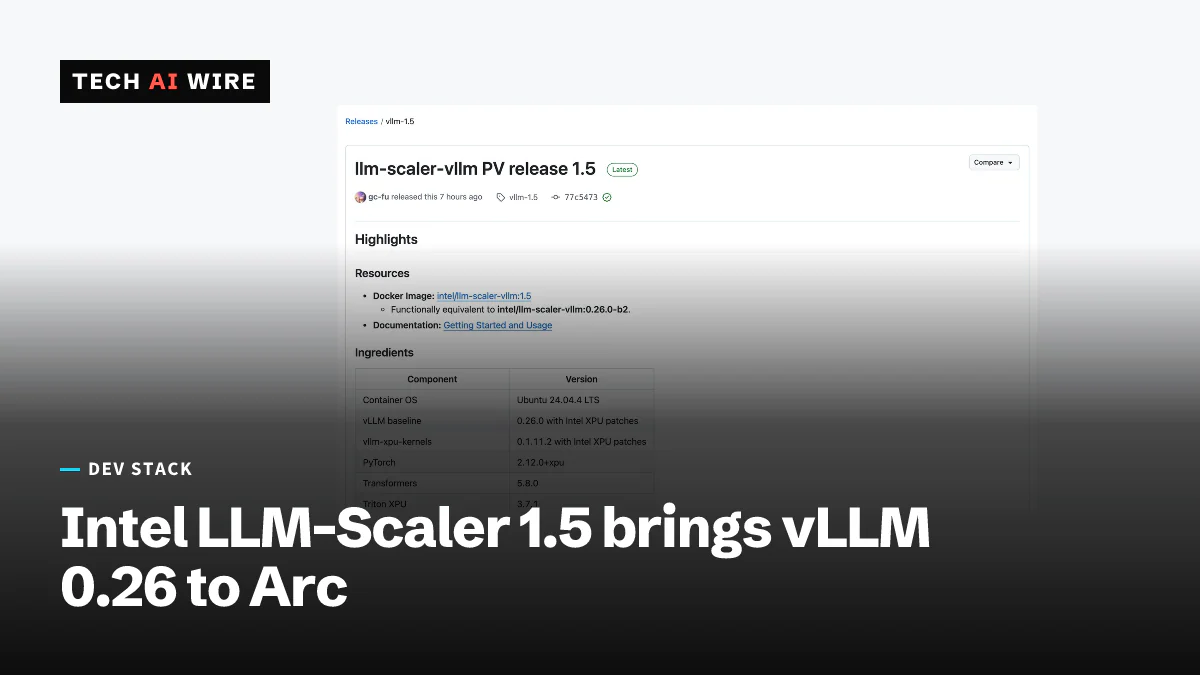
Intel's LLM-Scaler-vLLM 1.5 moves its Arc GPU Docker stack from vLLM 0.14 to 0.26 and adds Gemma 4 and Qwen3.8 models plus FP8 and INT4 options.

Prime Intellect bought Moondream, maker of small open vision models. Moondream Cloud shuts down on November 13, 2026, and its models stay open.
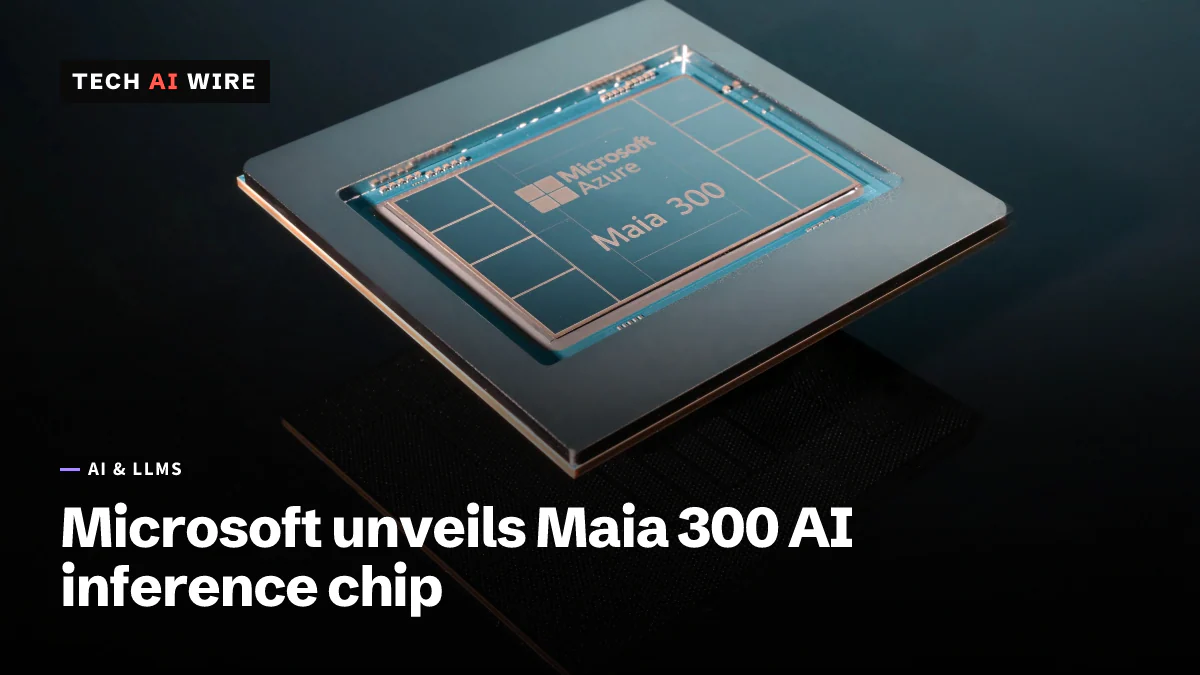
Microsoft unveiled Maia 300, its third-generation AI chip. It expects 40% more tokens per watt than leading GPU-based systems, with deployments in 2027.
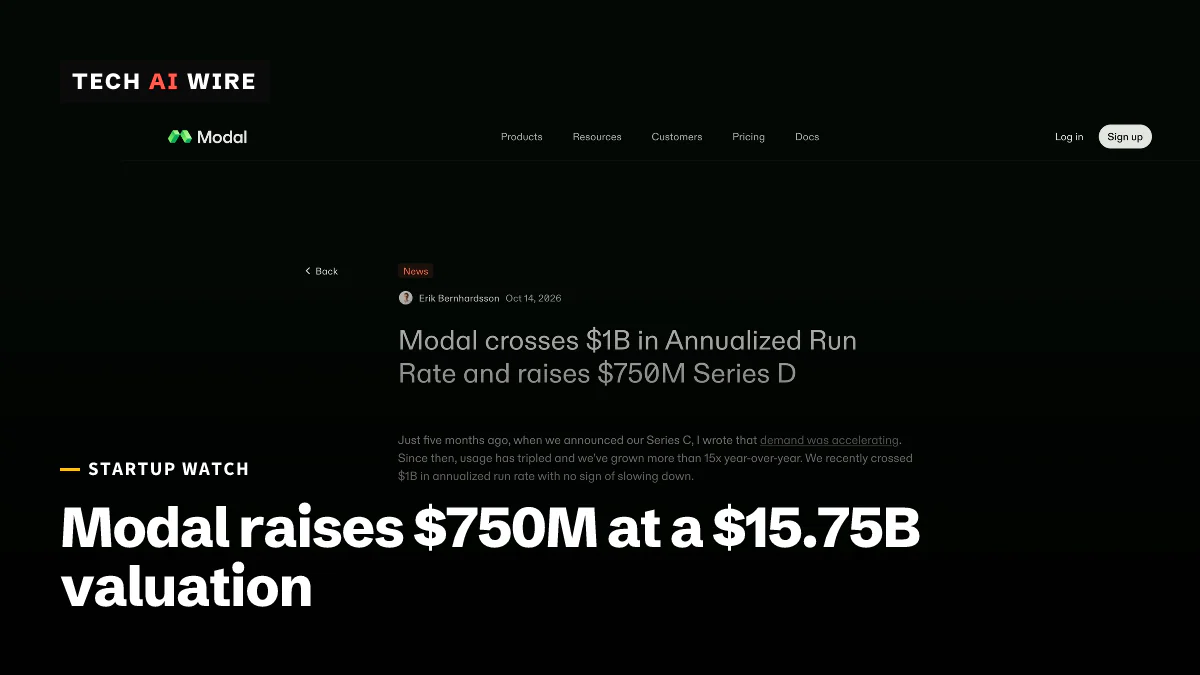
AI compute startup Modal raised a $750 million Series D led by Accel at a $15.75 billion valuation, after its annualized revenue run rate passed $1 billion.
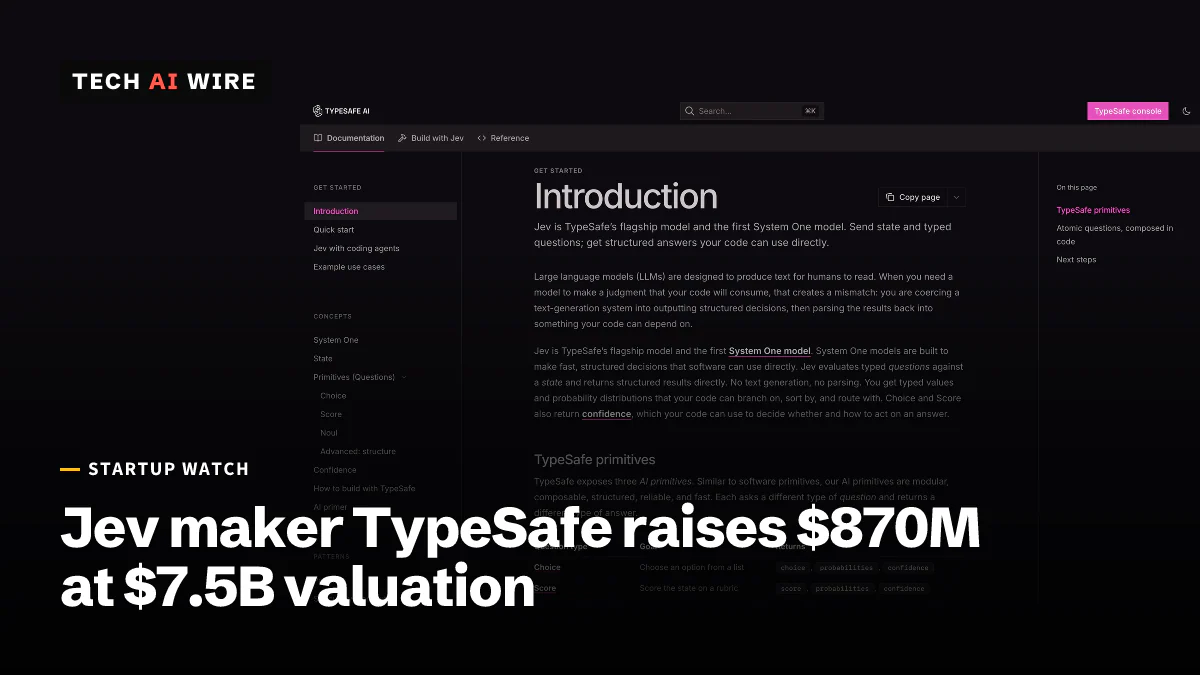
TypeSafe AI raised $870 million at a $7.5 billion valuation, led by Andreessen Horowitz, 24 days after its $40 million seed round and the Jev launch.
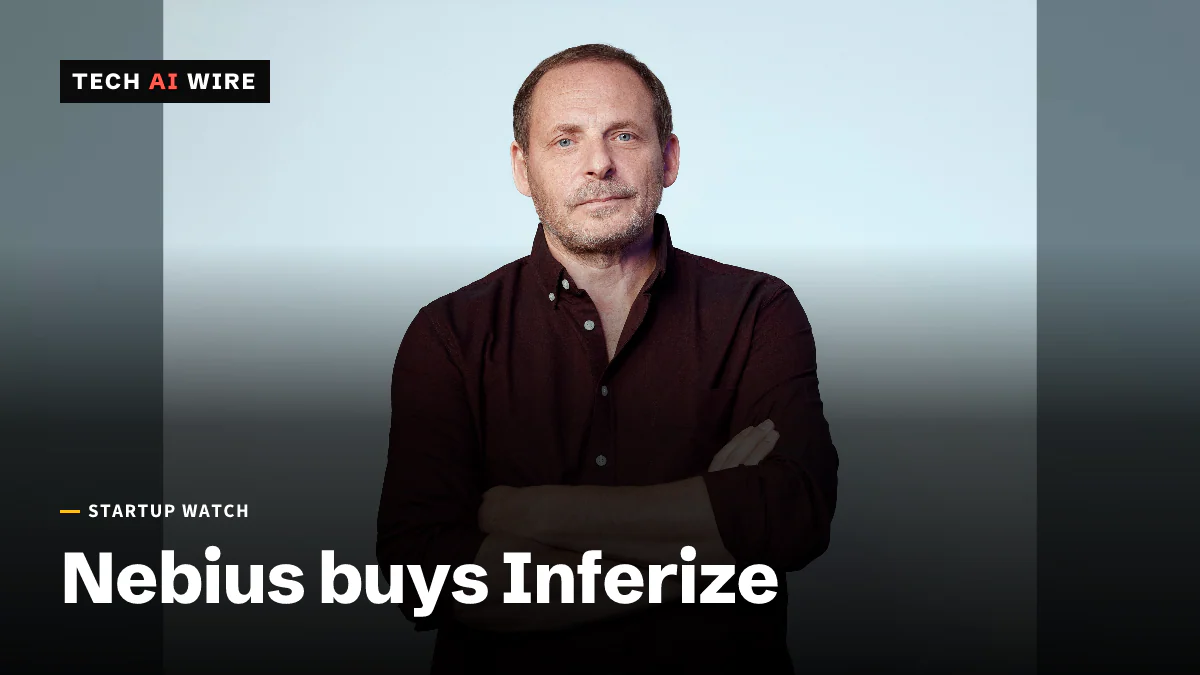
Nebius paid a reported $100-150 million for Inferize, a 17-person startup founded in January that cuts GPU idle time when AI models start up.

Sony's QSSR, built with AMD, brings PS5 Pro-style AI upscaling to the standard PS5. Marvel's Wolverine and Ghost of Yōtei added it on October 1.
A typed-decision model fills in fixed questions with typed answers and a confidence score. Laya's 421M open weights let you verify that yourself.
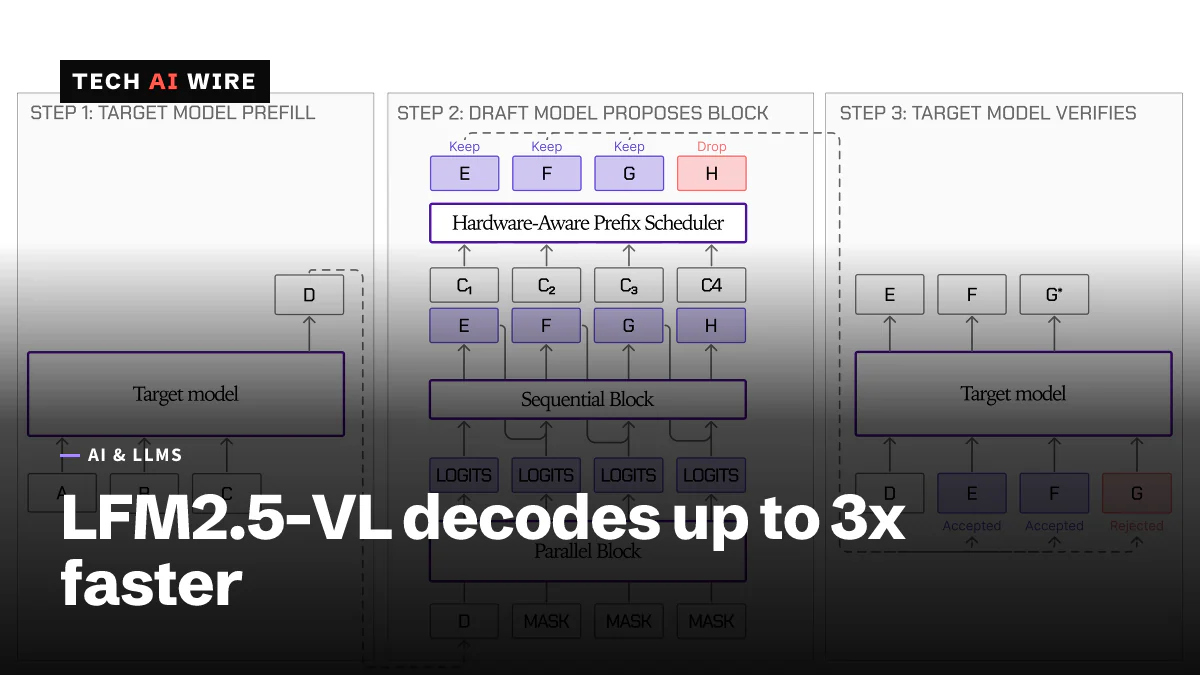
Liquid AI's 280M-parameter LFM2.5-VL-DSpark draft model decodes its 3B vision model up to 3.13x faster on an M5 Max, with identical output.
Laya returns typed decisions in 32.8 milliseconds from 421M parameters under Apache 2.0. Its zero-shot accuracy is close to chance.
Jev answers in 70 to 500 milliseconds and charges $0.042 per million input tokens, with output free. It cannot generate text at all.
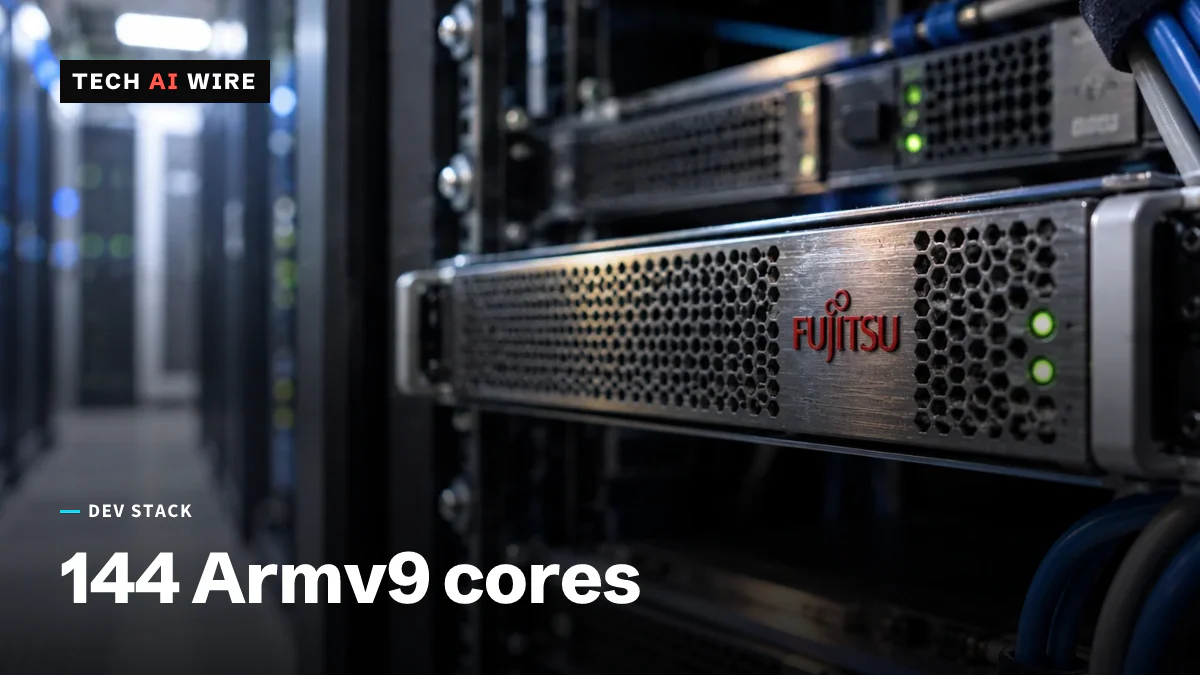
Fujitsu's 144-core MONAKA goes on sale in November, with 2nm cores stacked over 5nm cache and GCC 15 support already upstream.
Qwen3.5-9B runs full attention on only 8 of its 32 layers, so its KV cache costs 32KB per token. That ratio decides whether it fits in 8GB.
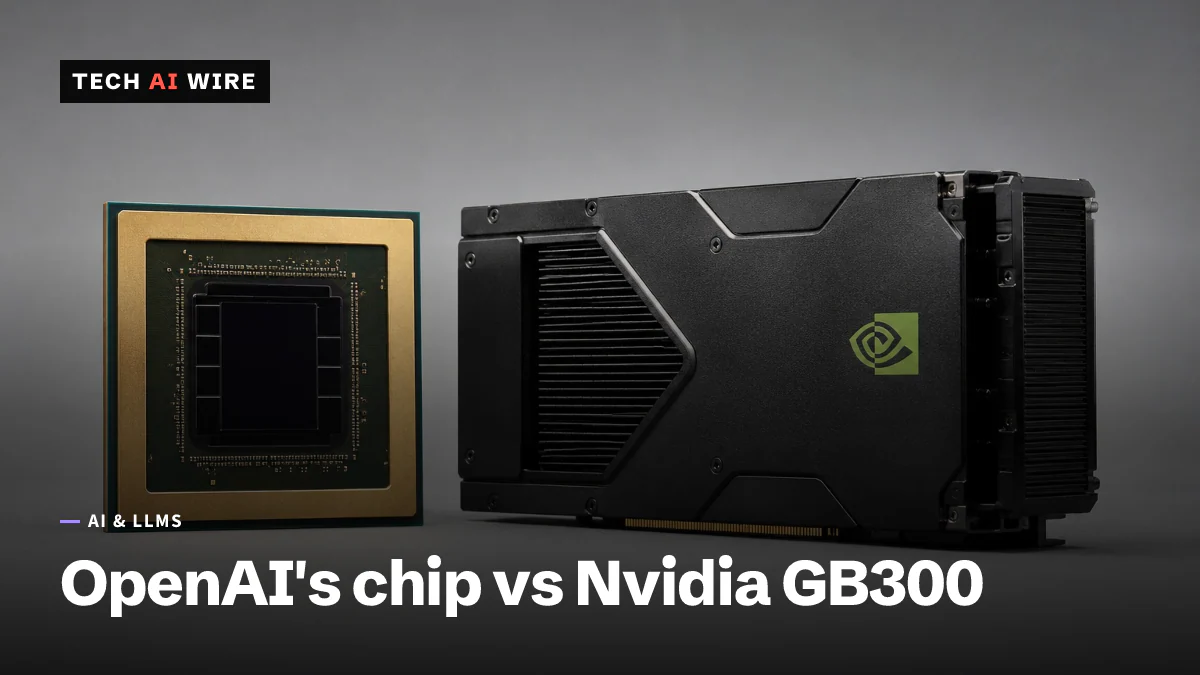
OpenAI's first published Jalapeño benchmarks claim 1.5 to 1.9 times more work per kilowatt than Nvidia's GB300, at half the power. The numbers are OpenAI's own.
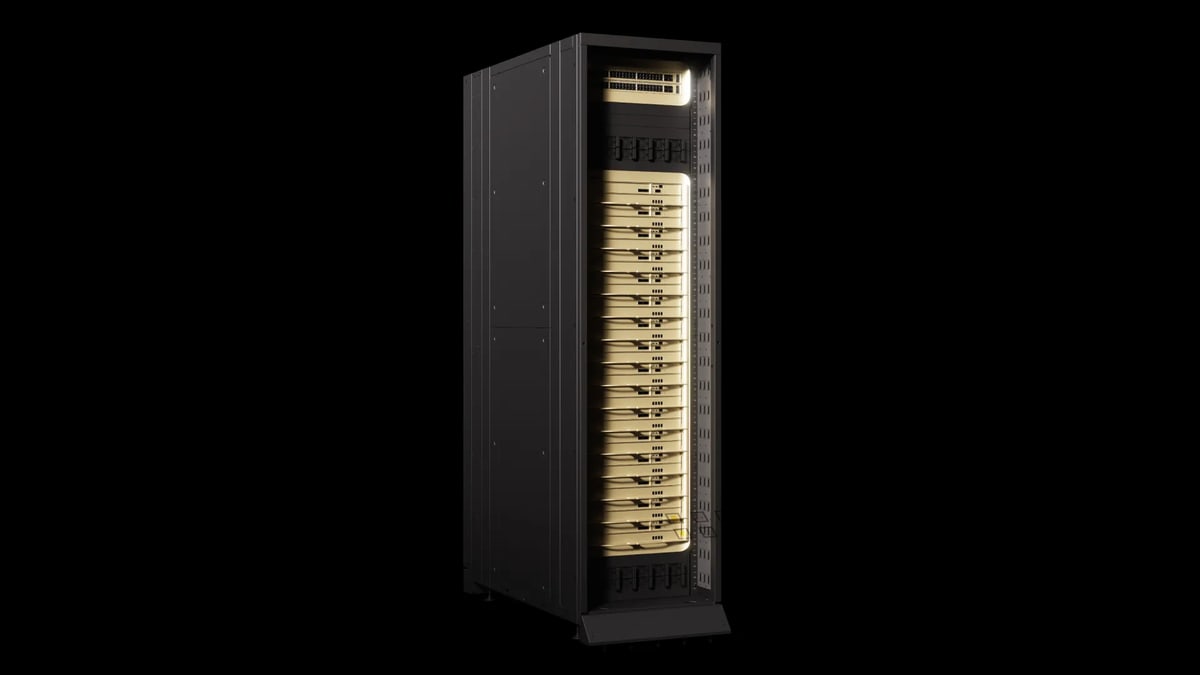
Nvidia put its dedicated inference accelerator into full production, splitting agent workloads so GPUs handle context and the new chips handle token generation.
One email every Friday with the week's top stories from all six desks: AI, dev tools, coding, the tech industry, startups and what's next. Free, no spam.