Modal raises $750M at $15.75B as its revenue run rate tops $1B
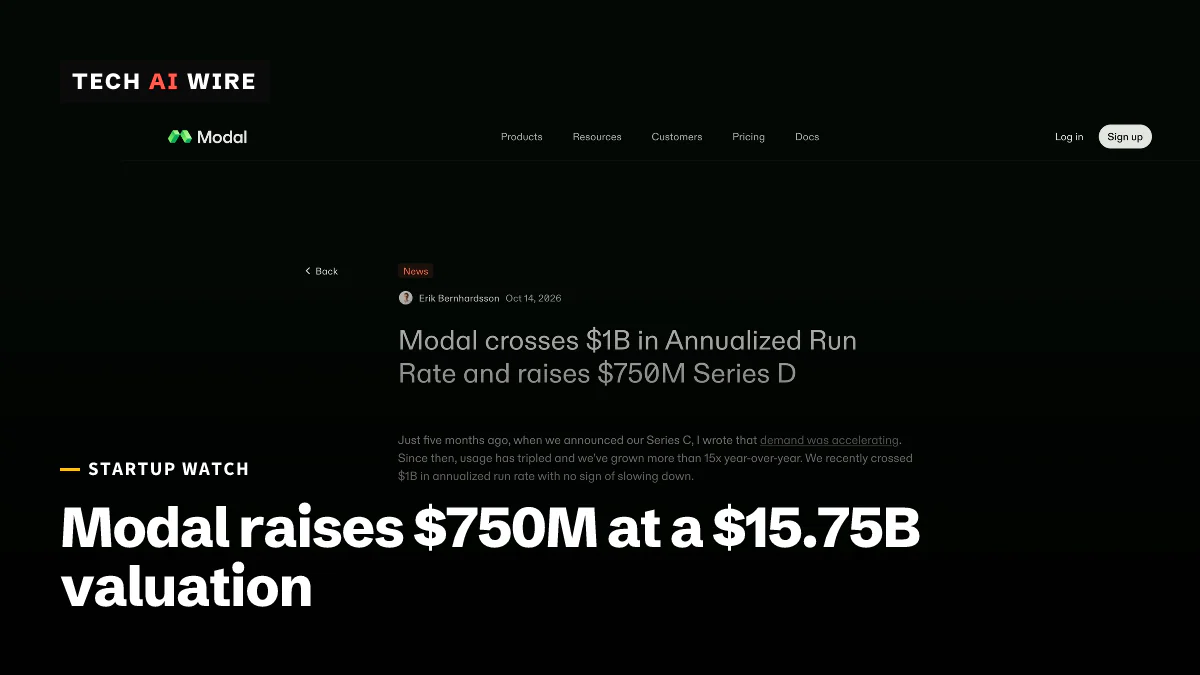
AI compute startup Modal raised a $750 million Series D led by Accel at a $15.75 billion valuation, after its annualized revenue run rate passed $1 billion.
2 min read
By the numbers
- Series D, led by Accel
- $750M
- post-money valuation
- $15.75B
- annualized revenue run rate
- $1B+
- employees across New York, San Francisco and Stockholm
- 200+
Modal, a startup that rents out computing power for AI work, has raised a $750 million Series D at a $15.75 billion valuation. The round, announced on October 14, 2026, was led by Accel, with Kleiner Perkins joining. Modal says its annualized revenue run rate has passed $1 billion. It shows how much money is flowing to the companies that sell the computing power behind AI apps.
The round
"We've raised a $750M Series D at a $15.75B post-money valuation," chief executive Erik Bernhardsson wrote in Modal's announcement. Post-money means the valuation includes the new cash.
All of Modal's existing investors took part, the post says. They include Menlo Ventures, General Catalyst, Redpoint, Lux Capital, Amplify Partners and Bain Capital Ventures.
SiliconANGLE reports that the valuation is more than triple what Modal was worth after its previous round in May. Modal will spend the money on product development, including services for reinforcement learning and post-training, the outlet says.
How fast it is growing
"We recently crossed $1B in annualized run rate with no sign of slowing down," Bernhardsson wrote. A run rate projects current revenue over a full year.
| Measure | Figure | Source |
|---|---|---|
| Annualized revenue run rate | More than $1 billion | Modal |
| Growth from a year earlier | More than 15 times | Modal |
| Usage since the Series C | Tripled | Modal |
| Sandboxes run rate | $300 million | Modal |
| Sandboxes started so far | Close to 3 billion | Modal |
| Employees | More than 200 | Modal |
What Modal sells
Modal sells three main products: inference, which runs trained AI models; sandboxes; and training. A sandbox is an isolated computer that an AI agent can use to run code safely. Modal says it can scale to a million sandboxes running at once. SiliconANGLE reports that sandboxes make up about a third of Modal's revenue.
Modal built its own file system, container runtime, scheduler and networking. It runs on a pool of capacity spread across more than 20 cloud providers. Developers rent what they need without managing servers.
Customers named by Modal include DoorDash, Cognition, Ramp, Linear, Runway and Suno. It also names TypeSafe AI, whose Jev model served 1 trillion tokens in its first three days. TypeSafe raised $870 million earlier this month.
The company started five years ago and has more than 200 staff in New York, San Francisco and Stockholm.
What this means for developers
For teams that build and run AI apps:
- Compute is the scarce part. Investors are paying a premium for companies that sell AI compute. Expect more choice in serverless GPU services, and more competition on price.
- Sandboxes are now a big business. A $300 million run rate for sandboxes alone shows how many AI agents now run code. Teams building agents should plan where that code runs and how it is isolated.
- Check portability. Modal runs on capacity from more than 20 clouds behind its own tools. Know how much of your setup depends on one provider's interface before you scale.
- Watch the post-training push. Modal plans services for reinforcement learning and post-training. Teams tuning their own models may get more managed options.
Sources
Related articles
Flapping Airplanes raises $1B to train AI on less data
Year-old AI lab Flapping Airplanes raised a $1 billion Series A on October 21, 2026, led by Index and Lux. Bloomberg puts its valuation at $6 billion.
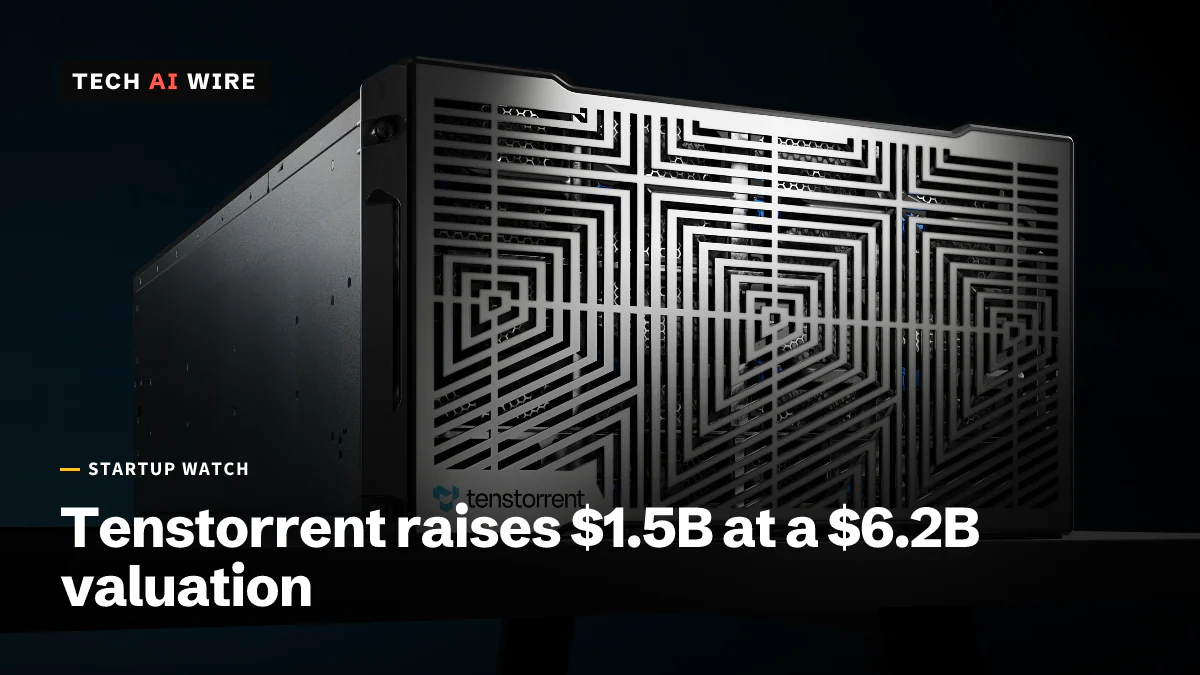
Tenstorrent raises $1.5B at $6.2B to scale Galaxy servers
Jim Keller's AI chip firm raised $1.5 billion at a $6.2 billion valuation, more than double 2024, to build Galaxy servers and license chip designs.
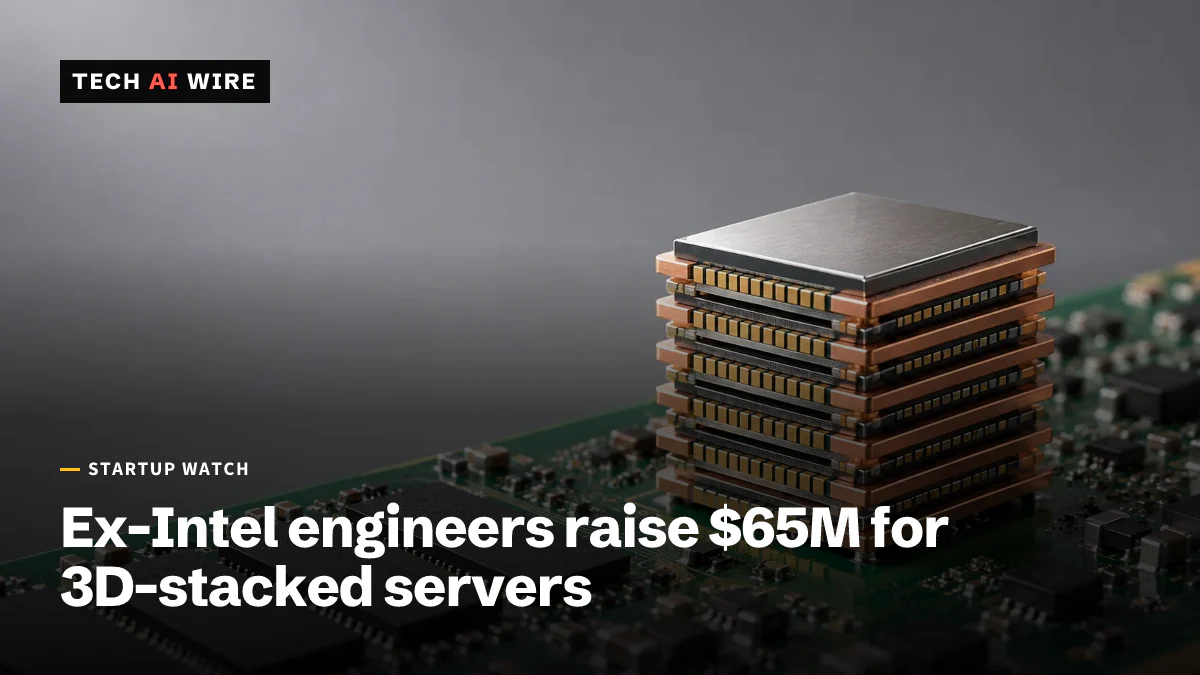
Mueon raises $65M to stack data center chips in 3D
Mueon, founded by former Intel engineers, raised a $65 million Series A led by Maverick Silicon to build Cubelets, stacked 3D compute and memory modules.
The weekly digest
One email every Friday with the week's top stories from all six desks: AI, dev tools, coding, the tech industry, startups and what's next. Free, no spam.