Tools This Week: October 23, 2026 - DuckDB 2.0, TorchTPU
Six developer tools this week, led by DuckDB 2.0's long-term support release and TorchTPU, plus TypeScript 7.1 Beta, Perplexity SPACE and DeepInfer.
4 min read
By the numbers
- tools in this week's list
- 6
- earliest end of DuckDB 2.0 LTS support
- Oct 2027
- largest check-time cut in TypeScript 7.1 Beta tests
- 46.6%
This week's Tools This Week list has six developer tools. DuckDB shipped 2.0, its first long-term support release, and Google and Meta released TorchTPU, a native PyTorch backend for Google's TPU chips. Microsoft put out the TypeScript 7.1 beta. Perplexity and DeepSeek both open-sourced infrastructure they run in production. Anthropic shipped new major versions of its Claude SDKs. This edition covers October 17 to Friday, October 23.
This week's tools at a glance
| Tool | What it does | Price |
|---|---|---|
| DuckDB 2.0 | In-process SQL database, now with a server mode | Pricing not stated |
| TypeScript 7.1 Beta | Faster type checking and a new programmatic API | Pricing not stated |
| TorchTPU | Runs PyTorch natively on Google TPUs | Open source; licence not named on the page |
| Perplexity SPACE | Sandbox that runs agent code in microVMs | Apache 2.0 |
| DeepInfer | DeepSeek's production inference framework | Apache 2.0 |
| Claude SDKs for API version 2026-10-21 | New major SDK versions for the Claude API | Apache 2.0 from these versions |
Databases and languages
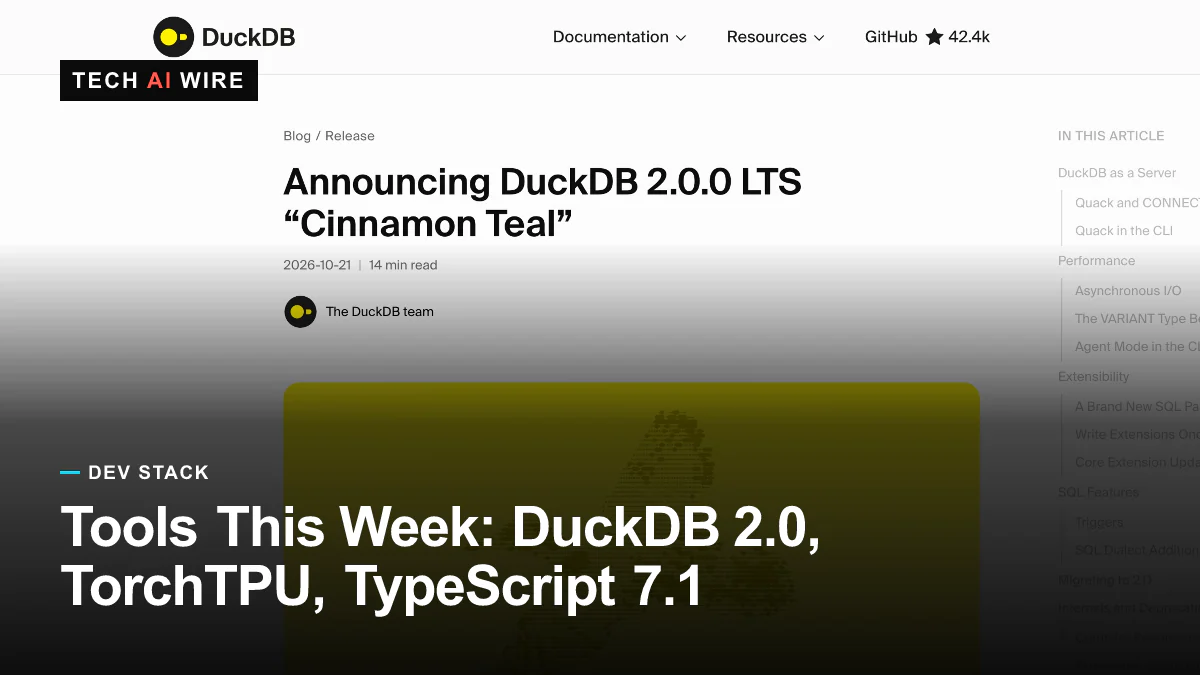
DuckDB is a SQL database built for analytics. Version 2.0.0, released October 21, is a long-term support release supported until at least October 2027. It adds a client-server mode, asynchronous I/O, triggers, wider support for semi-structured data and a new extensible SQL parser. A new agent mode in the command-line tool cut the output a model had to read by 59% in a TPC-H test, DuckDB says. Support for DuckDB 1.4 ends November 17, 2026, and 1.5 is supported until March 2027. Building from source now needs C++17. See our DuckDB 2.0 story.
TypeScript 7.1 Beta arrived on October 20. Install it with npm install -D typescript@beta. It adds a new programmatic API, a plugin point for file formats that embed TypeScript, and es2026 target and library options. Microsoft compared 7.1 Beta with 7.0 on five large codebases. Check times fell by 13.2% to 46.6%, and memory use by 15.8% to 49.6%. A release candidate is about a month away. Read our TypeScript 7.1 Beta story.
Running AI models
TorchTPU is an open-source project from Google and Meta that lets PyTorch run natively on Google TPUs, the chips Google designed for AI work. The PyTorch blog says moving code can be as simple as changing .to("cuda") to .to("tpu"). It supports eager and compiled modes and about 450 core PyTorch operations. It has been checked against the 5,000 most downloaded Hugging Face models and works with vLLM, SGLang, TorchTitan, Ray and TorchRec. More in our TorchTPU story.
DeepInfer is the inference framework that runs DeepSeek's production services, now released under the Apache 2.0 license. Inference is the work of running a trained model to answer requests. DeepInfer supports DeepSeek-V4.1-Flash on NVIDIA SM100 GPUs and Huawei Ascend 950 chips. It needs Python 3.12 and CUDA 13 on NVIDIA hardware. DeepSeek's own benchmarks use 4 GPUs for the prompt stage and 64 for generating output, so it targets large deployments. See our DeepInfer story.
Building AI agents
Perplexity's SPACE is short for Sandboxed Platform for Agentic Code Execution. It runs code inside isolated Firecracker microVMs, which are very small virtual machines. Each one keeps code walled off from the host. Apps control SPACE through an HTTP API that creates environments, runs commands and collects output. It is Apache 2.0 licensed and needs Python 3.11 or later. Read our SPACE story.
Anthropic released new major versions of its seven Claude SDKs and the ant command-line tool on October 21, including Python 2.0.0 and TypeScript 1.0.0. They send the new API version 2026-10-21, which removes the temperature, top_p and top_k settings. Any request that still sends one gets a 400 error. The new versions are licensed under Apache 2.0 instead of MIT. See our Claude API story.
What this means for developers
- Plan your DuckDB upgrade by date. DuckDB 1.4 support ends November 17, 2026. Teams on 1.4 should test 2.0 or move to 1.5 now.
- Time TypeScript 7.1 Beta on your own code. Microsoft's gains ranged from 13.2% to 46.6%. Run your type check on both versions and compare before the release candidate lands.
- Try TorchTPU on one model. If you pay for GPUs, a one-line device change makes a TPU price test cheap to run.
- Sandbox agent code before you trust it. SPACE is a free starting point for running AI-written code away from your own machines.
- Read DeepInfer even if you cannot run it. Its hardware needs are large, but its code shows how DeepSeek serves models at scale.
- Pin your Claude SDK version. The new majors break requests that set sampling options. Upgrade on purpose, with tests.
The previous edition is Tools This Week: October 16, 2026. The current list always lives on the Tools This Week page.
Sources
- Announcing DuckDB 2.0.0 - DuckDB
- Announcing TypeScript 7.1 Beta - Microsoft TypeScript Blog
- Introducing TorchTPU - PyTorch Blog
- perplexityai/SPACE - GitHub
- deepseek-ai/DeepInfer - GitHub
- Claude Platform release notes: API - Anthropic
Related articles
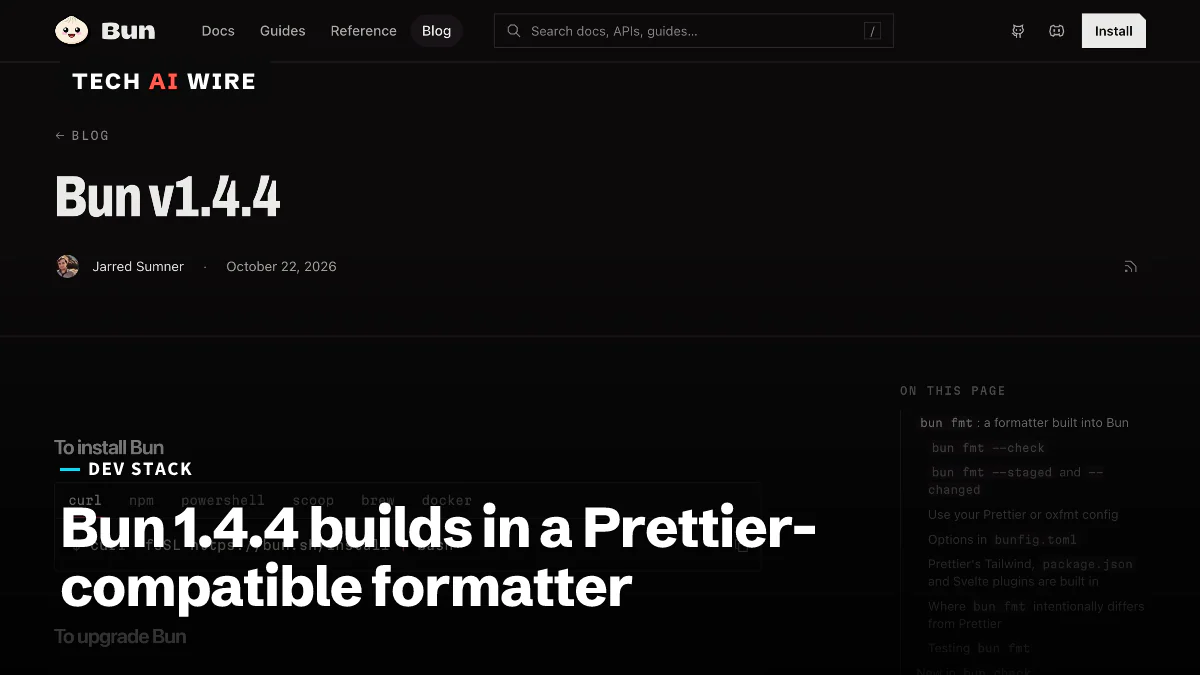
Bun 1.4.4 adds bun fmt, a Prettier-compatible formatter
Bun 1.4.4, released October 22, 2026, adds bun fmt, a Prettier-compatible formatter Bun says checks Prettier's own repo 286x faster than Prettier.
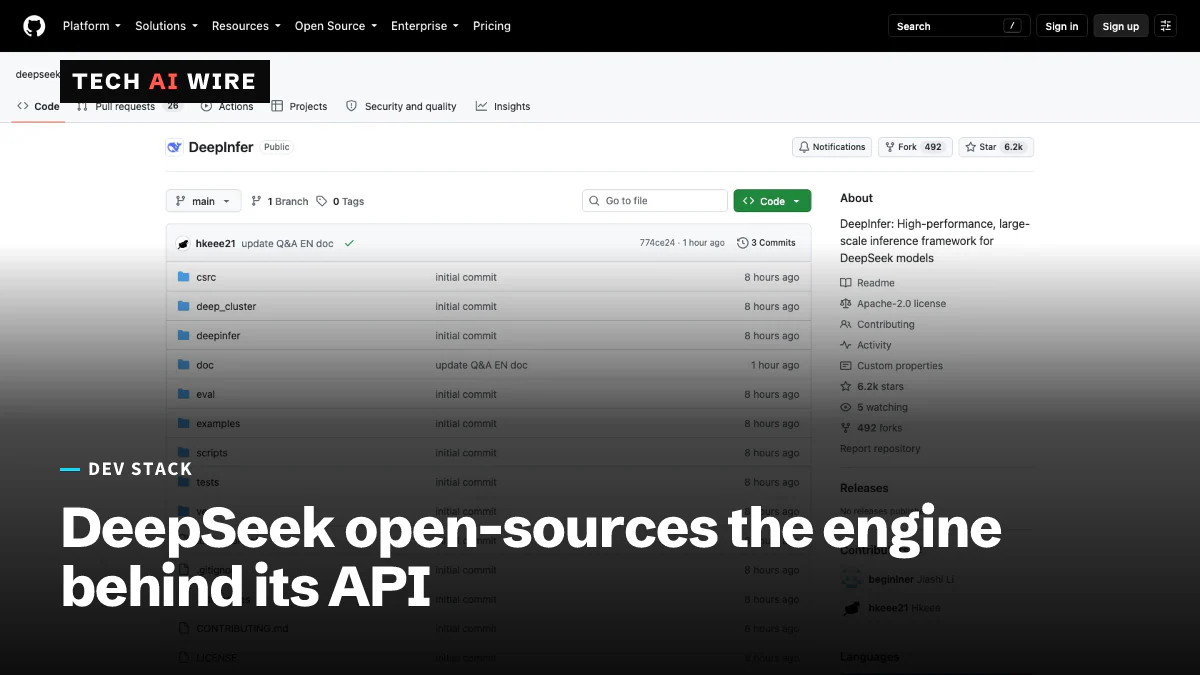
DeepSeek open-sources DeepInfer inference engine
The engine behind DeepSeek's own API is now Apache 2.0 code. It runs V4.1-Flash on Nvidia SM100 GPUs and Huawei Ascend 950 chips, minus a KV cache layer.
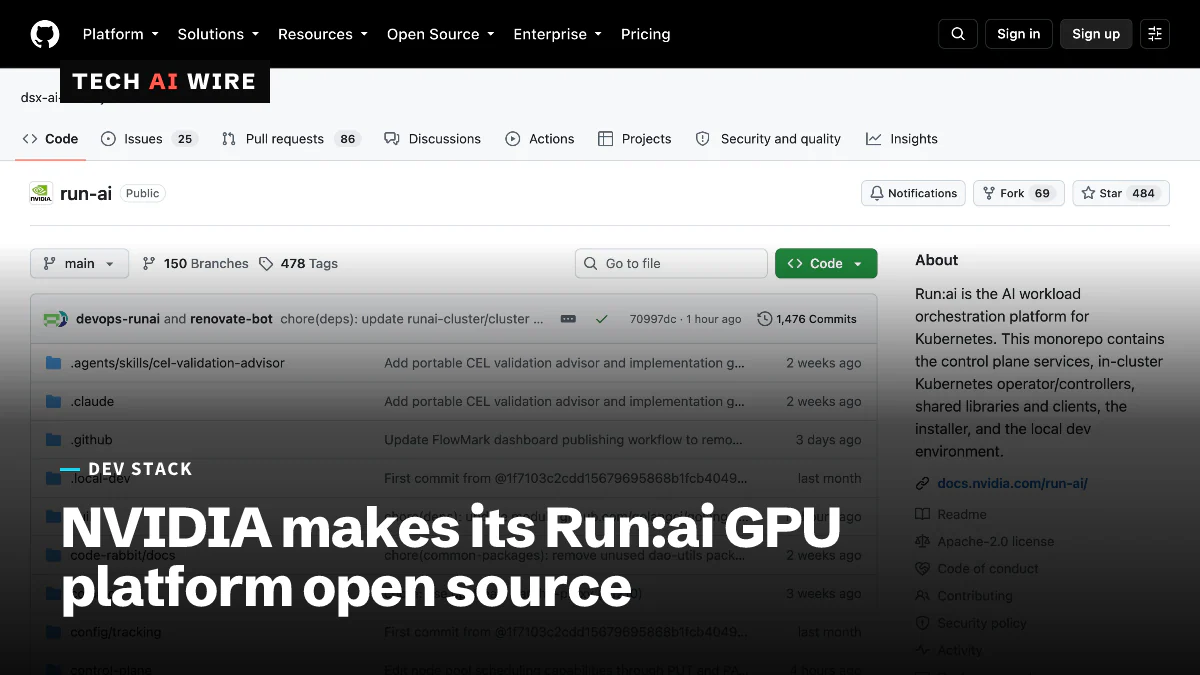
NVIDIA Run:ai goes open source, GPU sharing included
NVIDIA released the full Run:ai GPU orchestration platform as open source on October 13, split into four modules teams can adopt one at a time.
The weekly digest
One email every Friday with the week's top stories from all six desks: AI, dev tools, coding, the tech industry, startups and what's next. Free, no spam.