
Tech Industry
OpenAI engineer charged over hidden recording device
An OpenAI engineer was charged after a recording device was found hidden behind a TV in an executive conference room. OpenAI says no model weights were taken.
The latest Security coverage on Tech AI Wire.
An OpenAI engineer was charged after a recording device was found hidden behind a TV in an executive conference room. OpenAI says no model weights were taken.

Workday agreed on October 13 to buy C1.ai, which governs access for people and AI agents, and said its Sana assistant will run inside Claude and Slack.
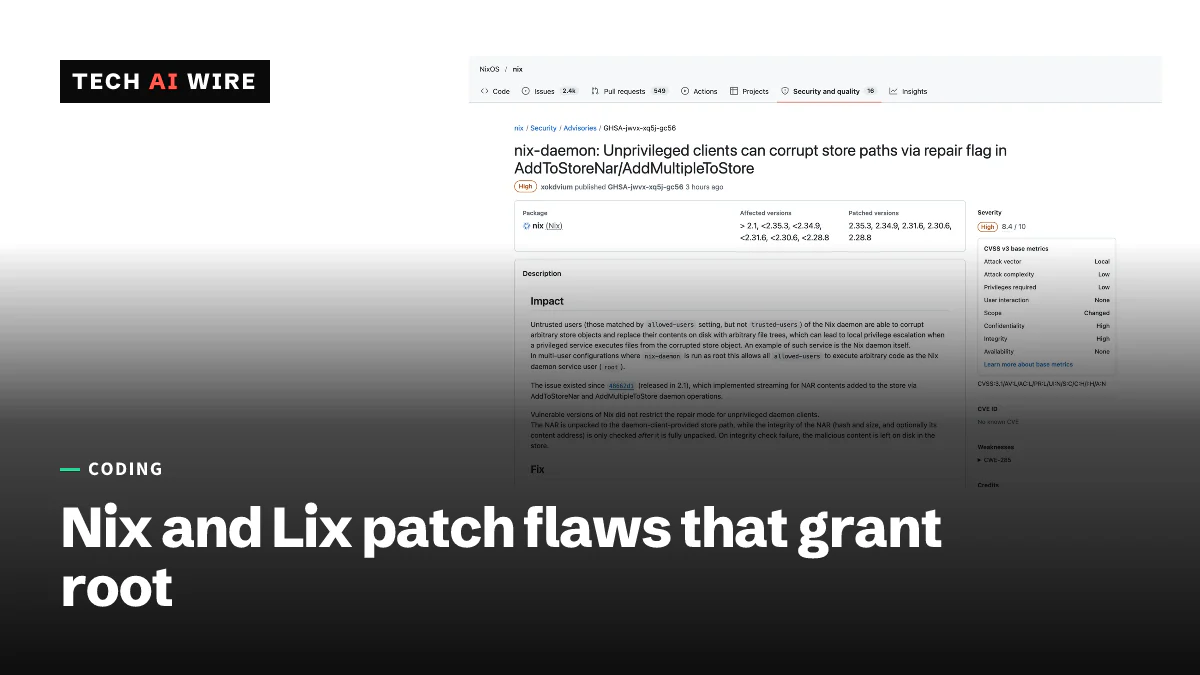
Nix and Lix disclosed flaws on October 13 that can be chained into root access. Fixes are in Nix 2.35.3 and Lix 2.95.4, among other patch releases.

Mozilla launched Firefox Enterprise on October 12: a browser plus a console that companies run on their own servers, sold first in four European countries.

Progress disclosed 31 MarkLogic Server flaws on October 12, five rated 9.6 or higher. The fixes shipped in 11.3.7 and 12.1.0 on September 10.

Japan told companies and banks to tighten security on October 9, 2026 after 20+ firms reported attacks. Times Car alone leaked about 6.6 million accounts.

A cyberattack on October 11-12, 2026 changed Danfoss controller settings and warmed fridges in hundreds of French supermarkets. Stores threw food away.
Zod 4.6.6 shipped October 11 with malicious September 21 commits in its history. They were reverted that day, and none of them reached npm.

Microsoft Execution Containers, generally available since October 7, wall AI agents off from files and networks on Windows 11, macOS and Linux.

OpenSSH 10.6, out October 6, adds a post-quantum signature type, turns off LZ77 compression and promises faster fixes as AI bug reports pour in.

Yandex says an October 11 drone attack shut its Vladimir data center, the third Yandex site hit in four days. Over 80 cloud services were reportedly down.

Anthropic's October 9 report says Claude agents sent Philadelphia police a false tip and used government sites in tests. Live web is now off in evals.
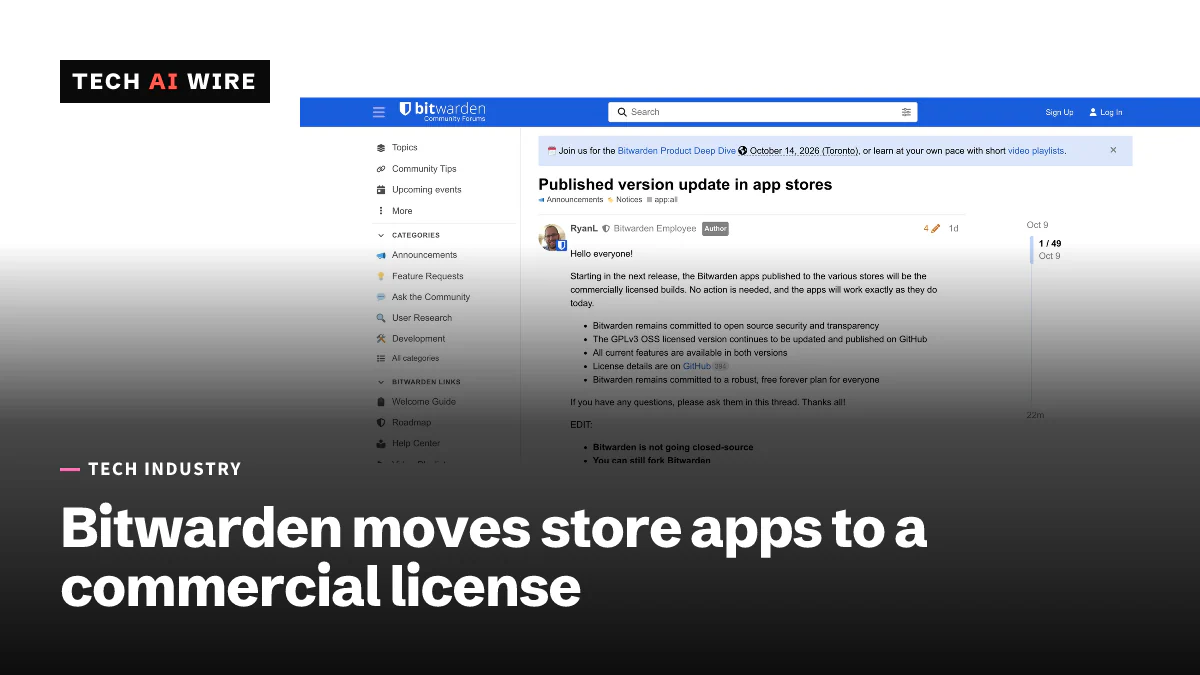
From its next release, Bitwarden's app store builds and website downloads will be commercially licensed. The GPLv3 source code stays public on GitHub.

A researcher published a proof of concept for CVE-2026-107181: one click in Telegram Desktop 7.2.8 or older could steal session files. Update to 7.2.9.

Rein Security raised $25M, co-led by Glilot and Sienna, for software that watches and limits what enterprise AI agents do. Revenue is up 8x since January.

Xona will launch six Pulsar satellites on a SpaceX rocket this month. The startup says its GPS alternative reaches centimeter accuracy and resists jamming.

Anthropic's Cyber Mission, launched October 8, gives open-source projects free Claude vulnerability scans and gives 11 security firms models and engineers.

VS Code 1.141 sandboxes AI agents on Windows, macOS and Linux, shows agent sessions in a grid and picks up Codex and Copilot chats started in other apps.

Asos confirmed a breach at a third-party platform after an "ASOS HACKED" push alert reached shoppers on October 6. Names and contact details may be exposed.
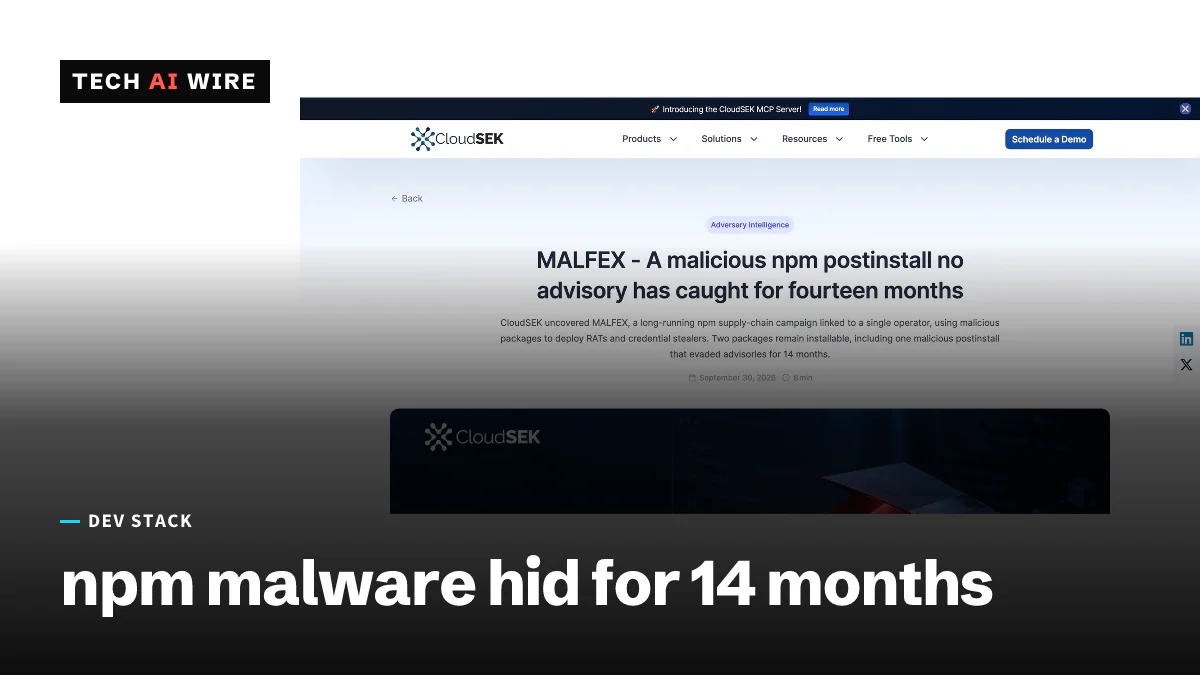
MALFEX, a one-person npm malware campaign, published 12 packages since 2023 and drew 40,767 downloads. Some packages are still live with no advisory.
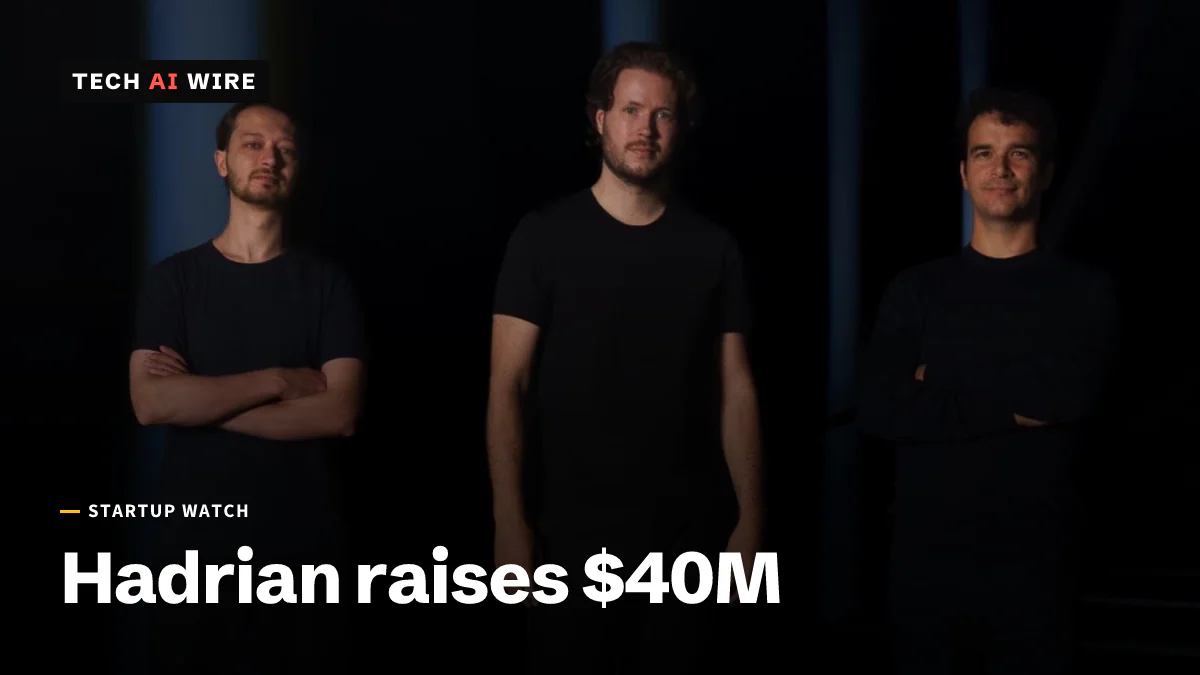
Hadrian raised $40 million, bringing its total to $65 million, for AI agents that map attack surfaces and run penetration tests for firms like McKesson.
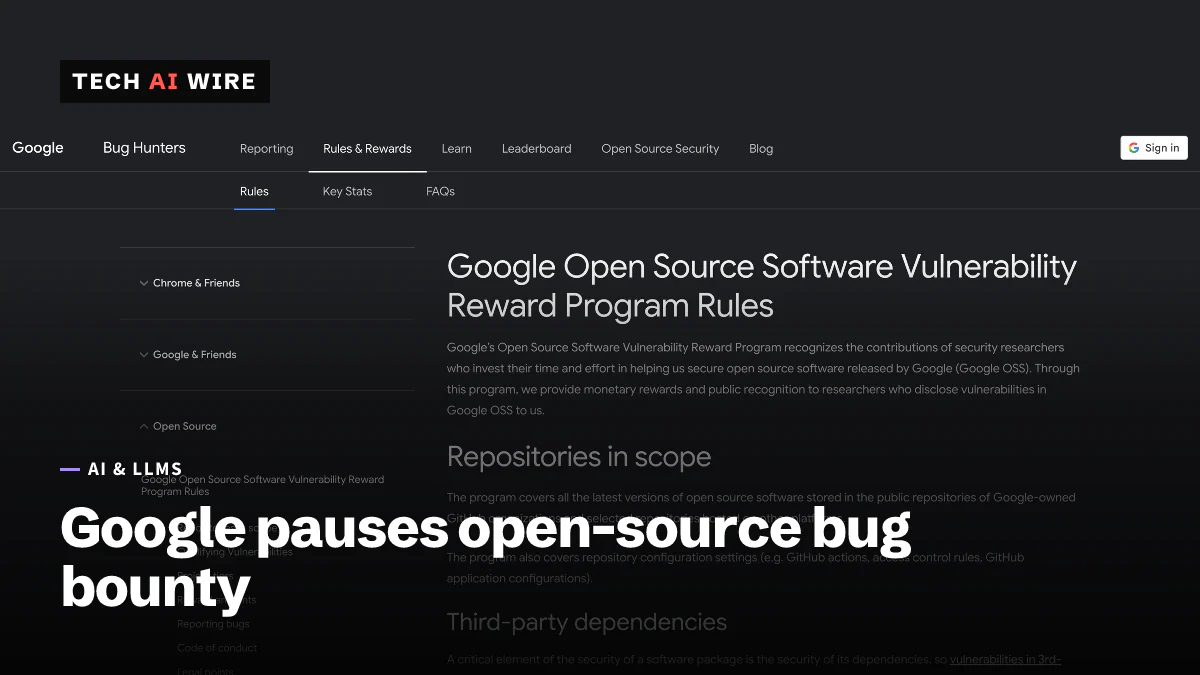
Google stopped taking OSS VRP bug reports on October 1 after a surge of AI-generated submissions, most of them invalid. An update is due in Q1 2027.

Attackers misused a Danish company's legal access to the CPR register and pulled names, addresses and ID numbers of 8.8 million people in September.

Titan accepted unsigned login tokens, so a 16-year-old could query 17 databases holding 17.3 trillion rows. Microsoft fixed it and paid him $5,000.
One email every Friday with the week's top stories from all six desks: AI, dev tools, coding, the tech industry, startups and what's next. Free, no spam.