Microsoft's October Patch Tuesday fixes a record 1,400+ flaws
Microsoft's October 2026 updates fix more than 1,400 flaws, a record. One Windows Shell bug is already exploited, and two more were public before the fix.
4 min read
By the numbers
- flaws fixed; counts range from 1,411 to 1,415
- 1,400+
- flaw already exploited in attacks
- 1
- rated Critical, per BleepingComputer and CrowdStrike
- 70-75
- elevation of privilege bugs, the largest group
- 677
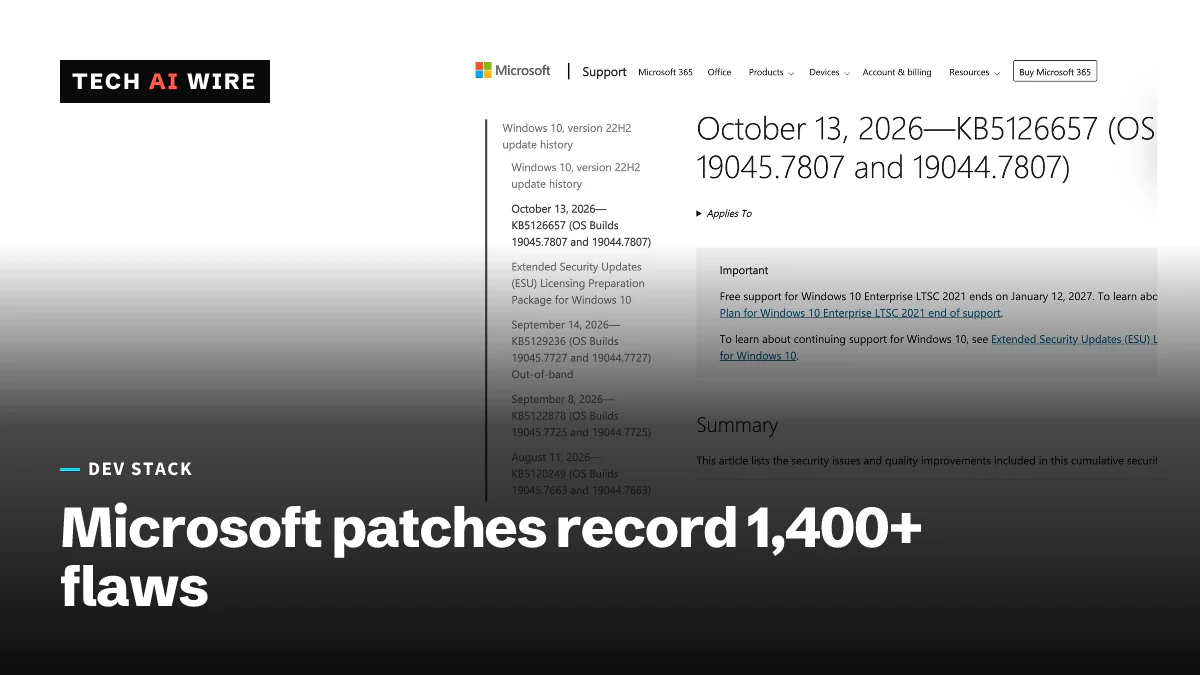
Microsoft released its October 2026 security updates on October 13, fixing more than 1,400 vulnerabilities. That is a record for a single Patch Tuesday, the monthly day Microsoft ships its fixes. One Windows Shell flaw, tracked as CVE-2026-96951, is already being used in attacks. For developers, the list also includes critical bugs in PowerShell, OpenSSH for Windows and Visual Studio Code.
How many flaws, exactly
The trackers that count each release do not agree on the total. The gap comes from how each one draws the line around the release.
| Source | Count | Note |
|---|---|---|
| BleepingComputer | 1,411 | Leaves out 348 flaws fixed earlier in October |
| CrowdStrike | 1,413 | 75 rated Critical |
| Tenable | 1,413 | Counts Microsoft's own products; 1,102 in Windows |
| Zero Day Initiative | 1,415 | Calls it the first four-digit month |
BleepingComputer counts 70 Critical flaws. By type, both it and CrowdStrike list 677 elevation of privilege bugs, which let an attacker gain more rights on a machine. They also list 317 remote code execution bugs, which let an attacker run their own code.
Why so many? BleepingComputer says Microsoft keeps using AI platforms to find and fix vulnerabilities. Dustin Childs of the Zero Day Initiative says AI is speeding up bug discovery for defenders and attackers alike. "Another month of patches equals another new record for Microsoft patches," he wrote.
Microsoft also sorted the flaws into 15 "risk cohorts." It says the groups do not show which flaws are most dangerous.
The flaw attackers are already using
CVE-2026-96951 is a security feature bypass in Windows Shell. It defeats Mark of the Web, the tag Windows adds to files downloaded from the internet. That tag is what triggers warnings before a downloaded file opens.
Microsoft describes the bug as command injection, and it confirms the flaw is being exploited. The Zero Day Initiative and CrowdStrike rate it 8.8 out of 10. None of the reports says who is using it.
Tenable notes that Windows Server 2012 R2 gets a fix, but Windows Server 2012 does not.
Two flaws made public before the fix
Two other bugs were publicly disclosed before Microsoft shipped a patch:
- CVE-2026-108398, .NET Framework, rated 8.8. It lets an attacker who is already logged in get around App Control for Windows, which limits what code may run. Microsoft says the attacker plants a crafted .NET assembly and registers it to load in a protected process.
- CVE-2026-92707, MessagePack-CSharp, rated 5.3. This is a denial-of-service bug in a third-party library that packs data into a compact binary format. A third party released it, and Microsoft included it in its update.
Critical bugs developers should note
Several critical flaws sit in tools developers run every day:
| Flaw | Component | Severity score |
|---|---|---|
| CVE-2026-83578 | PowerShell, remote code execution | 9.8 |
| CVE-2026-97816 | OpenSSH for Windows, remote code execution | 9.8 |
| CVE-2026-102238 | Visual Studio Code, remote code execution | 9.6 |
| CVE-2026-100219, CVE-2026-105016 | QUIC network protocol, remote code execution | 9.8 |
| CVE-2026-70571 | Exchange Server, remote code execution | 8.1 |
The Zero Day Initiative calls the Exchange bug wormable, meaning it could spread from machine to machine without help. Microsoft's own rating, cited by Tenable, is "Exploitation More Likely." Tenable also flags five Outlook bugs that can be triggered through the preview pane.
Versions that stop getting updates
This release is the last one for some older software, according to BleepingComputer and Tenable:
- Windows 11 24H2 Home and Pro reach the end of servicing. We covered the move to 26H2 earlier this month.
- Windows 10 Enterprise LTSB 2016 gets its final update.
- Windows Server 2012 and 2012 R2 end year three of paid Extended Security Updates on October 14, per Tenable.
- Office 2021 retires on October 14, and Exchange Server 2016 and 2019 move to "no ESU" status from October 15.
What this means for developers
- Patch developer machines first. PowerShell, OpenSSH and VS Code all have critical fixes. Build servers and laptops that run them are high-value targets.
- Update MessagePack-CSharp. Check your NuGet dependencies for MessagePack, and move to the fixed release named in the advisory.
- Be careful with downloaded files until patched. The exploited flaw switches off the warning that normally protects you from them.
- Move off Windows 11 24H2 Home and Pro. Those editions get no more fixes after this month.
- Plan for bigger patch months. Tenable's Adam Barnett expects volumes to keep rising. Automate how you sort and test updates rather than reviewing each one by hand.
Sources
- Microsoft October 2026 Patch Tuesday fixes 1,411 flaws, 3 zero-days - BleepingComputer
- The October 2026 Security Update Review - Zero Day Initiative
- Patch Tuesday - October 2026 - Tenable
- October 2026 Patch Tuesday: 1,413 CVEs Include Three Zero-Days and 75 Critical Vulnerabilities - CrowdStrike
Related articles
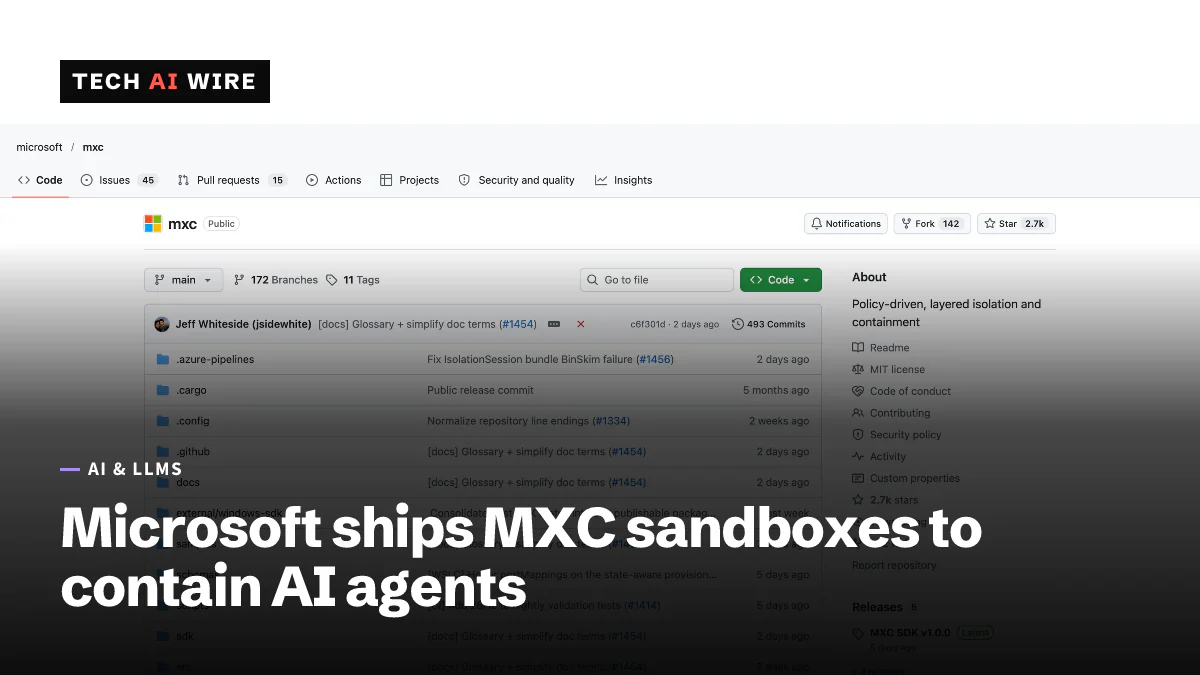
Microsoft Execution Containers for AI agents reach GA
Microsoft Execution Containers, generally available since October 7, wall AI agents off from files and networks on Windows 11, macOS and Linux.
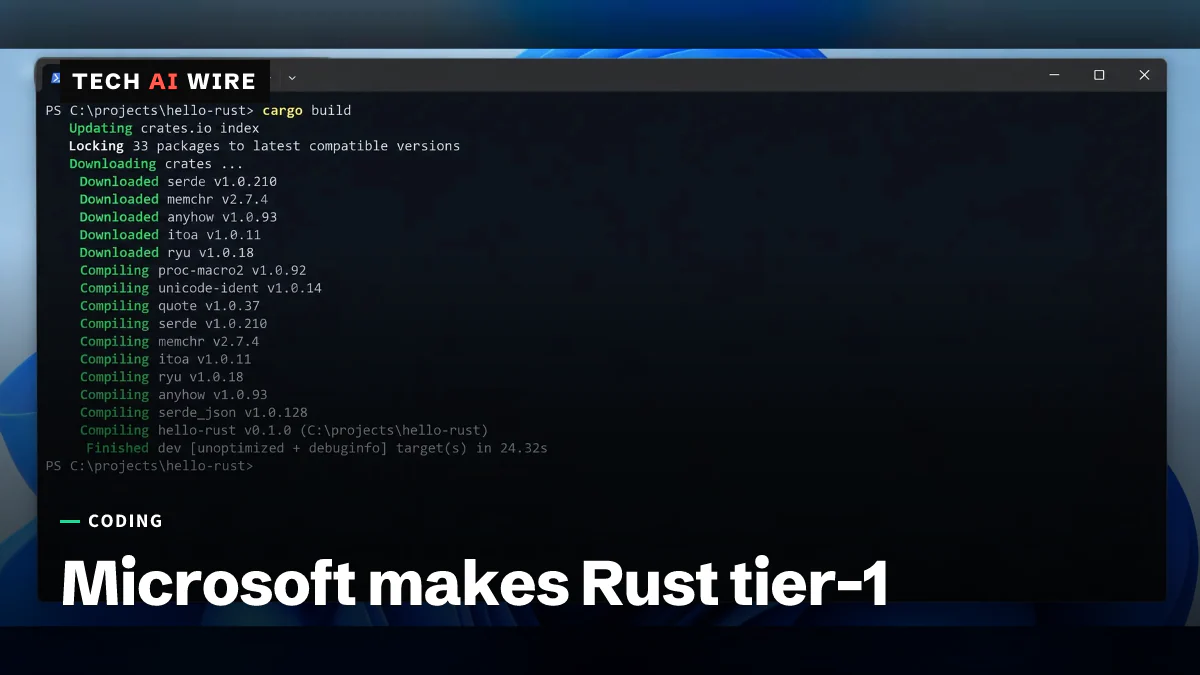
Rust is now a tier-1 language at Microsoft
Microsoft made Rust a tier-1 language beside C++, C# and TypeScript. More than 100 of its repositories now build Rust code.
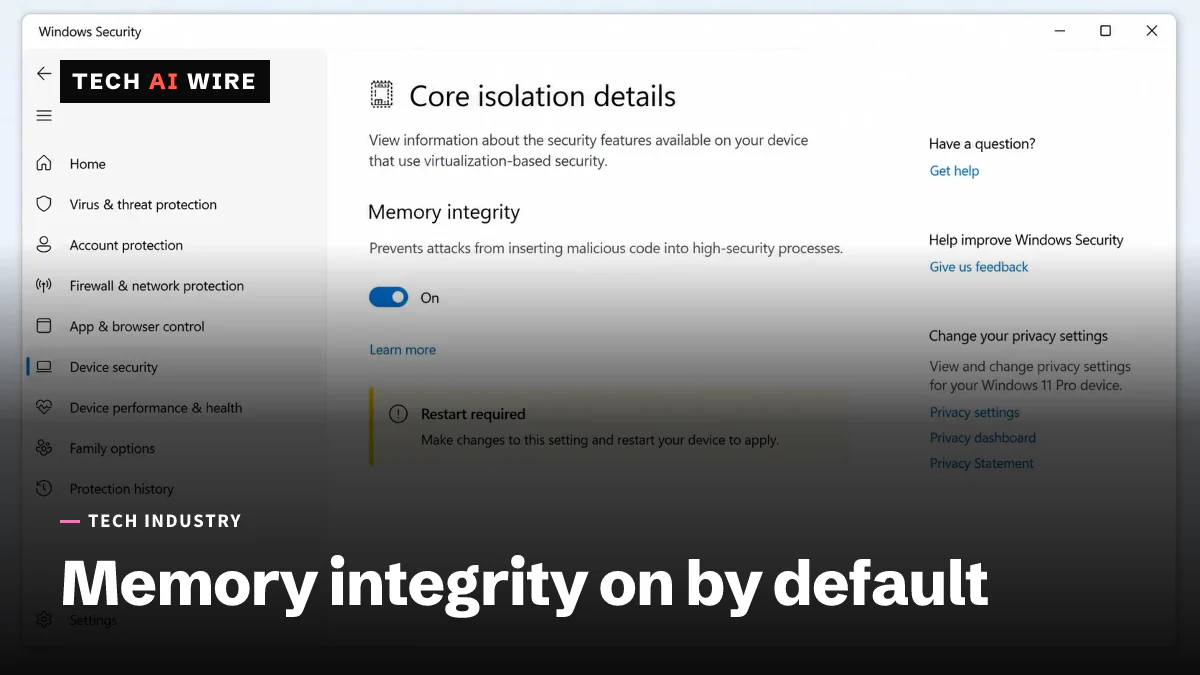
Windows 11 turns on memory integrity by default from October 13
Microsoft will switch on Windows 11's kernel protection automatically on eligible PCs from the October 13 Patch Tuesday. Old drivers are the thing most likely to break.
The weekly digest
One email every Friday with the week's top stories from all six desks: AI, dev tools, coding, the tech industry, startups and what's next. Free, no spam.