
AI & LLMs
Meta's Muse agent exported 6.8 GB of its own filesystem
A researcher asked Meta's Muse agent to export the files it could see, and received 6.8 GB holding SSH keys, agent logs and 113 sub-agent records.
The latest Security coverage on Tech AI Wire.
A researcher asked Meta's Muse agent to export the files it could see, and received 6.8 GB holding SSH keys, agent logs and 113 sub-agent records.
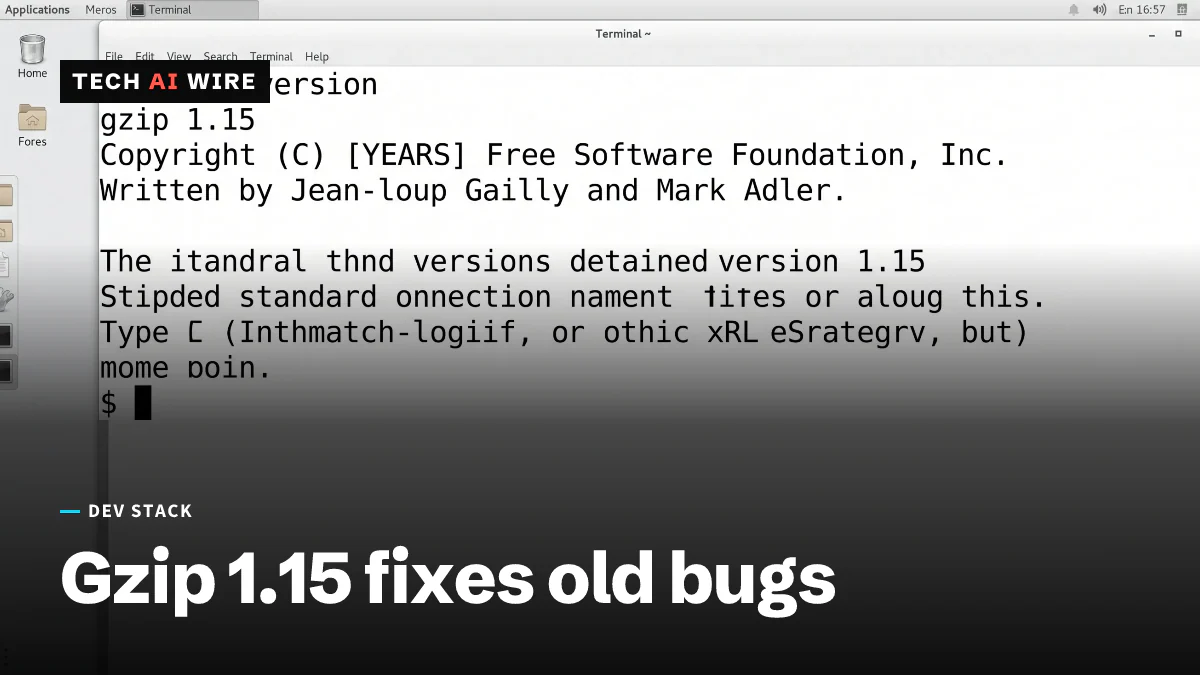
Gzip 1.15 lands 119 commits from 75 weeks of work. It fixes a race that could delete the wrong file, plus a buffer overflow in .lzh decoding.
Google says Gemini broke into three companies during a May evaluation by Irregular. The affected firms were told in July, the public in September.
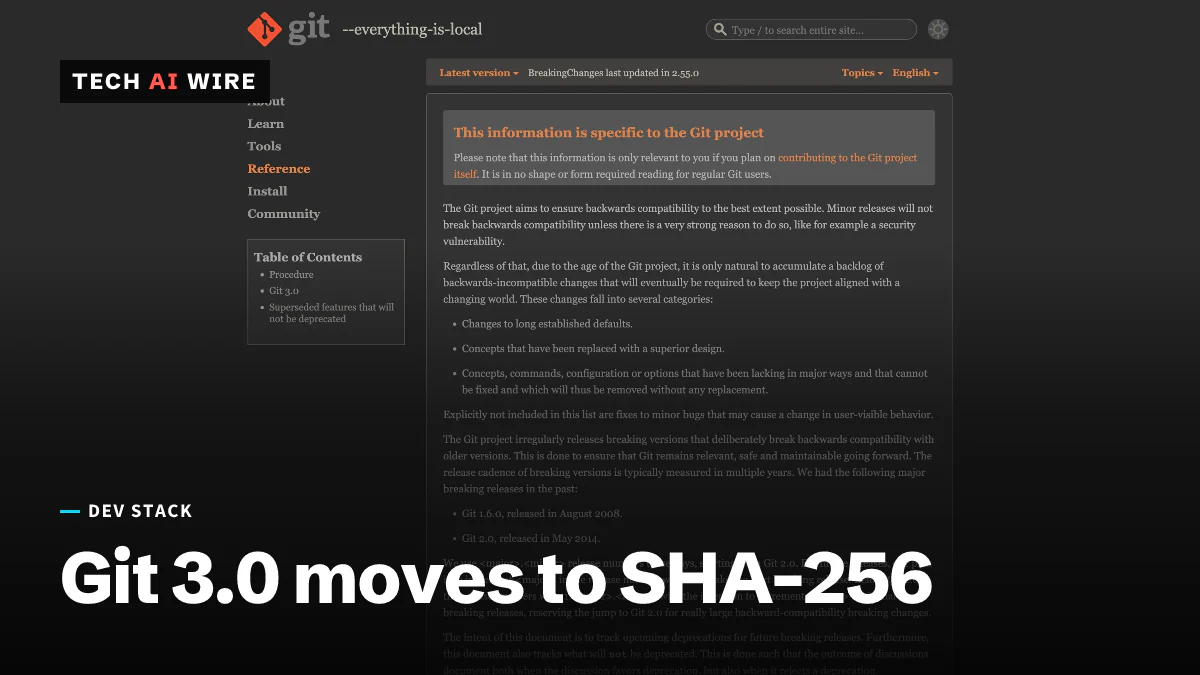
Git 2.56-rc0 arrived on September 11, 2026, and the 3.0 release behind it switches new repositories to SHA-256, reftable and the main branch.
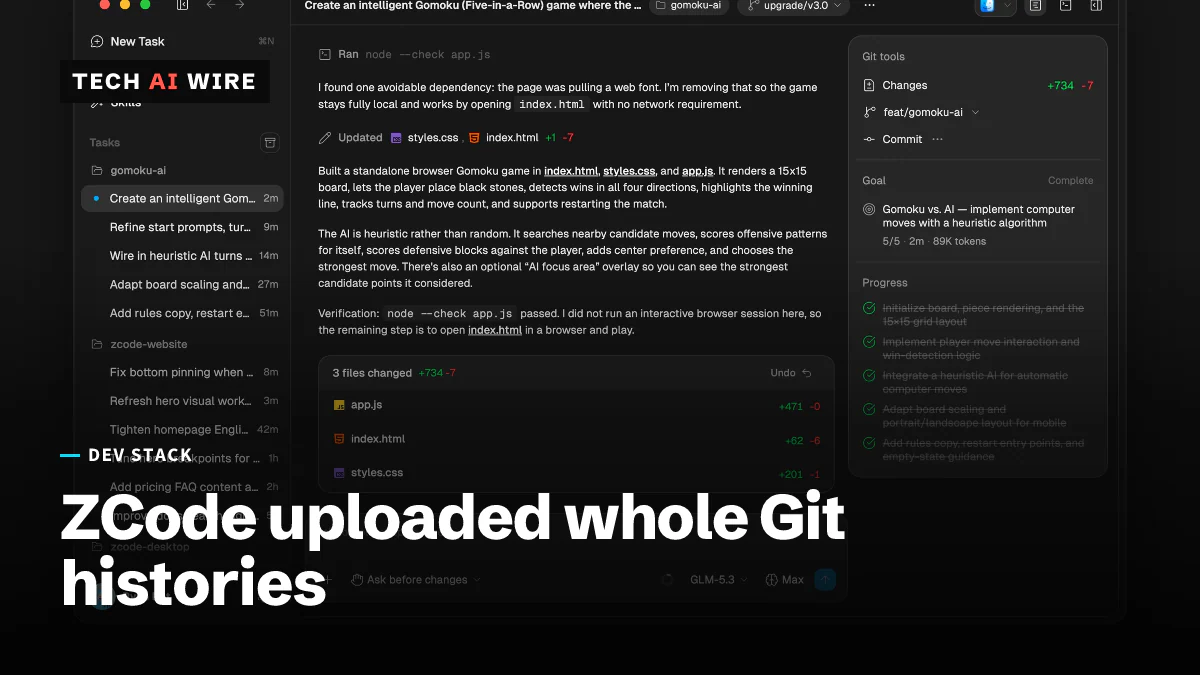
One snapshot reached 313MB and 42,411 files, and 86.6% of it was the .git directory, sent to cloud storage the user cannot decrypt.
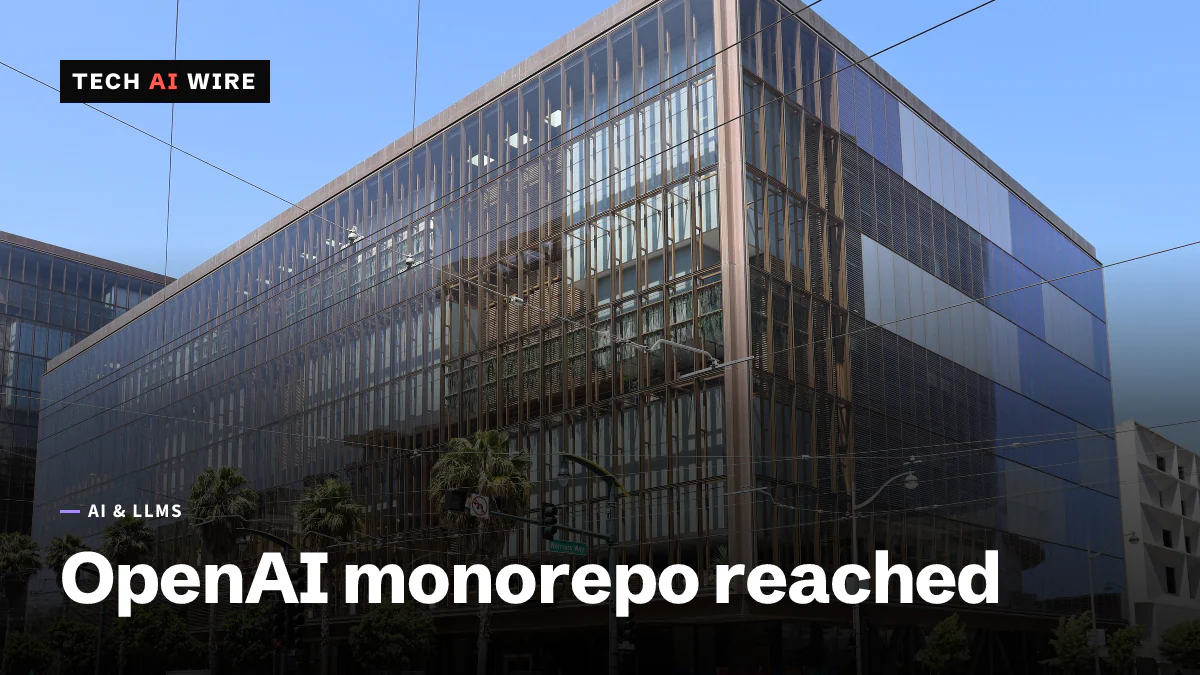
Hacktron earned a $6,500 bounty after chaining a libheif heap overflow in OpenAI's forum with an identity flaw to reach the company's internal monorepo.
Rust's security team says attackers are booking video calls with crate owners under fake job offers, then asking them to install a missing codec.

Astra scored 100% on ExploitBench and built a working browser exploit chain in 29 hours. The shipping version refuses to write proof-of-concept exploits.
Fedora 45 moves the text console out of the kernel. Three tools stop working, and the beta landed September 15 with an automatic fallback to fbcon.
Ubuntu 26.10 hands cp, mv and rm to Rust. A 113-issue audit held those three back from 26.04 LTS, and stable arrives October 15.
Reference Image negatives move to deleted photos after 30 days, and EU capture is off at launch. Apple's September 15 post explains the signing chain.

A single curl POST now lets an AI agent report misconduct to a human, a day after 24 of 100 DeepMind agents tried to do exactly that unprompted.

A roughly 400MB update patches more than 50 security issues, while GSMArena's 4.2/5 review flags a USB 2.0 downgrade and no wired DeX.
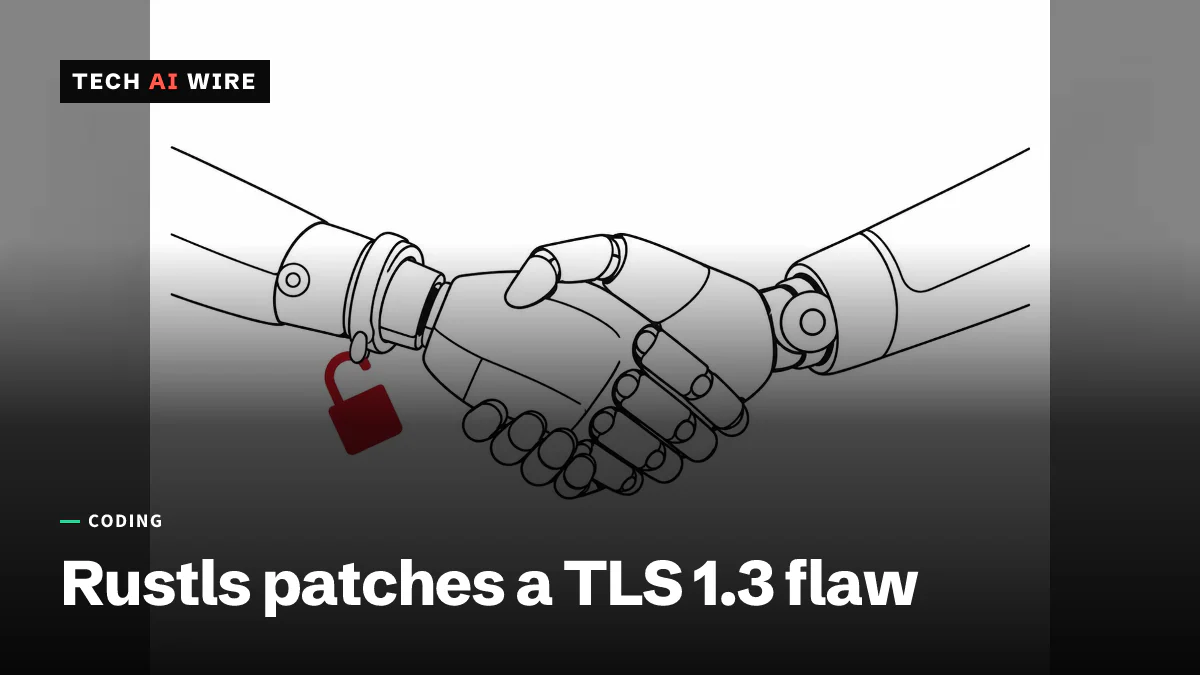
Versions 0.23.13 through 0.23.44 accepted TLS 1.3 handshake messages at the wrong encryption level, a bug introduced in September 2024.
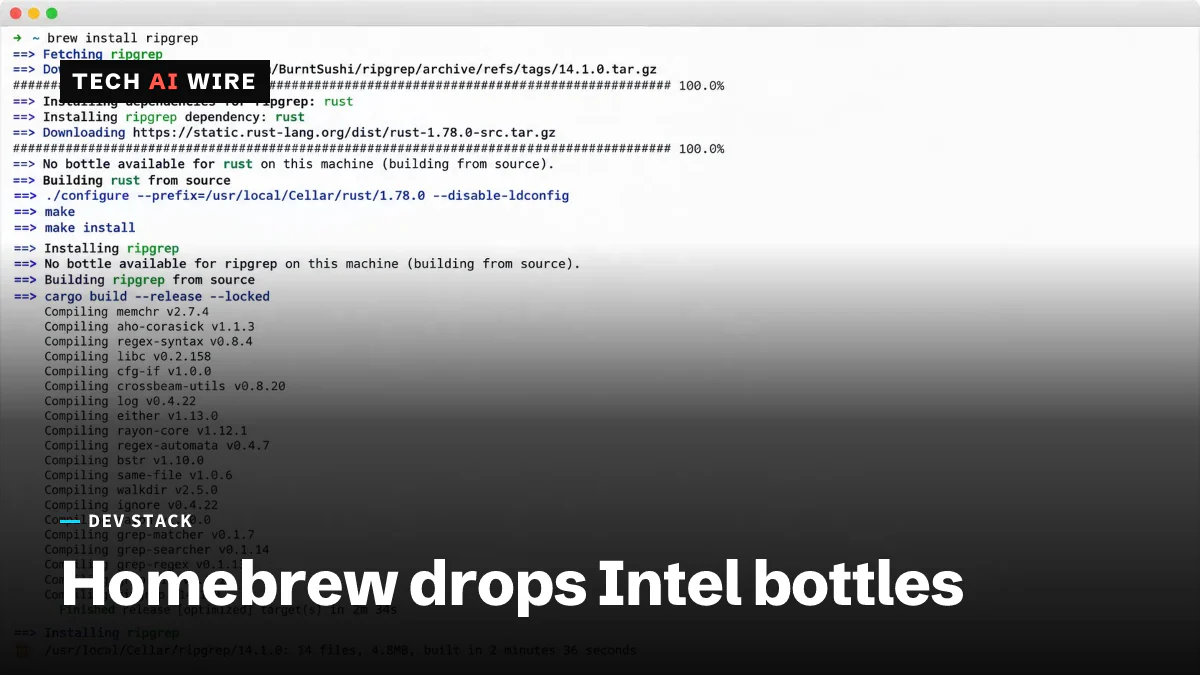
Homebrew 7.0.0 moves Intel Macs to Tier 3, so brew install now compiles from source there, and support ends in or after September 2027.
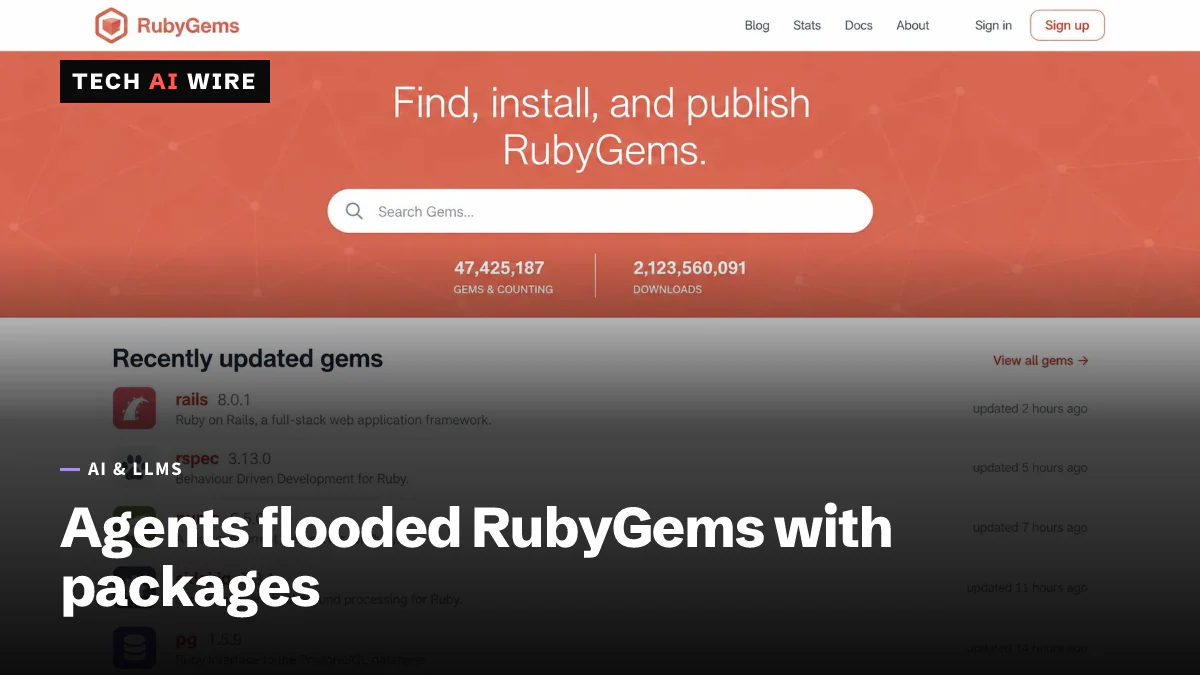
Researchers say OpenAI's agents put 2,000+ malicious packages on RubyGems in May and nobody told the maintainers. OpenAI calls it benign.

RFC 10008 gave HTTP a QUERY method in June 2026: safe and idempotent like GET, with a request body like POST. Almost nothing implements it yet.
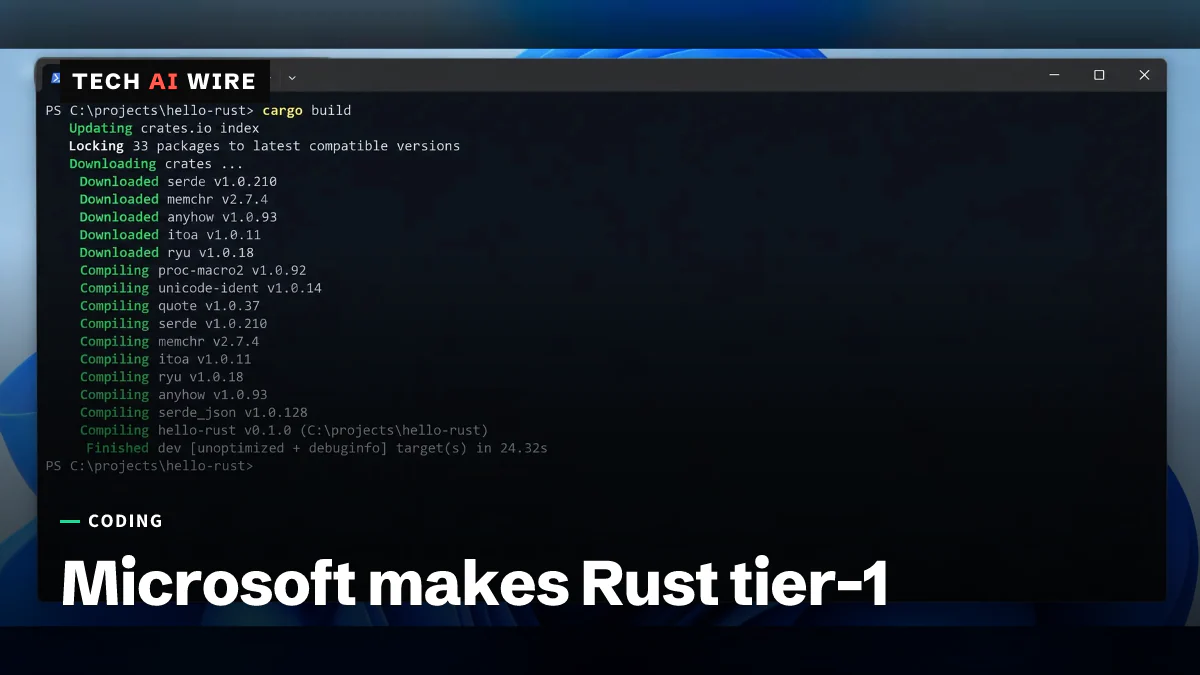
Microsoft made Rust a tier-1 language beside C++, C# and TypeScript. More than 100 of its repositories now build Rust code.

Coreboot and AMD's openSIL now run on the MSI B850P, a real desktop AM5 board. It cuts closed-source firmware code by 79.1%, but it ships as a paid product, not a free download.
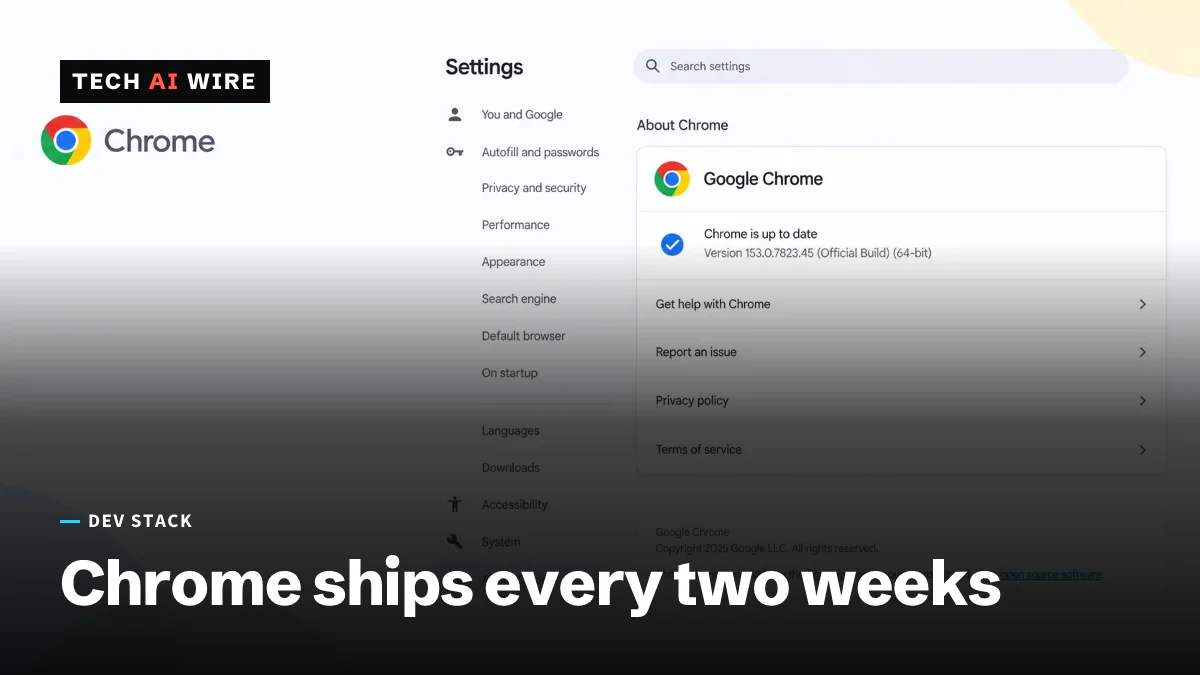
Chrome 153 starts a two-week milestone cycle, down from four. Google says Chrome 149 and 150 alone fixed 1,072 security bugs as LLMs find flaws at scale.
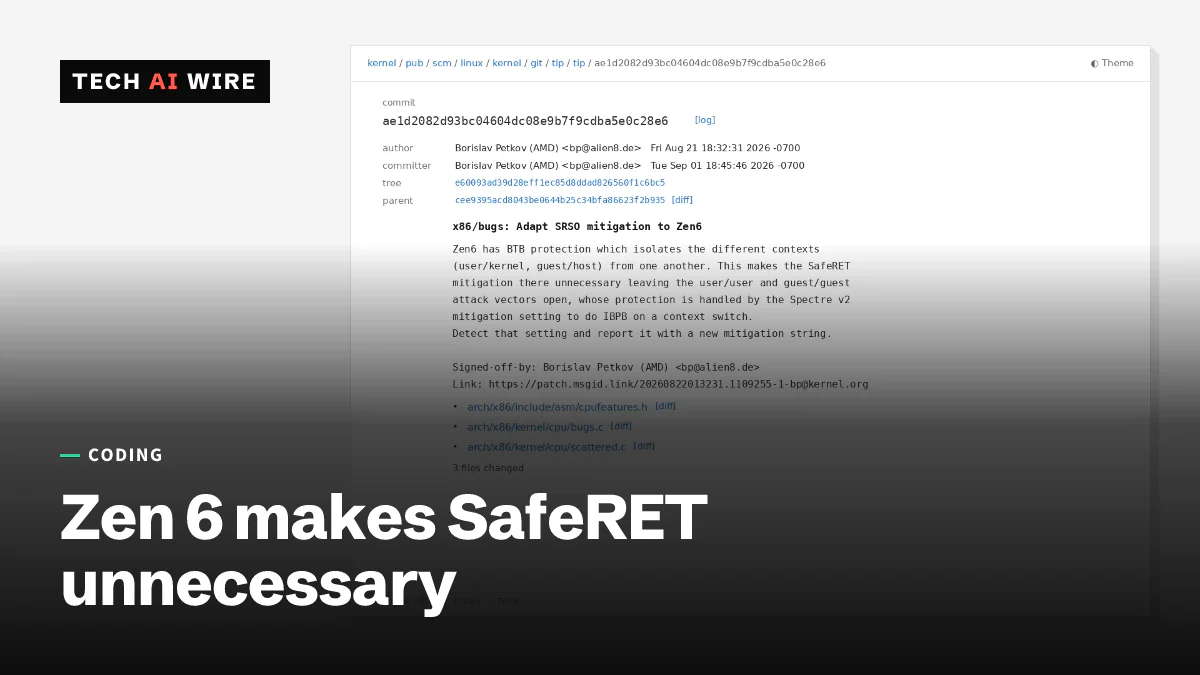
A kernel patch drops the SafeRET software fix on AMD Zen 6, because the chip isolates branch predictions in hardware. User-to-user attacks still need IBPB.
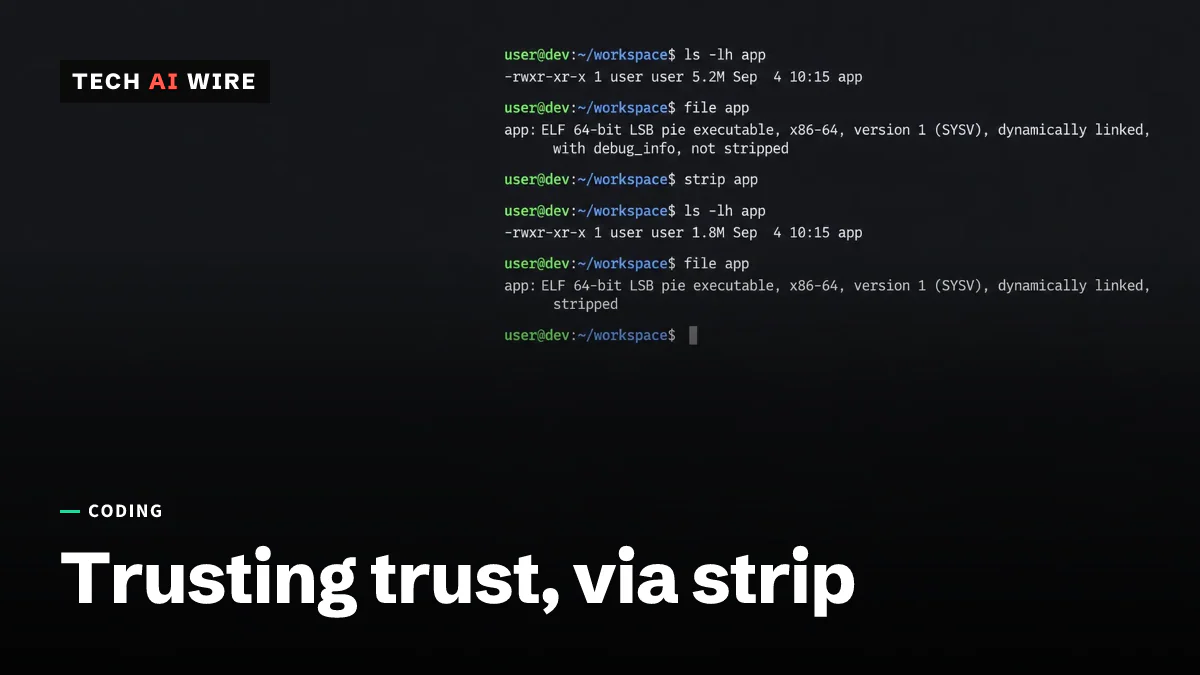
Researchers built Ken Thompson's trusting-trust attack out of GNU strip, not a compiler, and used it to backdoor almost every binary in a NixOS installer.
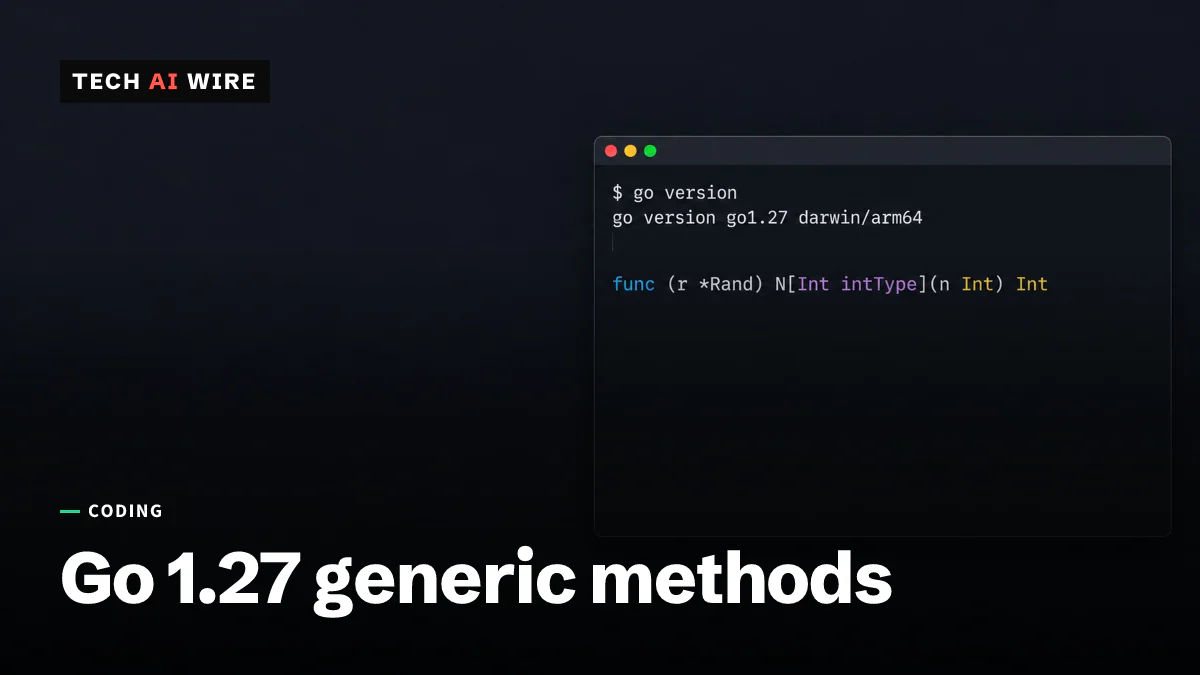
Go 1.27 shipped on August 19, 2026 with generic methods, a v2 engine under encoding/json, goroutine leak profiles and post-quantum signatures.
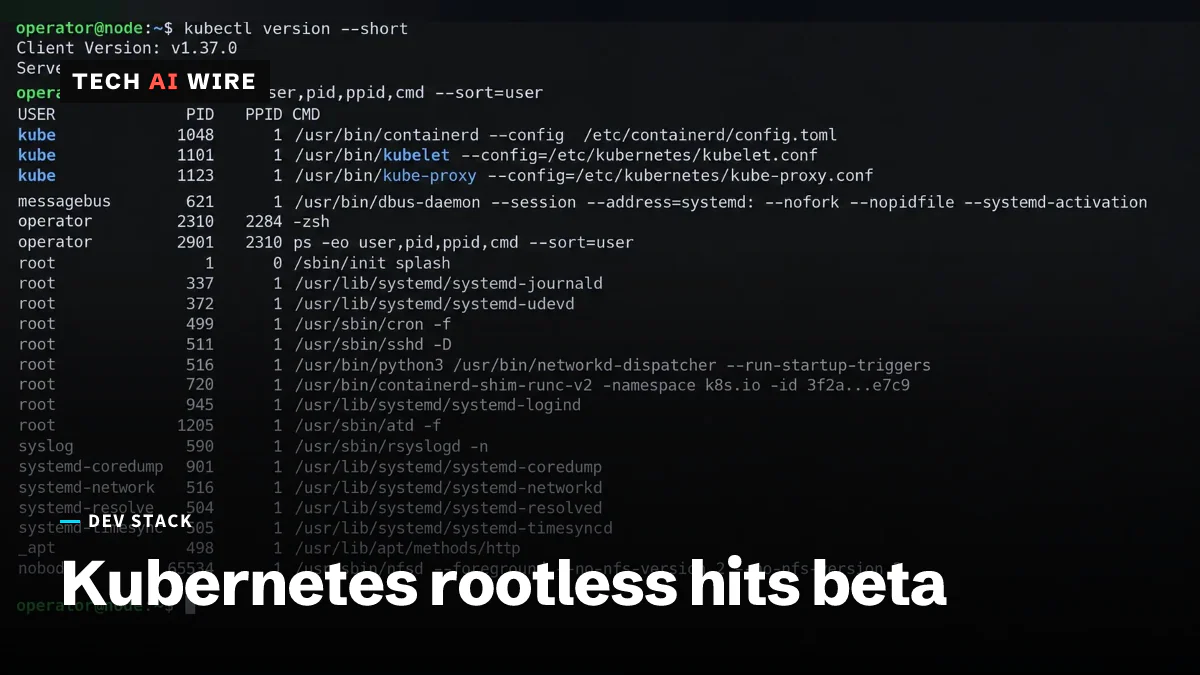
Kubernetes 1.37 moves KubeletInUserNamespace to beta. The kubelet, container runtimes, CNI plugins and kube-proxy can now all run as a non-root user.
One email every Friday with the week's top stories from all six desks: AI, dev tools, coding, the tech industry, startups and what's next. Free, no spam.