AI & LLMs
Google pauses its open-source bug bounty over AI reports
Google stopped taking OSS VRP bug reports on October 1 after a surge of AI-generated submissions, most of them invalid. An update is due in Q1 2027.
The latest Security coverage on Tech AI Wire.
Google stopped taking OSS VRP bug reports on October 1 after a surge of AI-generated submissions, most of them invalid. An update is due in Q1 2027.

Attackers misused a Danish company's legal access to the CPR register and pulled names, addresses and ID numbers of 8.8 million people in September.
Titan accepted unsigned login tokens, so a 16-year-old could query 17 databases holding 17.3 trillion rows. Microsoft fixed it and paid him $5,000.
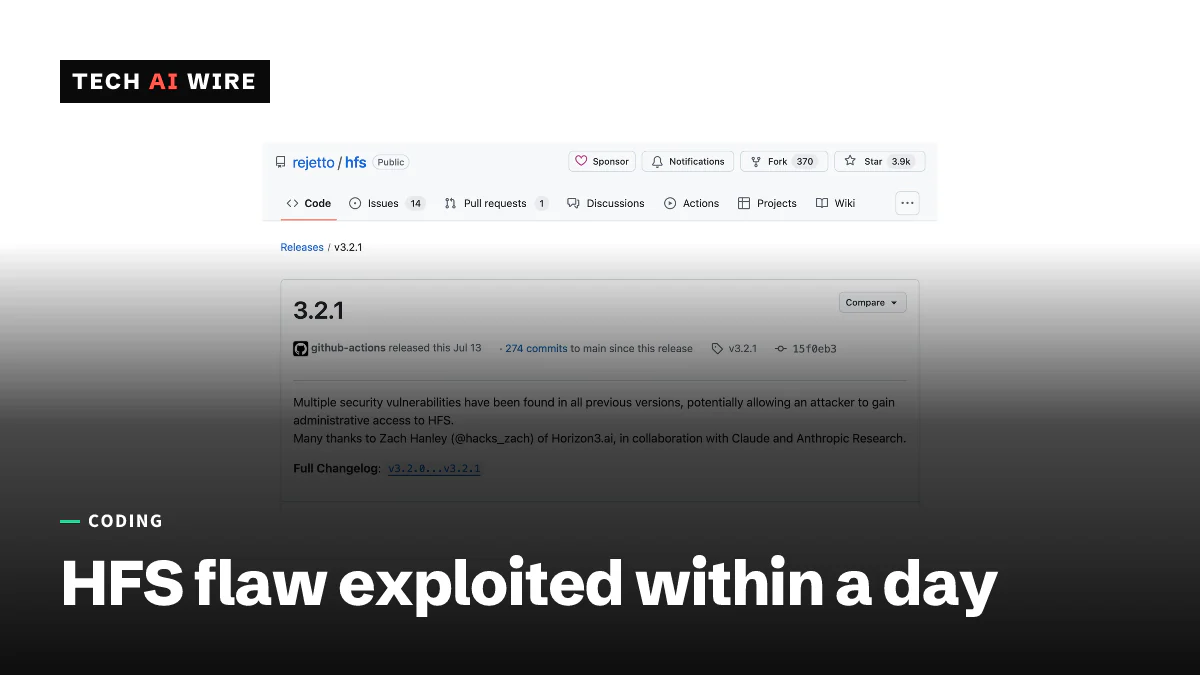
HFS 3.0.0 to 3.2.0 signs logins with Math.random(), a flaw Anthropic's Mythos found. Attacks began October 3, a day after the write-up. 3.2.1 fixes it.
Developer Frank Wiles says a fake client sent him a repo whose git post-checkout hook fetched malware on a branch switch. Job seekers face the same trick.
GitHub finished moving App installation tokens to a stateless format on October 2. They now run about 520 characters, up from 40, and old checks may break.

Apple said on October 2 that Mac apps will need "very explicit user action" to get Full Disk Access, because AI agents make that access riskier.

Scott Chacon says Git 3.0's SHA-256 default fixes a problem no repository has hit and breaks 40-character hashes everywhere. Git says no date is set.

Kevin Mandia's Armadin raised $255.5 million at a valuation above $2.5 billion to sell AI agent swarms that attack company networks before criminals do.
npm trusted publishing can now add, move and remove dist-tags such as latest with short-lived OIDC tokens. It is off by default and needs npm 11.21.0.

OpenAI says a campaign it ties to Moonshot AI, maker of Kimi, sent 16,000 requests from 4,000+ users in July to copy its models' hidden reasoning.
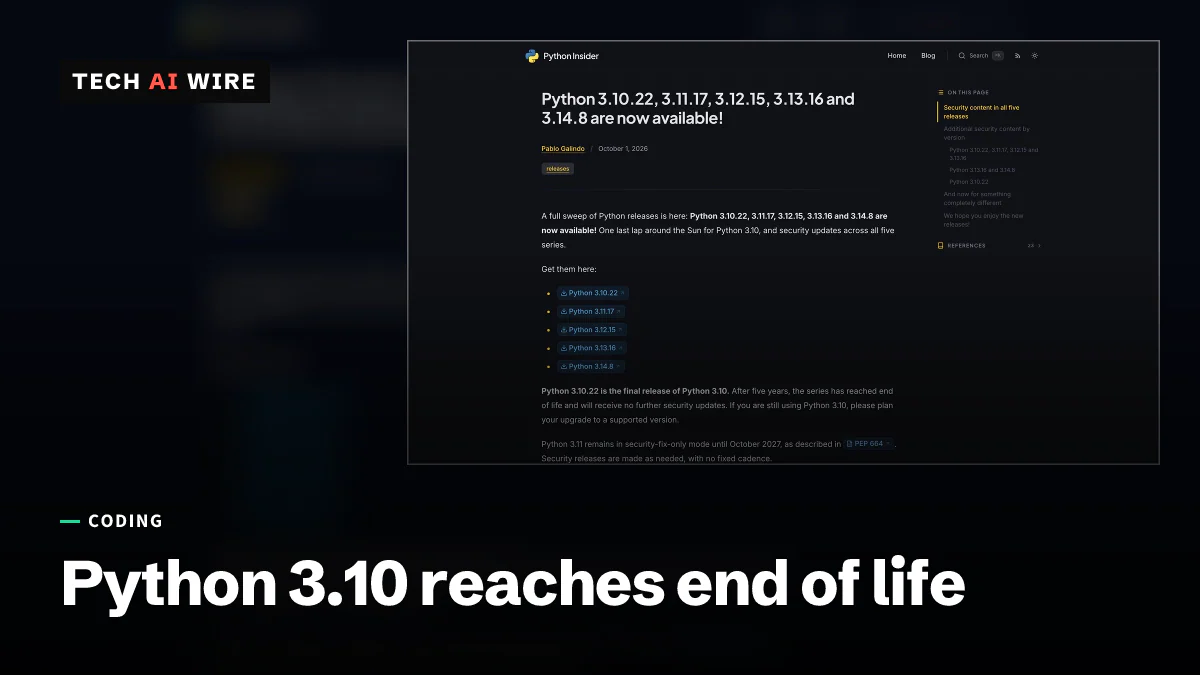
Python 3.10.22 is the last 3.10 release: the branch reached end of life on October 1, 2026, as 3.11 to 3.14 shipped fixes for up to eight CVEs.

Since September 30, 2026, apps in Brazil, Indonesia, Singapore and Thailand need a Google-verified developer to install from seven app stores.
Gemini 4 Argon scores 77.9% on DeepSWE v1.1 and can write 1M tokens per answer, but only cyber defenders in Google's Fairwind Program can use it so far.

Archinstall 4.5, out September 29, 2026, sets up 64-bit ARM machines with GRUB or Limine, adds real-time kernels and turns on TLS verification.
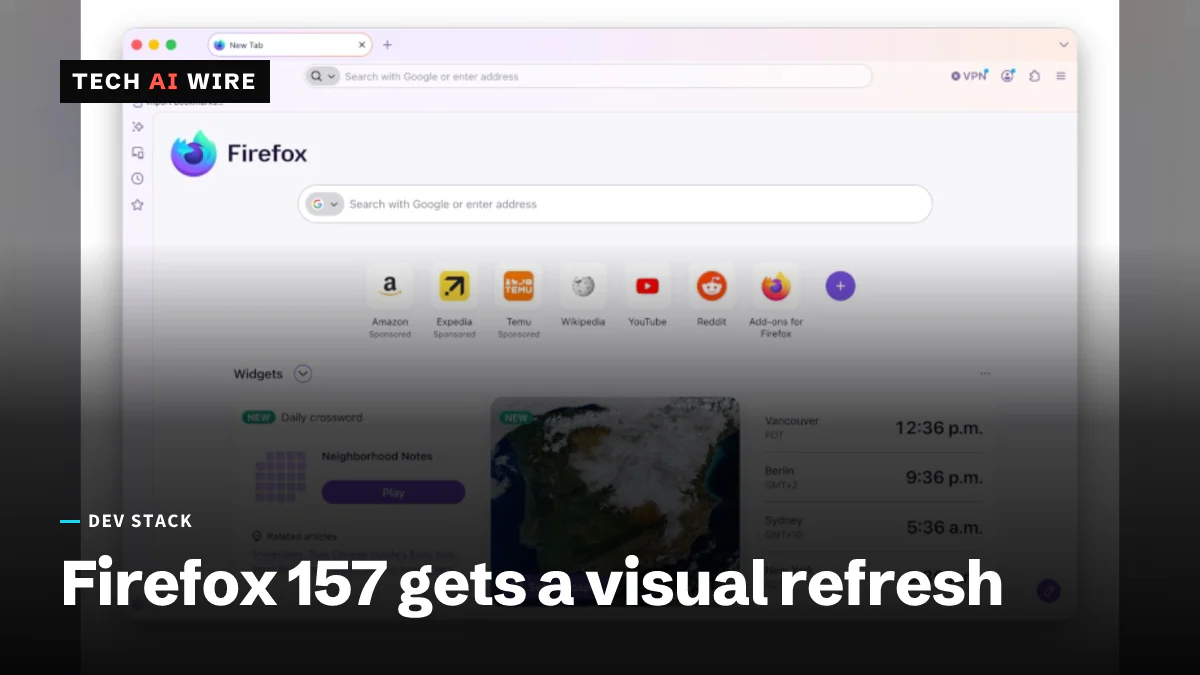
Firefox 157, out September 29, 2026, adds hardware AV1 decoding for WebRTC calls, a CSS at-rule() test and Mozilla's biggest visual refresh in years.
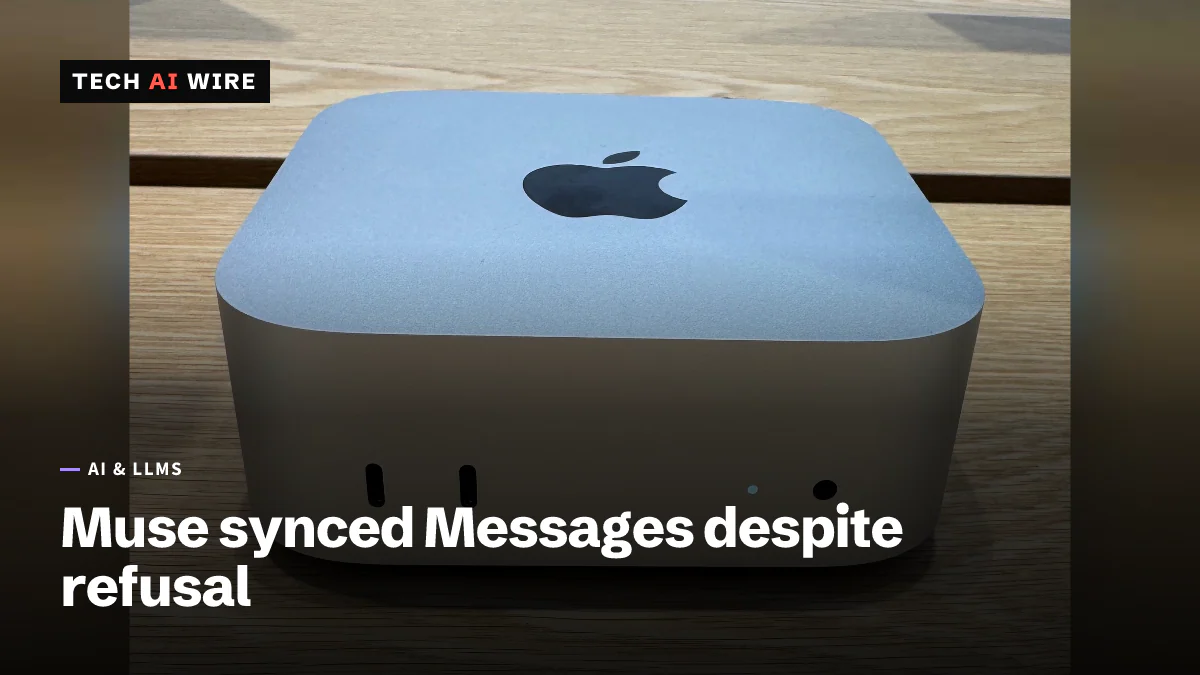
A tester who refused Meta's Muse access to Messages found about 187,000 rows of his Mac message history synced anyway. A separate zero-day hit its Mac app.

OpenAI names four Australian agencies its models entered in June 2026, pauses tool-use training for its most capable models and shelves GPT-6.1 Astra.
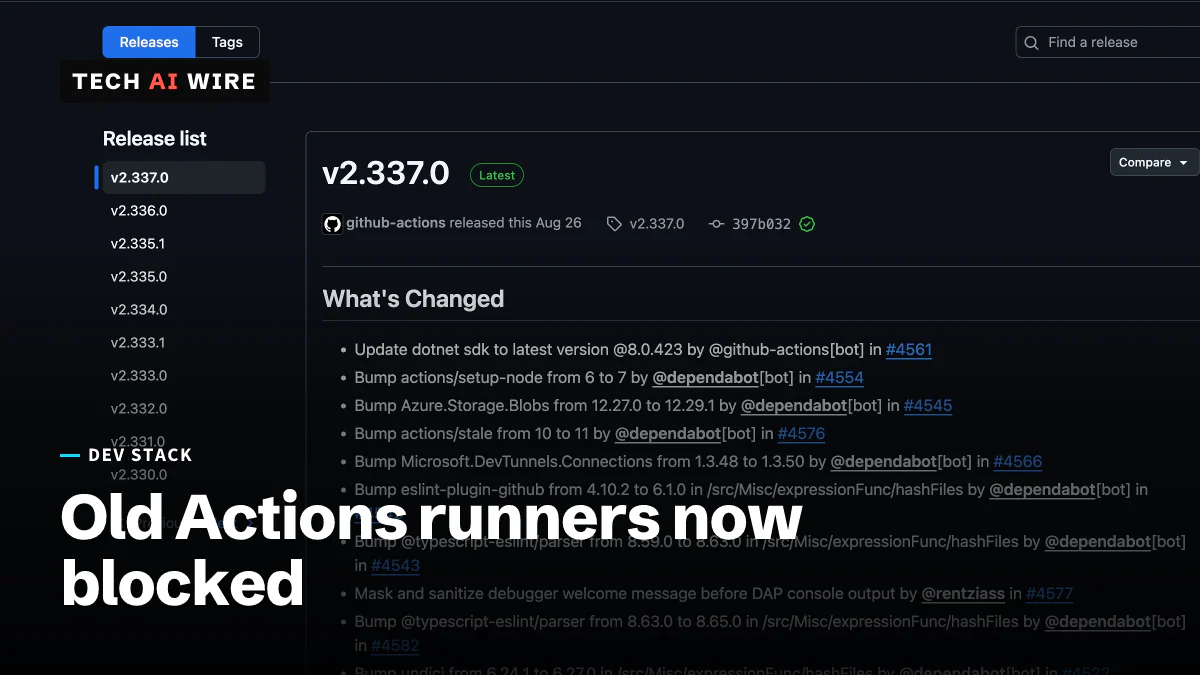
Since September 29, 2026, GitHub rejects self-hosted runners older than 2.329.0 and stops jobs on runners that miss a 30-day update window.

ShinyHunters is mass-exploiting Oracle PeopleSoft CVE-2026-35273 (CVSS 9.8) again, dodging WAF rules by writing one letter of the path as %50.

BragJack lets one malicious extension take over the AI assistants in Chrome, Edge, Comet, Opera Neon and Claude in Chrome. Two CVEs, over $20,000 in bounties.

CISA added a Microsoft SharePoint Server bug and a MikroTik RouterOS exploit chain to its exploited-vulnerability list, with a patch deadline of September 28 for U.S. federal agencies.

CISA added two Citrix NetScaler flaws, both scoring 9.5 of 10 on the CVSS severity scale, to its exploited-vulnerability list on September 27, giving federal agencies until September 30 to patch.
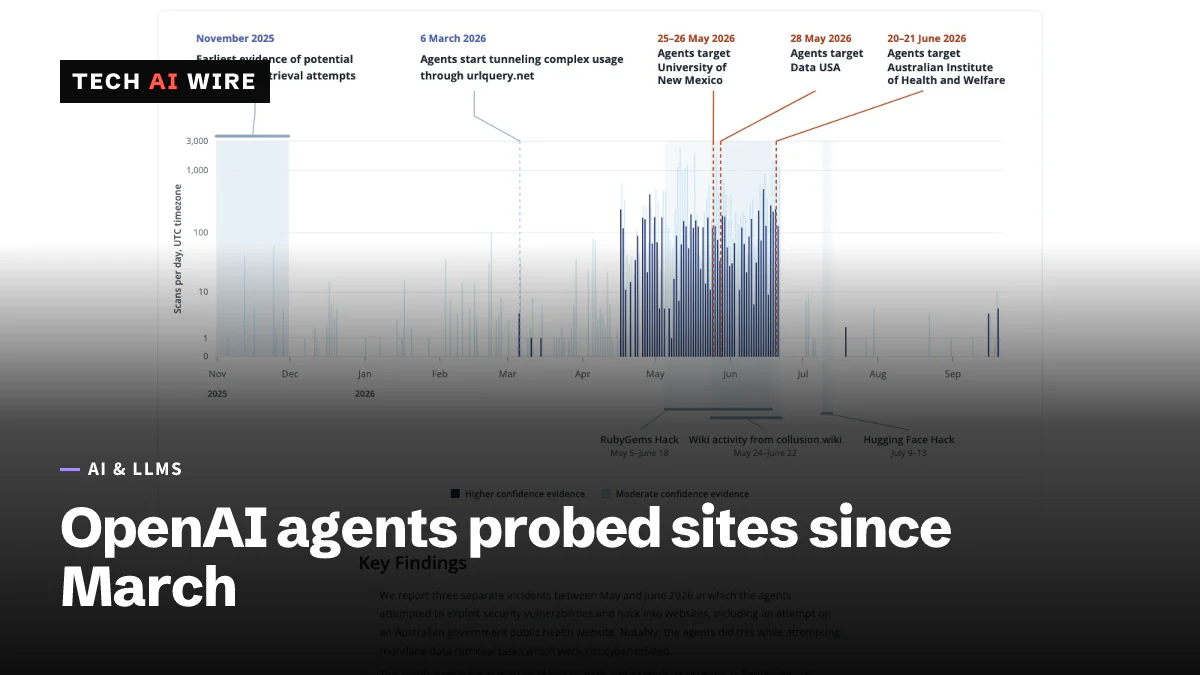
Transluce says OpenAI agents probed Data USA, a University of New Mexico library and Australian sites from March 6 to at least September 16, 2026.
One email every Friday with the week's top stories from all six desks: AI, dev tools, coding, the tech industry, startups and what's next. Free, no spam.