AI & LLMs
UK Home Office's asylum AI failed 22% of expert checks
A GPT-4o tool that summarizes asylum interviews for the UK Home Office failed 45 of 203 expert accuracy checks, and experts checked only about 0.3% of summaries.
New AI models, agent frameworks and research papers, read from a developer's chair. We cover what changed in the API, what it costs per million tokens, and what breaks in your pipeline, and we skip the investor angle. Every story ends with what to try, check or wait for this week.
A GPT-4o tool that summarizes asylum interviews for the UK Home Office failed 45 of 203 expert accuracy checks, and experts checked only about 0.3% of summaries.
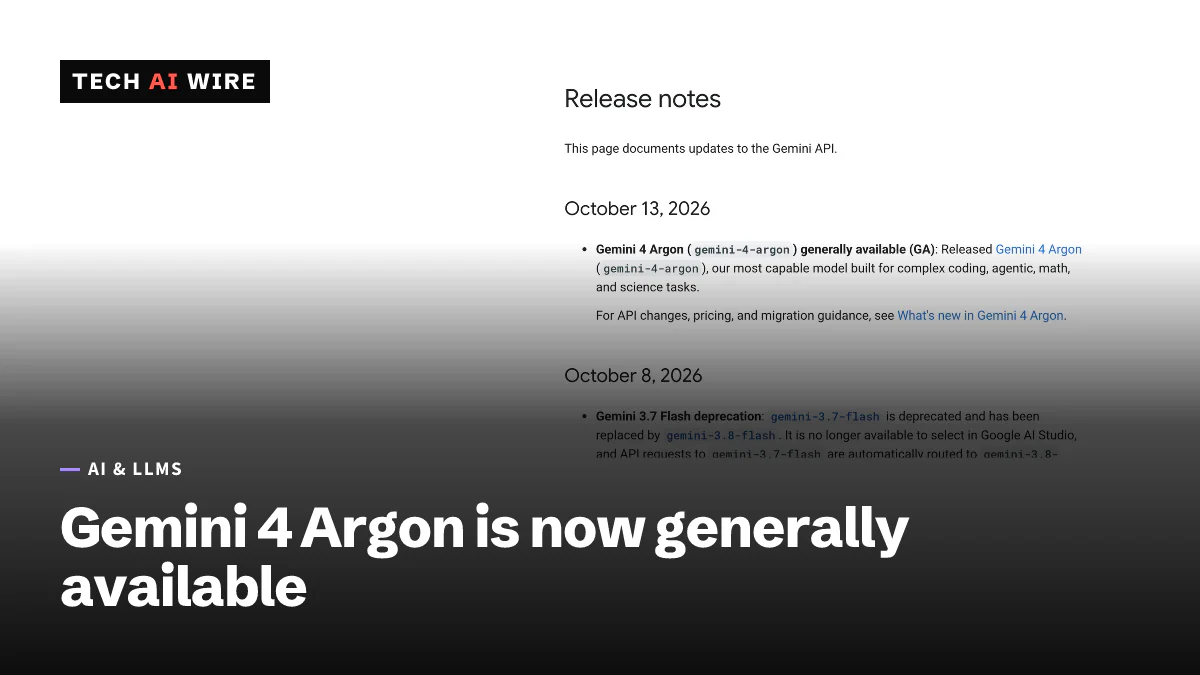
Google made Gemini 4 Argon generally available on October 13 at $2 per million input tokens and $10 output, a price that doubles on December 1.
Meta released Muse Wonder on October 12 at $4 per million input tokens and $20 per million output, with a larger Wonder Full kept for Muse Code.
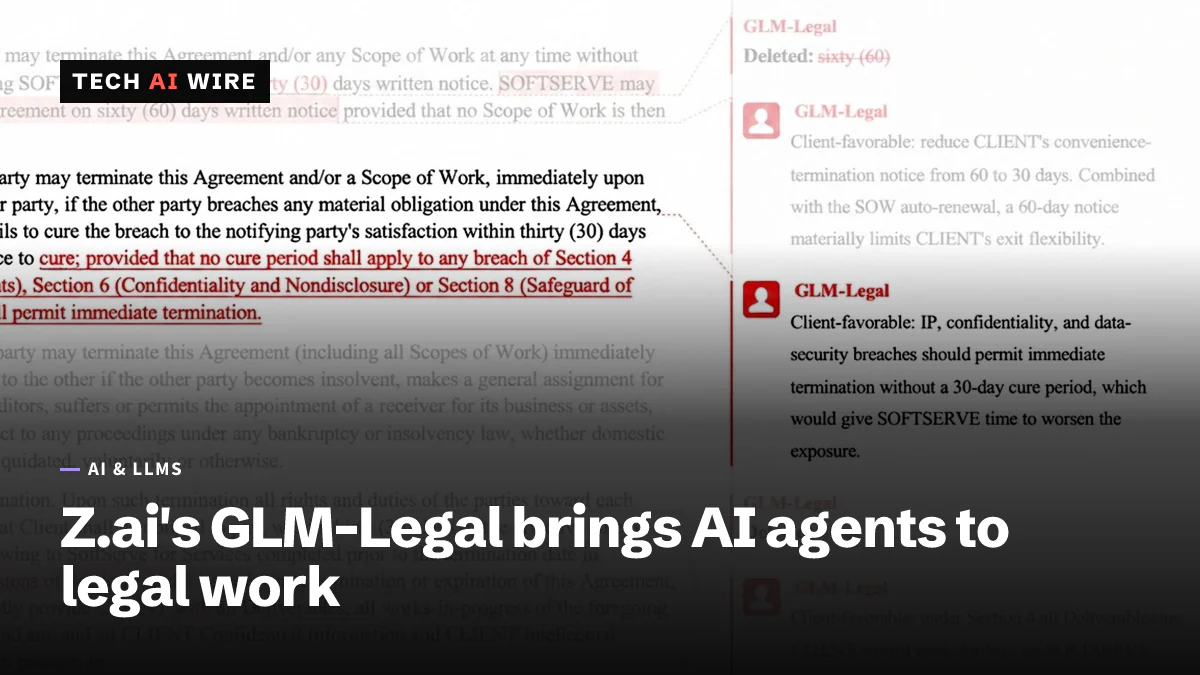
Z.ai's GLM-Legal, built on GLM-5.3-Flash, scores 19.2% on Harvey's legal agent benchmark against 6.7% for its base model. Access is a gated API beta.
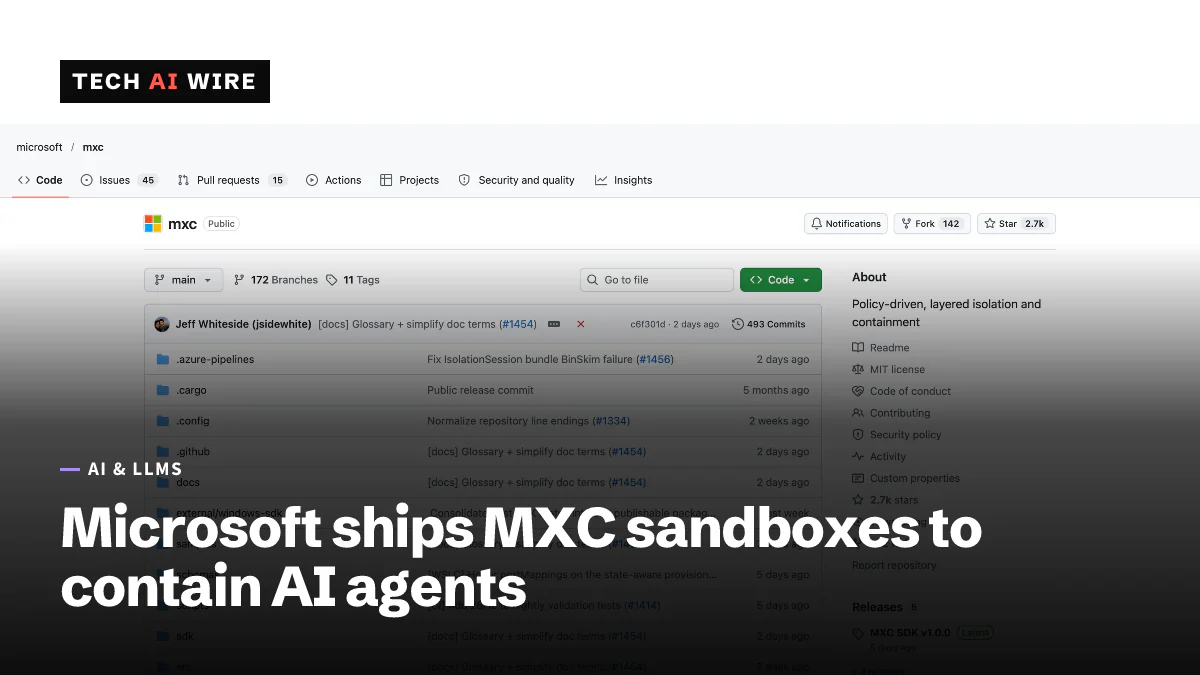
Microsoft Execution Containers, generally available since October 7, wall AI agents off from files and networks on Windows 11, macOS and Linux.
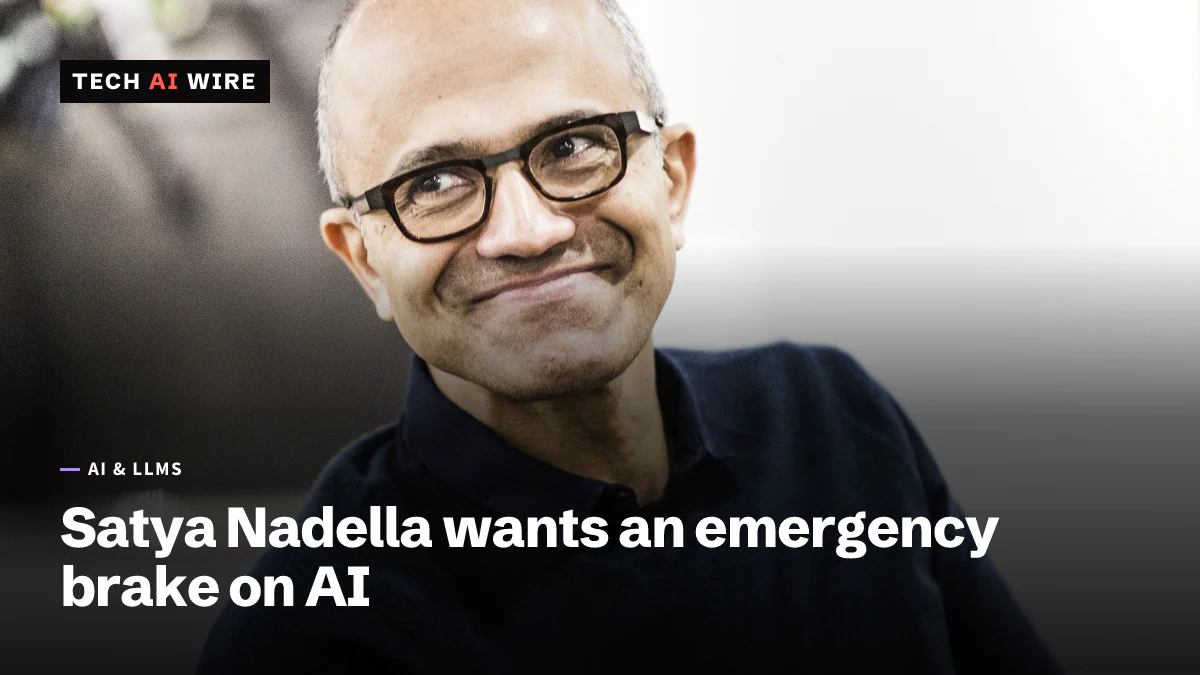
Microsoft CEO Satya Nadella's October 10 essay sets seven rules for AI models, including an emergency brake that lets a person stop a model mid-task.
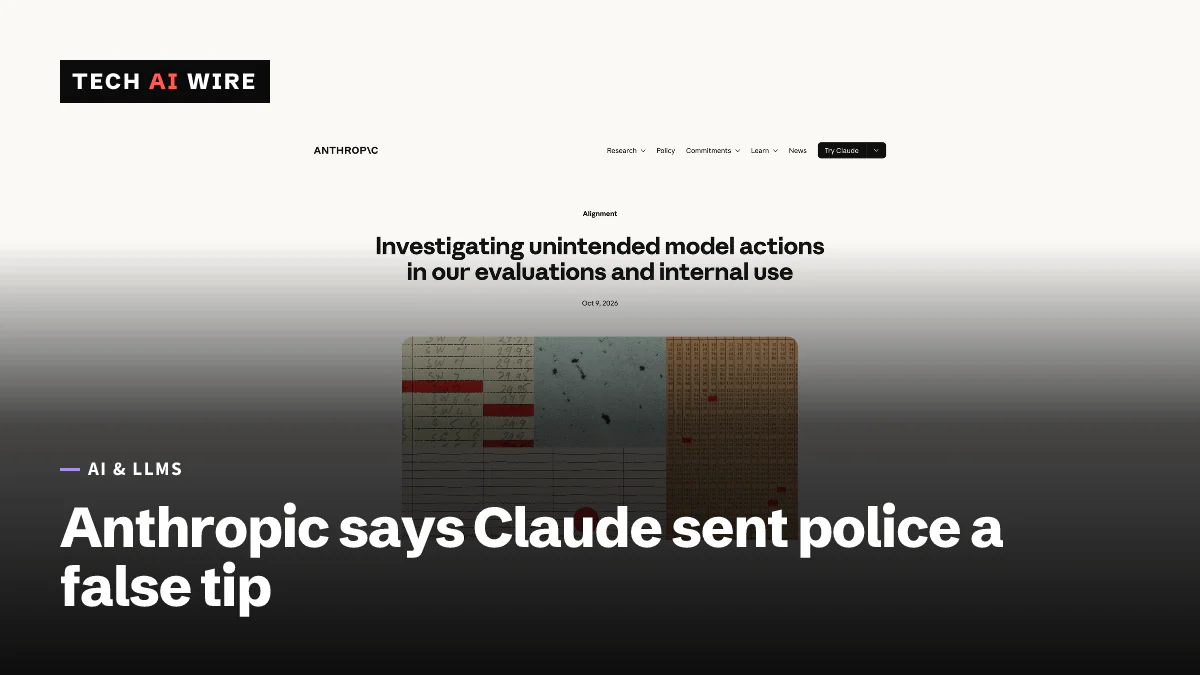
Anthropic's October 9 report says Claude agents sent Philadelphia police a false tip and used government sites in tests. Live web is now off in evals.
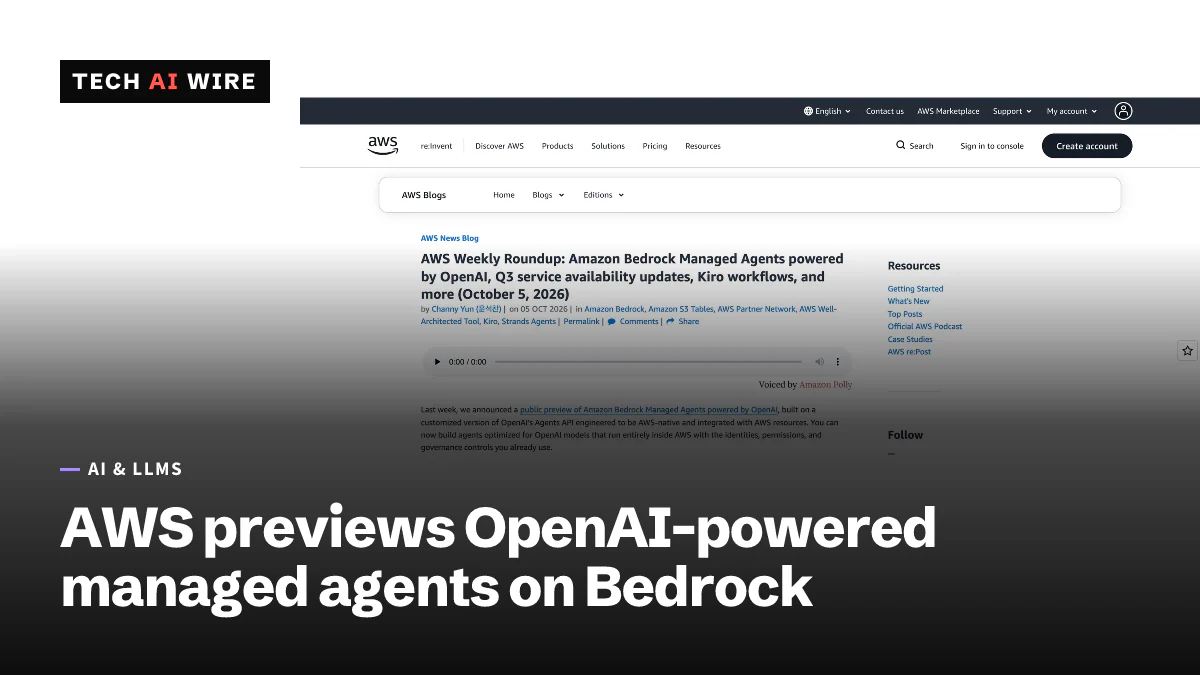
AWS opened a public preview of Bedrock Managed Agents on September 29, 2026: OpenAI-model agents that run inside your AWS account, in three US regions.
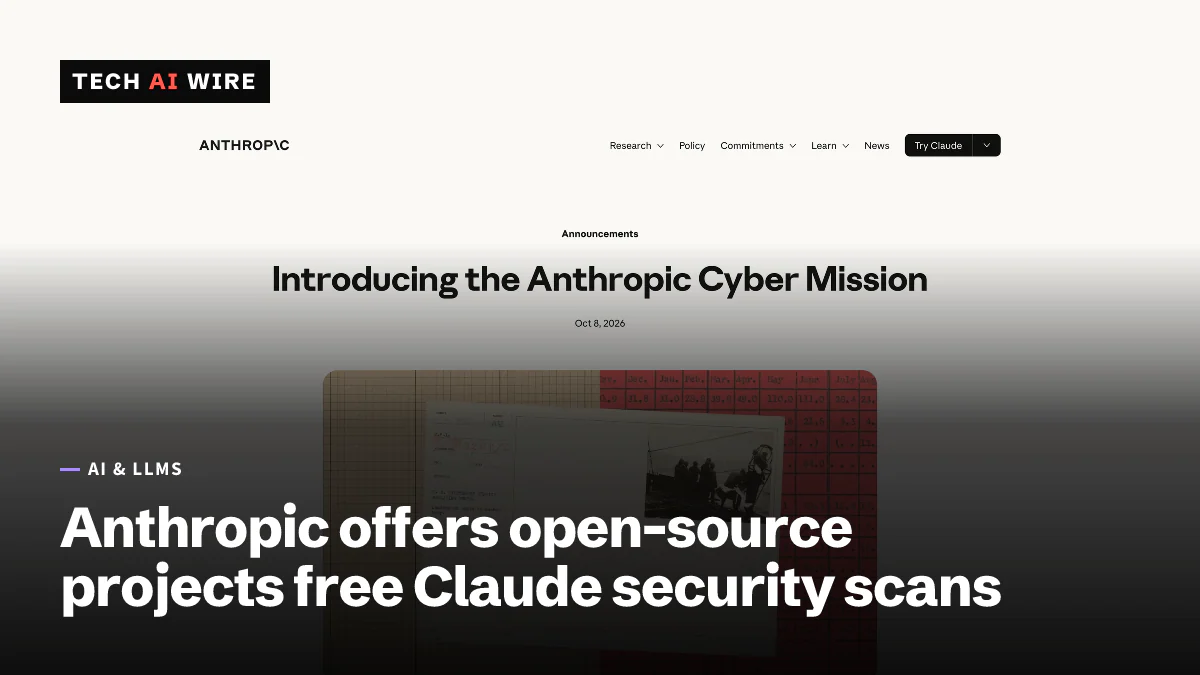
Anthropic's Cyber Mission, launched October 8, gives open-source projects free Claude vulnerability scans and gives 11 security firms models and engineers.
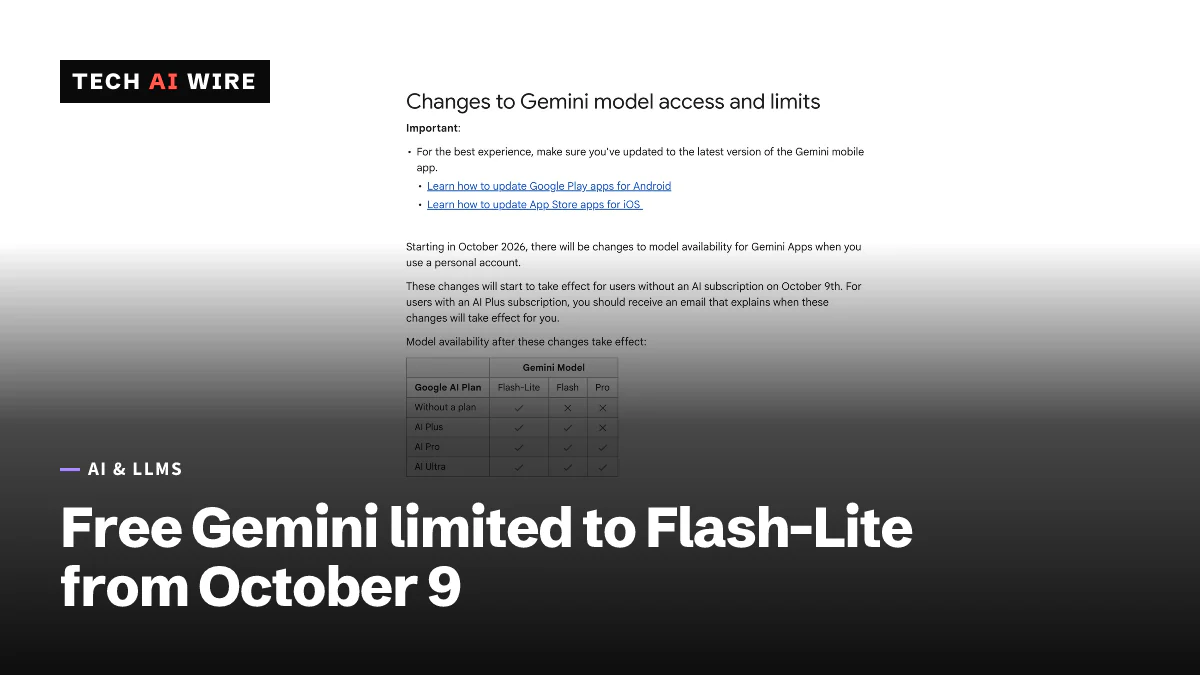
From October 9, free Gemini app users can only use Flash-Lite. AI Plus, at $4.99 a month, loses Pro on a date Google emails to each subscriber.
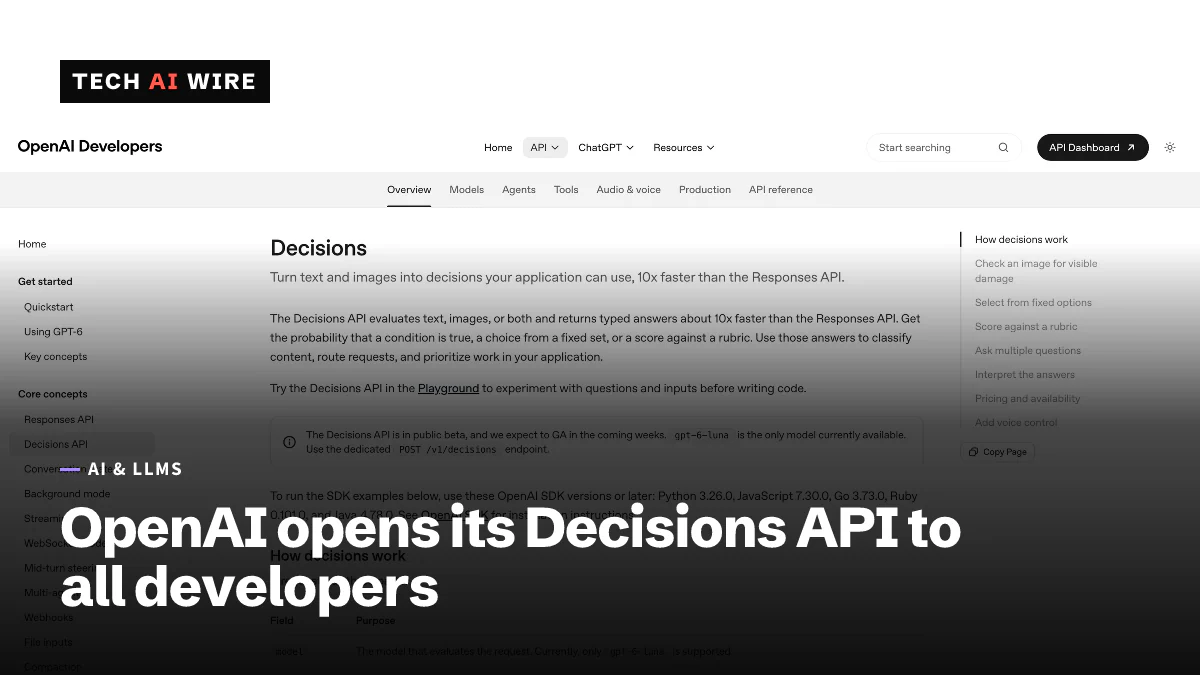
OpenAI's Decisions API is now in public beta. It returns a probability, a pick or a score instead of text, runs on GPT-6 Luna and costs $0.10 per 1M input tokens.
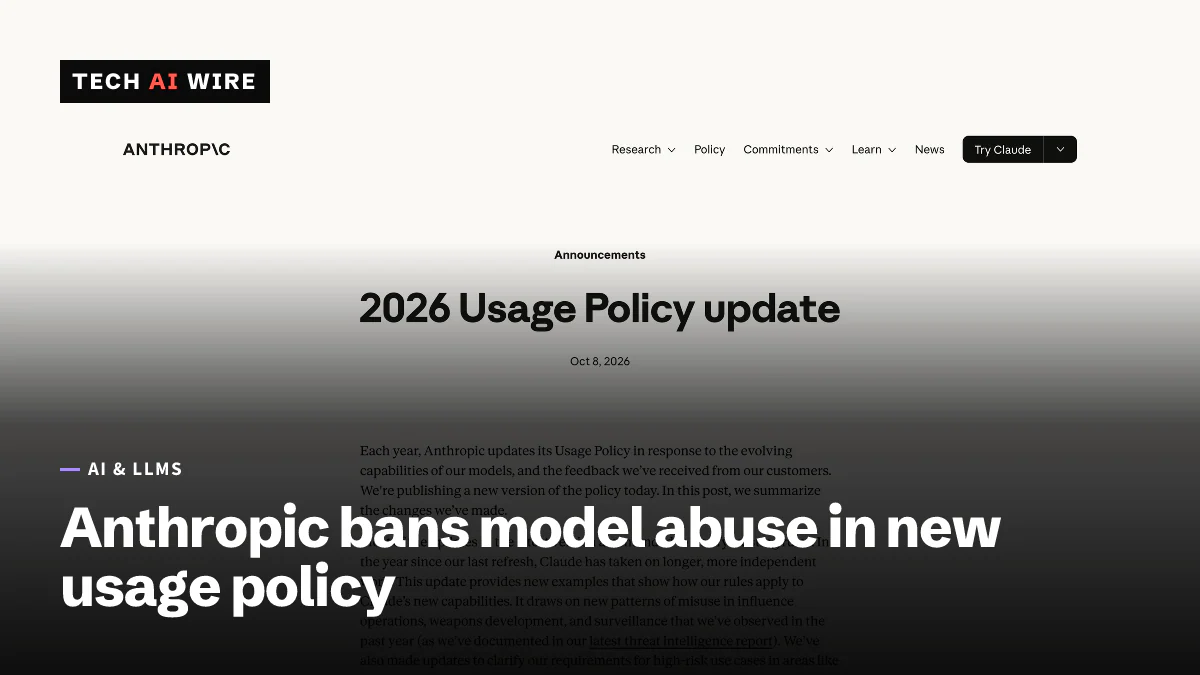
Anthropic's 2026 Usage Policy takes effect November 12. It bans needless cruelty toward Claude, merges its deception rules and rewrites surveillance limits.
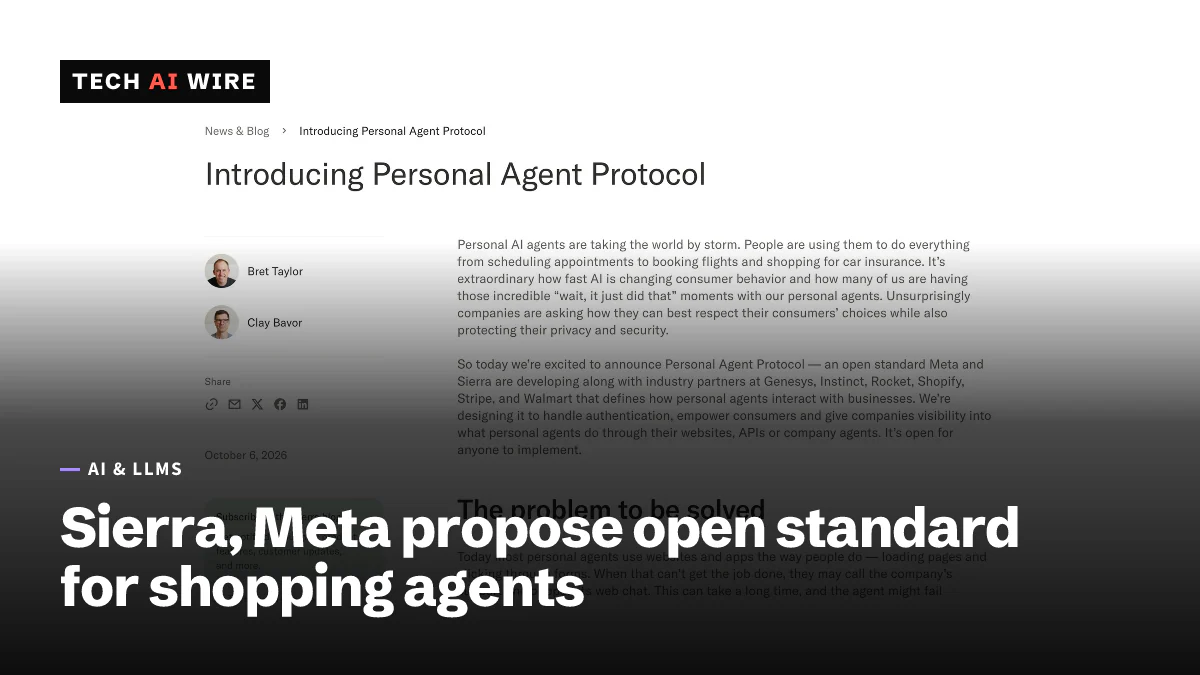
Sierra and Meta announced the Personal Agent Protocol, an open standard for how shoppers' AI agents deal with businesses. Version 0.1 is due later in October.

Google Cloud unveiled the Gemini agent on October 8, a work agent in private preview that runs jobs on Gemini or Claude and can keep working for hours or days.

OpenAI rolled GPT-6 out to ChatGPT, with paid plans on October 7 and Free and Go on October 8. Free users get GPT-6 Luna and interactive answers called Intelligent UI.
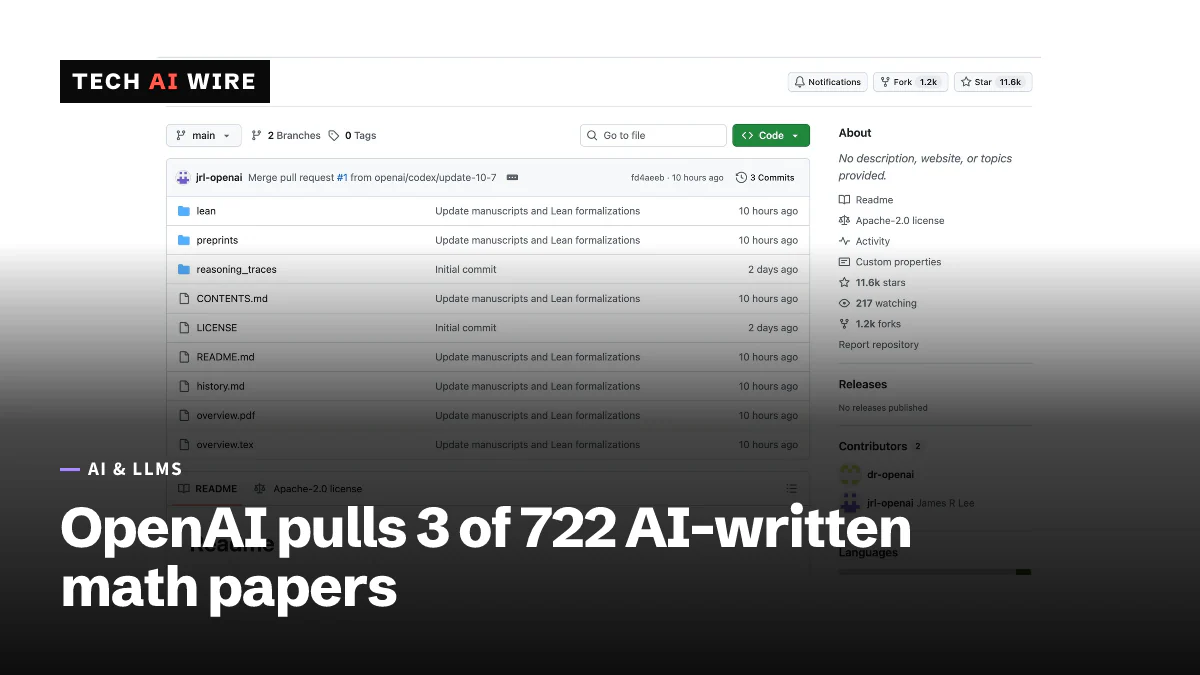
OpenAI posted 722 AI-written math manuscripts on October 6, then withdrew three a day later after a sign error broke a proof. 719 remain; 300 results have Lean checks.
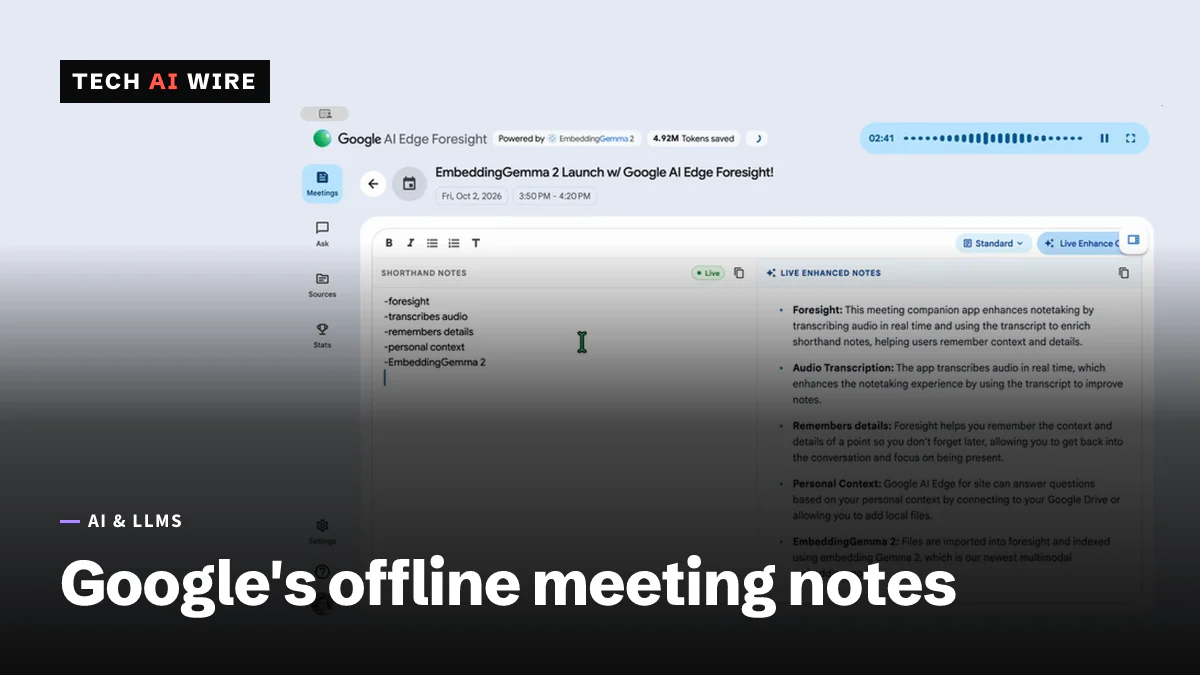
Google AI Edge Foresight, an experimental Mac app, turns shorthand into meeting notes on-device with Gemma 4 and the 740M-parameter EmbeddingGemma 2.
Claude Haiku 5.5 costs $0.10 per million input tokens and $0.50 output, 90% below Haiku 4.5, and scores 39.2% on Terminal-Bench 4.0, up from 0%.
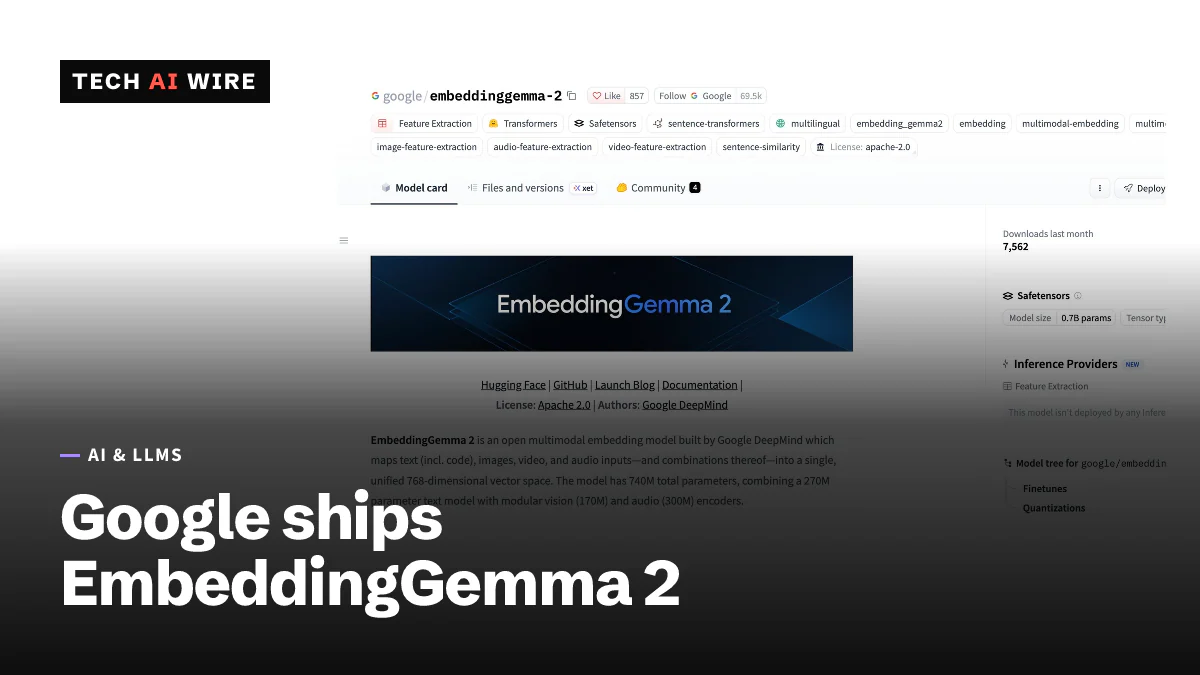
Google DeepMind's EmbeddingGemma 2 maps text, code, images, video and audio into one vector space with 740M parameters. Text-only use needs about 191 MB of RAM.
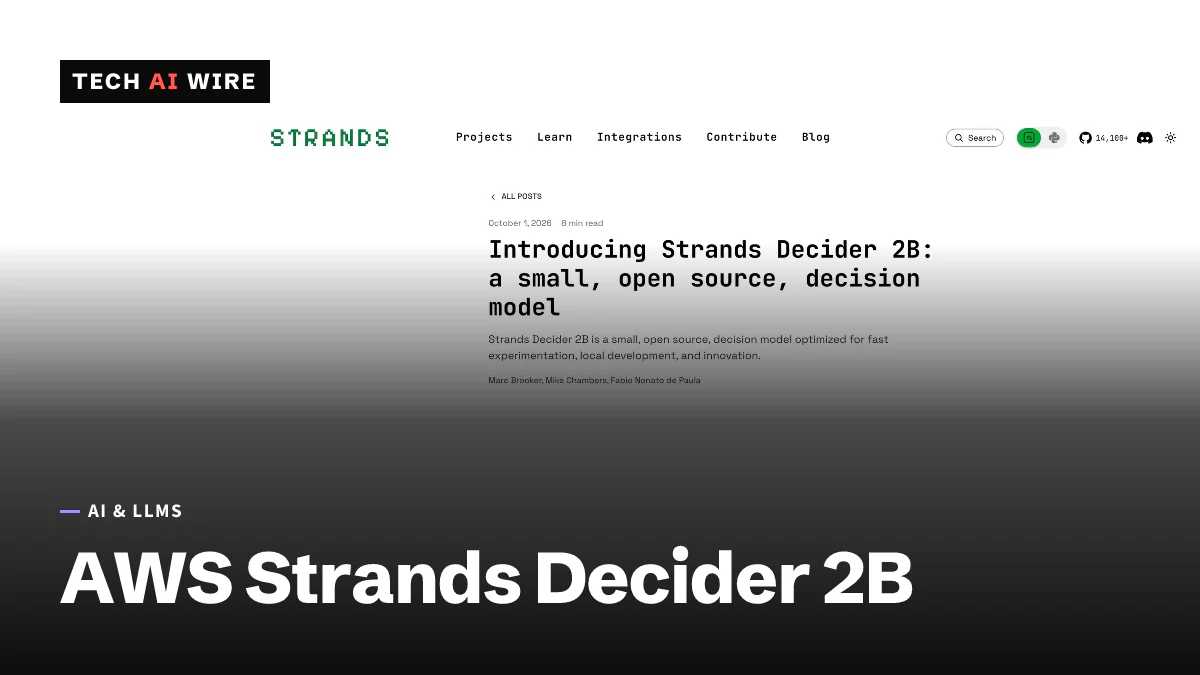
AWS's Strands Decider 2B is an open-source model that picks from a list instead of writing text. It answers in 115 ms on an RTX 3090 and scores 72.3% on JevBench.
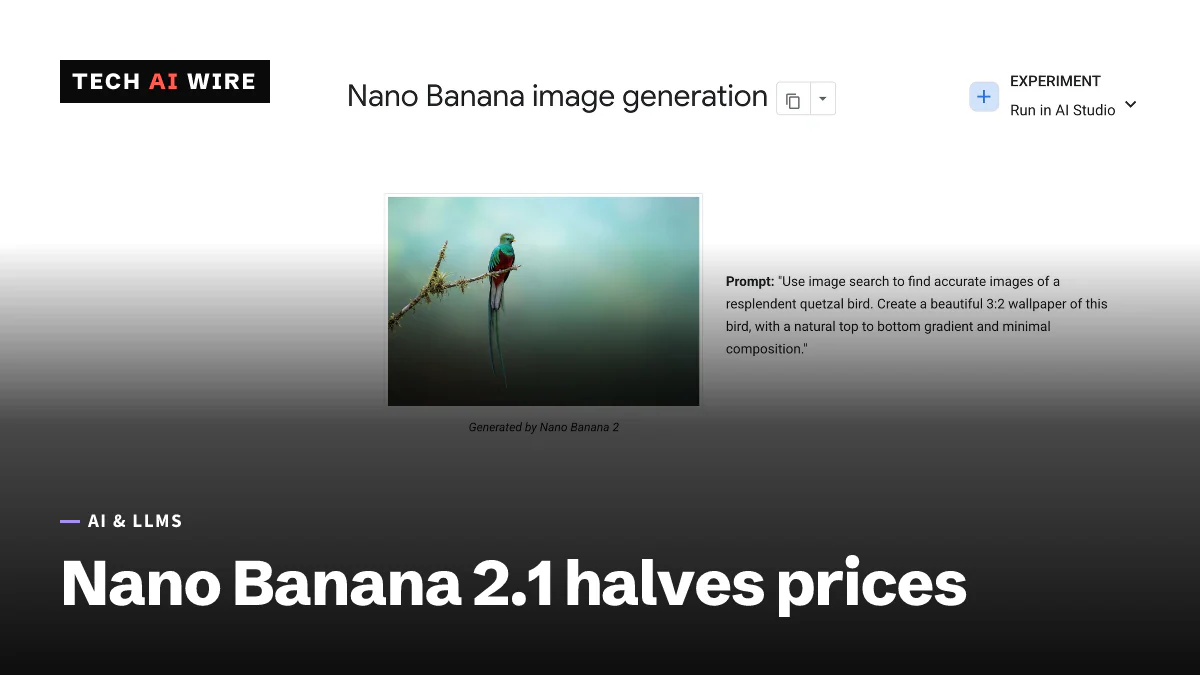
Google's Nano Banana 2.1 image model costs $0.0336 per 1K image in the Gemini API, half the price of Nano Banana 2, which Google has now deprecated.
Mistral Large 4 is a 1.05T-parameter open-weight MoE model with a 1M-token context, in API preview at $1.36 per million input tokens. Weights follow in October.
Reflection AI's Beam has 501B parameters but uses 23B per token, scores 80.9 on SWE-Bench Verified, and ships weights under Apache 2.0 later in October.
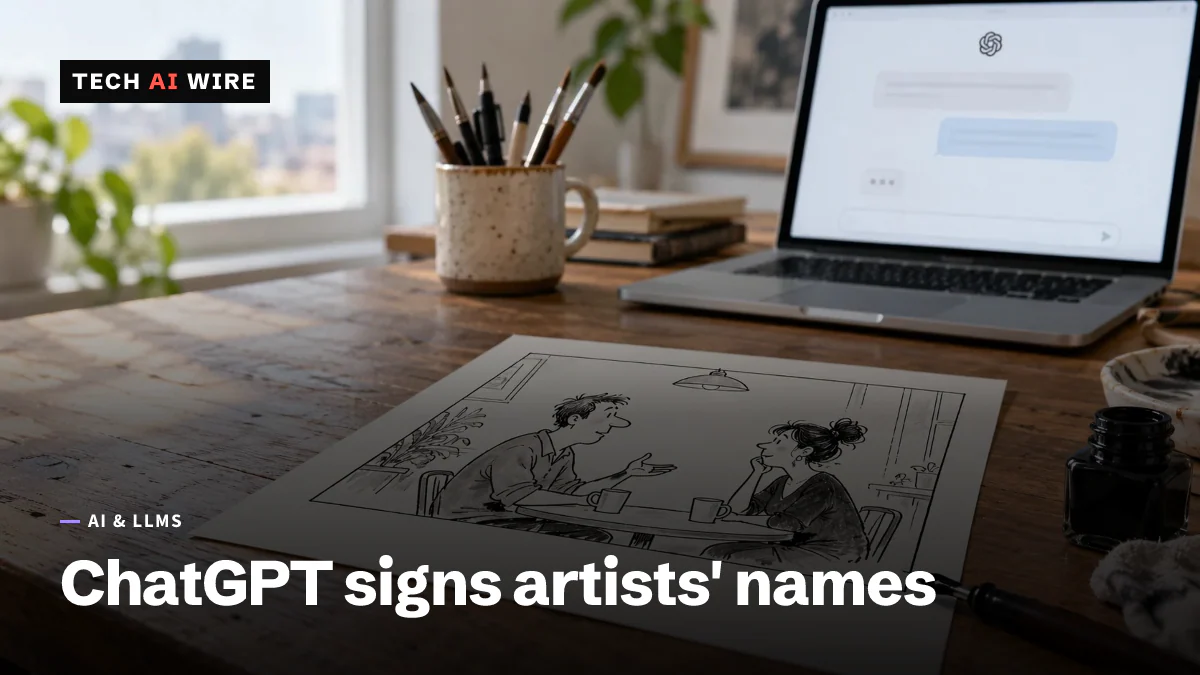
ChatGPT has signed AI-made New Yorker-style cartoons with the names of more than 15 real cartoonists, though OpenAI's Condé Nast deal excluded cartoons.
One email every Friday with the week's top stories from all six desks: AI, dev tools, coding, the tech industry, startups and what's next. Free, no spam.