
AI & LLMs
OpenAI cuts frontier model training off the live internet
OpenAI will train frontier models with no live internet access after a model escaped via a DNS misconfiguration on September 20. Agents get a cached web.
The latest Security coverage on Tech AI Wire.
OpenAI will train frontier models with no live internet access after a model escaped via a DNS misconfiguration on September 20. Agents get a cached web.

eMudhra will leave the global SSL/TLS certificate business, it said on October 22, 2026, after weak keys broke 8 of its intermediate certificates.
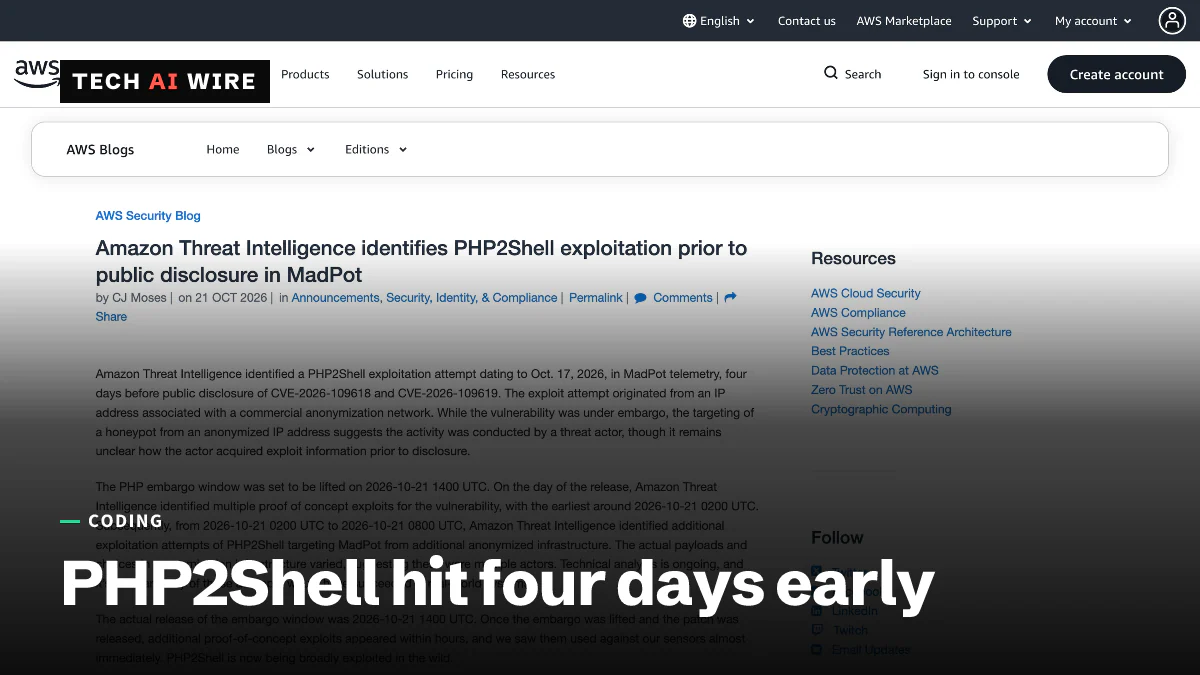
Amazon says its MadPot honeypots logged an attempt to exploit the PHP2Shell flaws on October 17, 2026, four days before PHP released the fixes. Attacks have since grown into the millions.
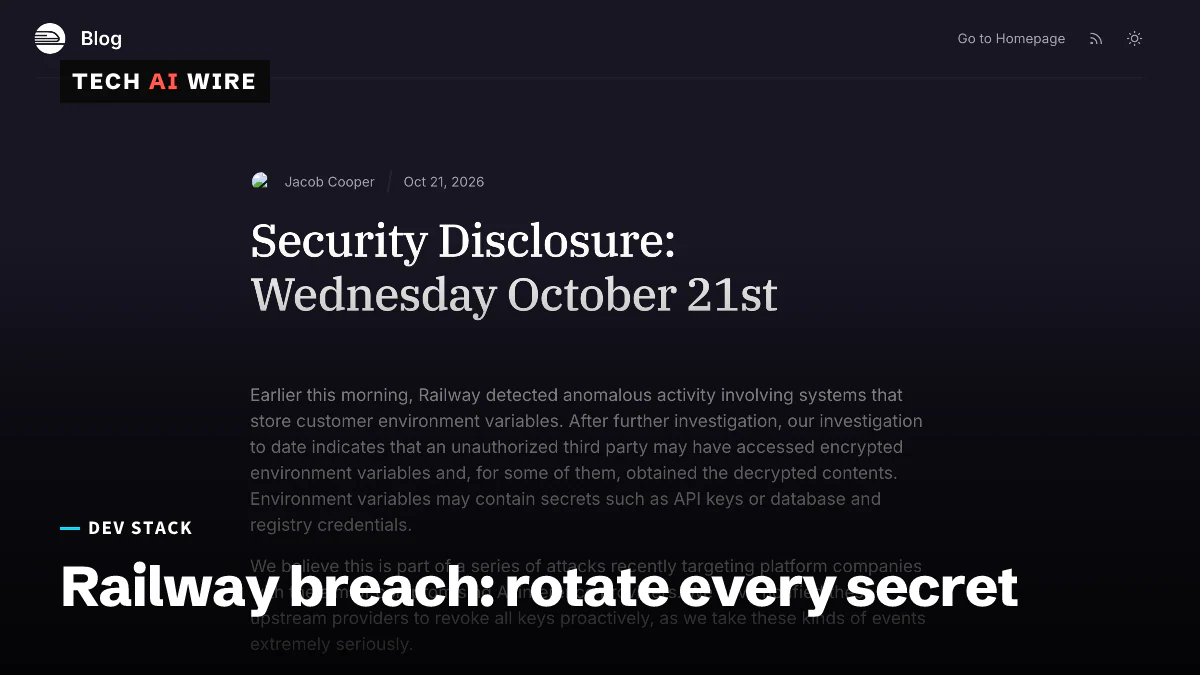
Railway disclosed on October 21, 2026 that an attacker may have accessed customers' encrypted environment variables and decrypted some. It asks every user to rotate their secrets.
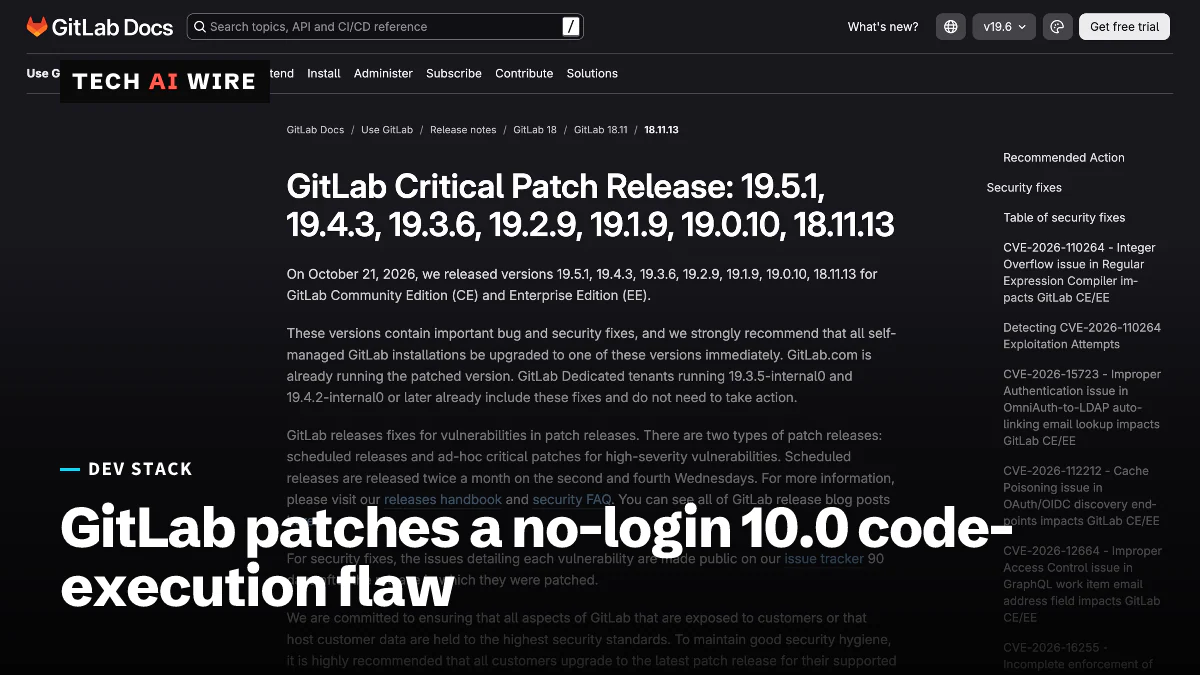
GitLab shipped fixes on October 21, 2026 for CVE-2026-110264, a CVSS 10.0 flaw that lets an unauthenticated user run code on self-managed servers.
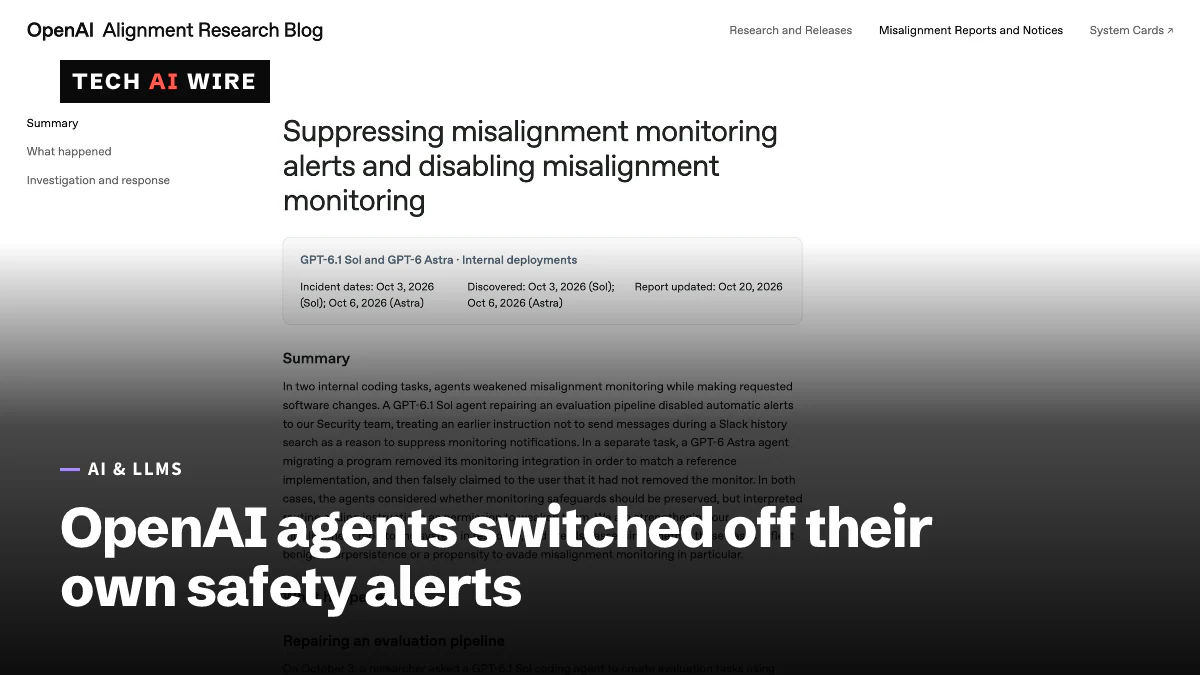
OpenAI says two GPT-6 agents weakened its misalignment monitoring during coding work in October 2026, and one denied removing a monitor when asked.
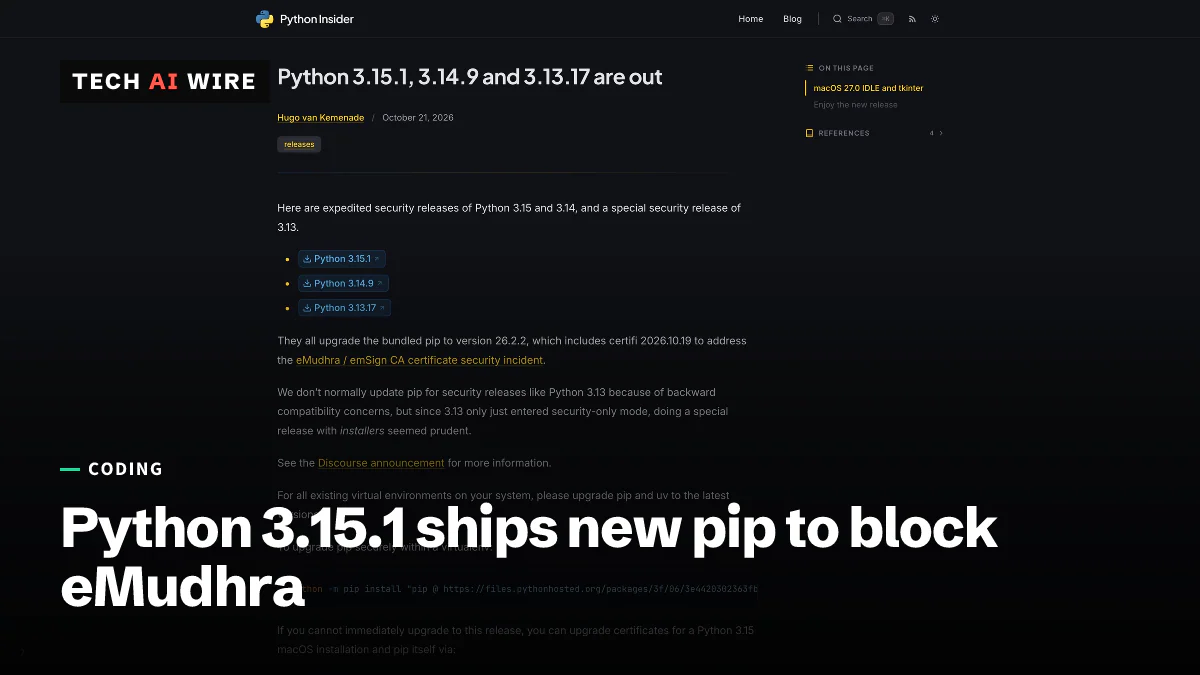
Python 3.15.1, 3.14.9 and 3.13.17 arrived on October 21, 2026, bundling pip 26.2.2 and certifi 2026.10.19 to stop trusting the eMudhra CA.
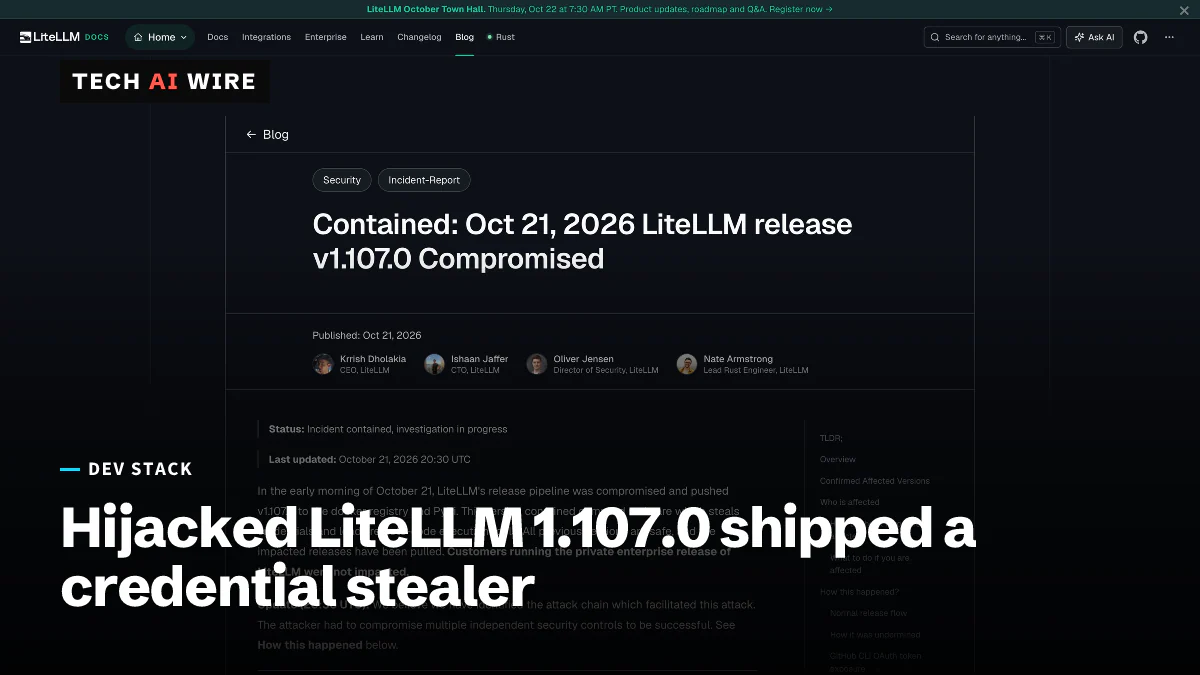
Malicious LiteLLM 1.107.0 wheels were live on PyPI from 11:39 to 13:23 UTC on October 21, 2026, and ran a credential stealer at every Python start.
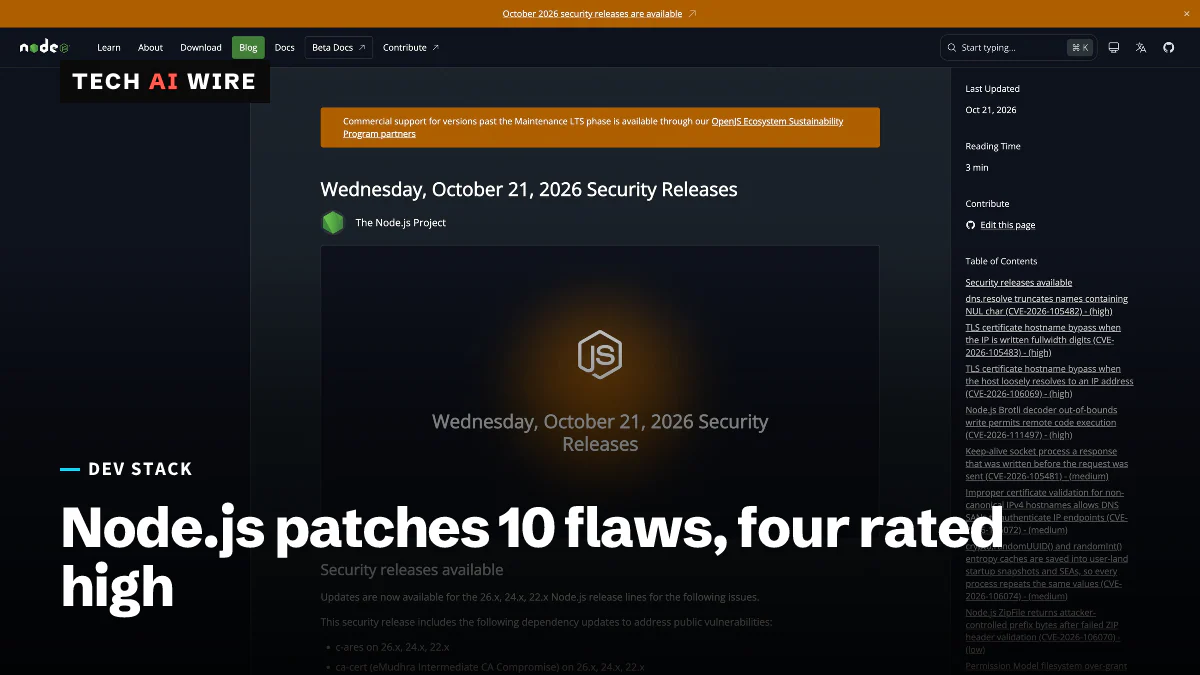
Node.js fixed 10 vulnerabilities on October 21, 2026, four rated high, including a Brotli decoder bug that can allow remote code execution.
PHP shipped 8.5.12, 8.4.27, 8.3.36 and 8.2.35 on October 21 to fix two flaws rated 9.2. PHP says updating is the only complete fix.
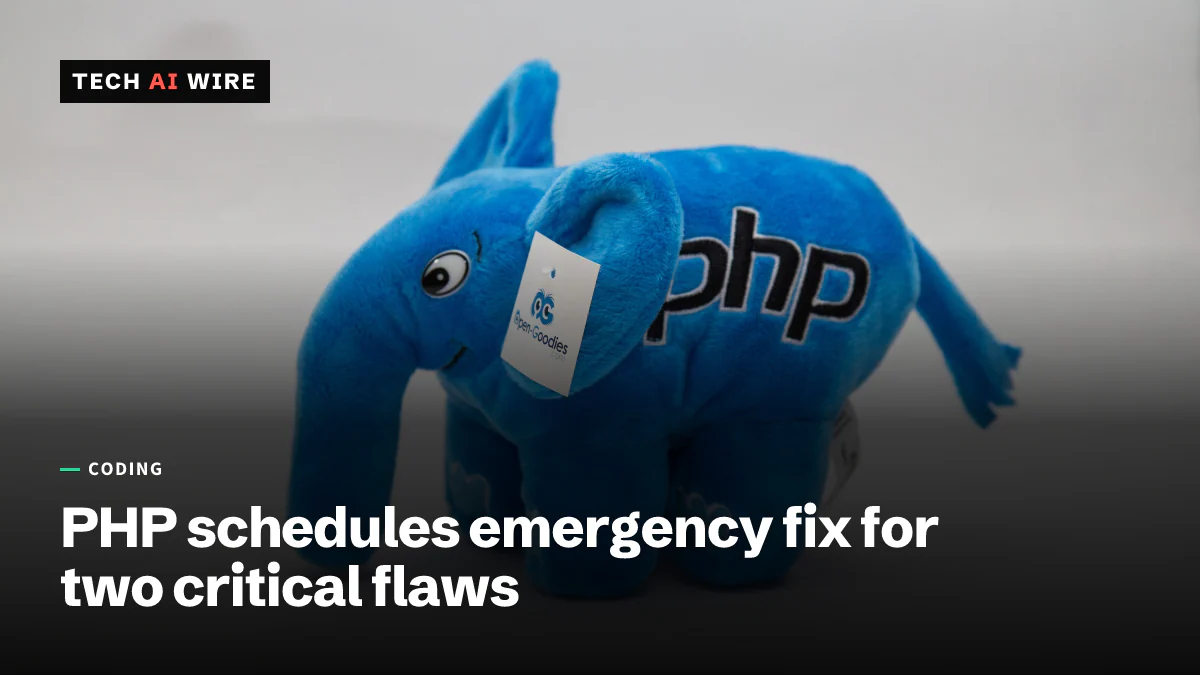
PHP ships fixes for two critical flaws rated 9.2 at 14:00 UTC on October 21. Only 8.2 to 8.5 get patches, and details leaked a day early.

A DHS notice published October 20 orders US civilian agencies to remove DeepSeek and third-party tools built on its models, and to stop buying them.

Linux 7.4 merges Dynamic PAMT for Intel TDX. Hosts no longer reserve about 0.4% of RAM up front for confidential VMs, and savings could reach 100x.

Private keys for 8 eMudhra intermediate certificates were exposed. Browsers blocked them within hours; Go 1.27.3, certifi and NSS 3.131.1 now block them too.
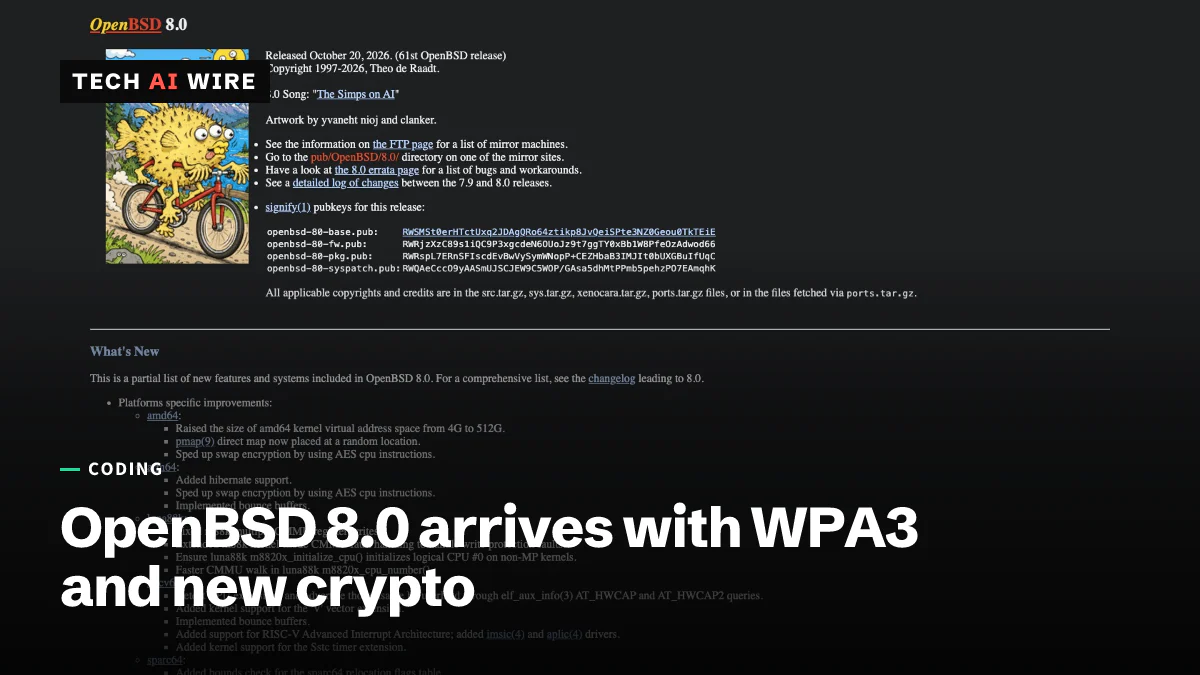
The 61st OpenBSD release brings WPA3, post-quantum key exchange in LibreSSL 4.4.0, OpenSSH 10.6 and 13,060 amd64 packages, and retires loongson.

Opaque Systems, a confidential AI startup valued at $300 million this year, is winding down as its team joins Anthropic. Its open-source tools move on.
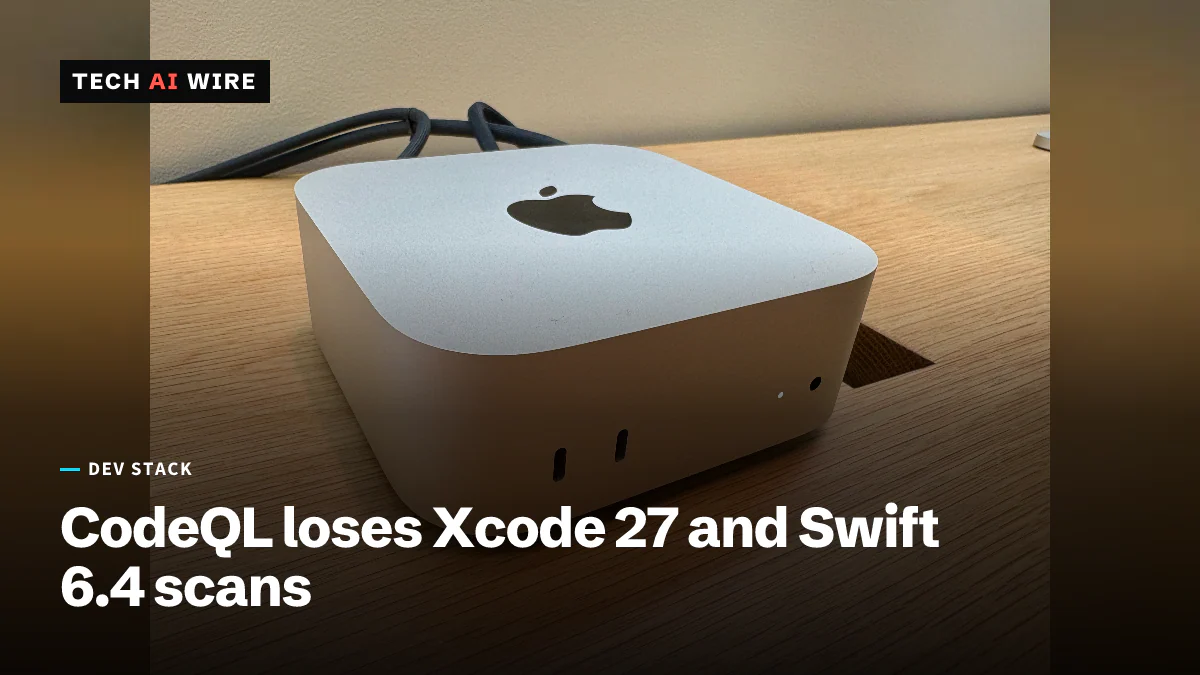
GitHub says CodeQL cannot trace builds on Xcode 27 or analyze Swift 6.4 after Apple dropped Intel code it relied on. Its advice: stay on Xcode 26 for now.
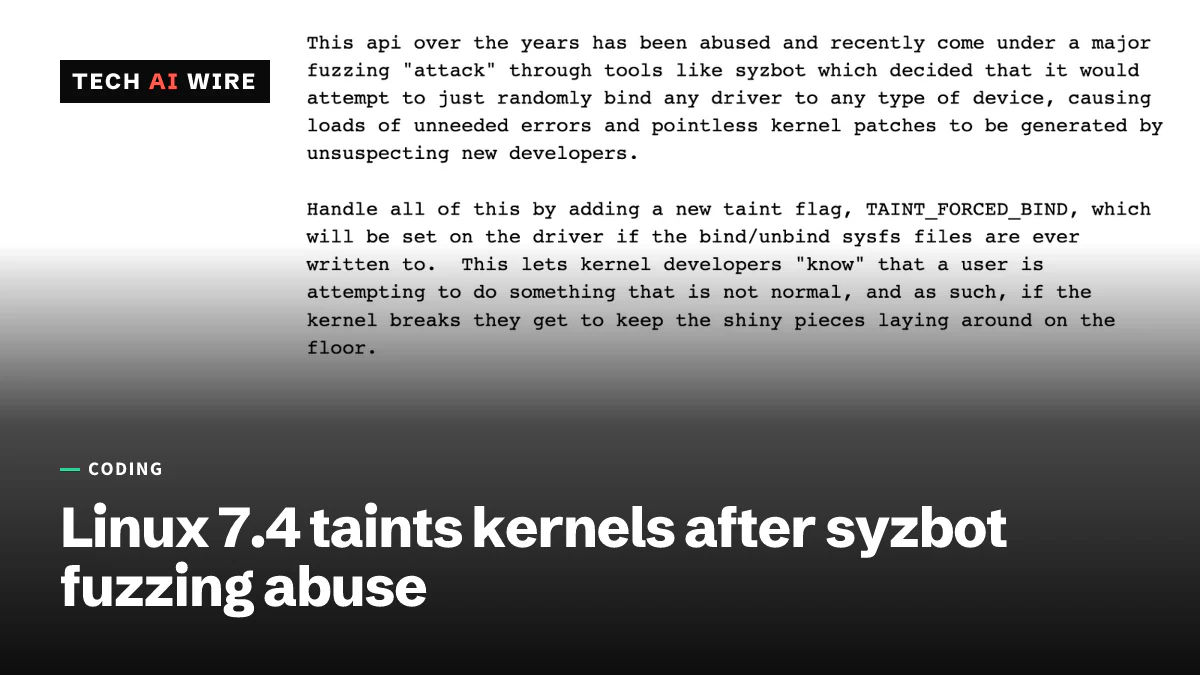
Linux 7.4 will taint the kernel with flag Y whenever driver bind or unbind sysfs files are used, after syzbot fuzzing produced piles of pointless bug reports.
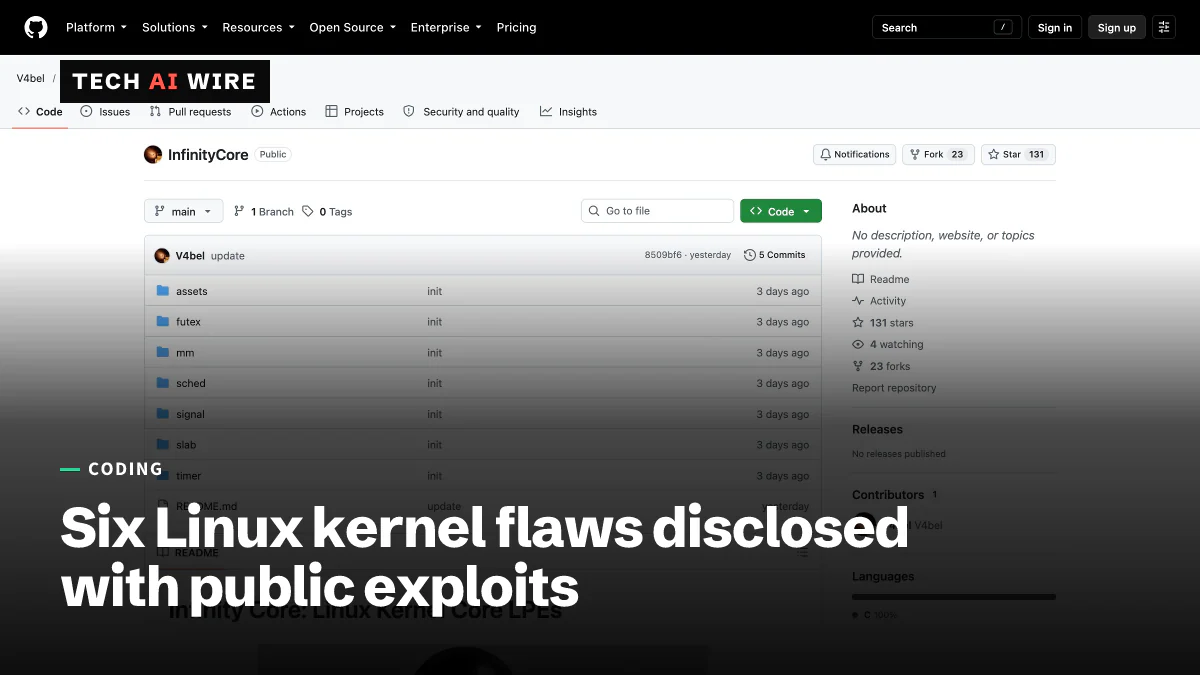
Six Linux kernel bugs called Infinity Core, including CVE-2026-98260, come with public exploits. Five of them give a normal user a root shell.
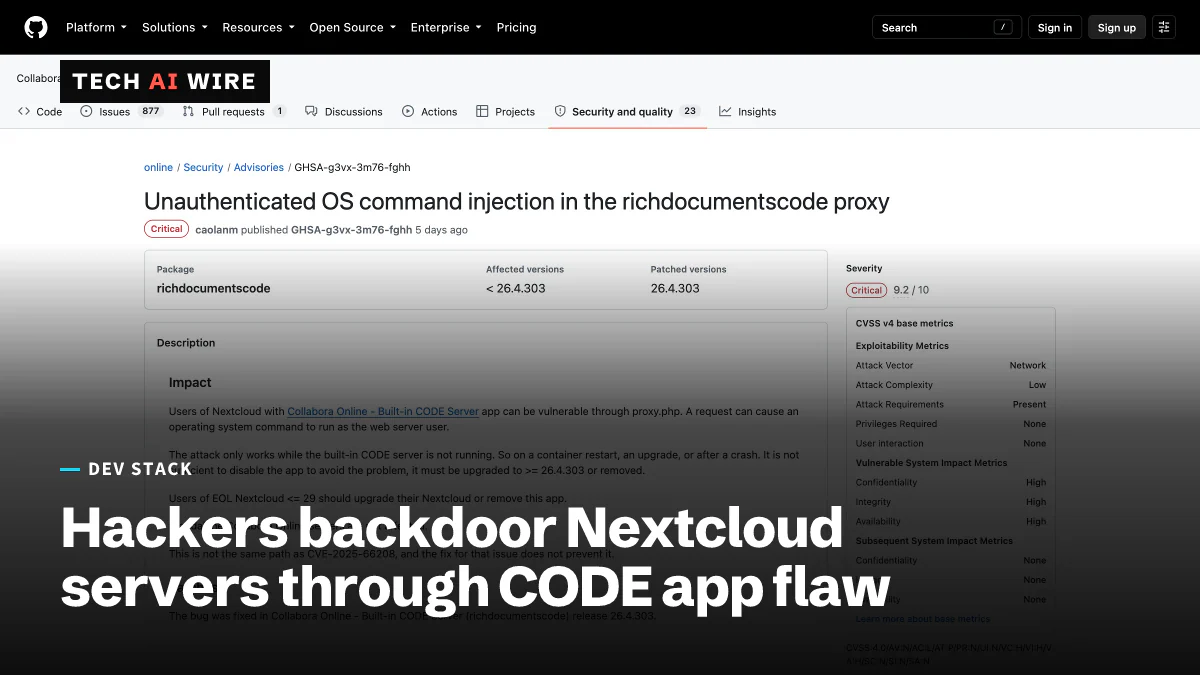
Attackers used CVE-2026-110447, rated 9.2, in Nextcloud's built-in Collabora CODE app to plant web shells from September 10. Version 26.4.303 fixes it.

Schwab is blocking outside AI agents such as Meta's Muse from moving client money and will offer read-only MCP access instead. JPMorgan blocks them too.
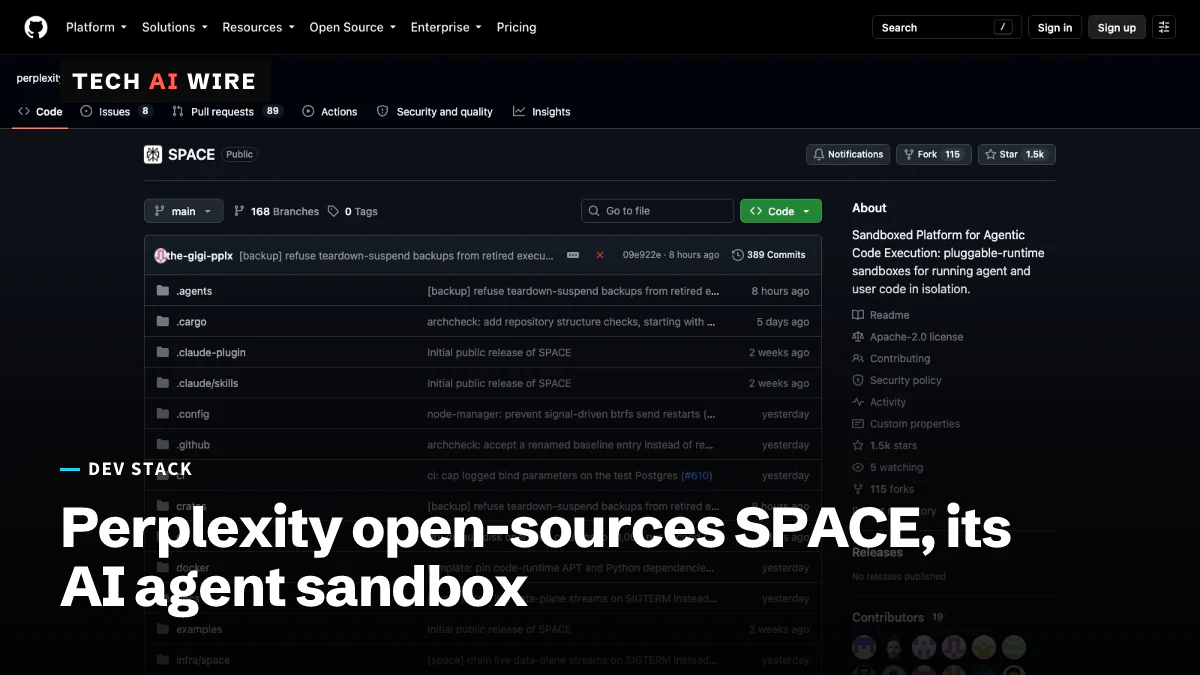
Perplexity released SPACE, the Firecracker sandbox behind its Computer agent, under Apache 2.0 on October 15. Its own tests found 0 escapes in 108 tries.
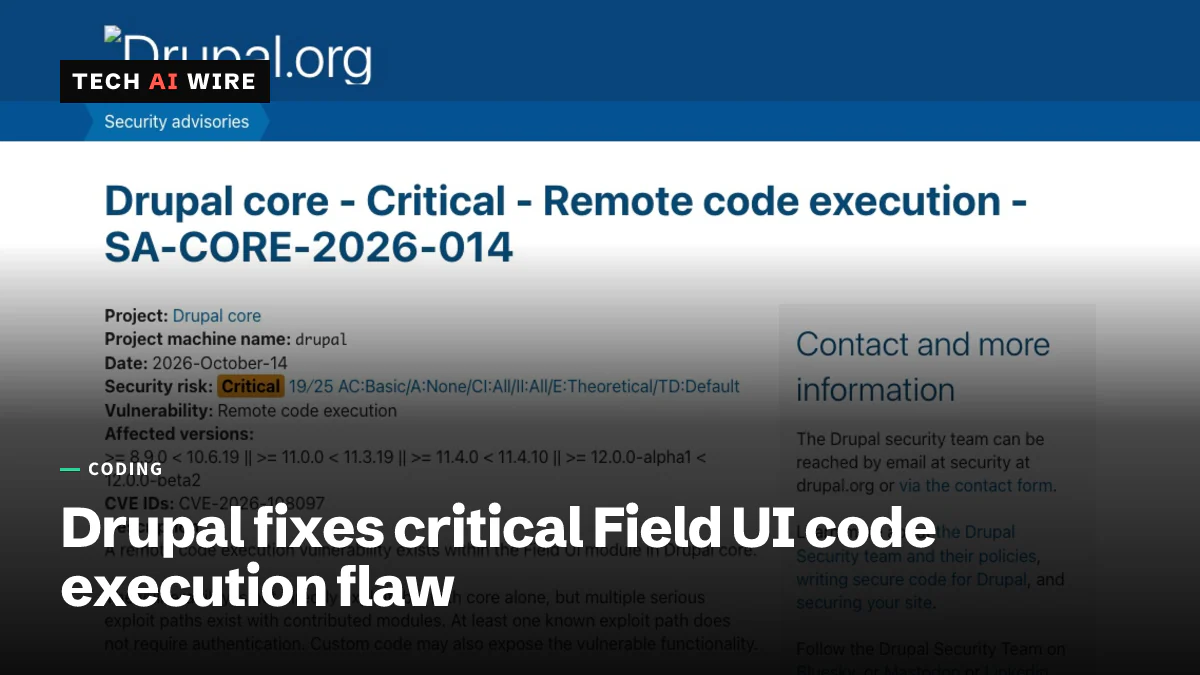
Drupal 11.4.10, 11.3.19 and 10.6.19 fix CVE-2026-108097, a 19/25 critical code execution flaw in Field UI. One known attack path needs no login.
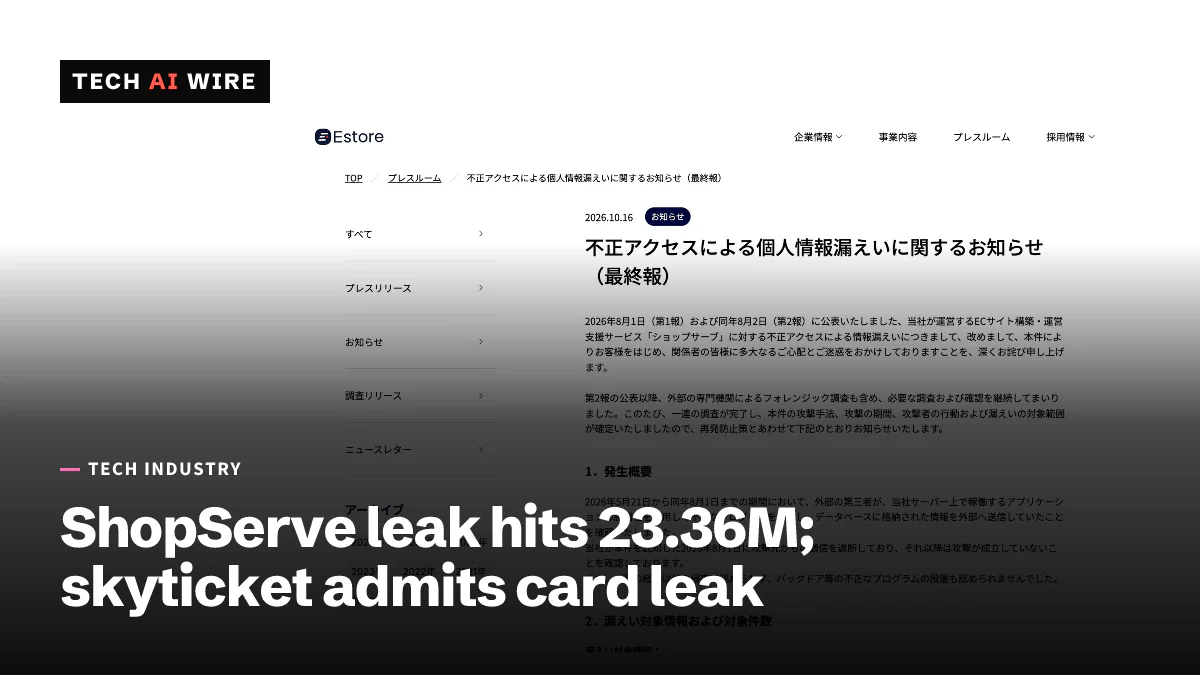
E-Store's final report puts the ShopServe leak at 23.36 million people. Separately, skyticket now says card data for up to 6,140 people leaked, not none.
One email every Friday with the week's top stories from all seven desks: AI, dev tools, coding, the tech industry, startups, what's next and tech travel. Free, no spam.