Coding
Linux 7.2.6 leads a 9,000-patch stable kernel batch
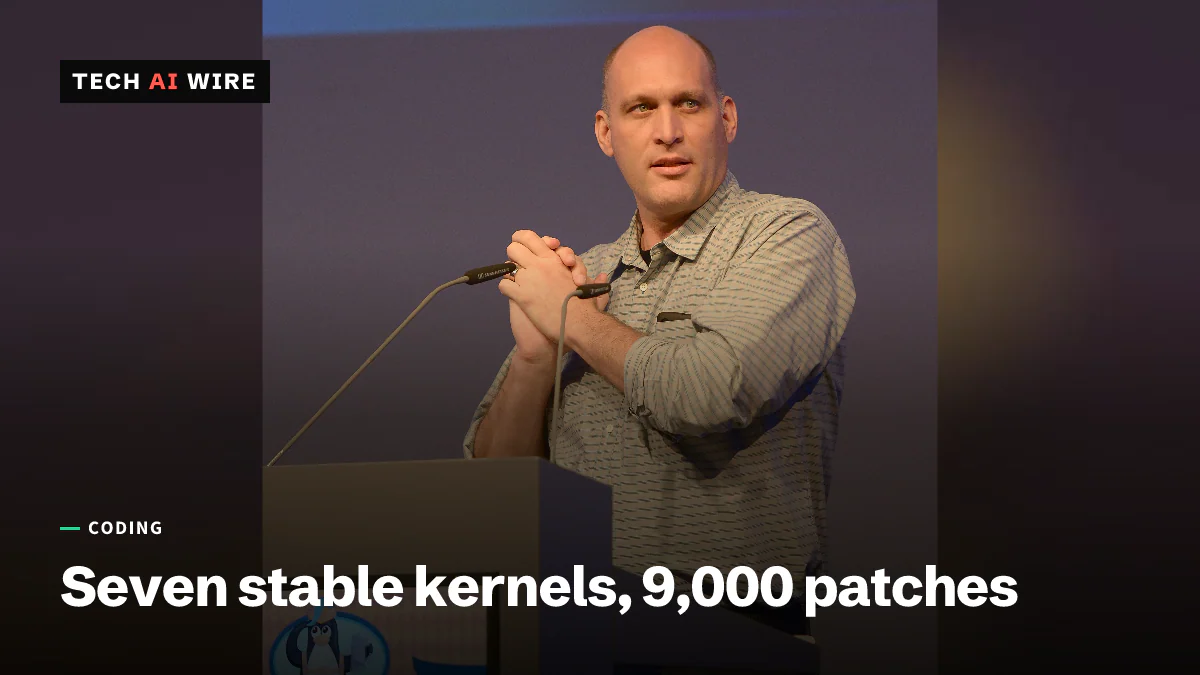
Greg Kroah-Hartman released seven stable kernels at once, with more than 9,000 patches between them and over 1,800 in Linux 7.2.6 alone.
Languages, practices, and engineering stories that change how you code.
Greg Kroah-Hartman released seven stable kernels at once, with more than 9,000 patches between them and over 1,800 in Linux 7.2.6 alone.

A kernel branch would delete about 247,000 lines by dropping deprecated 32-bit ARM platforms and the drivers only they used.

ARCTIC's arctic_fan_controller driver moves from GPLv2+ to GPLv2+ and BSD-2-Clause in Linux 7.4, so other systems can reuse the $8.99 device's code.
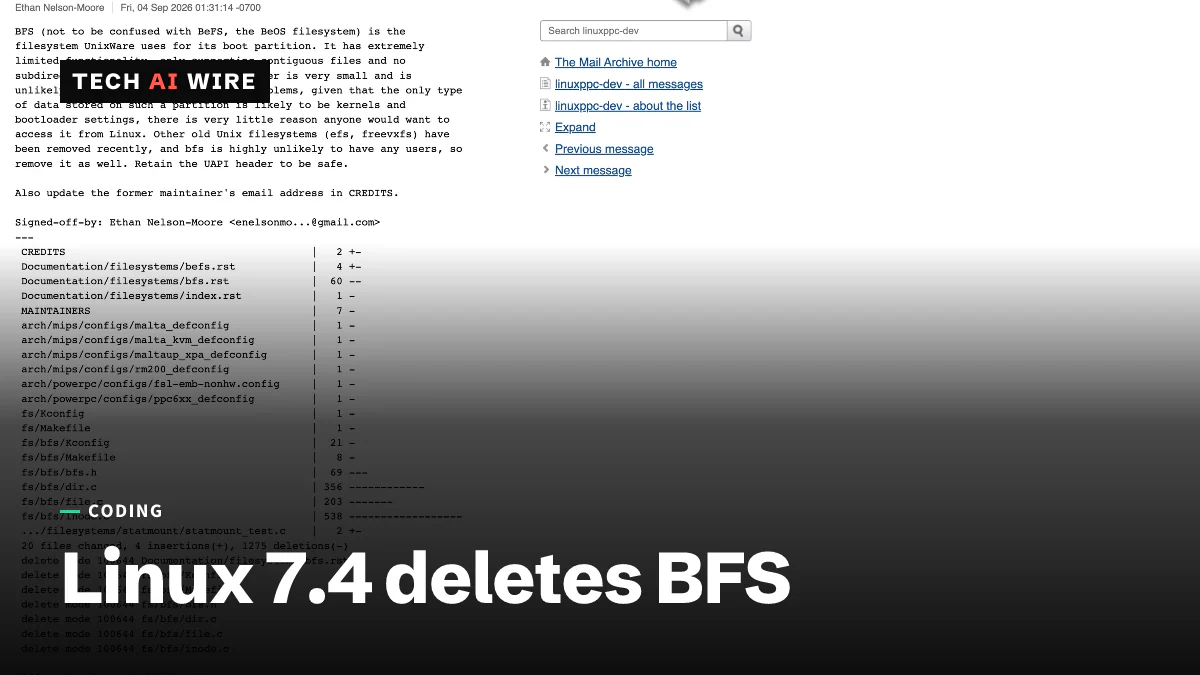
A patch deleting 1,275 lines of BFS support is queued for Linux 7.4, one kernel cycle after EFS and FreeVxFS were dropped for the same reason.
Rust's never type, written !, is the type of code that never produces a value. It is stable in Rust 1.100 after ten years, and it changes type fallback.
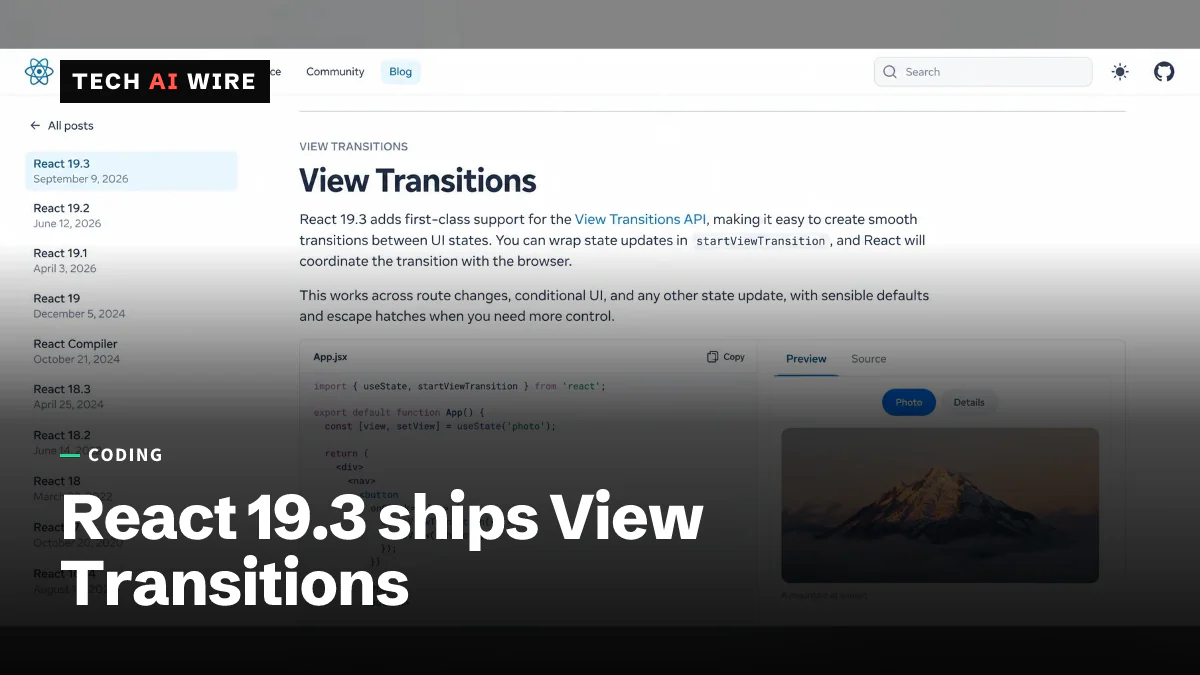
React 19.3 shipped on September 9, 2026. View Transitions and Fragment Refs are now stable, and the release carries no breaking changes.

RFC 10008 gave HTTP a QUERY method in June 2026: safe and idempotent like GET, with a request body like POST. Almost nothing implements it yet.
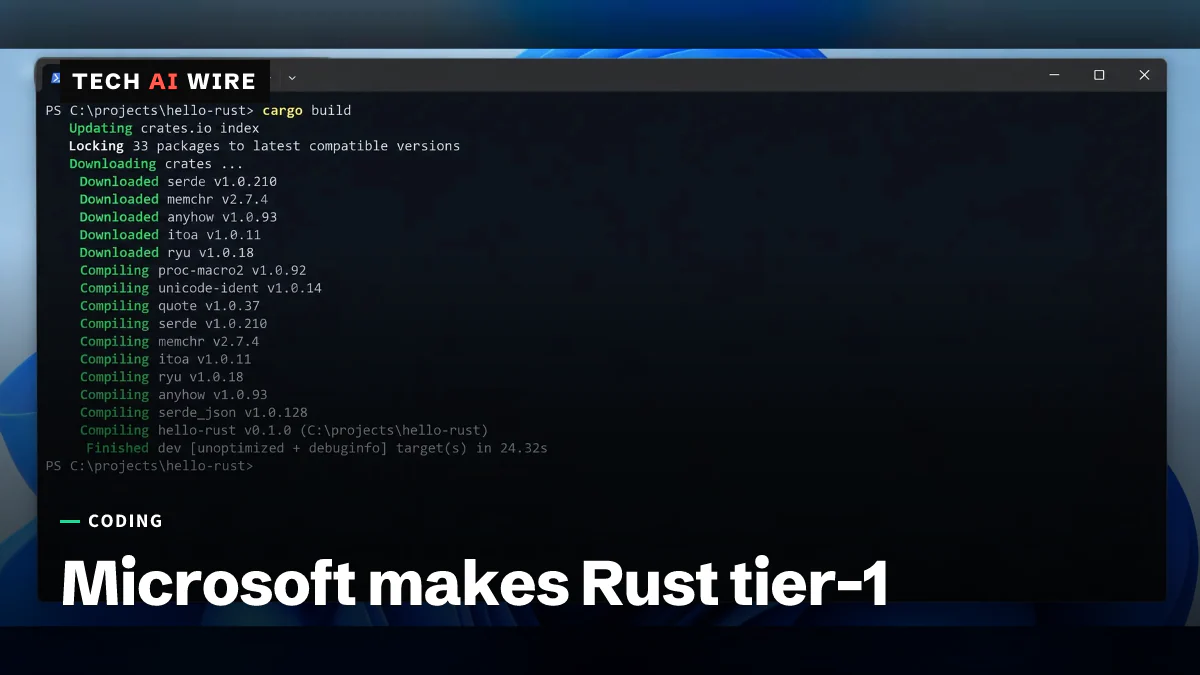
Microsoft made Rust a tier-1 language beside C++, C# and TypeScript. More than 100 of its repositories now build Rust code.
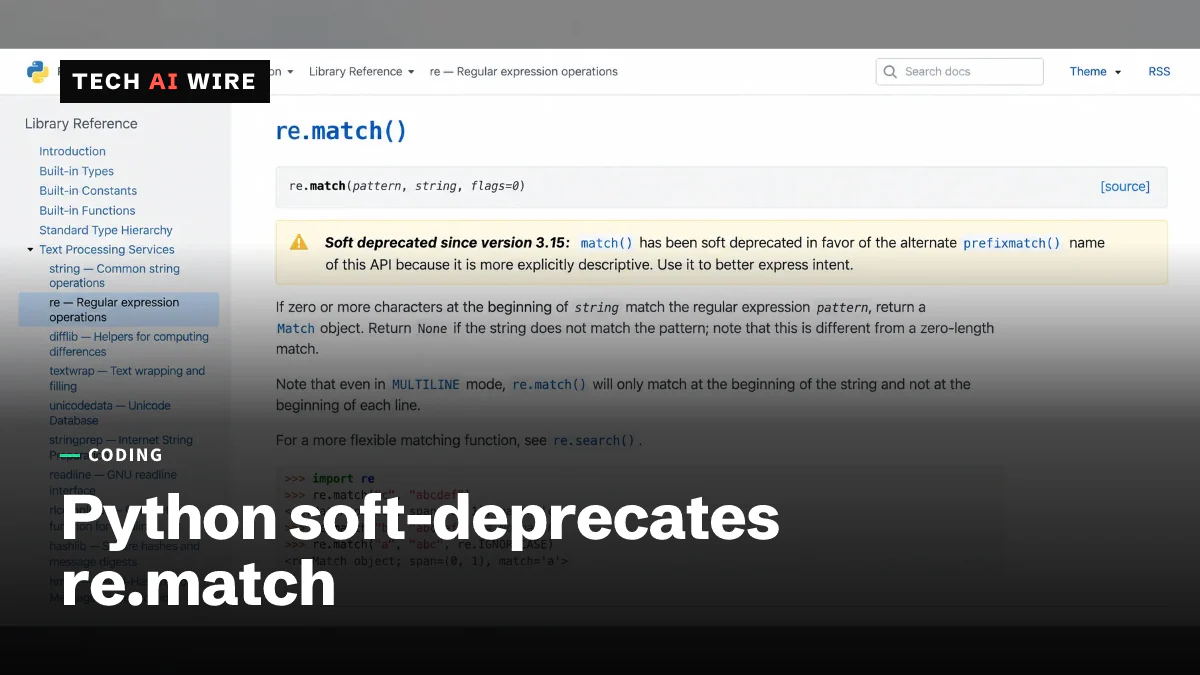
Python 3.15 soft-deprecates re.match() in favor of the new re.prefixmatch(). Nothing breaks, nothing warns, and no removal is scheduled.
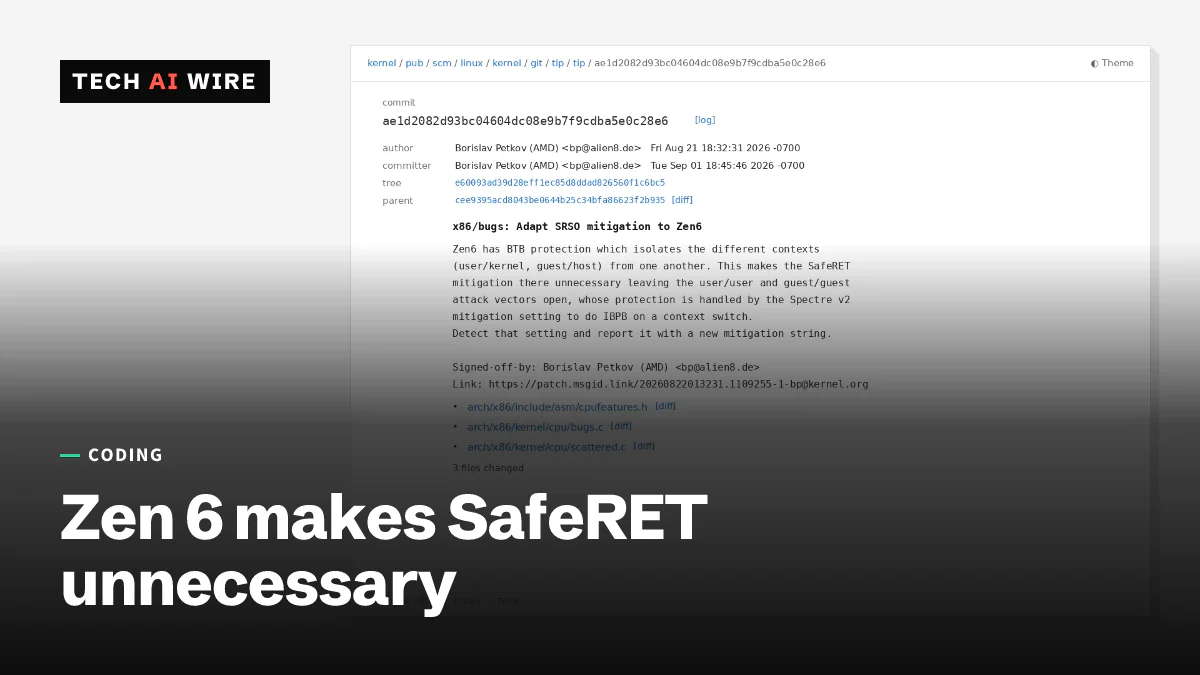
A kernel patch drops the SafeRET software fix on AMD Zen 6, because the chip isolates branch predictions in hardware. User-to-user attacks still need IBPB.
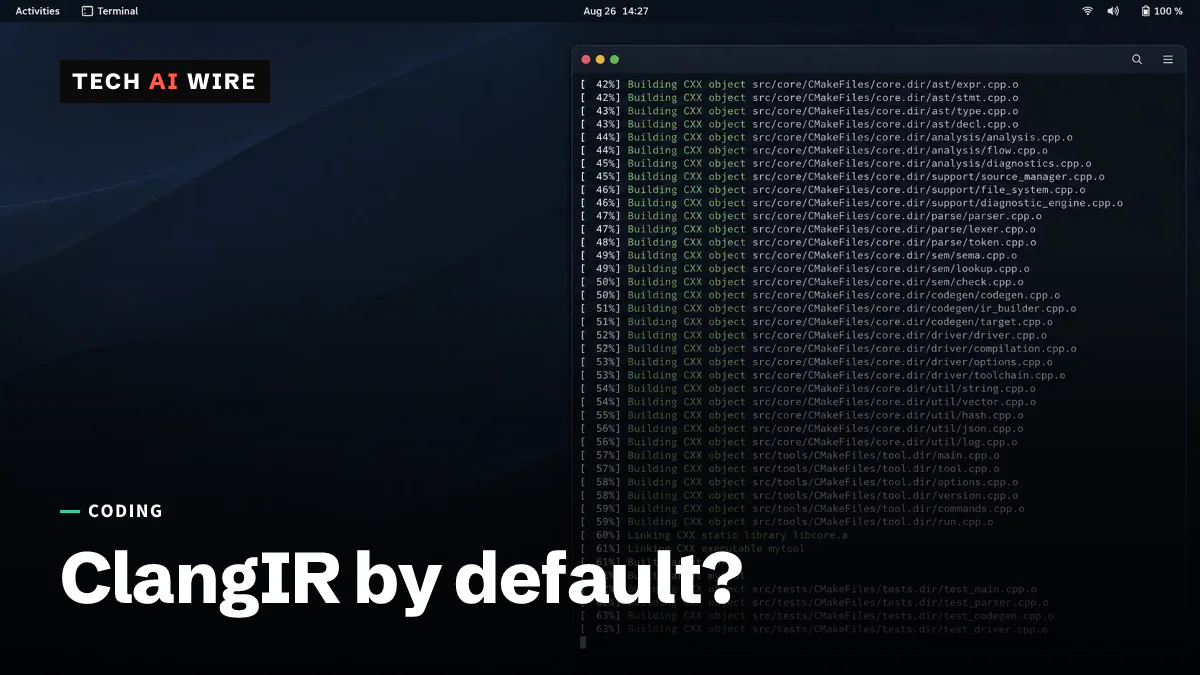
An LLVM RFC proposes compiling ClangIR into Clang by default. Nobody would use it without a flag, but some estimates put build times at more than double.
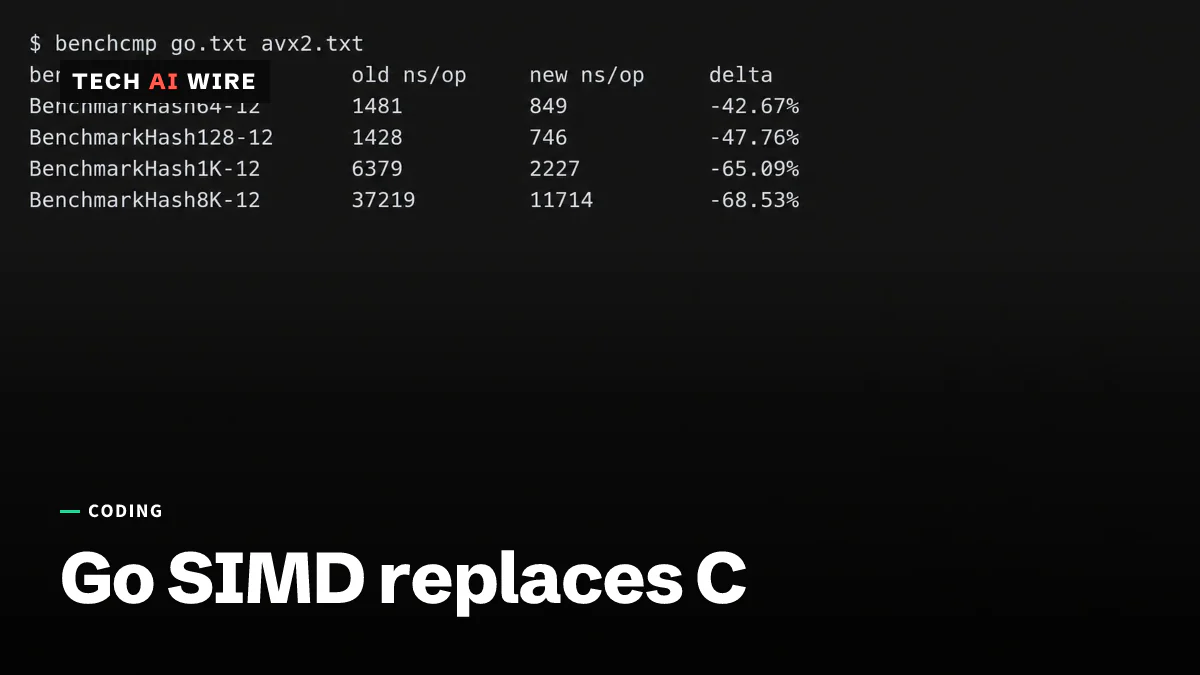
Michael Stapelberg replaced a 7-year-old C library with pure Go using the experimental SIMD package, and matched the C version's speed.
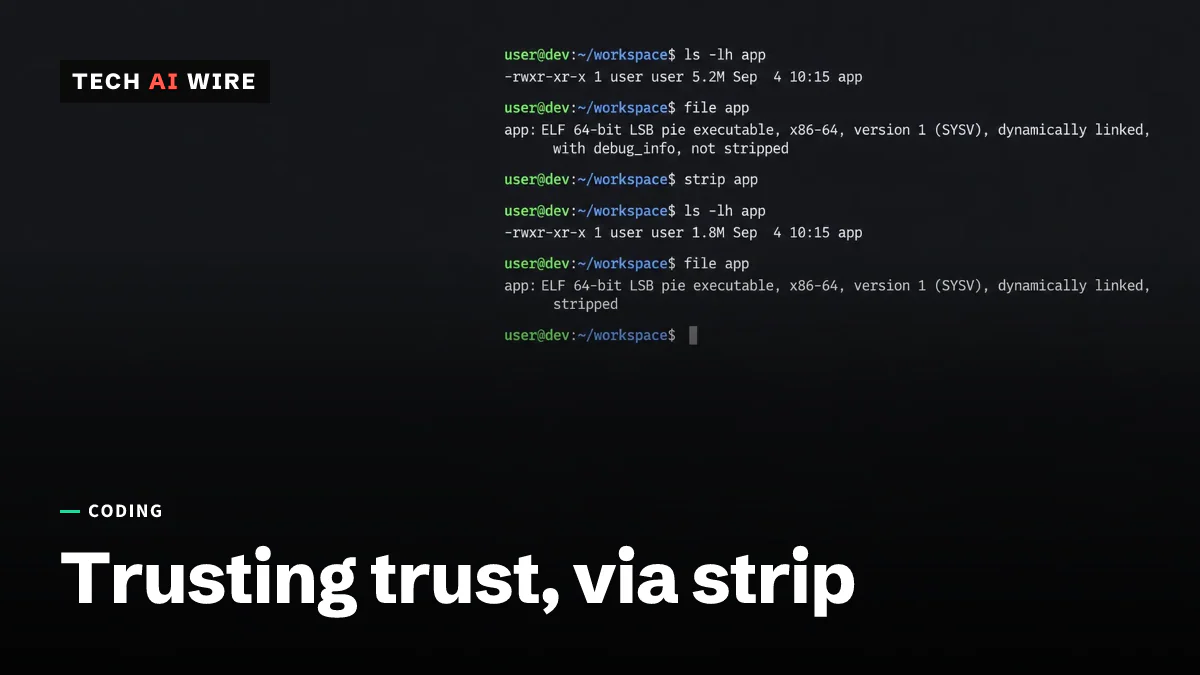
Researchers built Ken Thompson's trusting-trust attack out of GNU strip, not a compiler, and used it to backdoor almost every binary in a NixOS installer.
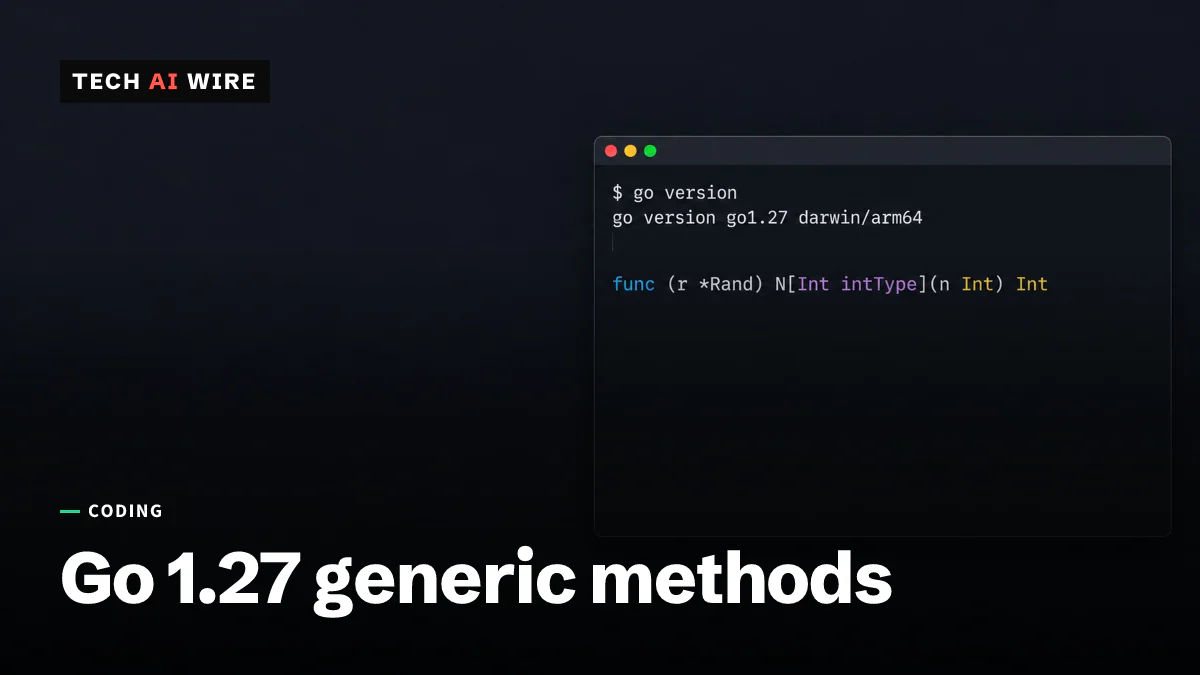
Go 1.27 shipped on August 19, 2026 with generic methods, a v2 engine under encoding/json, goroutine leak profiles and post-quantum signatures.

Anthropic says an internal model wrote 13 million lines of Lean in 11 days, producing a complete machine-checked proof of Fermat's Last Theorem.
A 14-day comment period, named stakeholders and a merge request: GNOME has drafted a formal way to settle the decisions it now makes in chat.
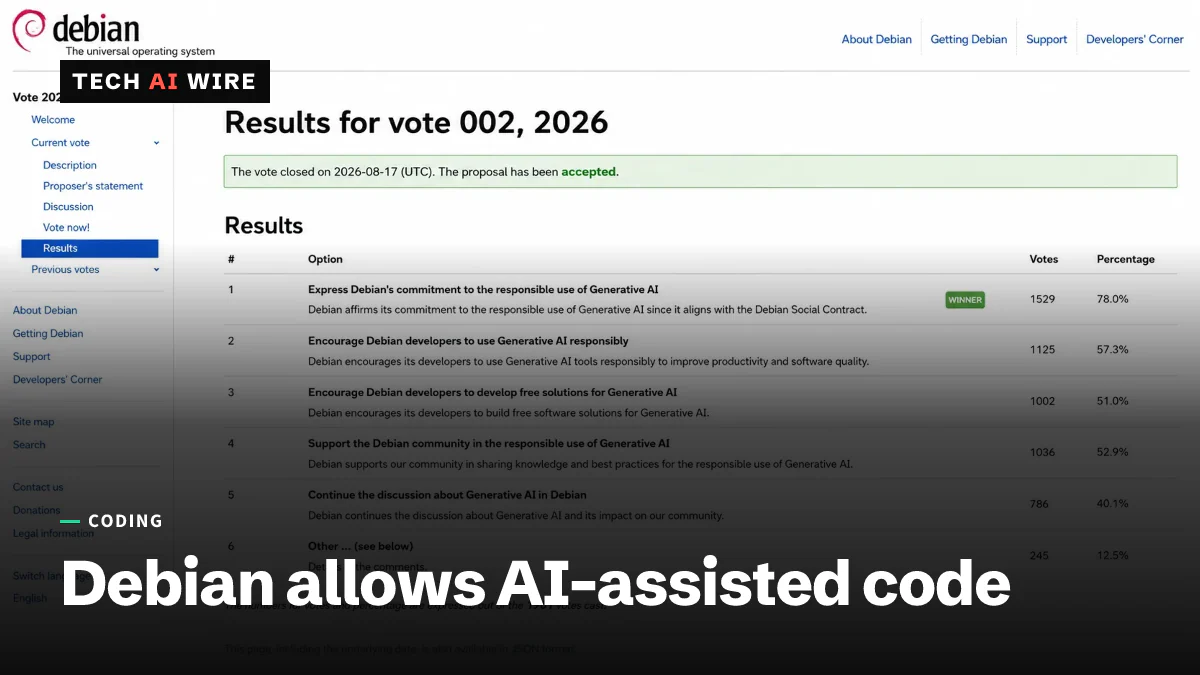
Debian developers picked the 'Responsible Use of Generative AI' option in a vote that closed on August 28, 2026. AI help is allowed, and disclosure stays optional.
A JetBrains survey of 15,509 developers finds agents fully write 47% of code on average. 90% use an agent weekly, and Claude Code leads adoption at 39%.
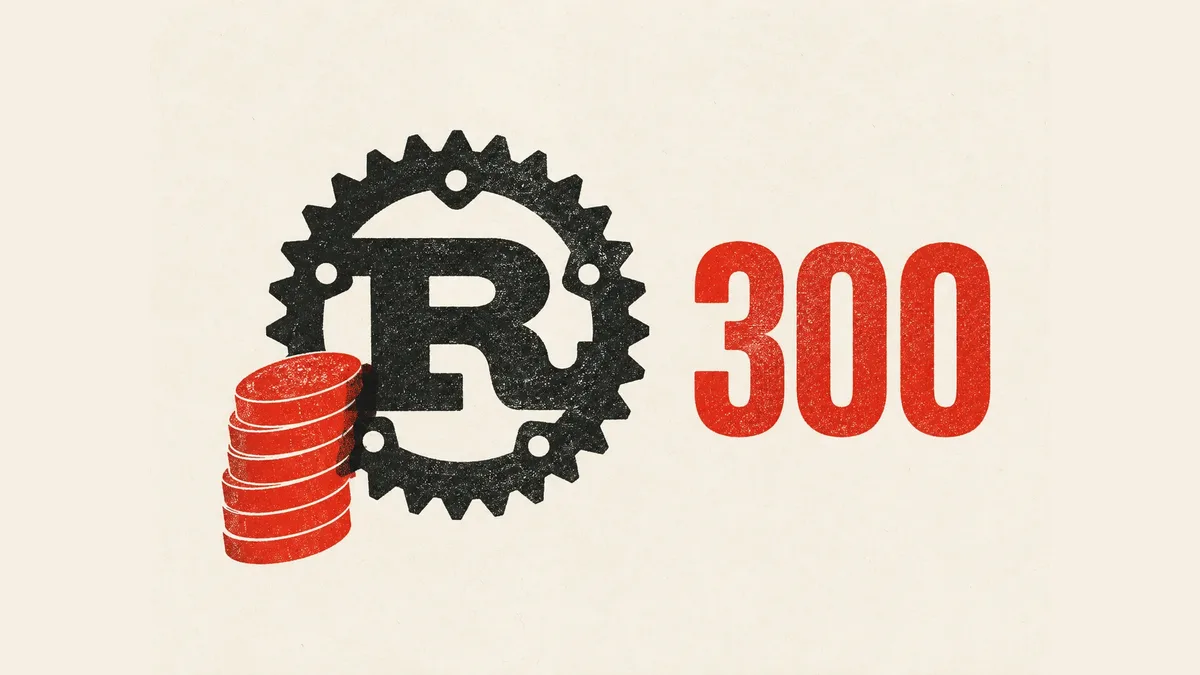
The Rust Foundation Maintainers Fund is now paying six people to maintain Rust, backed by Google, AWS and OpenAI. Clippy's backlog sits near 300 pull requests.

The never type is stable and Infallible is now an alias for it. The catch is a breaking change to type fallback that crater flagged on 3,277 crates.

CCP Games says 95.9% of EVE's 2.4 million lines already parse under both Python versions. The remaining 3,300 lines are the ones that block the move.

Rust's new trait solver is now on by default in nightly - the largest compiler change since 1.0, four years in the making, with stabilization planned within months.
Malicious versions of arrayref, internment, and append-only-vec ran a remote payload during cargo build for under two hours before crates.io removed them.
Modular open-sourced the Mojo compiler and tooling under Apache 2.0 a week after shipping Mojo 1.0 - but it is not taking outside compiler contributions until late 2026.
Three to five stories a day, and what each one means for the people who build software. Free, no spam.