Wood Mackenzie: batteries beat gas peakers in 43 markets
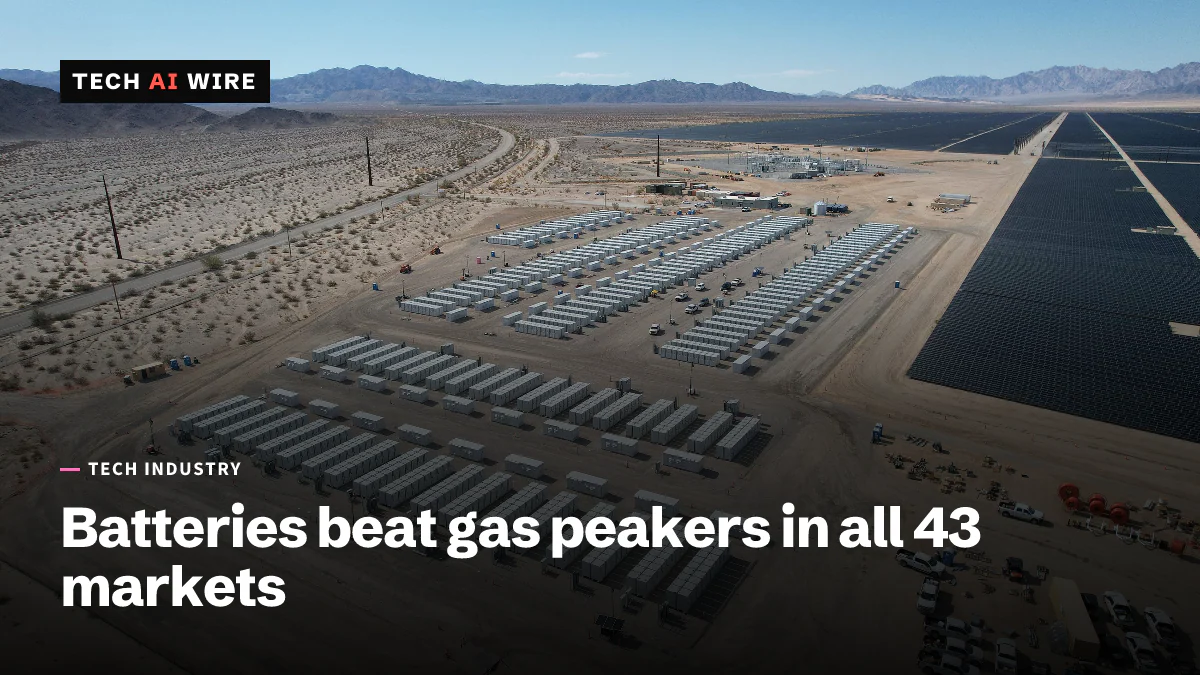
Four-hour batteries now cost less than open-cycle gas peakers in all 43 markets Wood Mackenzie modeled. Solar is the cheapest new power in 43 of 48.
3 min read
By the numbers
- markets where four-hour storage beats gas peakers on cost
- 43 of 43
- markets where solar is the cheapest new power
- 43 of 48
- four-hour storage cost in the Middle East and Africa in 2026
- $120/MWh
- of North American solar protected from near-term cost shocks
- 168 GW
Four-hour battery storage now costs less than open-cycle gas turbines in all 43 markets where Wood Mackenzie modeled both, the energy research firm said on October 8, 2026. Open-cycle turbines are the "peaker" plants that utilities fire up when demand spikes. The finding matters for the AI build-out, because many data centers rely on the same gas turbines for power. "This economic shift is decisive and widening," said Ahmed Jameel Abdullah, a principal analyst at Wood Mackenzie.
What Wood Mackenzie found
The comparison uses levelized cost, the average price of each unit of electricity over a plant's life. A four-hour battery can deliver its full output for four hours, which makes it a direct rival to gas plants that run during daily peaks.
The headline results:
| Finding | Markets |
|---|---|
| Four-hour storage cheaper than open-cycle gas turbines | All 43 where both were modeled |
| Single-axis tracker solar is the cheapest new power | 43 of 48 |
| Onshore wind is the cheapest new power | 5 of 48 |
TechCrunch's write-up says solar is the cheapest new power in every surveyed market. Wood Mackenzie's own release puts it at 43 of 48, with onshore wind ahead in the other five.
"Gas turbine shortages and rising fuel volatility are driving up peaking costs," Abdullah said. Wood Mackenzie expects solar, storage and wind costs to keep falling over the decades to 2060.
The regional numbers
Wood Mackenzie gives these figures by region:
- Middle East and Africa: four-hour storage costs $120 per megawatt-hour in 2026 and should fall 33% to $80 by 2035. Storage beats open-cycle gas on cost in every gas market in the region. Utility solar costs $37 per megawatt-hour.
- China: storage costs more than 55% less than the rest of Asia-Pacific, where the average is $134 per megawatt-hour. That average should fall to $92 by 2036.
- Saudi Arabia and the UAE: solar should drop below $20 per megawatt-hour by 2033.
- Japan, Australia and the Philippines: costs carry a premium.
Why it matters for data centers
Gas turbines have become scarce and expensive as AI data-center developers buy up the available models, TechCrunch reports. It says open-cycle turbines take two to four years to procure, and waitlists for closed-cycle turbines stretch into the early 2030s. Those lead times come from TechCrunch, not from the Wood Mackenzie release.
In North America, Wood Mackenzie says data-center load growth drives a shortfall in gas generation through the late 2030s. It also points to 168 gigawatts of solar projects protected from near-term cost shocks. TechCrunch explains that these projects qualify for tax-credit safe harbor because construction began, or will finish, before the end of 2027. Storage costs there spike after the investment tax credit phases out from 2038.
Tariffs, anti-dumping duties and other trade rules also push costs up in some markets, Wood Mackenzie says. Big tech is already hunting for power: Google signed a 3,590 MW power deal with Constellation this week.
"It is about storage and solar together redefining what the economics of a power system look like," Abdullah said.
What this means for developers
- Data-center builders: price batteries before turbines. For peak and backup power, four-hour storage now wins on cost in every market Wood Mackenzie modeled. It also avoids a two-to-four-year turbine wait.
- Know the limit of four hours. A four-hour battery covers peaks and short outages, not round-the-clock supply. Most sites will still pair storage with grid power, solar or gas.
- Cloud buyers: watch where providers build. Regions with cheap solar and storage, such as the Middle East, may see new capacity sooner. Power costs shape where new AI regions open.
- Treat the long-range numbers as forecasts. The 2035 and 2060 figures are Wood Mackenzie projections. Tariffs and tax-credit changes can move them.
The next test is whether data-center operators start announcing large battery projects in place of gas peakers.
Sources
Related articles
Firmus pulls $5 billion IPO, turns to private investors
Nvidia-backed Firmus pulled its US$5 billion IPO on October 9, citing volatility. It had sought a US$30.6 billion value, triple its August round.
Yandex shuts Vladimir data center after drone attack
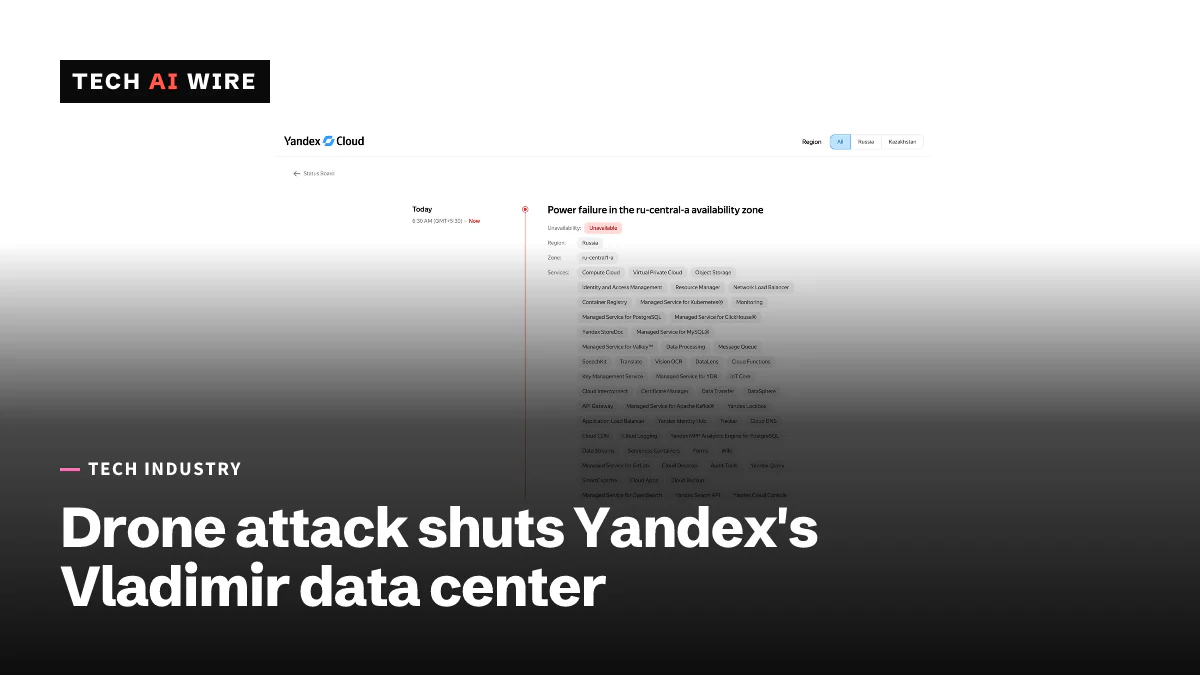
Yandex says an October 11 drone attack shut its Vladimir data center, the third Yandex site hit in four days. Over 80 cloud services were reportedly down.
DayOne files for a Nasdaq IPO with 962 MW in service
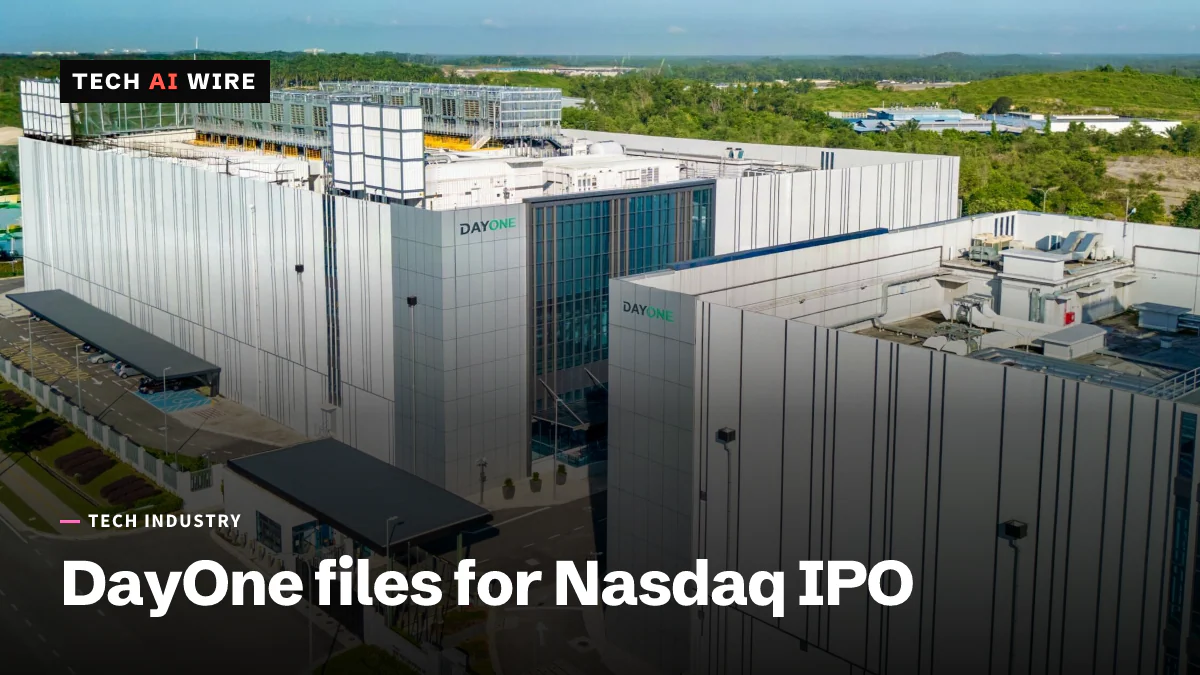
Data center operator DayOne filed for a Nasdaq IPO as DODC. It has 962 MW in service and needs about $11.4B to build the 2,281 MW it has already booked.
The weekly digest
One email every Friday with the week's top stories from all six desks: AI, dev tools, coding, the tech industry, startups and what's next. Free, no spam.