
Tech Industry
Japan steps up cyber warnings after 20+ company breaches
Japan told companies and banks to tighten security on October 9, 2026 after 20+ firms reported attacks. Times Car alone leaked about 6.6 million accounts.
Infrastructure news for the teams who run it: Kubernetes releases such as rootless mode, the traffic figures kernel.org publishes on bots versus real developers, and startups mapping utility lines buried under streets. Each story gives the version or measured numbers and what changes in practice.
Japan told companies and banks to tighten security on October 9, 2026 after 20+ firms reported attacks. Times Car alone leaked about 6.6 million accounts.
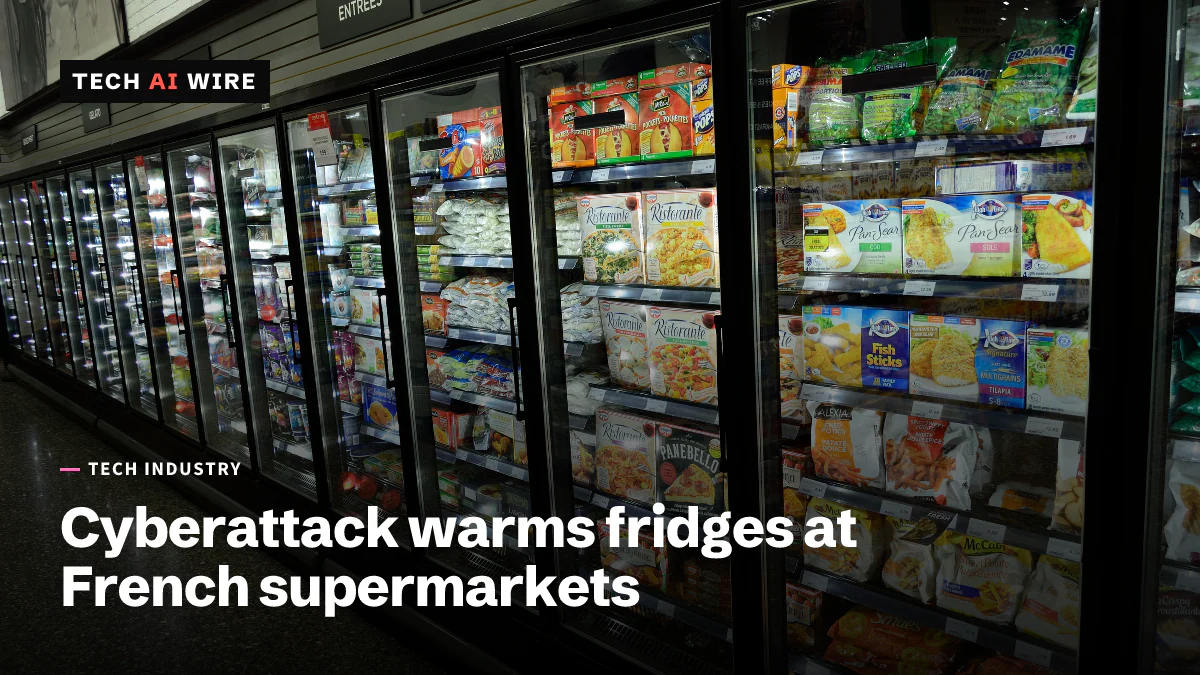
A cyberattack on October 11-12, 2026 changed Danfoss controller settings and warmed fridges in hundreds of French supermarkets. Stores threw food away.
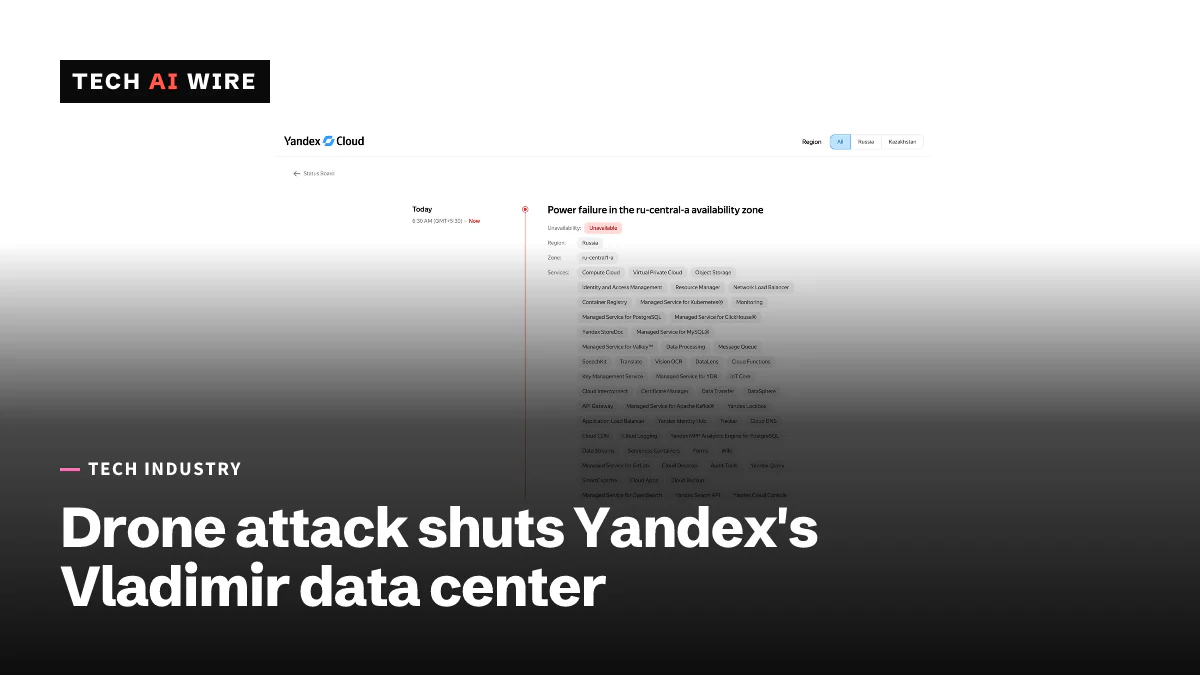
Yandex says an October 11 drone attack shut its Vladimir data center, the third Yandex site hit in four days. Over 80 cloud services were reportedly down.

Musk blamed Mukesh Ambani for Starlink's stalled India launch. India called the claim baseless and says three operators await the same security checks.

Four-hour batteries now cost less than open-cycle gas peakers in all 43 markets Wood Mackenzie modeled. Solar is the cheapest new power in 43 of 48.

Xona will launch six Pulsar satellites on a SpaceX rocket this month. The startup says its GPS alternative reaches centimeter accuracy and resists jamming.

SpaceX will buy Grain Management's 800 MHz spectrum for Starlink Mobile. AT&T, Verizon and T-Mobile shares fell 5% to 7% in after-hours trading on October 8.
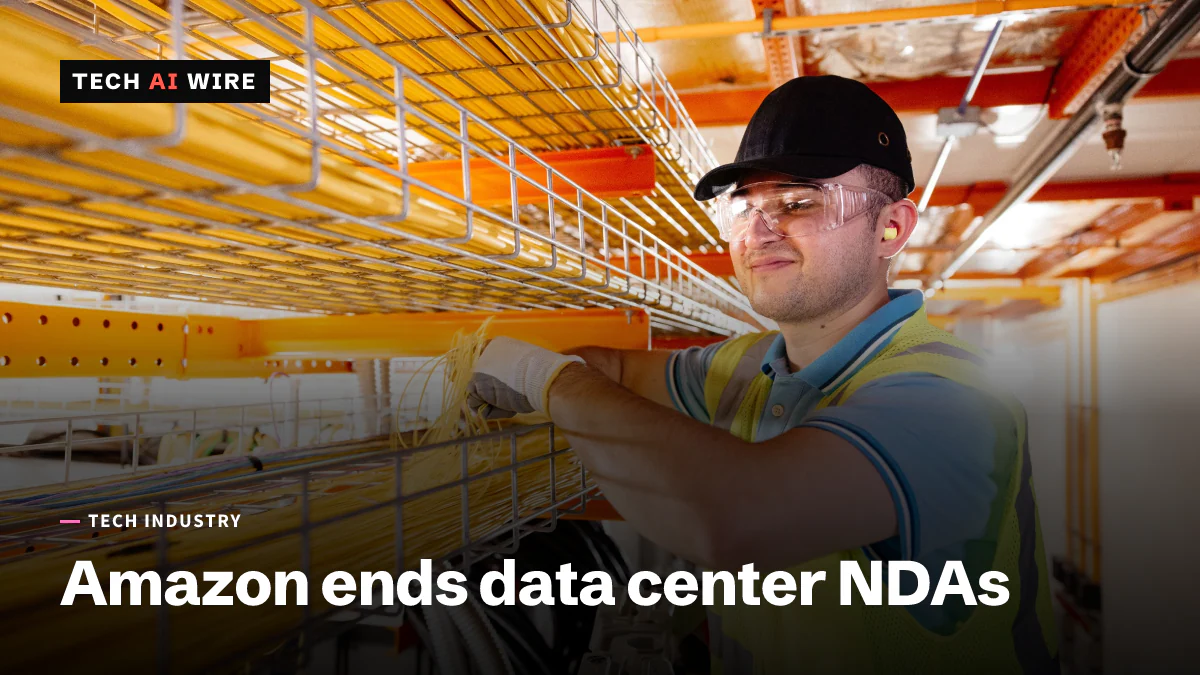
AWS CEO Matt Garman says Amazon no longer signs NDAs with government agencies on data centers and will fund a $1B Built Together program for host towns.
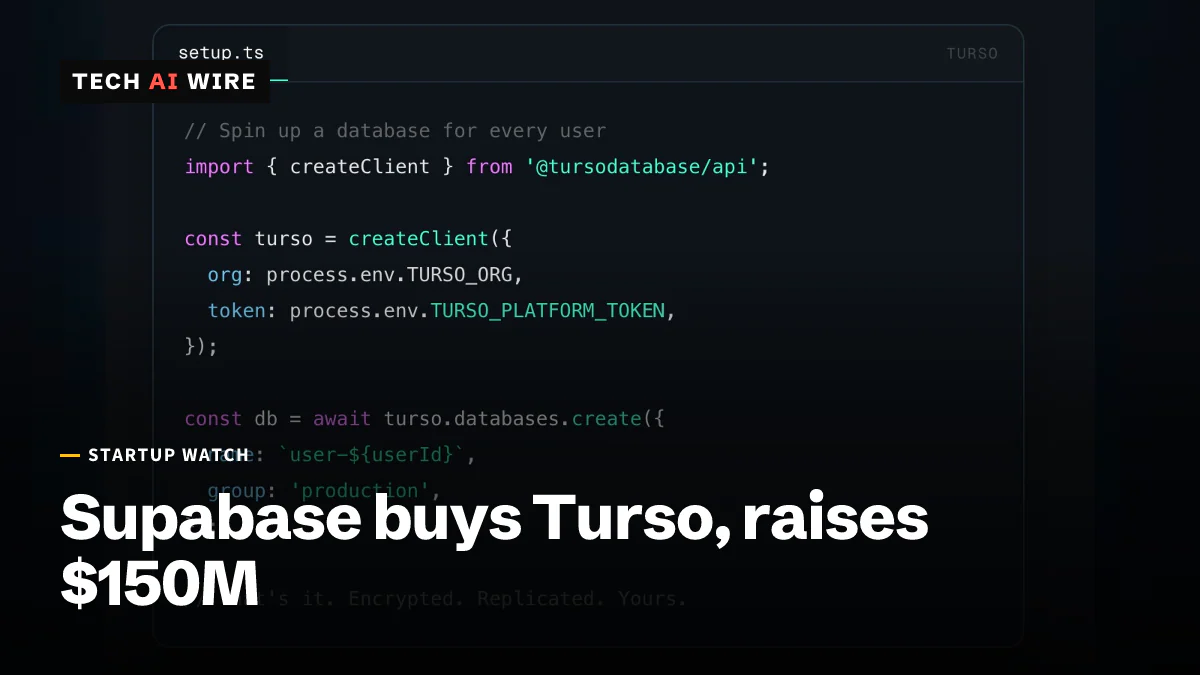
Supabase raised $150M four months after a $500M Series F and is buying Turso, whose SQLite tech lets one server run millions of small databases.
IANA split example.com into HTML plus a JavaScript file to cut bandwidth, says an email published September 30, and warns off using it for uptime checks.
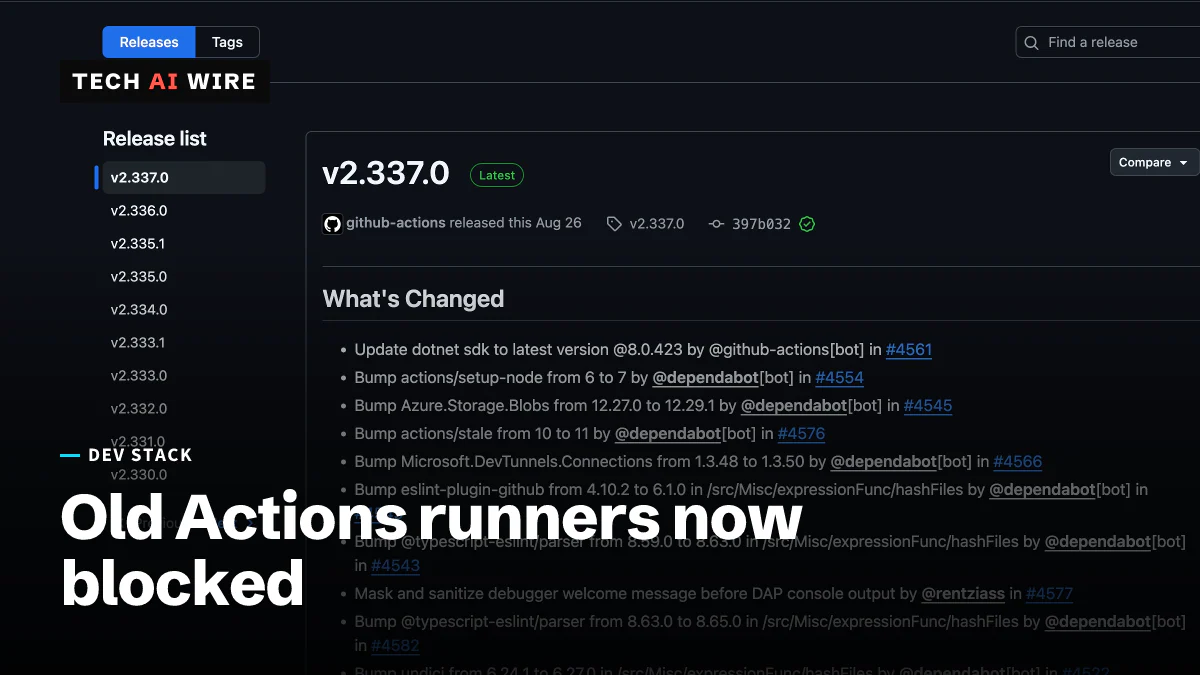
Since September 29, 2026, GitHub rejects self-hosted runners older than 2.329.0 and stops jobs on runners that miss a 30-day update window.
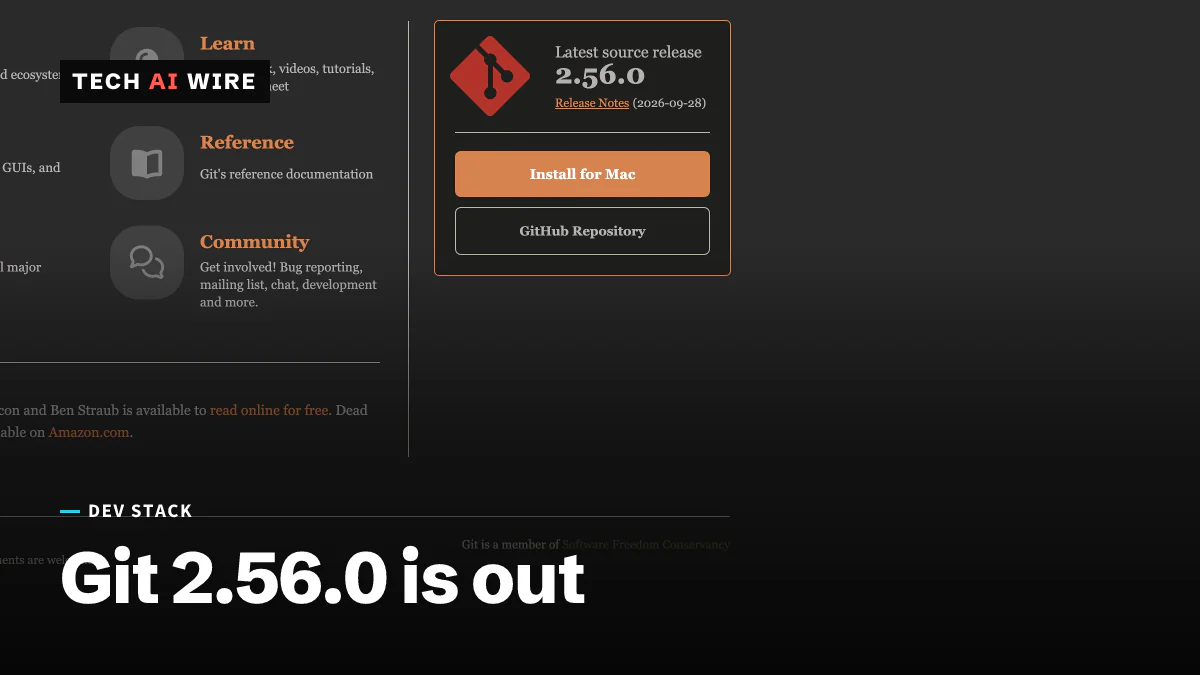
Git 2.56.0 cuts a Linux kernel merge-base walk from 167,441 steps to 3,887 and shrinks one test repository's pack by 71%. It shipped September 28.

ShinyHunters is mass-exploiting Oracle PeopleSoft CVE-2026-35273 (CVSS 9.8) again, dodging WAF rules by writing one letter of the path as %50.

CISA added a Microsoft SharePoint Server bug and a MikroTik RouterOS exploit chain to its exploited-vulnerability list, with a patch deadline of September 28 for U.S. federal agencies.

CISA added two Citrix NetScaler flaws, both scoring 9.5 of 10 on the CVSS severity scale, to its exploited-vulnerability list on September 27, giving federal agencies until September 30 to patch.
LINBIT posted 7 patches on September 23 that reshape the kernel's DRBD 8.4 code toward DRBD 9, which supports up to 31 peers per volume.

Kiteworks asked every customer to shut down its servers for six hours on Saturday, September 26, after law enforcement warned of an imminent attack.
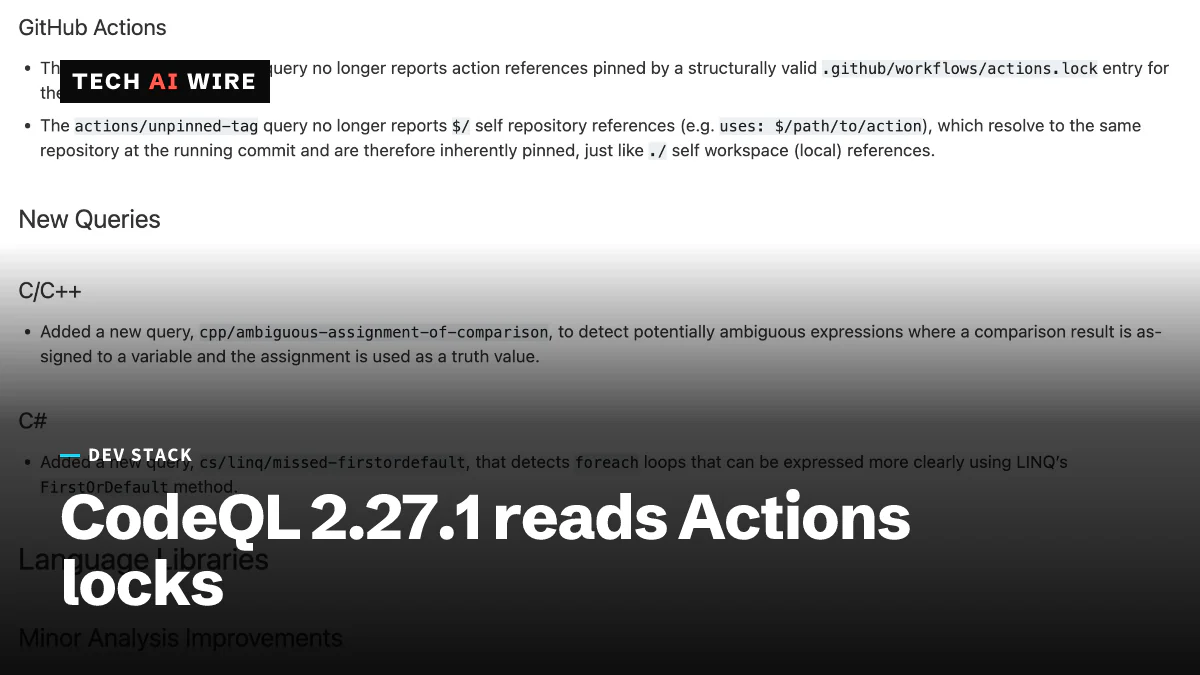
CodeQL 2.27.1 ships 498 default security queries across 170 CWEs, a new C/C++ check, Kotlin 2.4.20 support and awareness of Actions lock files.
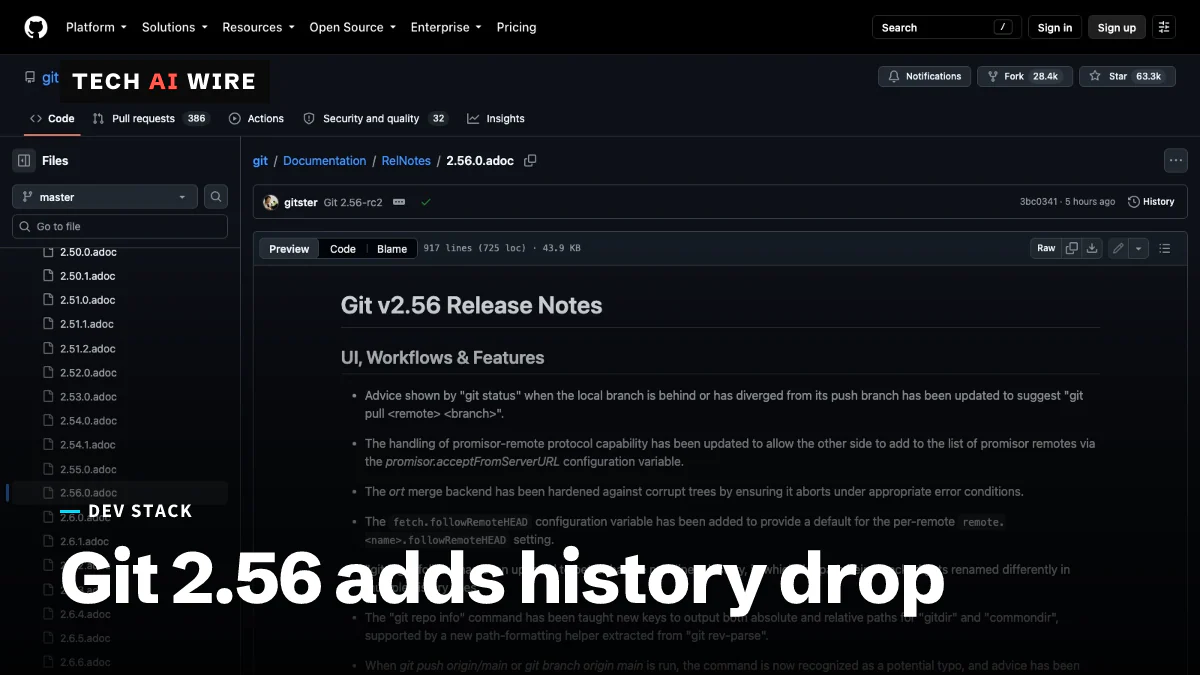
Git 2.56 carries over 700 non-merge commits and is due at the end of September 2026, with new commands for dropping commits and pruning branches.

A 4TB Samsung SSD that sold near A$500 now lists at A$1,149, and Australian resellers say quotes are valid for days, not weeks.

The first jemalloc release since Meta renewed its investment carries over 160 commits, a new OS abstraction layer and per-CPU arena selection.
A Disallow AI Training toggle lets a site refuse training crawlers and stay in search. Mixed-use crawlers are 36.6% of verified crawler traffic.
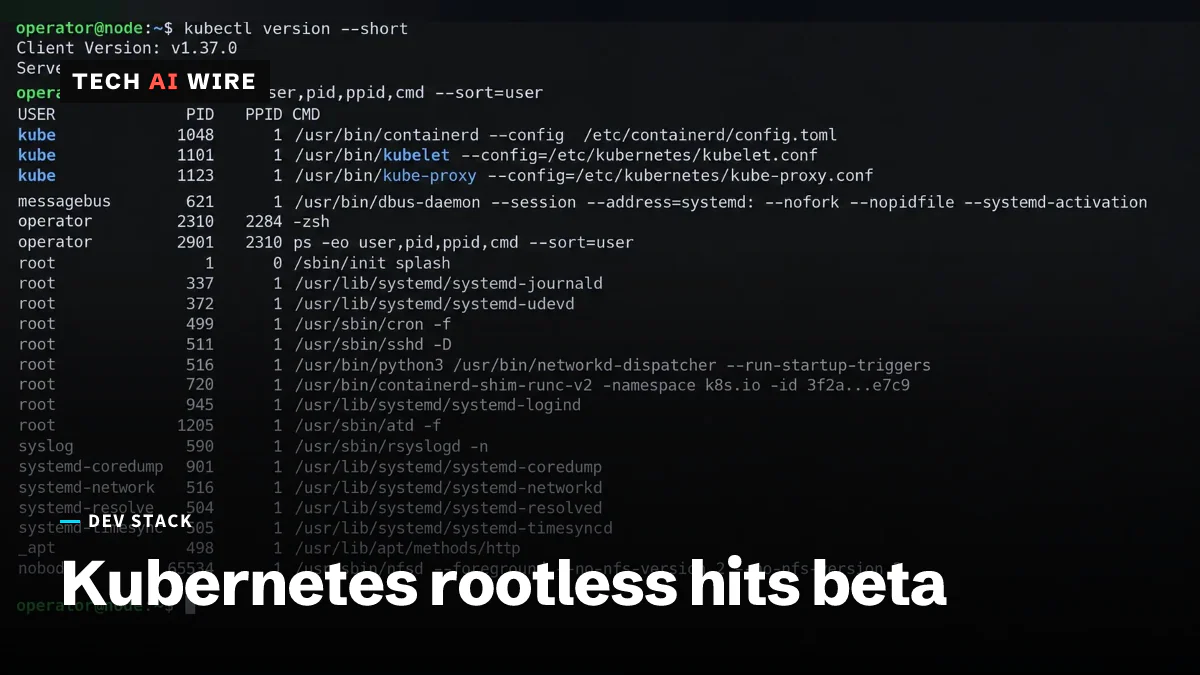
Kubernetes 1.37 moves KubeletInUserNamespace to beta. The kubelet, container runtimes, CNI plugins and kube-proxy can now all run as a non-root user.
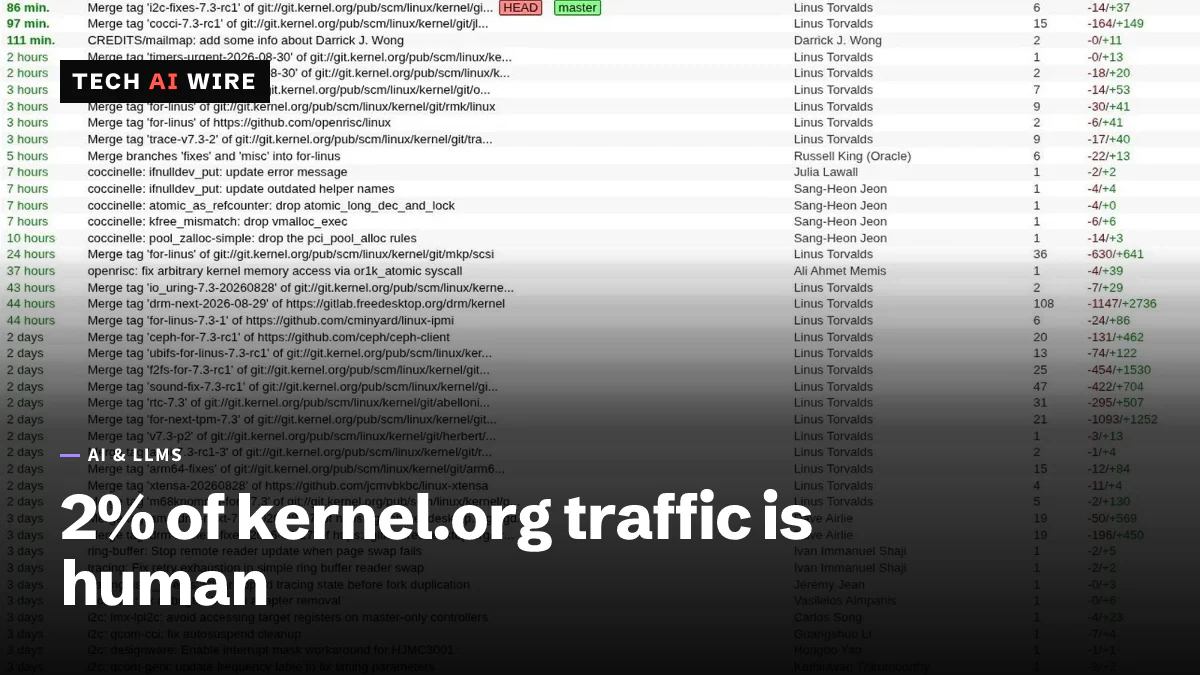
Konstantin Ryabitsev published hard numbers on August 29, 2026: git.kernel.org takes 6 million requests a day, and only about 2% look like real people.
One email every Friday with the week's top stories from all six desks: AI, dev tools, coding, the tech industry, startups and what's next. Free, no spam.