Google signs a 3,590 MW power deal with Constellation
Google contracted 3,590 MW from Constellation Energy, including 890 MW from upgraded nuclear reactors over 20 years. First power arrives in 2028.
3 min read
By the numbers
- total power under the two contracts
- 3,590 MW
- from upgraded nuclear reactors, over 20 years
- 890 MW
- of new investment by Constellation
- $4.3B
- first power from the upgraded plants
- 2028
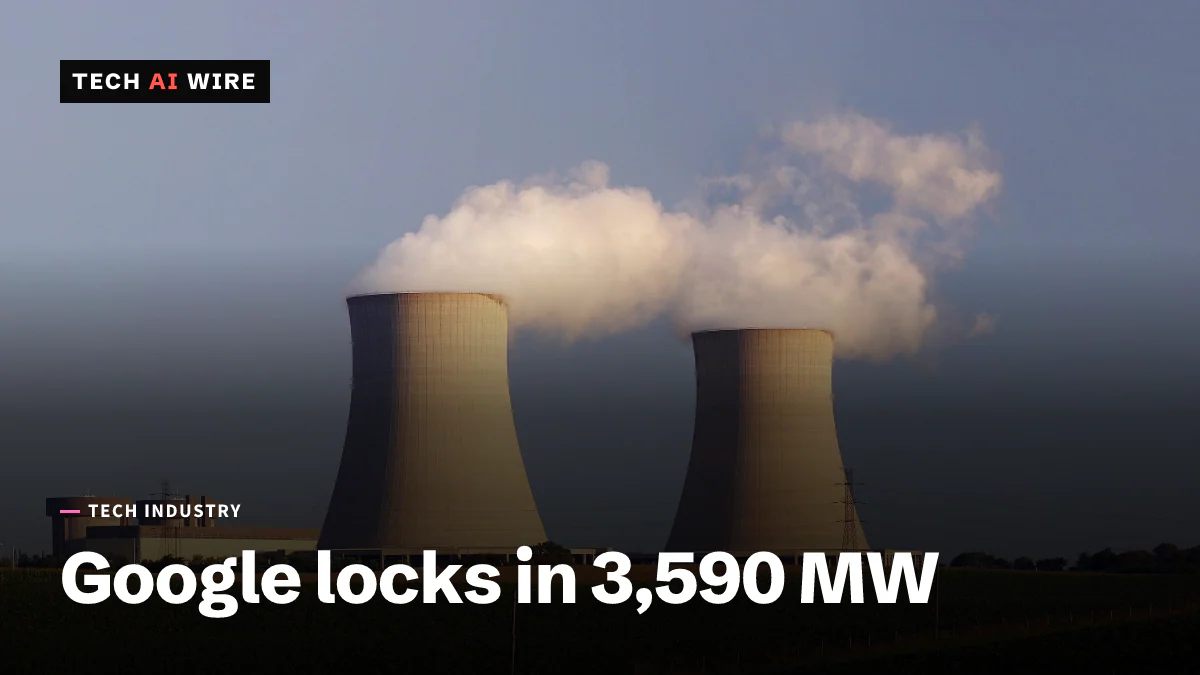
Google has contracted 3,590 megawatts of electricity from Constellation Energy, the companies announced on October 6, 2026. About a quarter of it will come from new nuclear capacity, added by upgrading 11 existing reactors. The Edge Malaysia reports it is Google's largest power contract on a single grid. For anyone who rents cloud capacity, it shows where the real limit on AI data centers now sits: electricity, not chips.
What Google signed
The deal is two separate contracts.
| Contract | Power | Length | Source of power |
|---|---|---|---|
| Power purchase agreement | 890 MW | 20 years | Upgrades at Constellation nuclear plants |
| Supply agreement | 2,700 MW | 15 years | Constellation's supply in the PJM grid |
| Total | 3,590 MW |
A power purchase agreement, or PPA, is a long-term contract to buy electricity from specific plants at agreed terms. PJM is the regional grid operator in the area the deal covers. The Edge says the 11 nuclear units to be upgraded are in Illinois, Pennsylvania and New Jersey.
Constellation will make more than $4.3 billion of new investment because of the deal. Power from the first upgraded plant is due in 2028.
Why upgrades, not new reactors
The 890 megawatts come from "uprates." An uprate is an equipment upgrade that lets an existing reactor produce more electricity. AI Weekly notes that this is not new construction. It also avoids the long queue that new power plants wait in before they can connect to the grid.
TIKR, an investor research site, says 890 MW matches the output of one large new reactor.
The Edge links the deal to a PJM proposal. Under it, data centers would have to "bring your own power," meaning they would supply their own electricity instead of drawing on the shared grid. A contract this size is one way to meet that kind of rule.
More than electricity
The deal also runs the other way. AI Weekly reports that Constellation becomes a Google Cloud and Gemini Enterprise customer under a five-year technology agreement. It names three uses for Google's AI:
- choosing sites for new projects faster
- optimizing how much power the plants generate
- securing the plants' operational technology networks, the systems that control physical equipment
AI Weekly also cites 4,400 jobs sustained and 7,200 construction jobs created.
Amanda Peterson Corio is Google's global head of energy and power. "We're committed to meeting our growth responsibly by actively investing in clean, reliable power that brings new capacity to our nation's grids," she said, according to The Edge.
Constellation CEO Joe Dominguez said the deal "can serve as a model for how technology companies and the energy industry can work together," TIKR reports. Constellation's shares rose 14% after the announcement, according to TIKR.
It is Constellation's second long-term deal with a tech giant in under a week. Amazon signed a 20-year nuclear power deal for Calvert Cliffs days earlier. TIKR puts that deal at 690 MW.
What this means for developers
Most engineers will never sign a power contract. But power deals now decide where and when new cloud capacity appears.
- Read power deals as capacity forecasts. Google is locking in supply on one grid for the next 15 to 20 years. Expect its new data-center capacity, and later its new cloud regions, to follow the power.
- Nothing changes before 2028. The first upgraded plant delivers power in 2028. If your team is short of GPU capacity today, this deal does not help this year's plans.
- Watch for "bring your own power" costs. If grid operators make data centers supply their own electricity, the cost lands in cloud prices. Teams buying long-term cloud commitments should ask how their provider's power costs are fixed.
- Industrial teams have a reference customer. Constellation is applying Gemini Enterprise to site selection, plant output and control-network security. Teams building AI for utilities or factories can point to this as a real deployment to study.
The next signal to watch is the first uprate in 2028. It will show whether this approach adds power as fast as the companies expect.
Sources
Related articles
Firmus pulls $5 billion IPO, turns to private investors
Nvidia-backed Firmus pulled its US$5 billion IPO on October 9, citing volatility. It had sought a US$30.6 billion value, triple its August round.
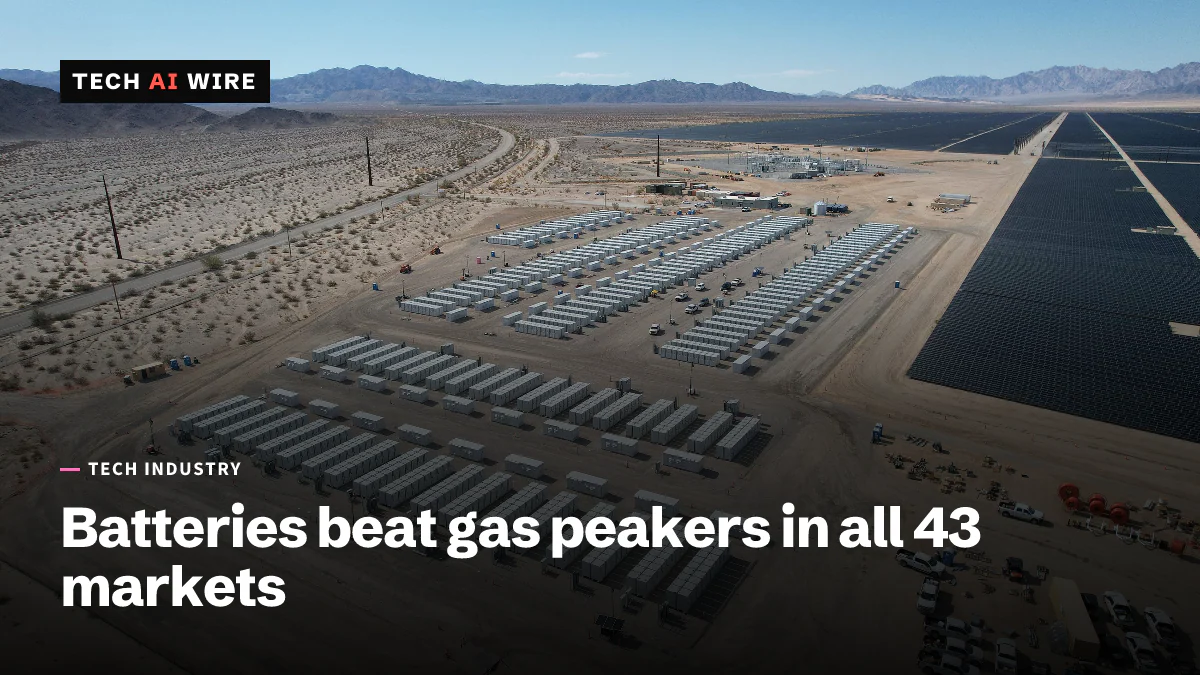
Wood Mackenzie: batteries beat gas peakers in 43 markets
Four-hour batteries now cost less than open-cycle gas peakers in all 43 markets Wood Mackenzie modeled. Solar is the cheapest new power in 43 of 48.
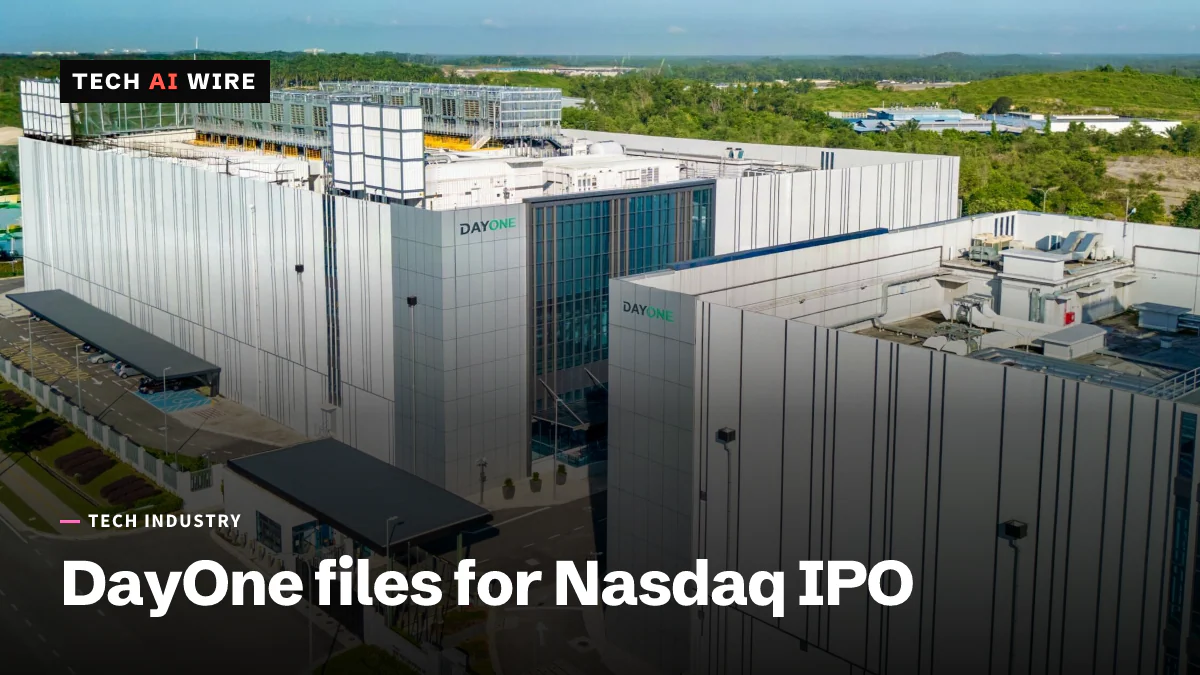
DayOne files for a Nasdaq IPO with 962 MW in service
Data center operator DayOne filed for a Nasdaq IPO as DODC. It has 962 MW in service and needs about $11.4B to build the 2,281 MW it has already booked.
The weekly digest
One email every Friday with the week's top stories from all six desks: AI, dev tools, coding, the tech industry, startups and what's next. Free, no spam.