Power to the Players Act aims to let gamers own games
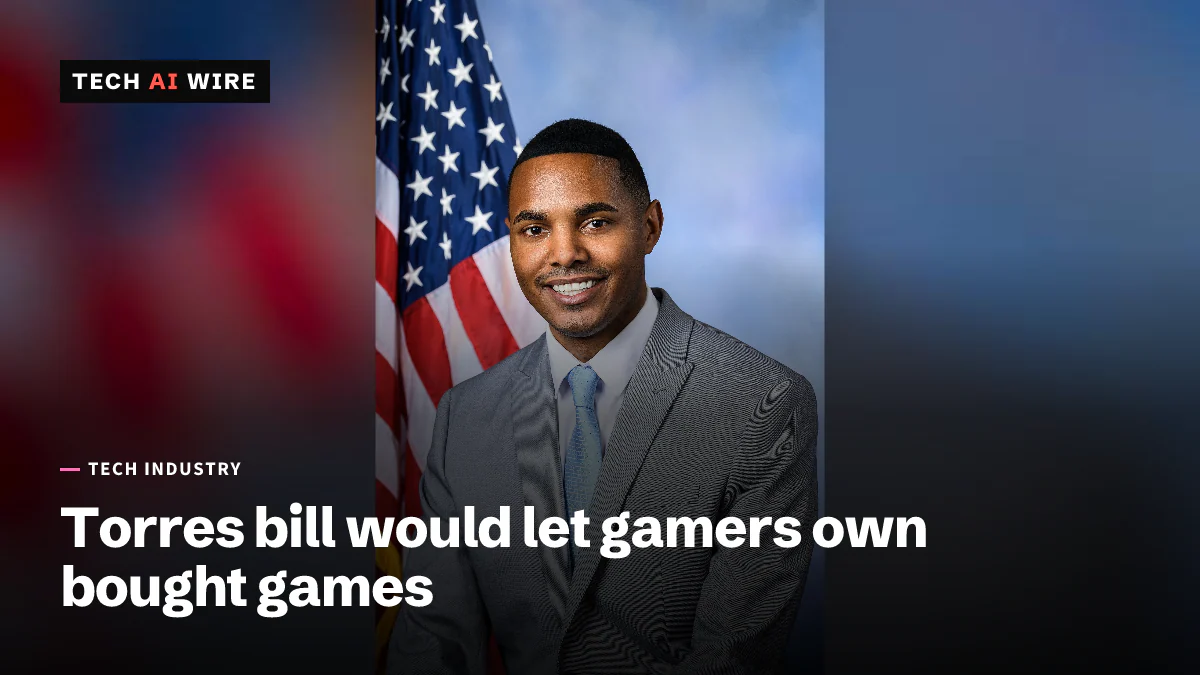
Rep. Ritchie Torres plans the Power to the Players Act, which would have the FTC treat bought games as owned and require offline modes when servers shut.
3 min read
By the numbers
- date Rep. Torres announced the bill, 2026
- Oct 15
- price of NBA 2K25, which leaves digital stores October 30
- $70
- of legislation never gets a full vote, per USAFacts
- 87%
US Representative Ritchie Torres announced the Power to the Players Act on October 15, 2026, a bill meant to make digital game purchases real ownership. It would direct the Federal Trade Commission (FTC), the US consumer-protection agency, to write rules so buyers own their games instead of holding a license that can be revoked. Games with online features would also need an offline mode that keeps working after their servers shut down.
The bill has not been introduced in Congress yet. Torres, a Democrat from New York, "will introduce" it, his office says. He has not confirmed any cosponsors or Republican support, Kotaku reports.
What the bill would do
Most digital games today are sold as a license. A license is permission to use the game, and the seller can end it. Torres wants the purchase to work like owning a physical copy.
"I think there should be a simple rule: if you pay for it, you own it," Torres told Kotaku. His press release puts it this way: "Consumers must have the right to own, the right to play, and the right to transfer the games they buy."
| Provision | What it would require |
|---|---|
| Ownership | The FTC writes rules that protect buyers' right to own the games they buy |
| No expiring licenses | Sellers of digital games must grant more than a license that can end at any time |
| Offline mode | Games with online features keep a mode that works after servers shut down |
| Scope | Video games only, per Kotaku |
Kotaku says the bill covers only video games. Torres hopes it becomes a model for other digital goods, and he suggested similar protections could extend to books, movies and music, Engadget reports.
The game that set it off
Both outlets point to NBA 2K25. It launched in 2024 at $70 and was the fifth best-selling game in the US that year, Kotaku says. It leaves digital storefronts on October 30.
The two reports give different dates for its server shutdown. Engadget says the servers close in December. Kotaku says they go offline by January 1, 2027, which will make its most popular modes unplayable.
"A game that can be taken away the moment a company pulls the plug is not a purchase," Torres said in his press release, as quoted by Kotaku.
Kotaku cites other examples too. Terminator 2 and other titles were removed from PlayStation Store libraries earlier this year. GTA VI ships next month as a download code in a box, starting at $80.
The odds
The bill faces long odds. USAFacts estimates that 87% of legislation never gets a full vote, Kotaku notes. A California bill with similar protections failed a committee vote in June, according to Engadget.
The FTC's power to write such rules may also be limited. Engadget points to the Supreme Court's 2024 ruling that ended the Chevron doctrine, which gave agencies room to interpret laws. It also notes that courts blocked the FTC's ban on noncompete agreements. Kotaku expects large publishers to lobby against the bill.
What this means for developers
- Design the end of a game's life now. An offline-mode rule would hit live-service games hardest. Studios can cut future cost by planning how core modes run without central servers from the start.
- Review how your store sells games. If purchases must become ownership, the words "buy" and the license terms behind them may need to change. Legal and store teams should map where licenses can be revoked today.
- Expect transfer requests. Torres talks about a "right to transfer" games. Platforms may need ways to move or resell a digital copy, which few support now.
- Do not change plans yet. The bill is not even introduced, and most bills never reach a vote. Watch for the bill text and any cosponsors before spending money on it.
- Track the wider trend. The California bill failed, but the same ideas keep returning. Publishers that announce shutdown plans early and offer offline modes face less pressure from players and lawmakers alike.
Sources
Related articles
CMA proposes strategic market status for Microsoft
The UK's CMA proposed on October 16 to give Microsoft strategic market status in business software. Comments close November 13; a decision is due by February 13.
Meta narrows web-crawling clause in its business terms
Meta cut the word "train" from a clause letting it crawl business customers' websites, days before its Commercial Terms take effect on October 30, 2026.
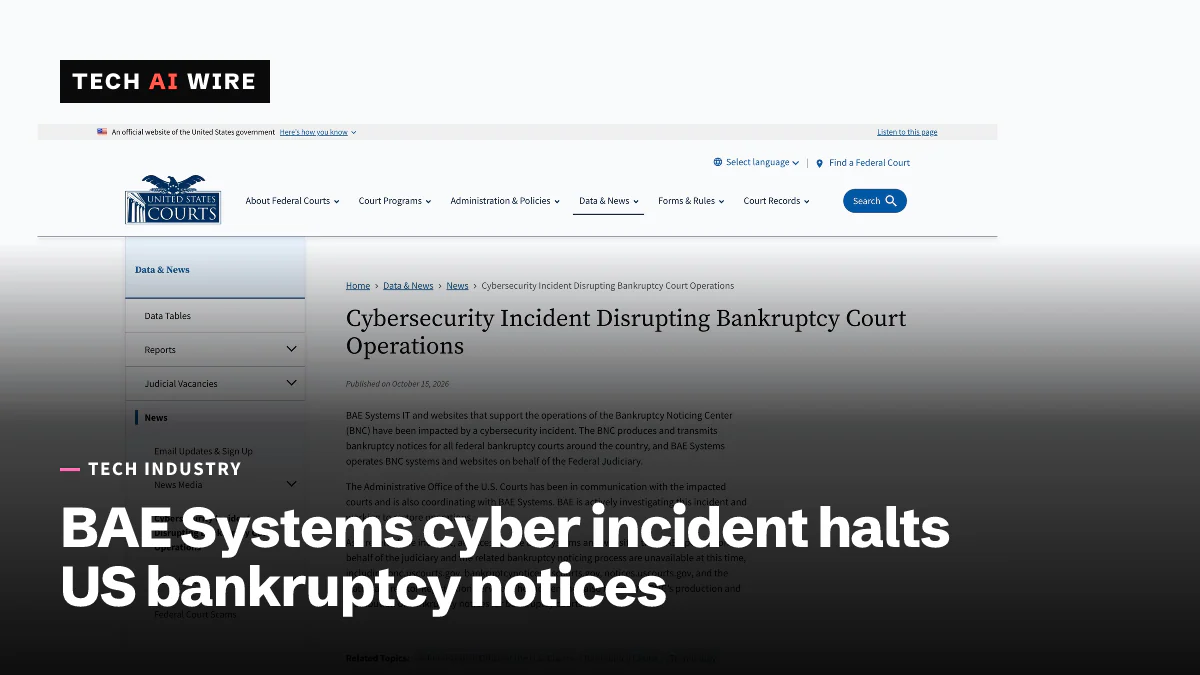
BAE Systems cyber incident halts US bankruptcy notices
A cyber incident at contractor BAE Systems has stopped the federal Bankruptcy Noticing Center, taking four court notice sites offline as of October 16, 2026.
The weekly digest
One email every Friday with the week's top stories from all six desks: AI, dev tools, coding, the tech industry, startups and what's next. Free, no spam.