Tech Industry
Bitwarden switches store apps to a commercial license
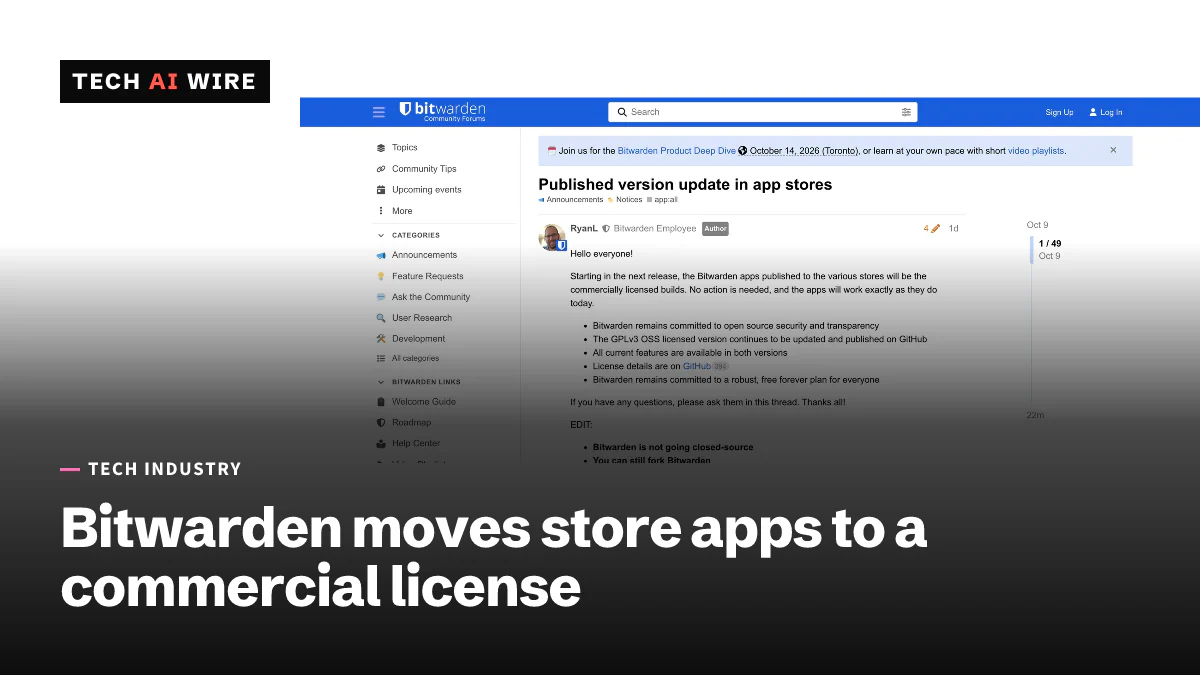
From its next release, Bitwarden's app store builds and website downloads will be commercially licensed. The GPLv3 source code stays public on GitHub.
Software license terms attached to new releases: research-only licenses on downloadable AI models, a driver moving to a permissive dual license, and Mojo's compiler going open source under Apache 2.0. Each story states what the license permits and what it still restricts.
From its next release, Bitwarden's app store builds and website downloads will be commercially licensed. The GPLv3 source code stays public on GitHub.
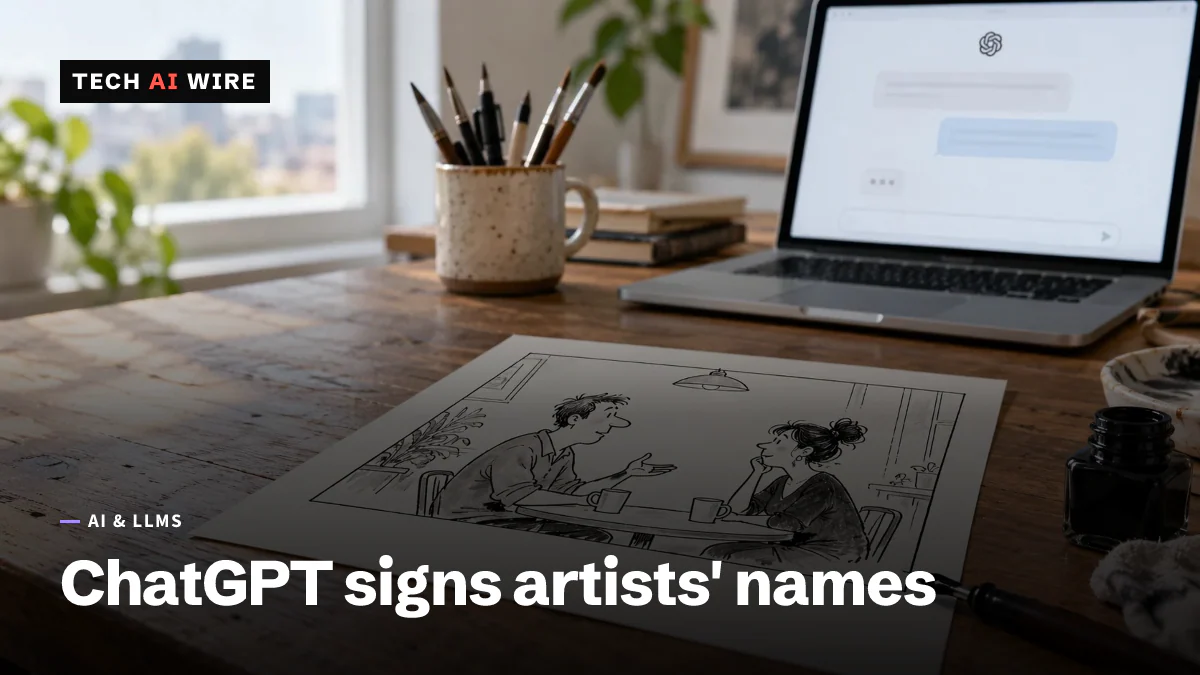
ChatGPT has signed AI-made New Yorker-style cartoons with the names of more than 15 real cartoonists, though OpenAI's Condé Nast deal excluded cartoons.
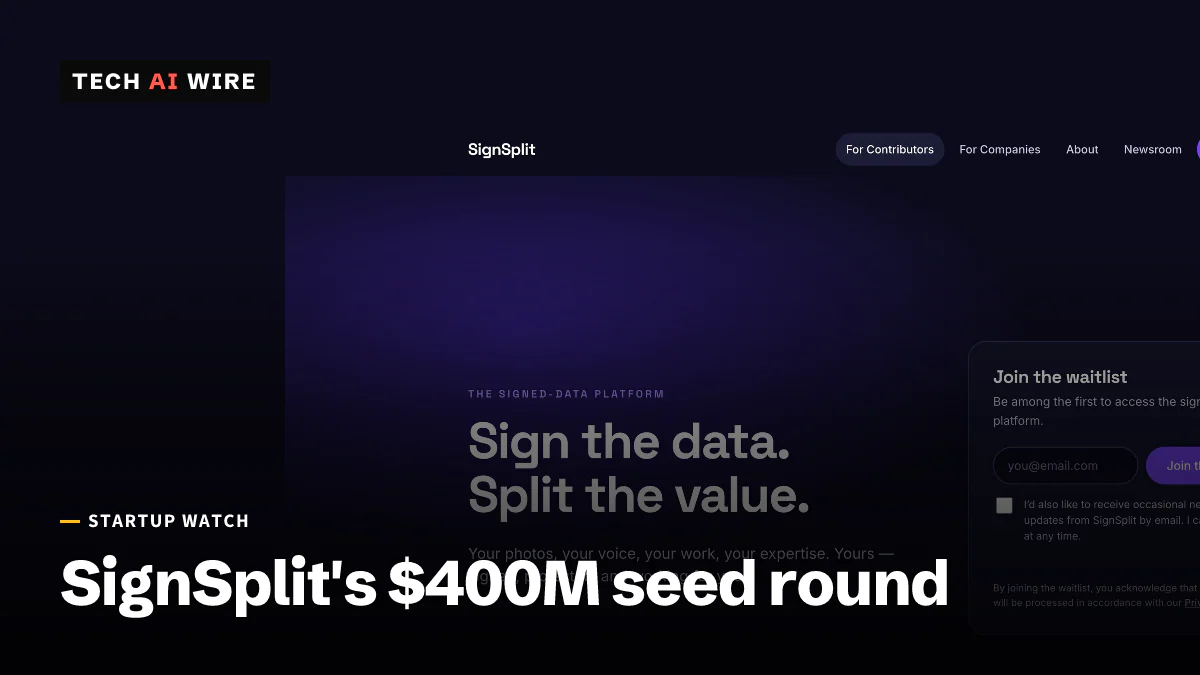
SignSplit left stealth with a $400 million seed deal from W Group at a $1 billion valuation. It pays people to license their data and likeness to AI firms.
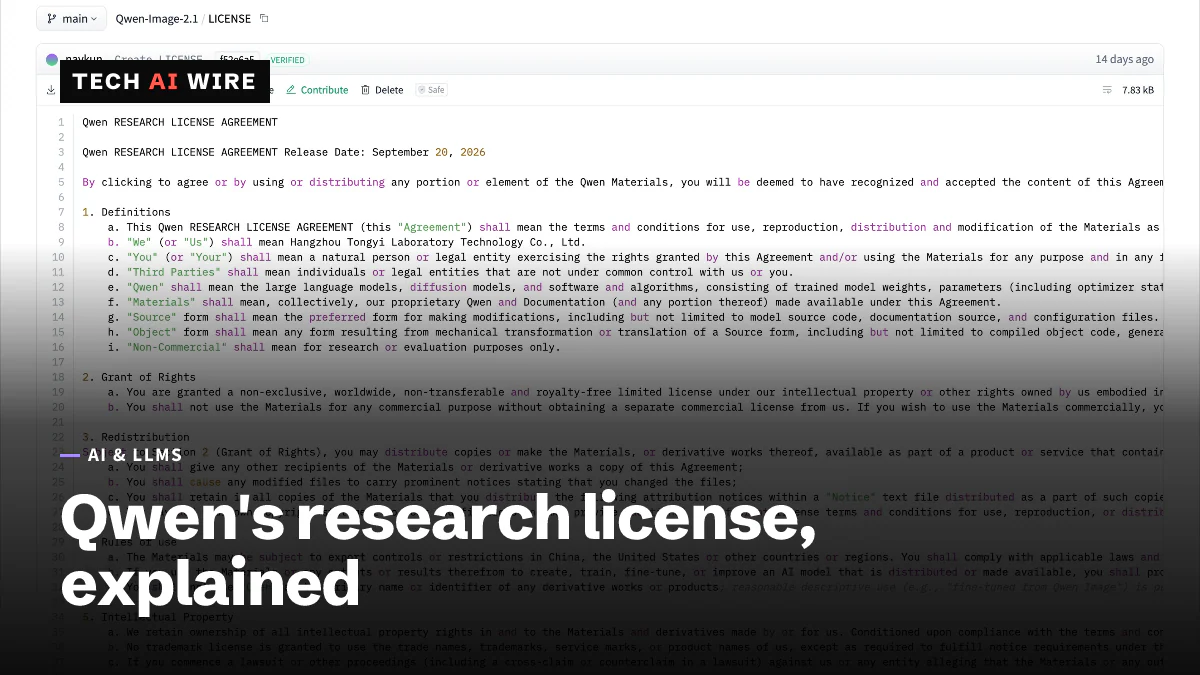
The Qwen Research License lets anyone download Qwen-Image-2.1 but limits it to research or evaluation. Commercial use needs a separate license from Qwen.
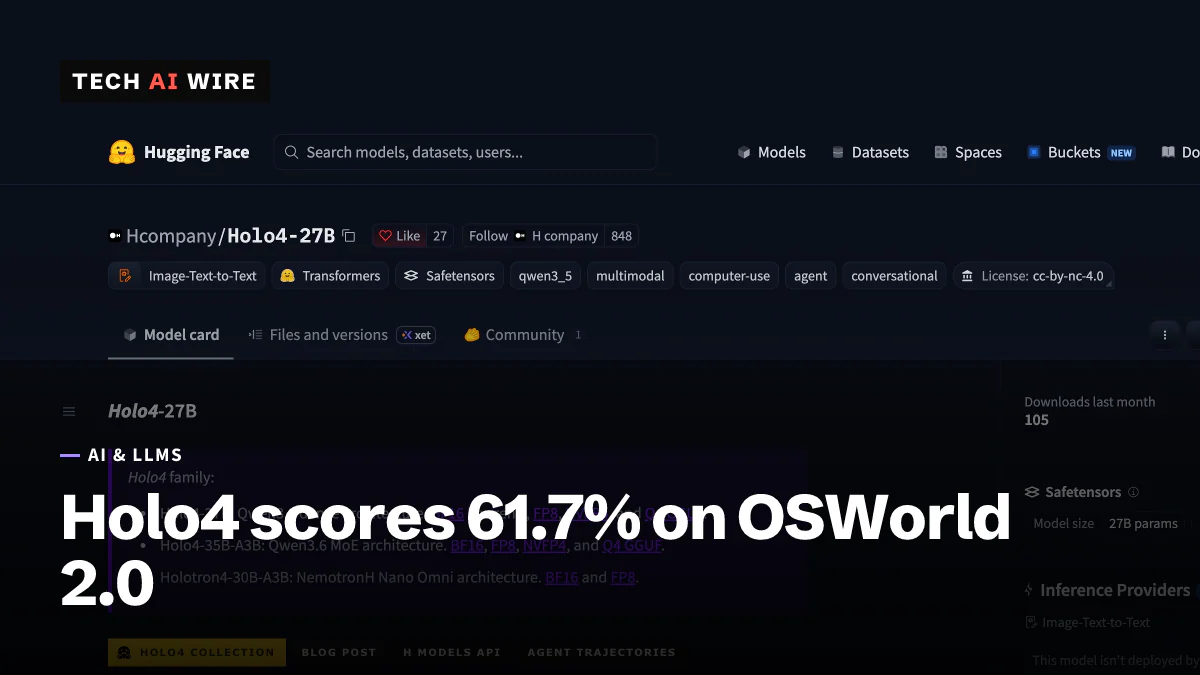
H Company's Holo4-27B scores 61.7% on OSWorld 2.0 at $1.22 a task, but only its Apache 2.0 sibling, 35B-A3B, can be self-hosted commercially.
Qwen-Image-2.1 puts 7 billion parameters and native transparency in a downloadable image model. Its license bars commercial use without permission.
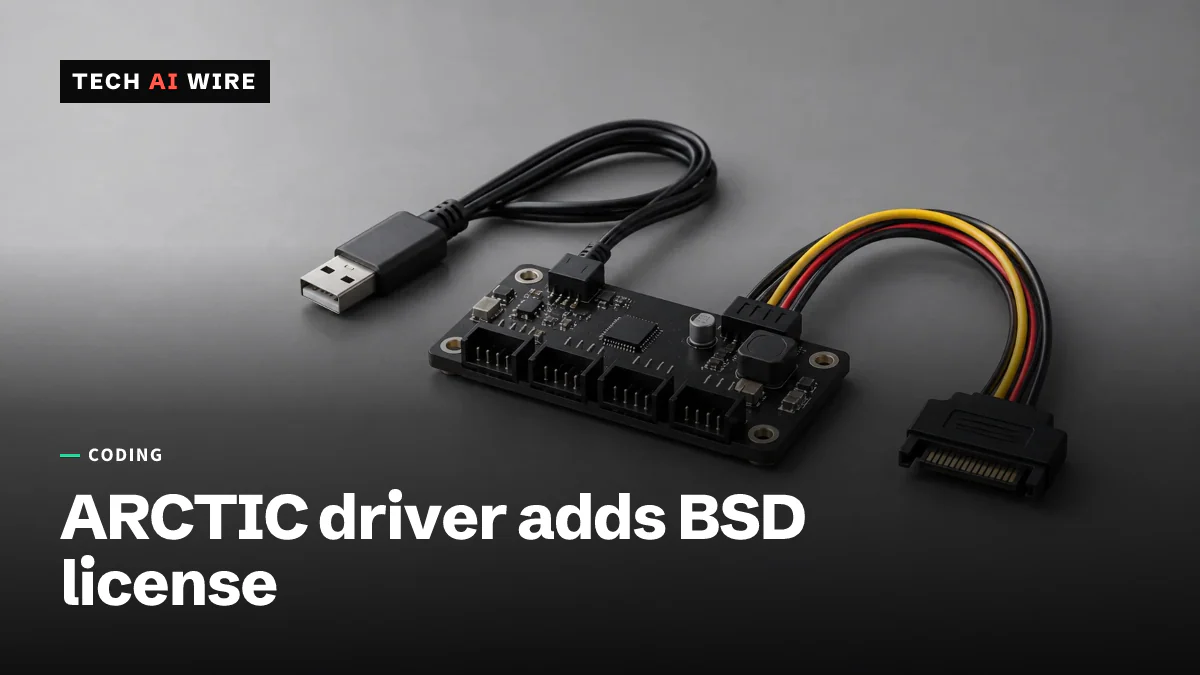
ARCTIC's arctic_fan_controller driver moves from GPLv2+ to GPLv2+ and BSD-2-Clause in Linux 7.4, so other systems can reuse the $8.99 device's code.
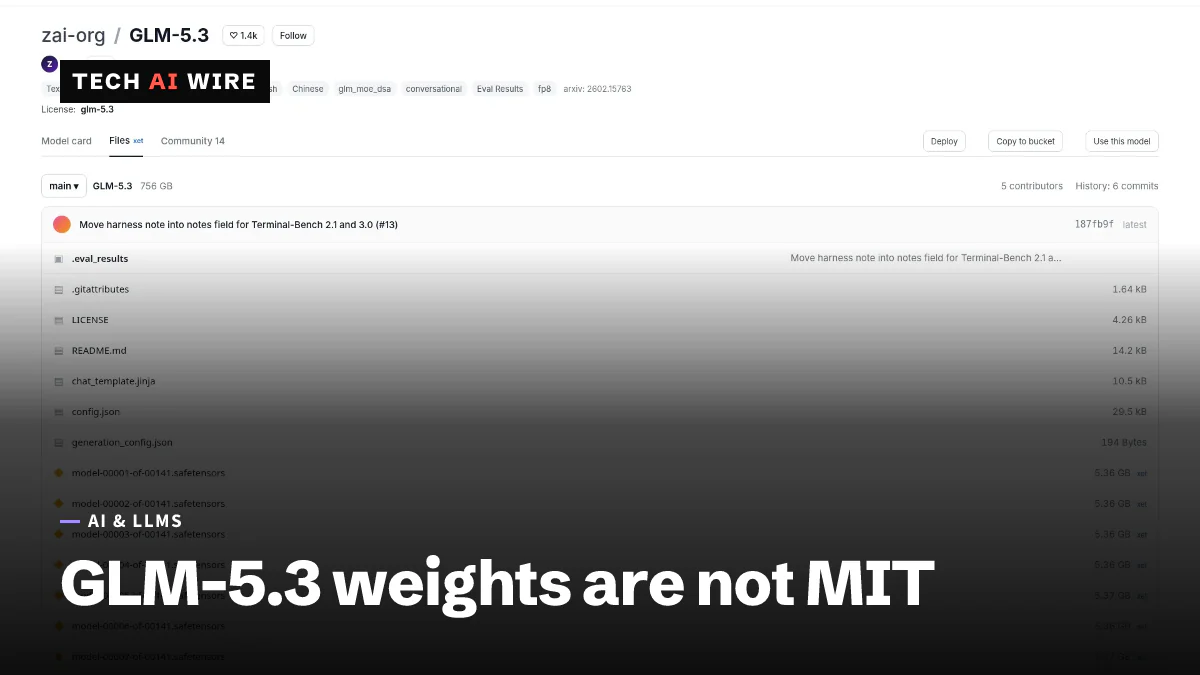
Z.ai's flagship GLM-5.3 weights are on Hugging Face after a safety review delay. The license is not MIT, and the model needs at least eight high-end GPUs.
Modular open-sourced the Mojo compiler and tooling under Apache 2.0 a week after shipping Mojo 1.0 - but it is not taking outside compiler contributions until late 2026.
One email every Friday with the week's top stories from all six desks: AI, dev tools, coding, the tech industry, startups and what's next. Free, no spam.