Hans Anders pulls Ray-Ban Meta glasses over privacy
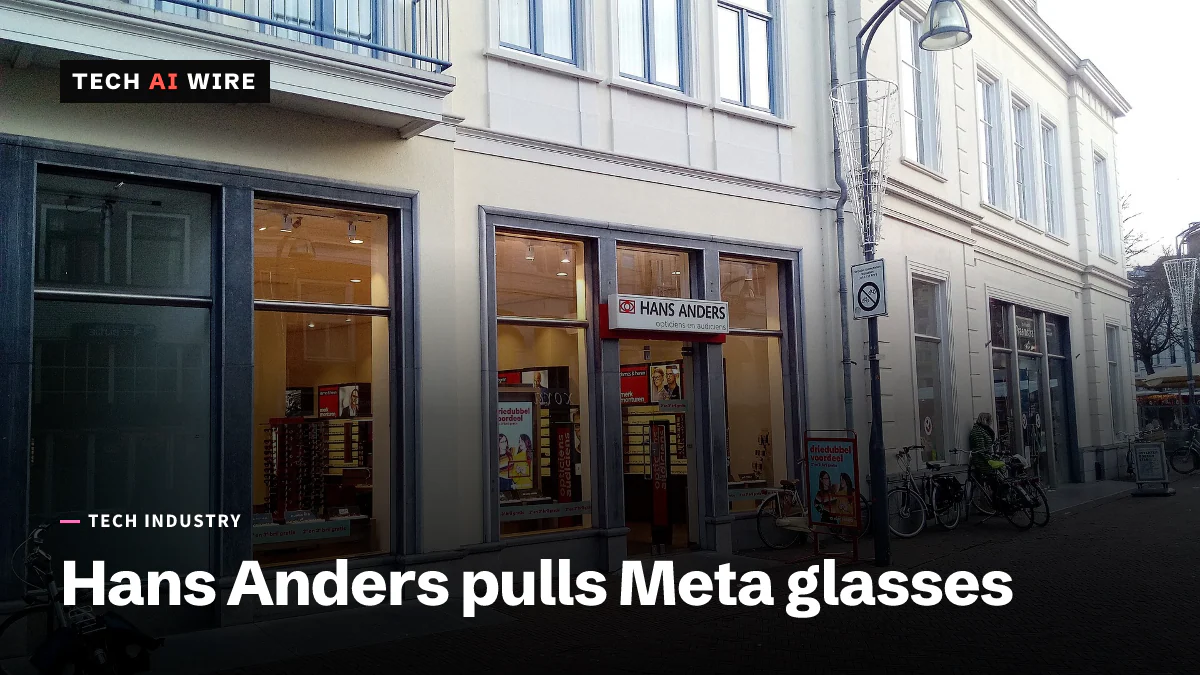
Hans Anders stopped selling Ray-Ban Meta glasses in the Netherlands and Belgium on October 2, a day after Wehkamp, as Dutch pressure on them grows.
3 min read
By the numbers
- stores run by Hans Anders owner Nexeye in five countries
- 776
- Hans Anders stores in Belgium, per VRT
- ~140
- Consumentenbond's deadline for Meta
- Oct. 13
Dutch eyewear chain Hans Anders stopped selling Ray-Ban Meta smart glasses on October 2, 2026. The chain cited the public and political debate over camera glasses. It is the second Dutch retailer to drop them in two days. For Meta, the move turns a privacy argument into lost shelf space in two countries at once.
Ray-Ban Meta glasses look like ordinary glasses. They have a built-in camera that takes photos and video, plus Meta's AI assistant.
What Hans Anders did
The suspension covers stores and the online shop, according to GadgetGear. The product page is gone from the Belgian webshop, Belgian broadcaster VRT reports. VRT counts about 140 Hans Anders stores in Belgium.
Hans Anders is owned by Nexeye, which runs 776 stores across five countries, according to the Reuters report. The glasses were sold only in the Netherlands and Belgium.
The chain pointed to the "ongoing public and political debate surrounding smart glasses," Reuters reports. It also cited questions about "the conditions under which this technology can be used." Dutch broadcaster NOS says the stop is temporary and will last until that debate is settled. VRT describes it as open-ended.
Wehkamp went first
Wehkamp, a Dutch online retailer, removed the glasses on Thursday, a day earlier. "Privacy and the safety of consumers always come first," the company said, as translated from GadgetGear's report.
Not every seller has followed. The online store Bol still sells them but did not rule out removing them, GadgetGear reports. In Belgium, Bol, Pearle and A.S. Adventure still carry them, according to VRT.
Why the pressure is building
Three things have stacked up in the Netherlands over the past few weeks.
First, the Dutch privacy regulator, the Autoriteit Persoonsgegevens, warned in September that videos of identifiable people generally cannot be shared without consent or another legal basis. That is hard to meet when filming strangers in public.
Second, reports said hundreds, and possibly thousands, of women and girls had been secretly filmed with camera glasses. The footage was shared in Telegram groups and on websites, and was recorded on beaches, in shopping streets and in bathrooms, The420 reports.
Third, the Dutch consumer group Consumentenbond tested the glasses. It found the recording light hard to see in bright sunlight, VRT reports, and that a sticker can cover it. The group sent Meta a formal notice on September 29, according to GadgetGear. It gave Meta until October 13 to make the glasses comply with privacy law or face a lawsuit. NOS reports that the group wants an outright ban, and that the Dutch parliament's lower house has called for a law banning camera glasses.
Belgium is moving too. Vanessa Matz, the country's minister for digitalization and privacy, said the glasses raise "real questions" about privacy, consent and public safety, VRT reports. She raised the issue with the European Data Protection Board in May.
What Meta says
Meta defends the recording light. "Every pair with a camera has a bright light on the front that blinks when you take a photo or video," the company said, as quoted by Reuters. It added that the light cannot be turned off and that the camera is disabled if someone covers or tampers with it.
That claim is now the center of the fight, because the Consumentenbond's tests challenge it. Meta and its eyewear partner Luxottica also face a US lawsuit. It alleges that human reviewers watched captured videos without the knowledge of the people filmed, according to Reuters.
The Dutch pressure lands a day after California Gov. Gavin Newsom vetoed SB-1130, a bill that would have made secret recording with smart glasses illegal.
What this means for developers
For teams building apps on camera glasses, the market risk just became concrete. A retailer can pull a device over its reputation, before any regulator rules. If your product depends on one wearable, track the October 13 deadline and any court case that follows.
The recording light is the design detail everything turns on. Regulators and consumer groups are testing whether people nearby can see it. If you build for these devices, assume bystander notice will be checked in sunlight, from a distance and against stickers.
For companies, the question is workplace policy. The UK pub chain Wetherspoon has already restricted the glasses, Reuters reports. Offices, schools and clinics will face the same choice. Write the rule for camera wearables now, before an employee or visitor tests it for you.
Sources
- Per direct geen Meta-brillen meer te koop bij Hans Anders - NOS
- Hans Anders schort verkoop van Meta-camerabril op, ook in België - VRT NWS
- Wehkamp en Hans Anders stoppen met verkoop Meta-camerabril - GadgetGear
- Dutch eyewear chain Hans Anders halts sale of Meta glasses, citing privacy concerns - Global Banking & Finance Review (Reuters)
Related articles
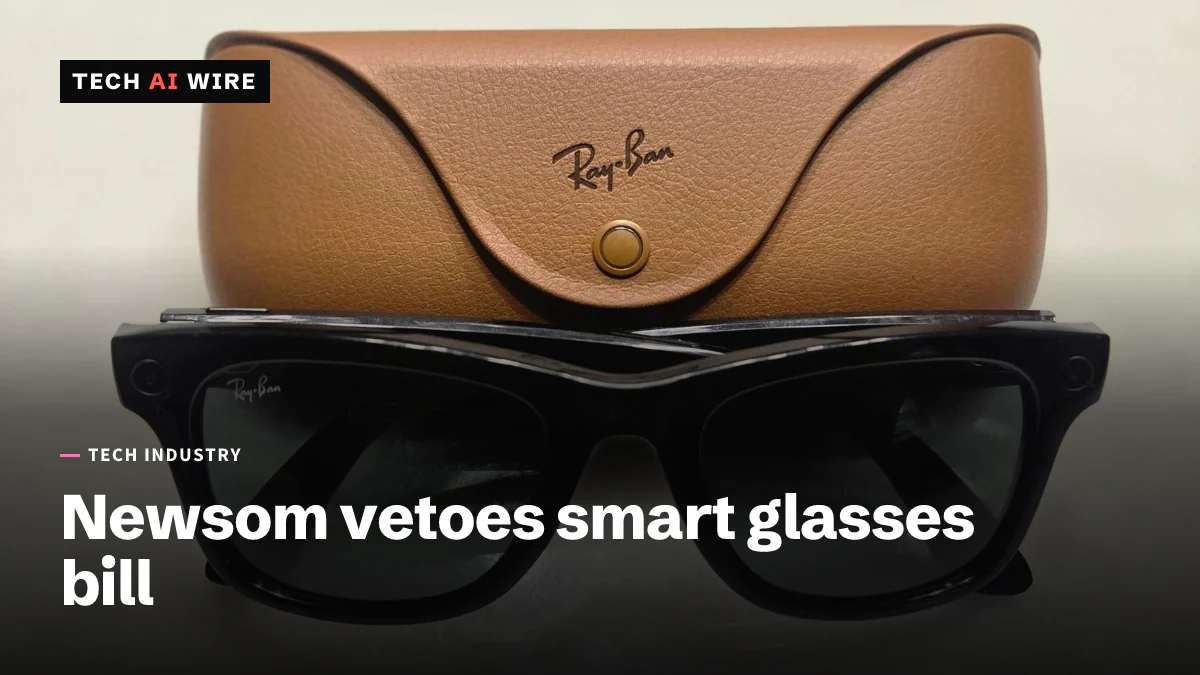
Newsom vetoes SB-1130, California's smart glasses bill
California Gov. Gavin Newsom vetoed SB-1130, which would have required recording lights on smart glasses and fined secret recording up to $1,500.

Meta settles state addiction claims for up to $17.1 billion
Meta will pay about $12 billion over 10 years, rising to $17.1 billion if rival platforms settle too. Teen accounts get a 2-hour default cap and a nightly lockout.

Bitchat pulled from India's App Store and Google Play
India ordered Jack Dorsey's offline messenger Bitchat off Apple's and Google's stores under Section 69A, months after GitHub was told to remove its code.
The daily brief
Three to five stories a day, and what each one means for the people who build software. Free, no spam.