ChatGPT adds virtual try-on for clothes using Images 2.5
ChatGPT's new Try On button puts clothes on your selfie using Images 2.5. OpenAI keeps the photo for later and can train on it unless you opt out.
3 min read
OpenAI added a virtual try-on feature to ChatGPT's shopping results on October 1, 2026. It lets users see clothes and accessories on a photo of themselves. The feature runs on the company's newest image model, ChatGPT Images 2.5, and it saves the photo you upload for next time. That storage choice, and a default that lets OpenAI train on personal-account uploads, are what to check before you tap the new button.
TechCrunch reports the feature launched globally alongside a Favorites option. Favorites saves products to a Library in the app, together with any try-on images you generate.
How the Try On button works
A new Try On button appears on clothing and accessory listings inside ChatGPT's shopping results. You tap it, then take or upload a selfie or a full-body photo. ChatGPT generates an image of you wearing the item. It also works in the other direction. Upload a screenshot of a garment from any store and ask ChatGPT to try it on you, according to Engadget and Dataconomy.
Dataconomy adds that ChatGPT can find the remaining pieces of an outfit you describe. It can also identify clothing worn by celebrities that is available to buy. The feature works in the mobile app and on the web, according to TechMyMoney.
The previews come from ChatGPT Images 2.5. TechCrunch quotes OpenAI's description of the model: it "produces more natural lighting and richer textures, follows editing instructions more reliably, and reduces image generation latency." TechMyMoney dates the Images 2.5 release to September 8.
What happens to your photo
ChatGPT keeps the reference photo. "Your reference photos are saved for future try-ons, so you can reuse them without uploading them each time," OpenAI's help page says, as quoted by TechMyMoney. Saved photos can be deleted or replaced under Settings, then Personalization, then Reference photos.
The training default is the bigger question. "By default, any images uploaded from a personal account can be used for training unless you opt out," Engadget reports. TechMyMoney names the control. OpenAI's standard data policy allows personal-account content to train its models unless the "Improve the model for everyone" setting is turned off.
| Question | Answer, per the sources |
|---|---|
| Where is the reference photo kept? | Saved to your account for future try-ons |
| How do I remove it? | Settings, Personalization, Reference photos |
| Can OpenAI train on it? | Yes by default on personal accounts, unless you opt out |
| Does the preview show real fit? | No. OpenAI says it does not guarantee fit or size |
OpenAI's own disclaimer is blunt. Try-on images "may not represent the product or your appearance exactly and do not guarantee fit or size," the help page says. OpenAI recommends checking the merchant's measurements and return policy before buying.
A feature Google shipped first
Google launched a comparable virtual try-on in 2025, TechCrunch notes, and Engadget calls the two features identical in function. Dataconomy frames the launch as OpenAI's move into fashion discovery. That is a market Google and Pinterest dominate, it says, and one that drives online retail sales.
For OpenAI, try-on is another step toward making ChatGPT a place where shopping happens. The company said in August that ChatGPT ads had reached a $1 billion run rate. In September it began testing Sponsored Agents, brand-run chatbots inside ChatGPT ads.
What this means for developers
If you or your team use ChatGPT on personal accounts, check two settings before trying this. Turn off "Improve the model for everyone" if you do not want your photos used for training. Know where the Reference photos page is, so you can delete an upload later. The sources describe the default for personal accounts only. They do not say how the feature behaves on workplace plans.
If you build shopping or fashion products, the bar has moved. Two of the largest consumer AI services now offer try-on from a selfie, and ChatGPT accepts a screenshot of any product page as input. A retailer's own try-on tool now competes with one that works across every catalog.
If you work on image generation, note what OpenAI is leaning on. The try-on use case rewards exactly the Images 2.5 improvements TechCrunch lists: more natural lighting, better texture and more faithful edits. Fit is explicitly out of scope, and OpenAI's disclaimer says so in writing. Treat any try-on output as a style preview, not a measurement.
Sources
Related articles
OpenAI's __obi cookie ties ad pixels to ChatGPT accounts
OpenAI's ad pixel sets a one-year __obi cookie linking other sites to a ChatGPT account; scraped identity beat advertiser data 685 to 255.

OpenAI links reasoning-extraction campaign to Moonshot AI
OpenAI says a campaign it ties to Moonshot AI, maker of Kimi, sent 16,000 requests from 4,000+ users in July to copy its models' hidden reasoning.
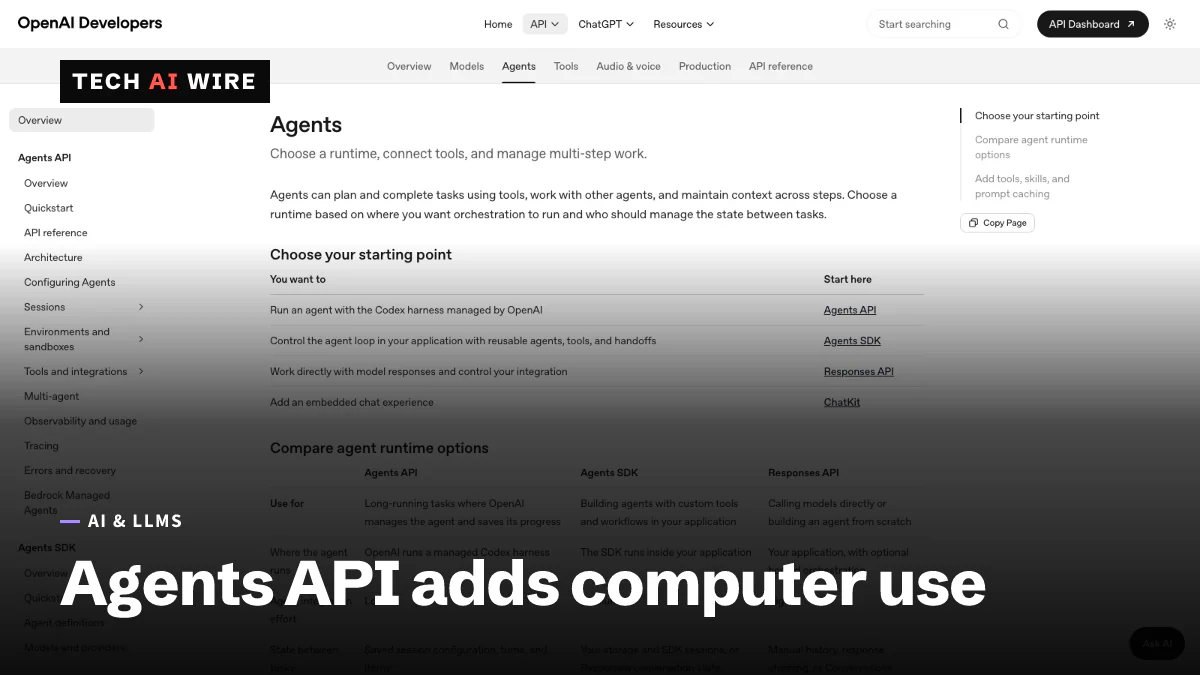
OpenAI Agents API adds computer use in a hosted browser
OpenAI's Agents API, in public beta since September 10, gained computer use at DevDay on September 29, 2026: agents can drive an OpenAI-hosted browser.
The daily brief
Three to five stories a day, and what each one means for the people who build software. Free, no spam.