eMudhra CA keys compromised: Go, Firefox, NSS ship fixes
Private keys for 8 eMudhra intermediate certificates were exposed. Browsers blocked them within hours; Go 1.27.3, certifi and NSS 3.131.1 now block them too.
4 min read

By the numbers
- eMudhra intermediate certificates with exposed keys
- 8
- from report to Firefox's block
- <3h
- the keys were exposed, per Scott Helme
- 17 months
The private keys behind eight intermediate certificates from eMudhra, an Indian certificate authority, were exposed, Mozilla and Google confirmed on October 20, 2026. Anyone holding those keys could issue HTTPS certificates that browsers would trust for sites they do not own. Browsers blocked the certificates within hours, but many apps outside the browser stay exposed until they are updated.
What happened to the eMudhra keys
A certificate authority, or CA, vouches for websites by signing their certificates. Large CAs sign through "intermediate" certificates that sit between their root and each website. If an intermediate's private key leaks, an attacker can mint a valid-looking certificate for any domain.
A researcher reported the eight keys to browser makers on Saturday, October 17. The researcher proved it by signing a message with each key: "We have a problem here - Wayne." Six of the intermediates issue website (TLS) certificates and two sign software code, The Hacker News reports.
The keys were also weak, according to security researcher Scott Helme. Each was a tiny number, and he recovered the private keys for all 16 related certificates in under a second. The intermediates date from April 2025, so anyone could have done the same for about 17 months. Helme cites eMudhra's explanation: a script bug created a second, weak key pair, and staff picked the wrong one because the names were similar.
The Hacker News says it is unknown how the keys left eMudhra and who else holds them. Helme's analysis adds that there is no way to know whether anyone recovered them before now.
On October 22, eMudhra said it would leave the global SSL/TLS certificate business altogether, as covered in eMudhra quits the global SSL/TLS certificate business after weak keys.
How fast each vendor moved
| When (UTC) | Action |
|---|---|
| October 17, 18:05 | Chrome's root program receives the report |
| October 17, 19:45 | Chrome blocks the six TLS intermediates through CRLSet, its revocation list |
| October 17, 20:06 | Mozilla receives the report |
| October 17, 22:59 | Firefox's OneCRL block reaches users with standard settings |
| October 19 | Apple blocks the certificates |
| October 20 | Microsoft blocks them; Go, Firefox and NSS releases ship |
Mozilla says Firefox needed no update or restart for the block. It also shipped Firefox 158.0.1, ESR 115.43.1 and ESR 153.5.1 for users whose custom settings stopped OneCRL updates. NSS 3.131.1, Mozilla's security library, removes the emSign ECC Root CA - G3 root that signed the intermediates. Chrome will drop the same root in Chrome Root Store version 43.
Chrome did not block the two code-signing intermediates, because its website checks never pass through them. Chrome also said it checked every other CA in its store and "found no other instances of this failure mode." No logged website certificates chained to the six TLS intermediates before Chrome's block, The Hacker News reports.
Why apps outside the browser are still at risk
Browsers receive block lists automatically. Most other software does not check revocation at all. It trusts a bundled list of CAs until someone ships a new one.
Helme tested this with a forged certificate for api.stripe.com. With default settings, curl, Python and Node accepted it on Linux and macOS. On Windows, the system crypto library accepted it unless revocation checking was turned on.
Go needed a code change for the same reason, Cyber Kendra explains. Its certificate checker does not read browser block lists, so Go programs trust the keys until they are rebuilt. These are the fixed versions named across the reports:
| Software | Fixed version |
|---|---|
| Go | 1.27.3 and 1.26.10 (CVE-2026-111943); 1.25 and older are out of support |
| Firefox | 158.0.1, ESR 115.43.1, ESR 153.5.1 |
| NSS | 3.131.1 |
| Python certifi | 2026.10.19 |
| Rust webpki-roots | 1.0.10 |
| Electron | 44.9.1, 43.8.1, 42.11.16 |
What this means for developers
Browsers are covered. Your servers, build tools and containers probably are not, until you update them.
- Rebuild Go services. A Go binary carries its certificate checks inside it. Rebuild with Go 1.27.3 or 1.26.10 and redeploy; updating the machine's CA list alone does not help.
- Bump bundled CA lists. Update
certifiin Python projects,webpki-rootsin Rust and Electron in desktop apps. Rebuild container images so they pick up the new system bundle. Python's October 21 releases bundle the fix for new installs, as covered in Python 3.15.1, 3.14.9 and 3.13.17 ship pip 26.2.2. - Search your own chains. If a vendor or internal service uses an eMudhra certificate, find out before the roots disappear. Paste a certificate into a certificate decoder and read its issuer field.
- Turn on revocation checks where you can. Helme's Windows test only caught the forged certificate with revocation checking enabled. Treat that setting as part of your TLS configuration, not an extra.
Sources
- Protecting Firefox users following the compromise of eMudhra intermediate certificates - Mozilla Security Blog
- Eight eMudhra CA Keys Compromised, Triggering Emergency Fixes Across Browsers and Software - The Hacker News
- Eight Bits of Trust; eMudhra's CA keys cracked in milliseconds - Scott Helme
- Go Blocks Compromised eMudhra CA Keys in Emergency Update - Cyber Kendra
Related articles
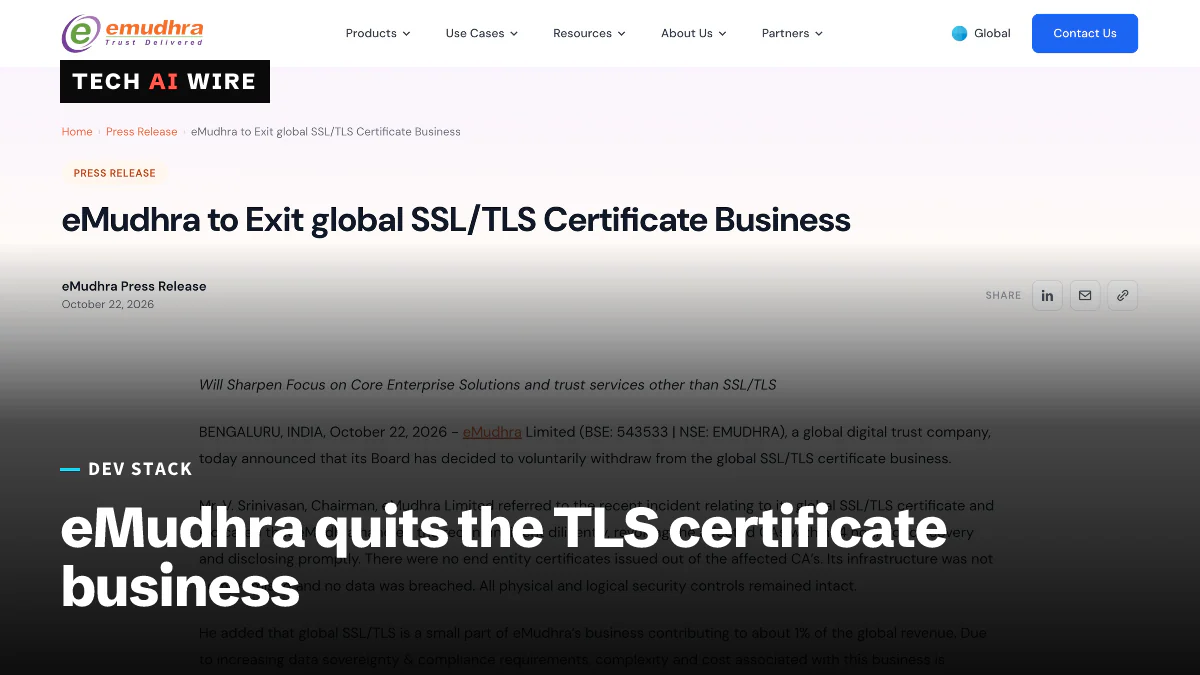
eMudhra quits the global SSL/TLS certificate business after weak keys
eMudhra will leave the global SSL/TLS certificate business, it said on October 22, 2026, after weak keys broke 8 of its intermediate certificates.
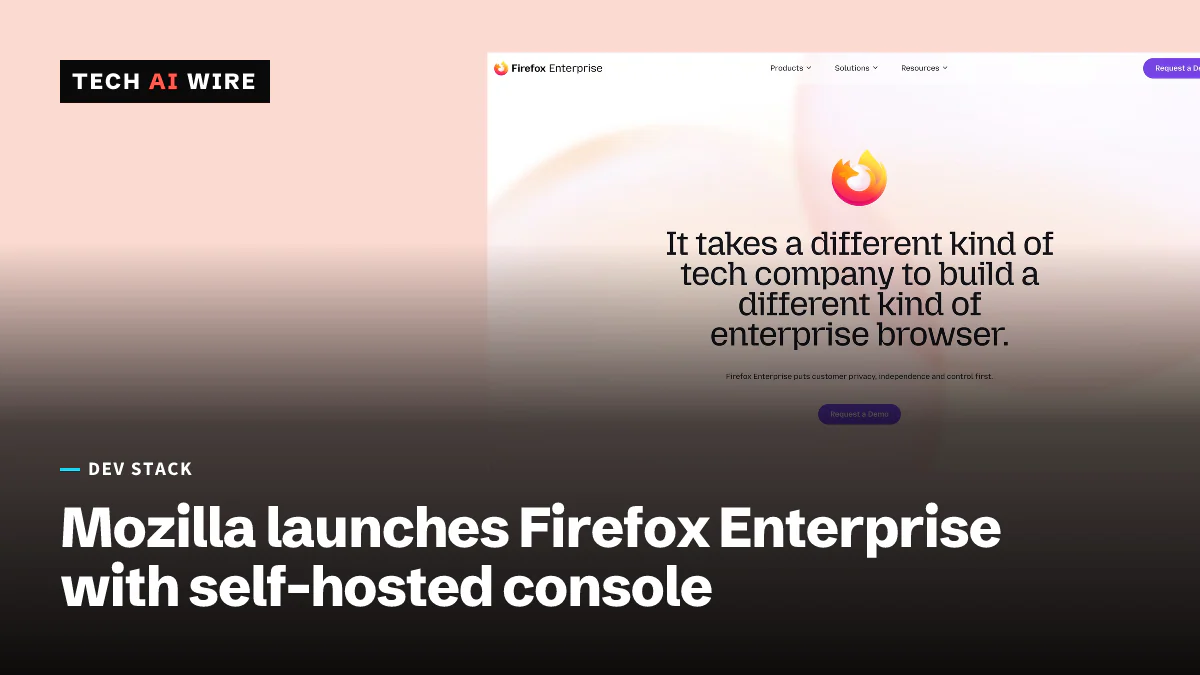
Firefox Enterprise launches with a self-hosted console
Mozilla launched Firefox Enterprise on October 12: a browser plus a console that companies run on their own servers, sold first in four European countries.
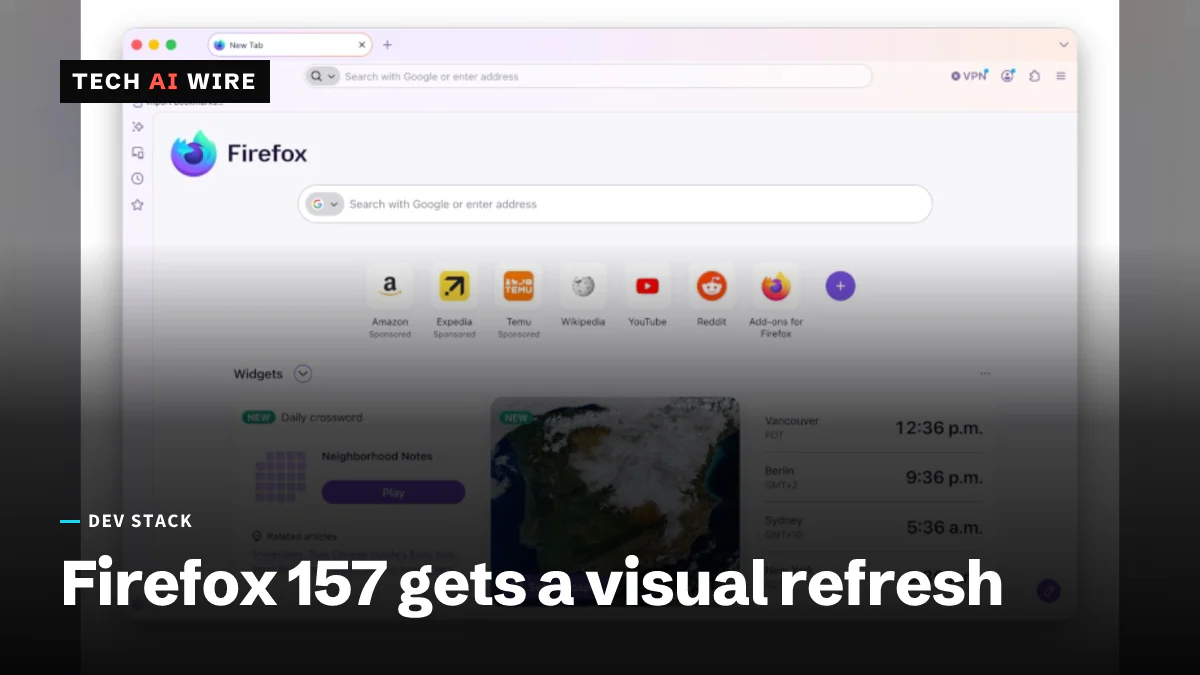
Firefox 157 ships a redesign and hardware AV1 for WebRTC
Firefox 157, out September 29, 2026, adds hardware AV1 decoding for WebRTC calls, a CSS at-rule() test and Mozilla's biggest visual refresh in years.
The weekly digest
One email every Friday with the week's top stories from all six desks: AI, dev tools, coding, the tech industry, startups and what's next. Free, no spam.