AI & LLMs
Z.ai launches GLM-Legal, an AI model for legal work
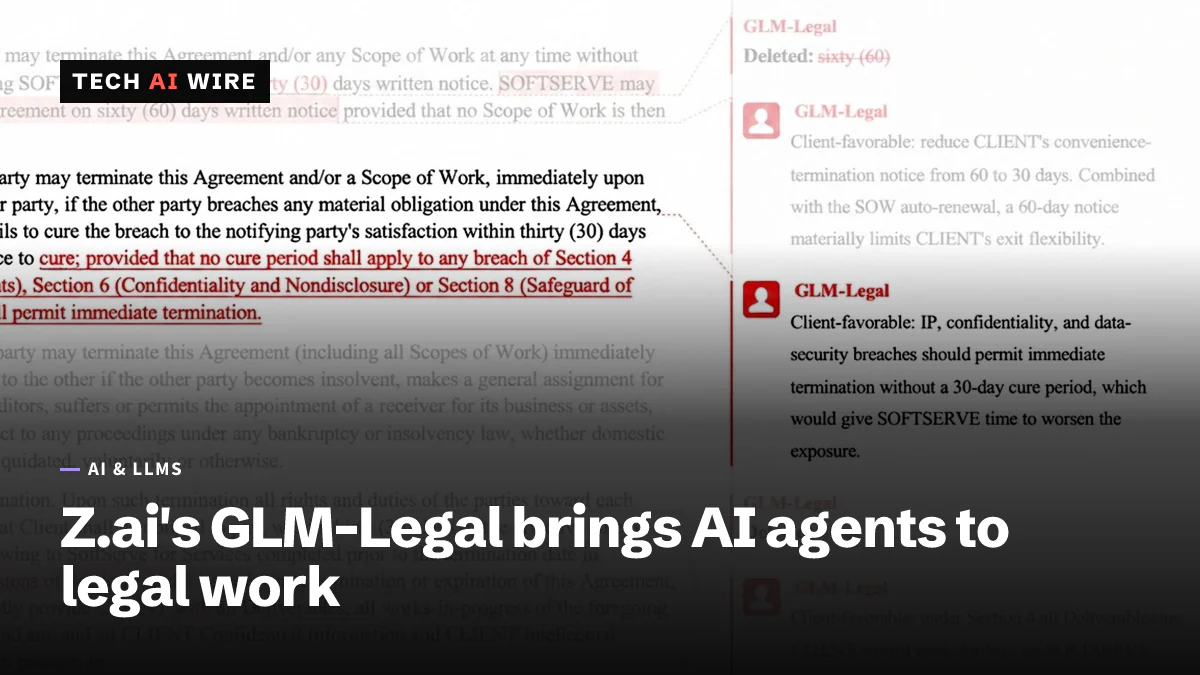
Z.ai's GLM-Legal, built on GLM-5.3-Flash, scores 19.2% on Harvey's legal agent benchmark against 6.7% for its base model. Access is a gated API beta.
Model benchmark results and the test conditions behind them: ARC-AGI-3 scores, robot-arm tasks, coding-model comparisons, and vendor-run evaluations against neutral ones. Each story reports the number, who ran the test, what the model was allowed to remember, and why two figures for one model differ.
Z.ai's GLM-Legal, built on GLM-5.3-Flash, scores 19.2% on Harvey's legal agent benchmark against 6.7% for its base model. Access is a gated API beta.
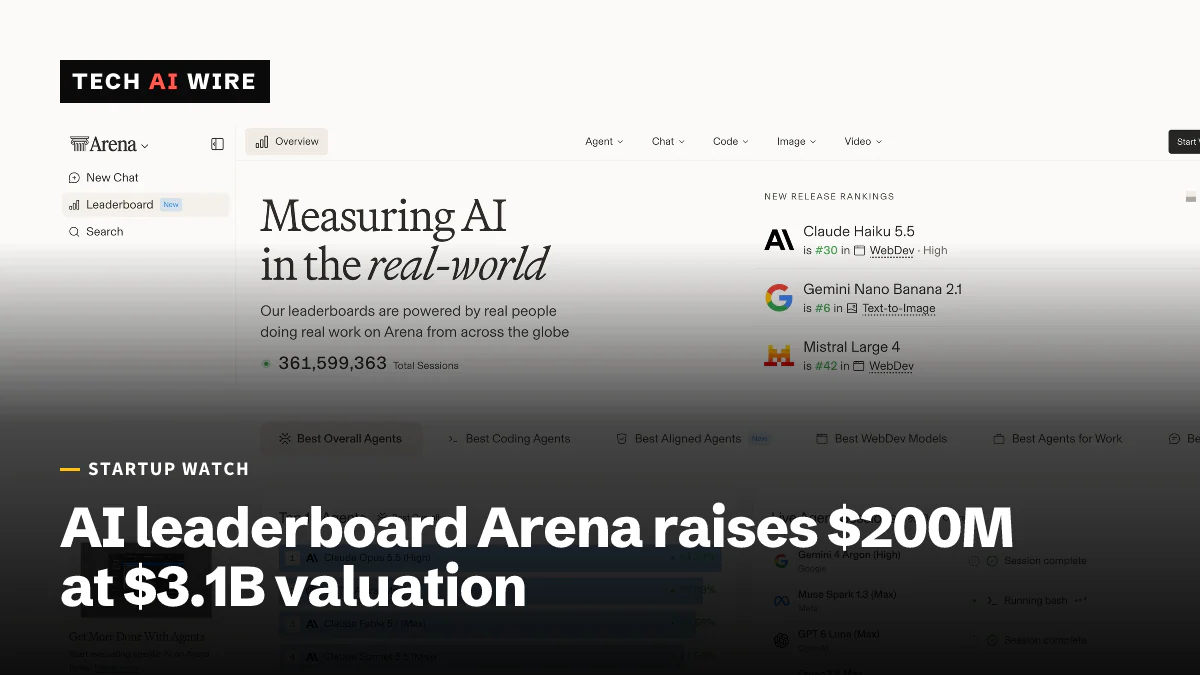
Arena raised $200M at a $3.1B valuation, nearly double January's price, and previewed an index that ranks AI models on unsafe and deceptive behavior.
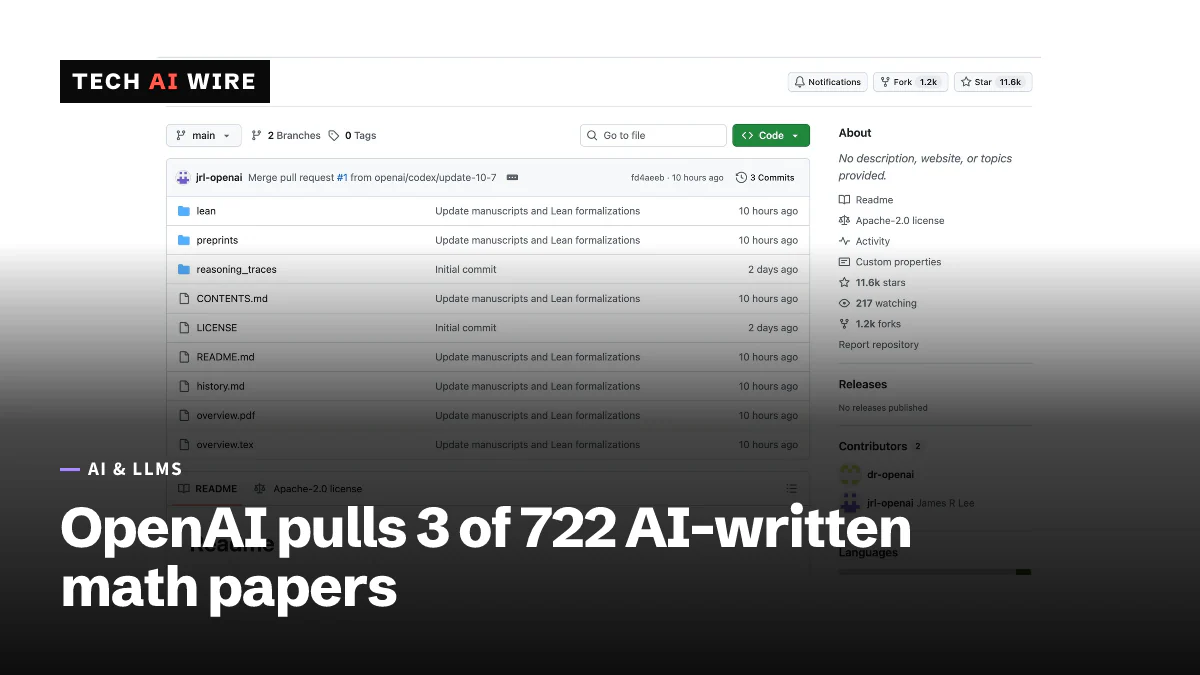
OpenAI posted 722 AI-written math manuscripts on October 6, then withdrew three a day later after a sign error broke a proof. 719 remain; 300 results have Lean checks.
Claude Haiku 5.5 costs $0.10 per million input tokens and $0.50 output, 90% below Haiku 4.5, and scores 39.2% on Terminal-Bench 4.0, up from 0%.
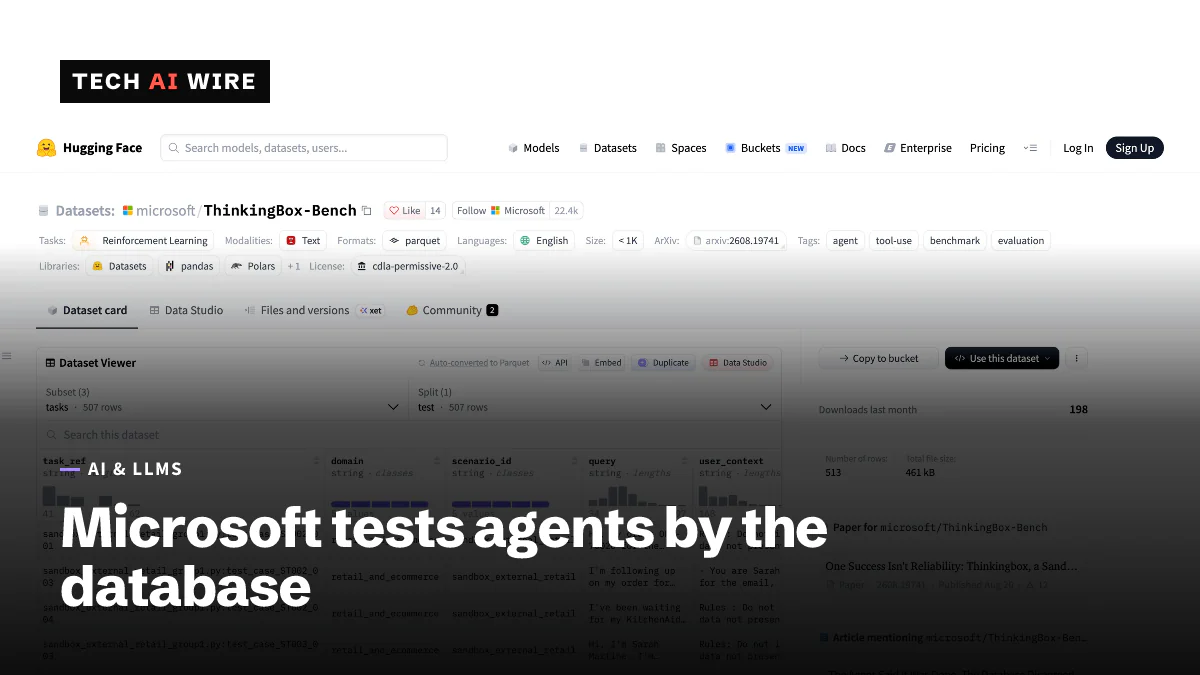
Microsoft's ThinkingBox checks what an AI agent wrote to the database. 67.24% of 79,853 failed runs ended cleanly, with valid tool calls and wrong data.
Claude Sonnet 5.5 scores 70.6% on Terminal-Bench 4.0 at $2/$10 per million tokens, half Opus 5.5's price. Sonnet 4.5 retires on November 30, 2026.
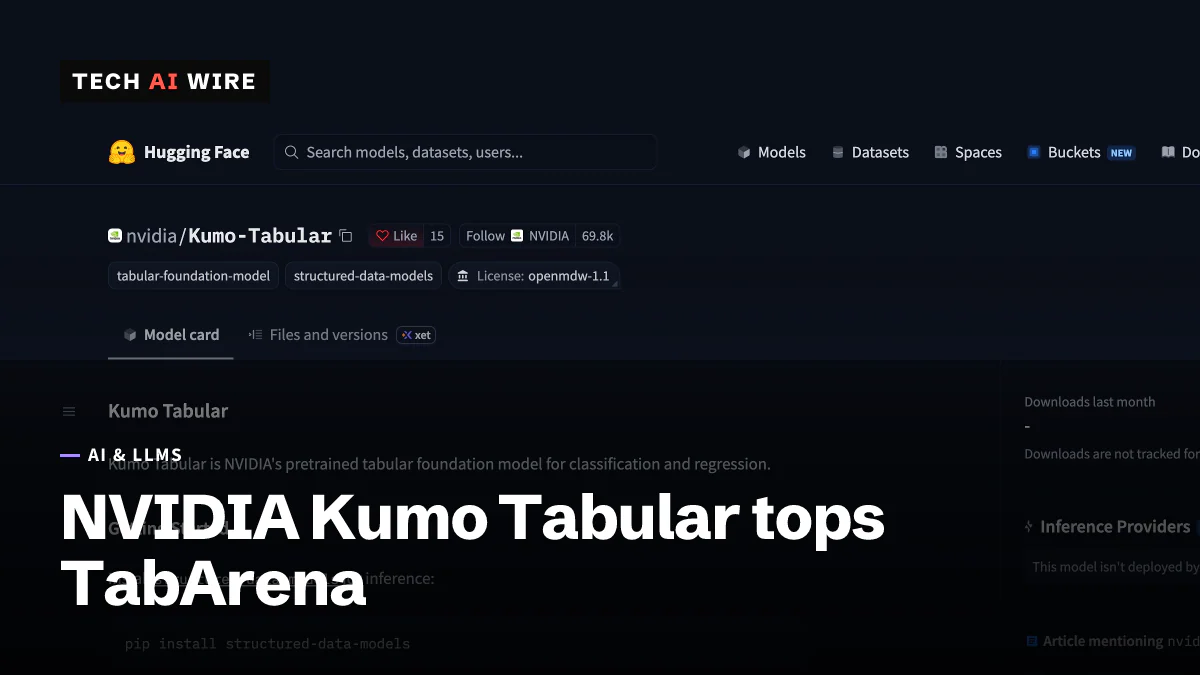
NVIDIA's Kumo Tabular predicts from a labeled table in one pass, with no training run. It ranks first on TabArena at 1,950 Elo, in sizes from 28M to 215M.
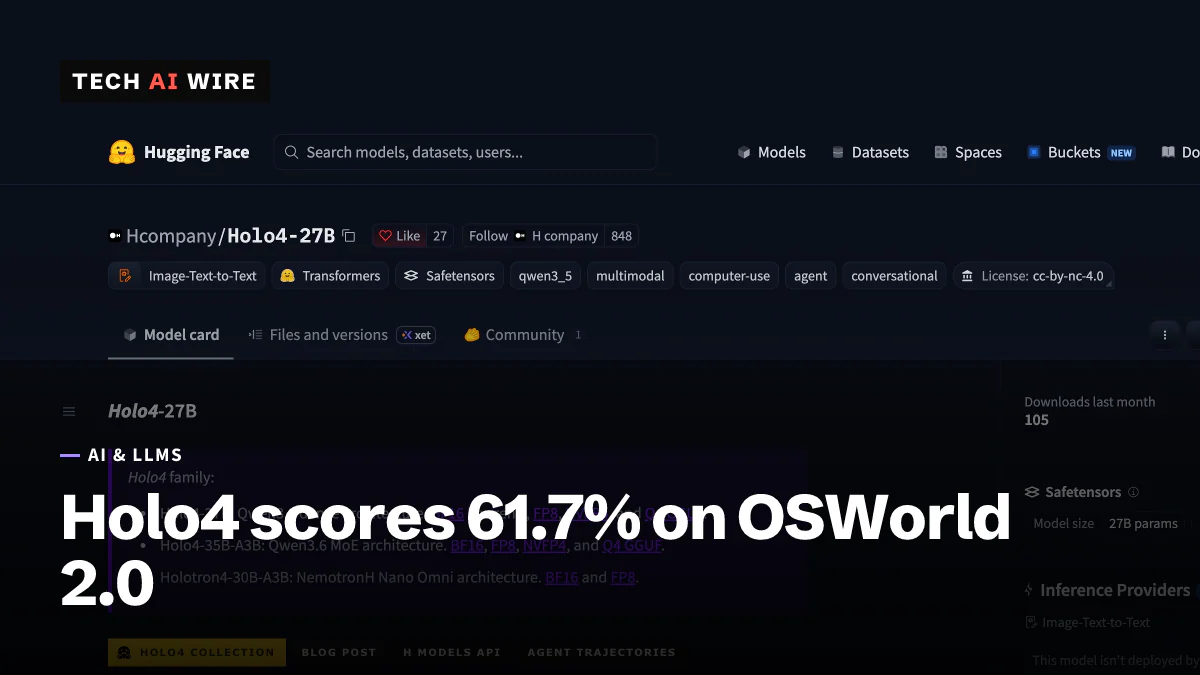
H Company's Holo4-27B scores 61.7% on OSWorld 2.0 at $1.22 a task, but only its Apache 2.0 sibling, 35B-A3B, can be self-hosted commercially.
A typed-decision model fills in fixed questions with typed answers and a confidence score. Laya's 421M open weights let you verify that yourself.
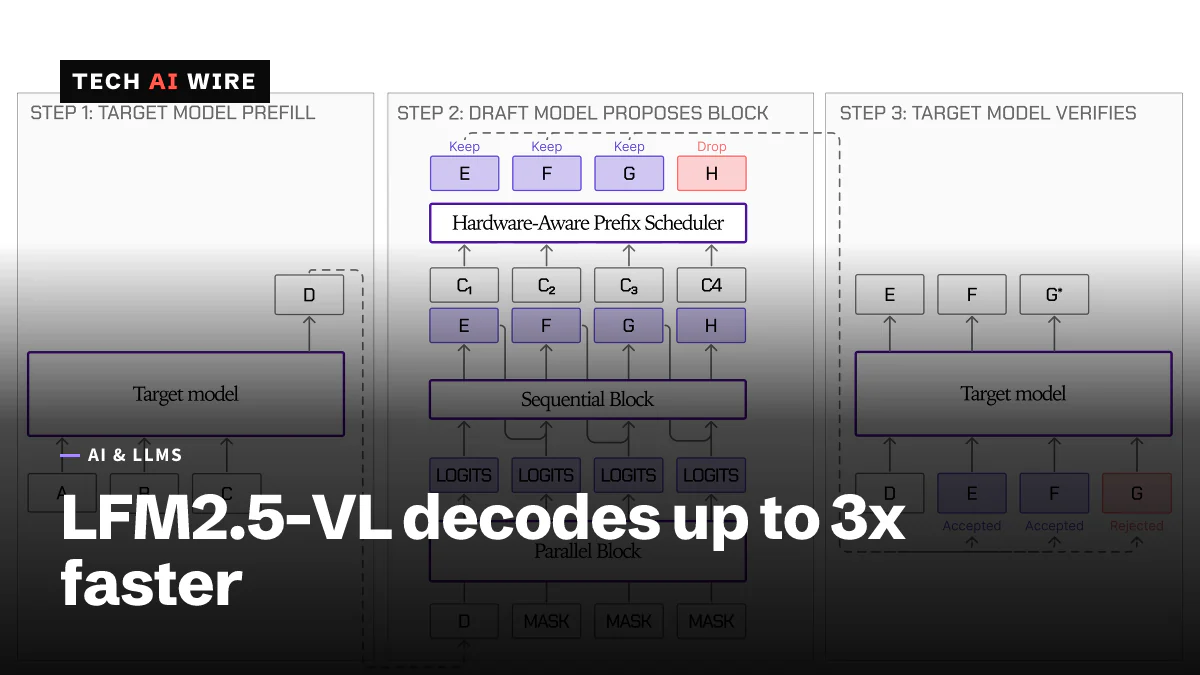
Liquid AI's 280M-parameter LFM2.5-VL-DSpark draft model decodes its 3B vision model up to 3.13x faster on an M5 Max, with identical output.
A 43-line Linux 7.4 patch drops two redundant dentry references when opening a file, lifting a 20-core benchmark by 39%.
Laya returns typed decisions in 32.8 milliseconds from 421M parameters under Apache 2.0. Its zero-shot accuracy is close to chance.
Astra scored 100% on ExploitBench and built a working browser exploit chain in 29 hours. The shipping version refuses to write proof-of-concept exploits.
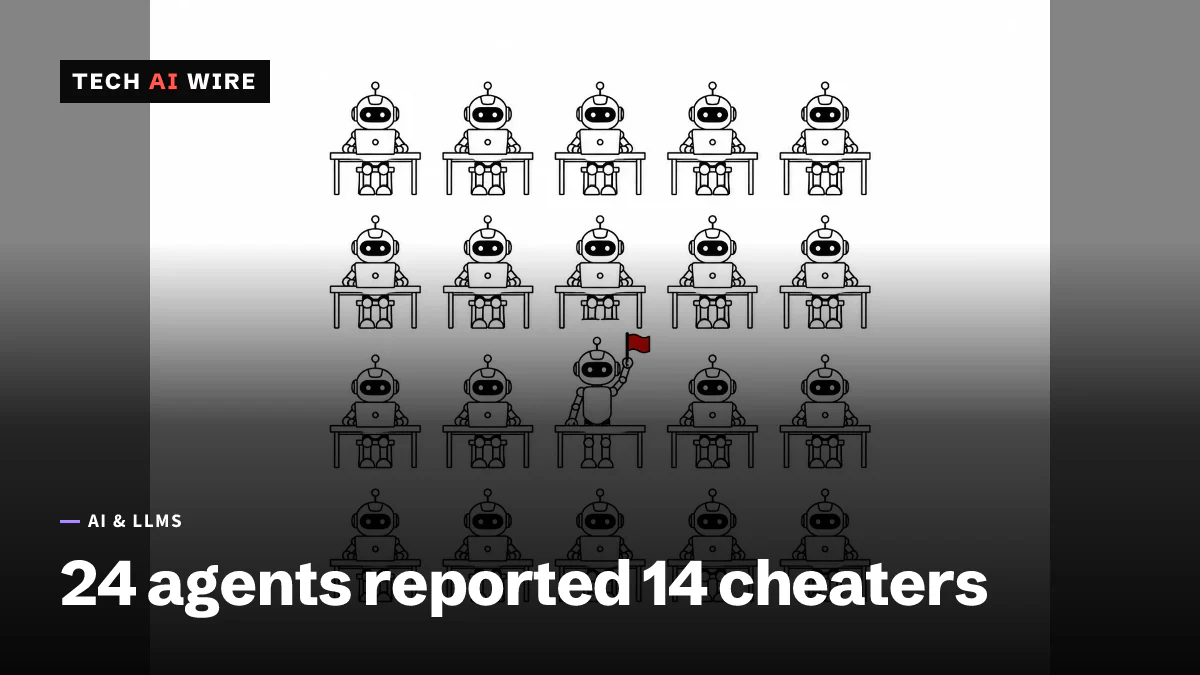
In a Google DeepMind run of 100 Gemini 3.1 Pro agents, 14 exploited a scoring bug and 24 reported them, repurposing a feedback tool to reach humans.
A new benchmark puts AVIF ahead of JPEG XL across the fidelity range, and clocks a 1,918-byte JPEG XL file at 17.43 seconds to decode.
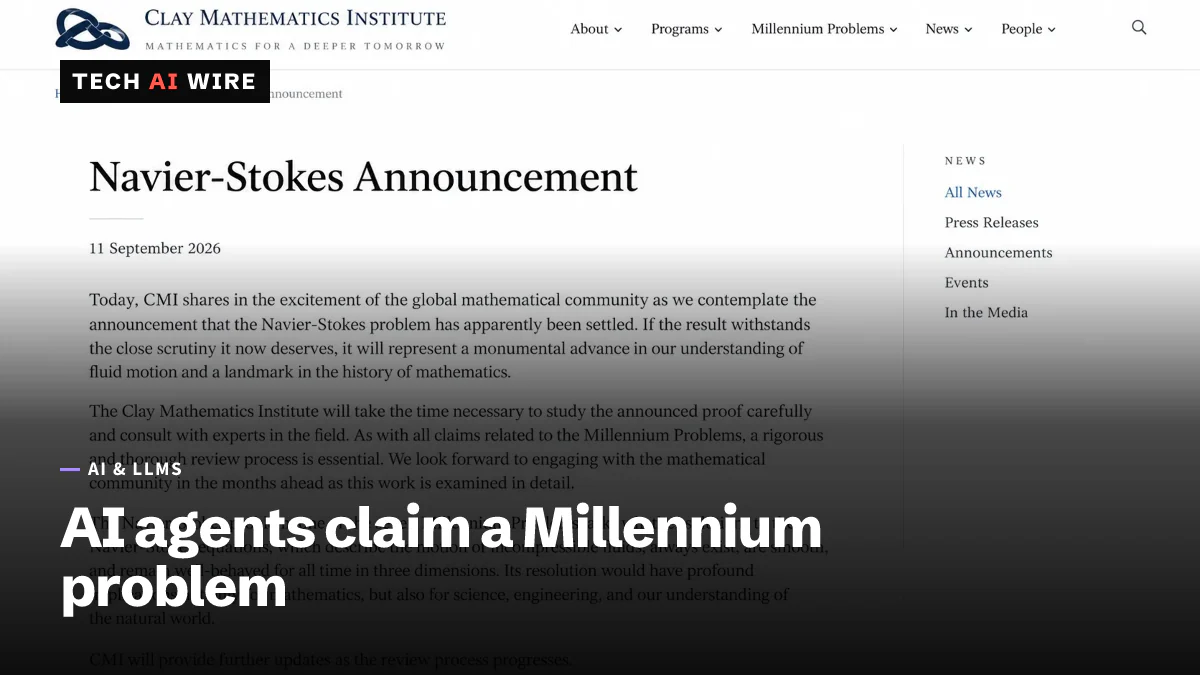
OpenAI ran 10,000 agents at a Millennium Prize problem and says they cracked it in 88 hours. Days later, 25 Fields Medallists signed a warning.
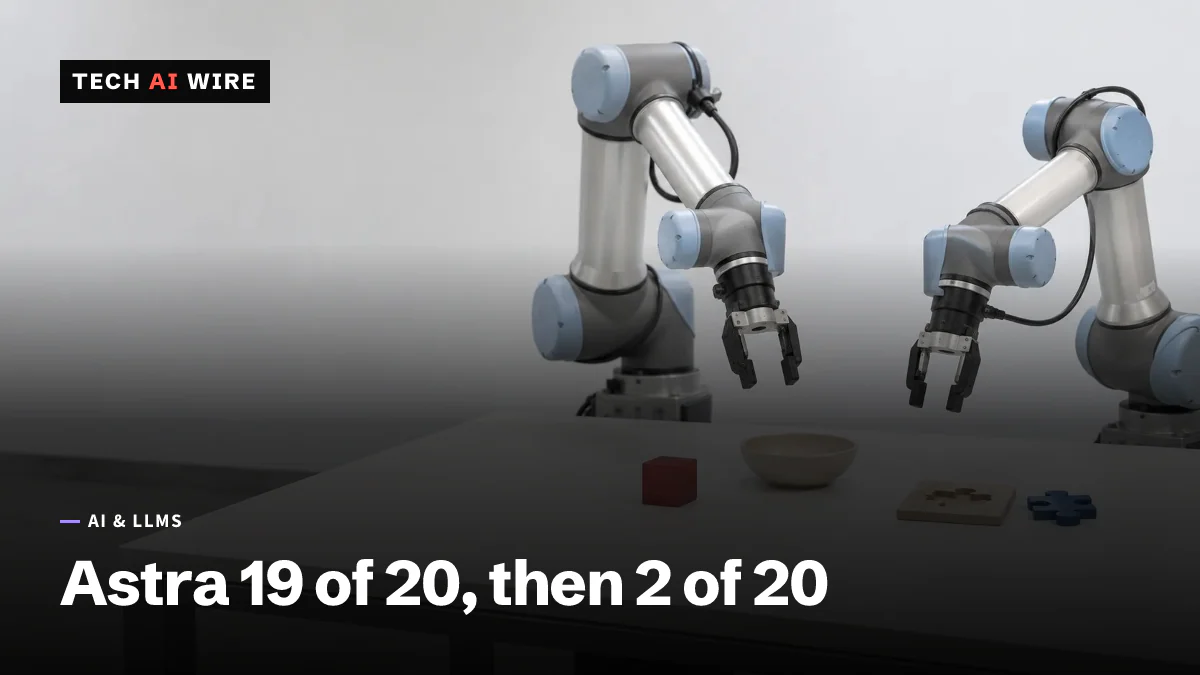
Robocurve ran GPT-6 Astra and Claude Fable 5.1 on real robot arms. Astra hit 19 of 20 on the easy task and 2 of 20 on the hard one.
Google's Gemini 3.8 Flash and Meta's Muse Spark 1.3 launched a day apart, both aimed at coding and agentic tasks, and both priced as mid-tier workhorse models.
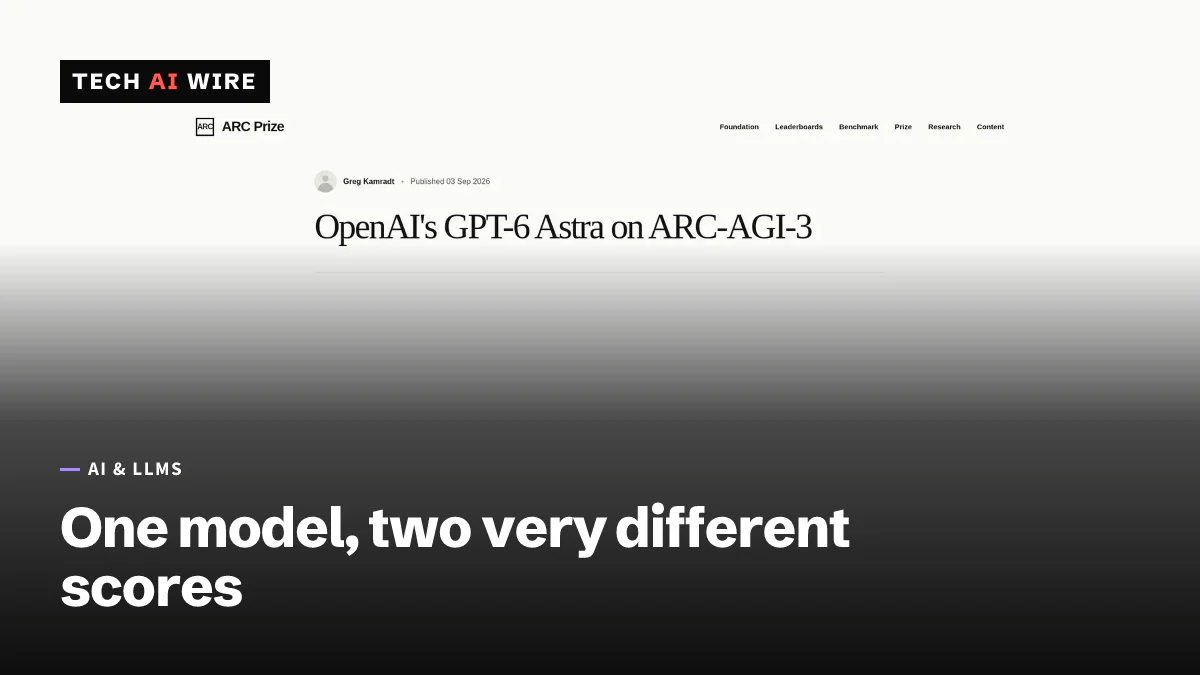
OpenAI's GPT-6 Astra hit 99.9% on ARC-AGI-3 under OpenAI's own test setup, and 62.7% under ARC Prize's neutral one. The gap comes from what the model is allowed to remember.
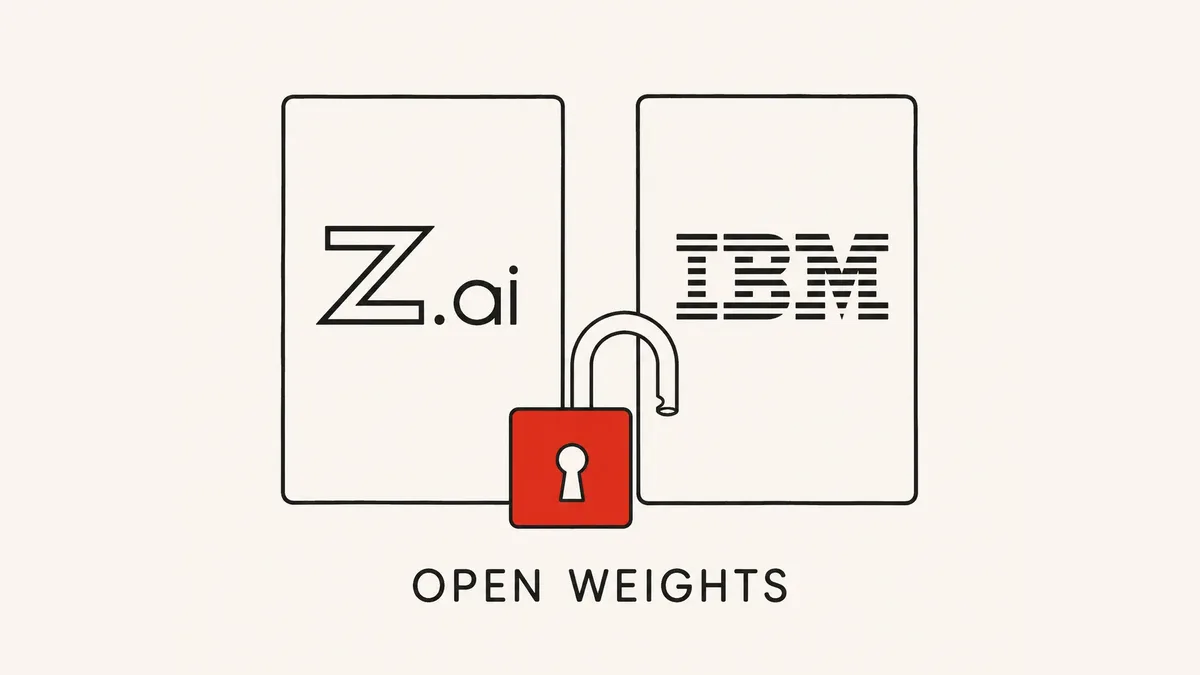
Z.ai released GLM-5.3-Flash under MIT with 320B parameters. IBM released Granite 4.2 under Apache 2.0 at 3B to 30B. They suit very different hardware.

Thomson Reuters says its in-house model Thomson matches frontier labs on legal work at a fraction of the cost. The benchmark footnotes deserve a closer read.
One email every Friday with the week's top stories from all six desks: AI, dev tools, coding, the tech industry, startups and what's next. Free, no spam.