Tesla renames FSD to Tesla Assisted Driving in Europe
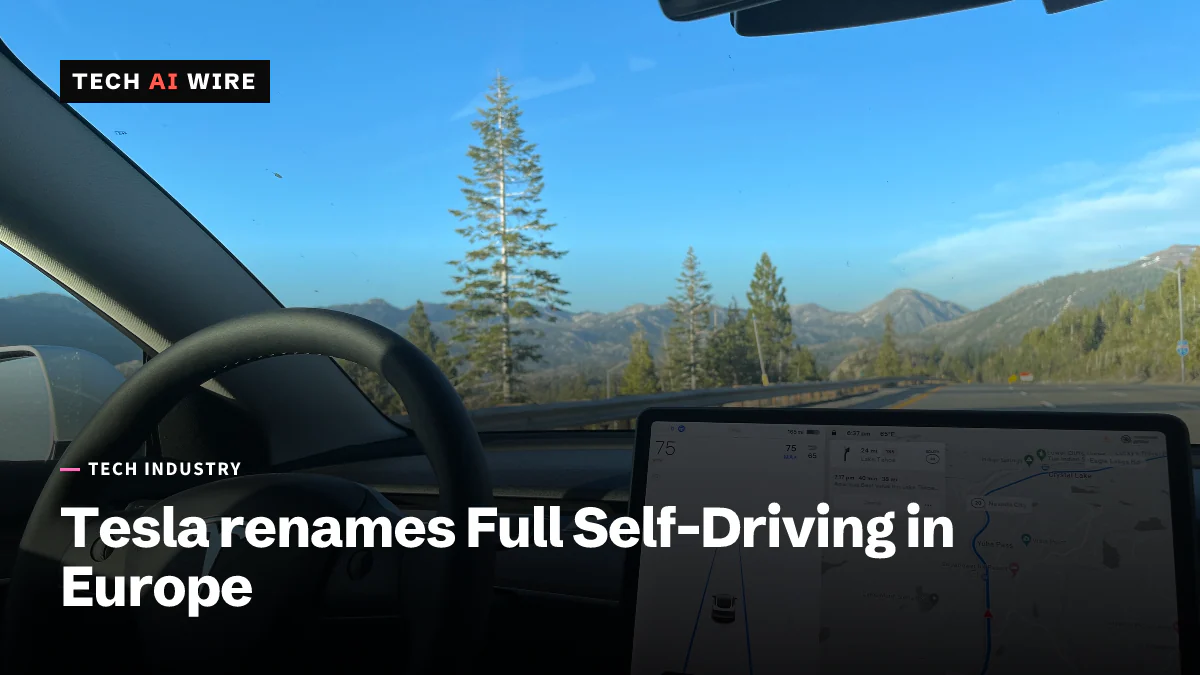
Tesla calls Full Self-Driving Tesla Assisted Driving on its European sites, after Germany called the old name misleading. The EU vote slipped to December.
3 min read
By the numbers
- EU countries that allow the system, per The Next Web
- 8
- speed cap above the posted limit that Germany wants
- 10%
- monthly price of Full Self-Driving (Supervised) in the US
- $99
Tesla has renamed its Full Self-Driving software "Tesla Assisted Driving" on its European websites, Reuters and Bloomberg reported on October 9, 2026. The change follows pressure from Germany, whose transport ministry called the old name misleading. Tesla wants Europe-wide approval for the system, and the rename is part of that push. The software itself has not changed, and the US site still uses the old name.
What changed
Tesla's European sites now say "Tesla Assisted Driving," according to The Next Web and Reuters. The US site still calls the feature "Full Self-Driving (Supervised)," where it typically costs $99 a month, The Next Web and Bloomberg report.
The rename is mostly a label. The Next Web found the German page is a translation of the American one. It still promotes the same capabilities.
Tesla gave no statement in any of the reports. Germany said on October 6 that Tesla had offered the new name, Reuters reports. Elon Musk replied to Germany's position on X on October 7 with "Danke Schön," according to GadgetReview, citing Reuters.
Why regulators pushed back
The core complaint is simple. The system needs a human watching at all times, so a name with "self-driving" in it oversells it.
- Germany. The Federal Ministry for Transport called the original label "somewhat misleading," because the system does not take over the full driving task, GadgetReview reports. Transport Minister Steffen Bilger said he would push for timely EU-wide approval. Germany's own approval is not finished.
- Sweden. Consumer protection authorities asked the Swedish Transport Agency to check whether Tesla's marketing falsely suggests full autonomy, Reuters reports.
- Italy. In internal correspondence seen by Reuters, Italian officials said the name "could lead users to believe that the vehicle is equipped with unsupervised automatic driving."
- The Netherlands. The Dutch regulator RDW approved the system in April 2026 and said it is more restrictive than the US version, Bloomberg reports. "A vehicle with FSD Supervised is not self-driving," the Dutch regulators said.
Speed is a second sticking point. Germany wants the system capped at 10% above the posted limit, The Next Web reports. The version the Dutch approved allows up to 50% over the detected limit, according to Reuters, as cited by The Next Web.
Where approval stands
Eight EU countries now allow the system, up from six a month earlier, The Next Web reports. The Netherlands approved it, and Czechia and Croatia then recognized the Dutch certificate. Slovakia's transport minister, Jozef Ráž, says his country will become the ninth within days.
The EU-wide decision has slipped. TCMV, the EU committee of national vehicle regulators, was due to vote on October 6 but did not. The earliest new date is December. France is running more tests, Reuters reports. France, Germany, Italy and Spain have not yet authorized the system.
The claims that stayed
The rename did not touch Tesla's safety marketing. The German page keeps a claim that the system is "seven times safer," The Next Web reports. Independent researchers called that claim invalid in June. Seven traffic-safety researchers told Reuters that Tesla's European safety studies used proxies for driving behavior, not crash or death data.
Tesla has faced this fight before. A Munich court barred Tesla's advertising in 2020 over its promise of the "full potential for autonomous driving," The Next Web notes. In California, the state's motor vehicle department threatened last year to suspend Tesla sales over its driver-assistance marketing, Bloomberg reports. It dropped the threat after Tesla took "corrective action," phasing out its Autopilot branding.
What this means for developers
For teams building driver-assistance or any automation product, the lesson is that the name is part of the product. Regulators judged the label as closely as the code:
- Name features by what the user must do. If a person has to supervise, the name and the marketing must say so. In Europe, that pressure produced the word "Assisted."
- Ship regional configs. The same software runs under different names and speed limits by country. Build per-market settings for limits, wording and disclaimers from the start.
- Back safety claims with crash data. Researchers rejected a headline safety number because it rested on proxies. Any safety claim in marketing should rest on outcome data an outside reviewer can check.
For fleet buyers and Tesla owners in Europe, nothing changes on the road yet. Watch the TCMV vote, now December at the earliest, and Germany's final decision on the 10% speed cap.
Sources
- Tesla renames Full Self-Driving to Tesla Assisted Driving across Europe - The Next Web
- Tesla renames 'Full Self-Driving' to 'Assisted Driving' in Europe as it chases clearance for software - The Star
- Tesla Drops 'Self-Driving' Branding to Appease Europe Regulators - Claims Journal
- Tesla Drops 'Full Self-Driving' Name in Europe - GadgetReview
Related articles
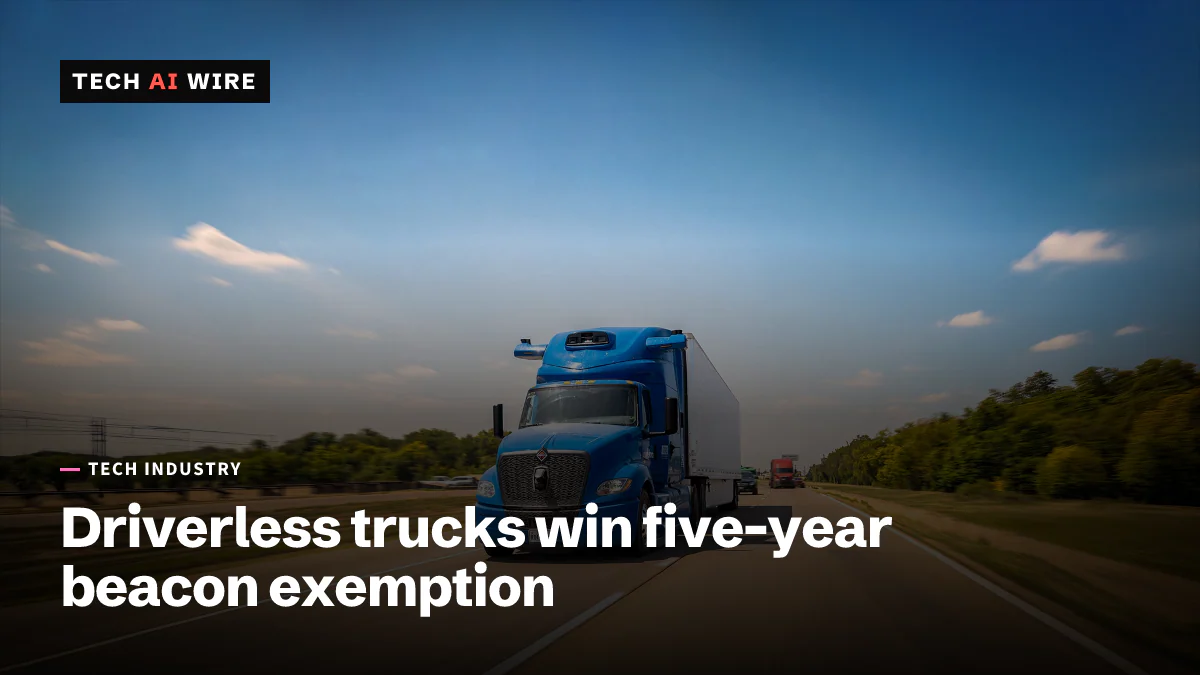
FMCSA gives driverless trucks a 5-year beacon exemption
Driverless trucks may use cab-mounted beacons instead of roadside warning triangles until October 7, 2031, under a five-year FMCSA exemption.
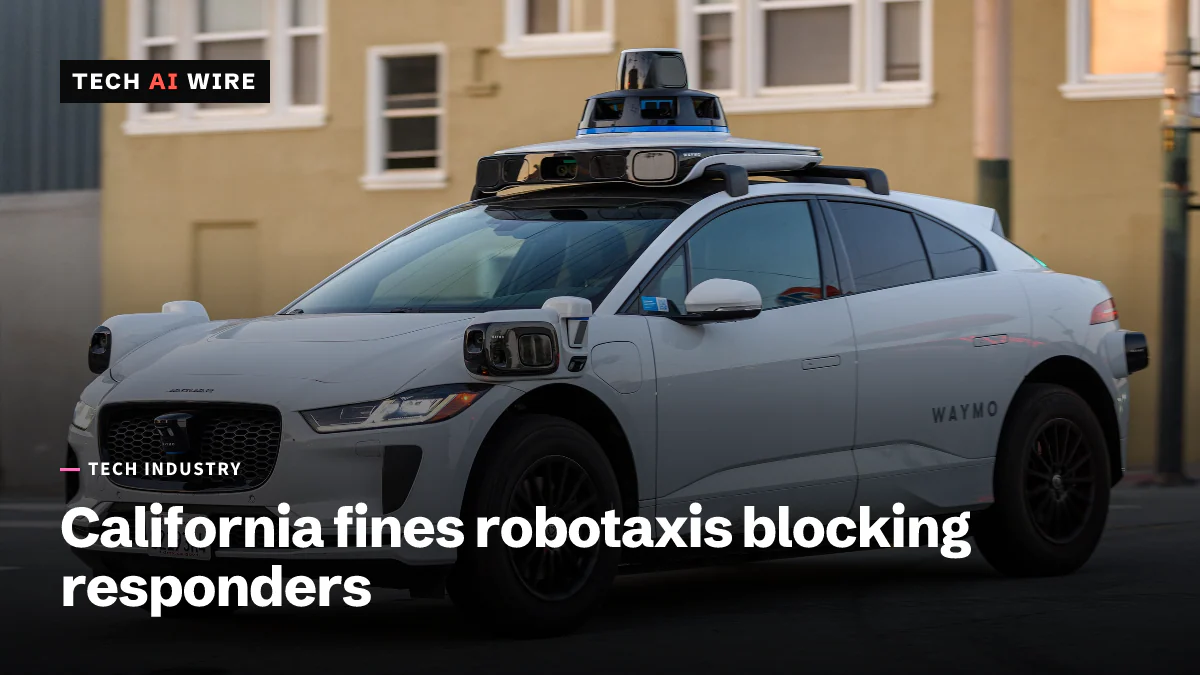
California SB 1246 fines robotaxis that block responders
California's SB 1246 fines robotaxi firms up to $10,000 per car that blocks an emergency for over 30 minutes, and sets 30-second rules from July 2028.
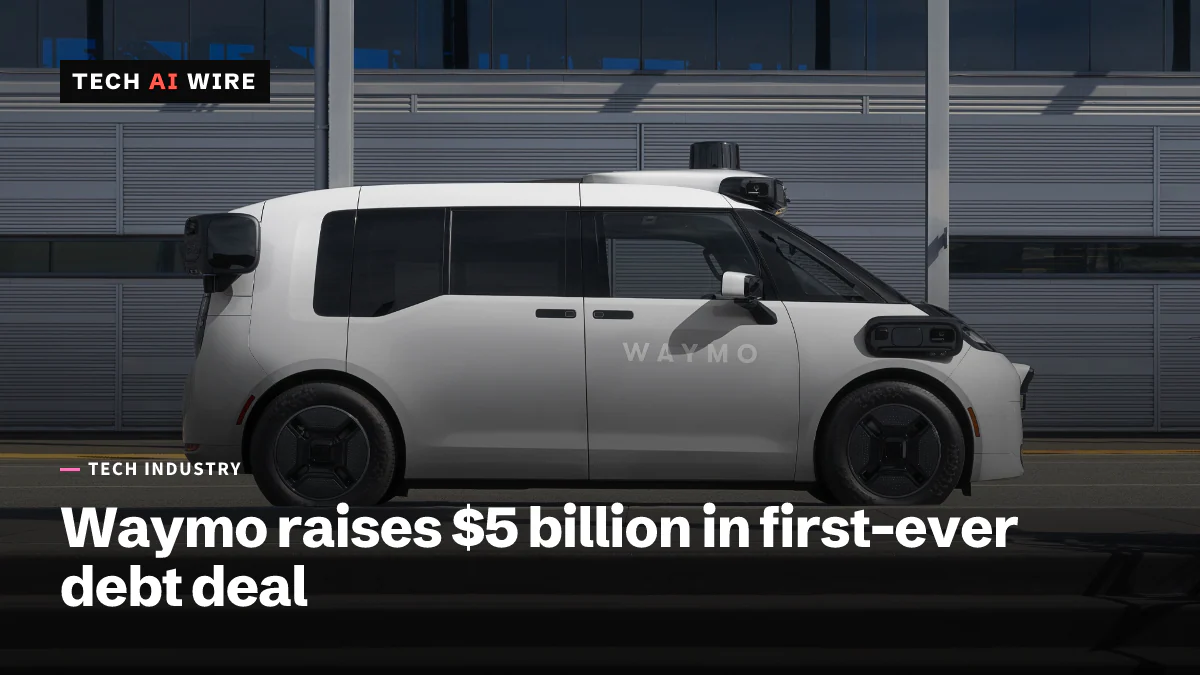
Waymo closes $5 billion loan, its first debt financing
Waymo closed a $5 billion term loan on October 8, its first debt deal, led by PIMCO, Blackstone and Sixth Street, to expand its robotaxi service abroad.
The weekly digest
One email every Friday with the week's top stories from all six desks: AI, dev tools, coding, the tech industry, startups and what's next. Free, no spam.