New York says TikTok gave teens a placebo safety tool
A New York lawsuit alleges TikTok tested a placebo version of its Algo Refresh feature on thousands of users in 2023. TikTok disputes the claims.
3 min read
By the numbers
- year of the alleged placebo tests
- 2023
- states that have sued TikTok over child safety claims
- 24+
- when Reuters reported the unsealed allegations
- Oct 7
A New York lawsuit alleges that TikTok gave thousands of teens and children a version of its "Algo Refresh" safety feature that did nothing. TechCrunch reported on October 8, 2026 that users thought they had reset their recommendations, but their feeds did not change. These are allegations in a court filing, not findings, and TikTok disputes them. The case asks whether a safety tool that appears to work counts as one that works.
What the lawsuit alleges
Algo Refresh lets a user reset the videos TikTok recommends, so unwanted or harmful content stops appearing. According to The Next Web, the unsealed filing says that in 2023 some users got a placebo. A placebo here means a button that looks real but changes nothing.
The allegations, as reported:
- thousands of users, including teens and children, were part of the experiment
- users believed they had turned the feature on, but their feeds stayed the same
- other users in the test got a working version
- the tests also looked at effects on time spent in the app and on ad sales
- the complaint claims the reset did not last
The Next Web adds that an internal chat shows a product manager on TikTok's well-being team objecting. The manager said a placebo group conflicts with the feature's purpose of giving users transparency and control. The sources disagree on whether the manager's words are quoted exactly, so this article paraphrases them.
How the claims became public
New York Attorney General Letitia James filed the case, and The Next Web says the amended complaint with these claims was filed under seal at the end of August. A judge later ordered the filings unsealed. Reuters reported the allegations on October 7, 2026, and Bloomberg had earlier reported on related confidential tests.
The Next Web says James and 14 other state attorneys general sued TikTok in October 2024, alleging the company misled the public about how safe its tools were. It does not confirm that the "Refresh" feature in that suit is the same as Algo Refresh. TechCrunch says this is one of more than two dozen state cases over claims that TikTok was designed to encourage addictive use among children.
A separate experiment
Both outlets also describe a different test, first reported by Bloomberg, in which a safety update was allegedly withheld from about 10% of US users, roughly 15 million people. The Next Web says the unsealed documents include both tests, and the pages do not say they are linked. They should be read as separate allegations.
TikTok's response
TikTok told Reuters it regularly tests new products, TechCrunch reports. The Next Web says TikTok's spokesperson described the lawsuit as giving a false picture of how Algo Refresh works. TikTok disputes the allegations. Neither outlet gives the full statement.
What this means for developers
For teams that build safety, privacy or recommendation controls, the case is about how you test them.
- Do not ship a placebo control group for a safety feature. If a control exists to protect users, giving some users a fake version is the practice the filing criticizes. Test with real versions and measure outcomes.
- Log who saw which variant. Regulators and courts ask what each user group was shown. Keep experiment records that explain the purpose and the review.
- Add ethics review to experiment design. An internal objection from a product manager is exactly what a formal review process should catch before launch.
- Make controls verifiable. If a "reset" button works, users should be able to see the effect. Show what changed.
- Expect filings to become public. Sealed documents can be unsealed, so write internal notes as if a judge may read them.
The next step to watch is TikTok's formal response in court. Until then, everything above remains an allegation.
Sources
Related articles
Philippine Senate passes under-18 social media ban bill
The Philippine Senate voted 16-1 for the SMART KIDS Act, which would bar under-18s from social media. The House version sets a lower age limit of 13.
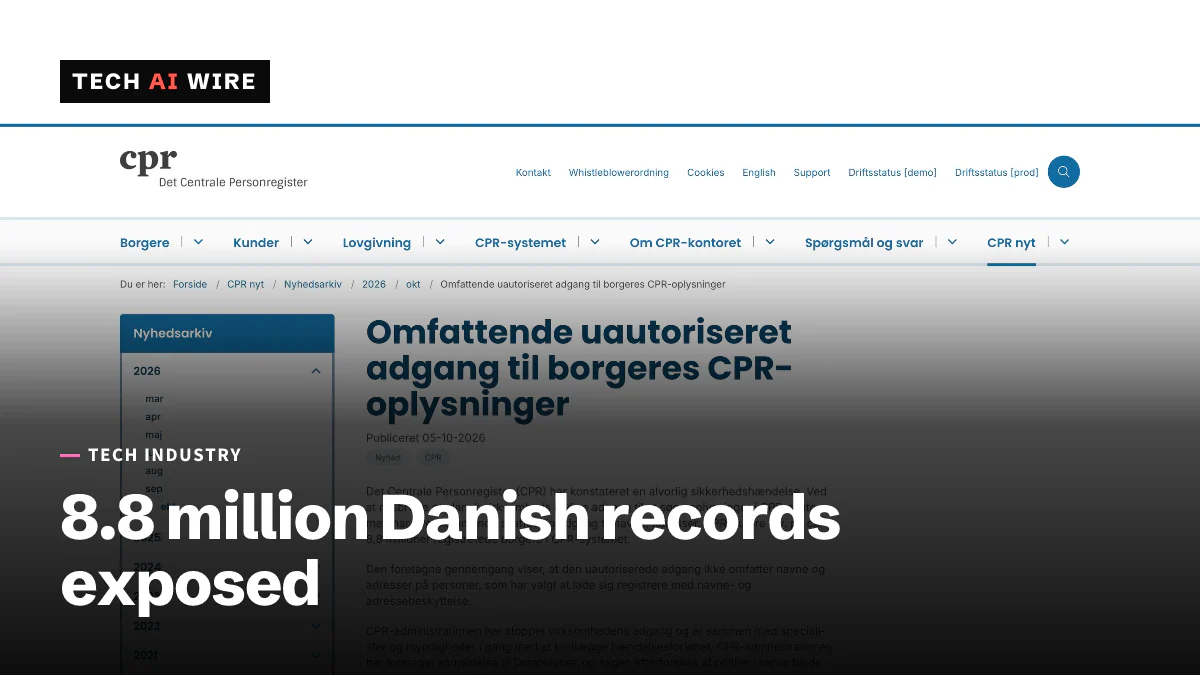
Denmark CPR breach exposes 8.8 million personal records
Attackers misused a Danish company's legal access to the CPR register and pulled names, addresses and ID numbers of 8.8 million people in September.
Federal judge rules a Flock plate search unconstitutional
A federal judge ruled a warrantless Flock license plate search broke the Fourth Amendment and threw out 91 pounds of seized meth. It is not binding precedent.
The weekly digest
One email every Friday with the week's top stories from all six desks: AI, dev tools, coding, the tech industry, startups and what's next. Free, no spam.