Nevada approves thousands of paid robotaxis for Las Vegas streets
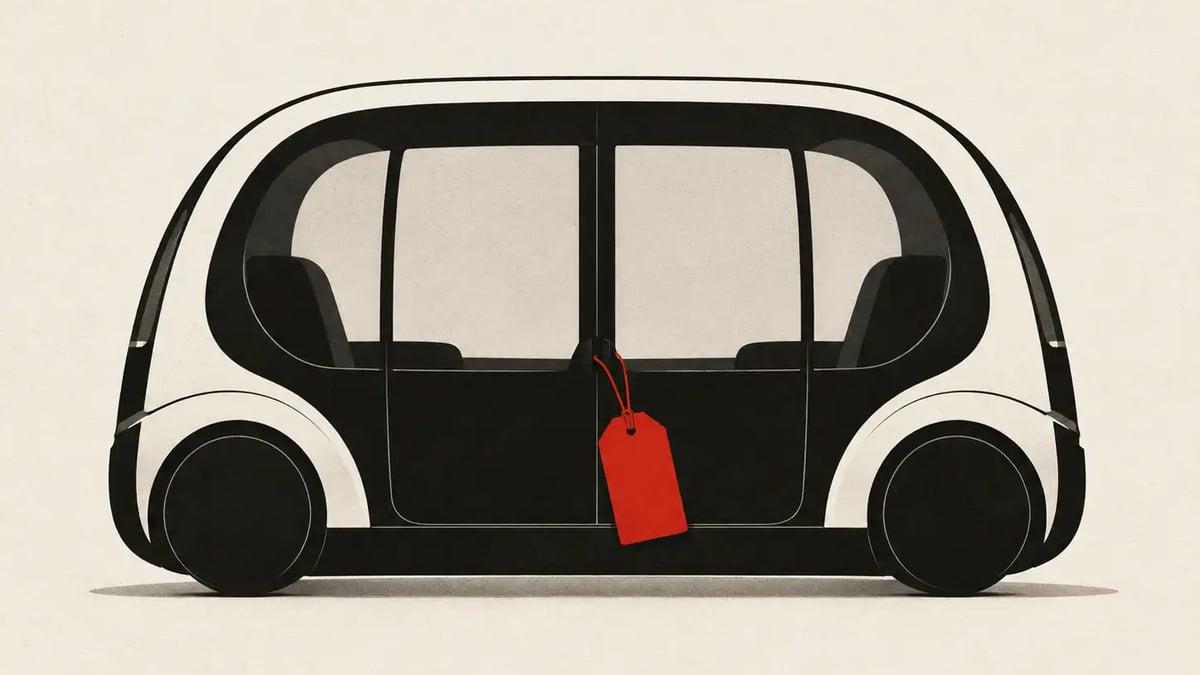
Nevada's Transportation Authority cleared Tesla, Waymo, and Uber to run paid robotaxis in Clark County - up to 5,000 for Tesla alone - within the next 12 months.
3 min read
- Tesla
- 5000
- Waymo
- 1000
- Uber
- 1000
- Zoox (existing permit)
- 100
The Nevada Transportation Authority approved Tesla, Waymo, and Uber to operate commercial, paid robotaxi services across Clark County - the county that contains Las Vegas - at its board meeting this week, authorizing fleets of up to 5,000, 1,000, and 1,000 vehicles respectively over the next 12 months. One US county just cleared more driverless capacity than most countries have on their roads, and it happens to be the county 40 million tourists visit a year.
Who got approved, and for how many
Per TechCrunch's report, Tesla's permit allows up to 5,000 robotaxis, Waymo up to 1,000, and Uber up to 1,000 - with Uber operating its fleet through Amazon's Zoox and Hyundai's Motional, and Zoox separately holding an existing permit covering 100 vehicles. The sources disagree on the arithmetic and the naming: TechCrunch puts the combined total at 8,000, while Engadget and the Las Vegas Review-Journal both report 7,000 - and the Review-Journal lists the third permit holder as "Aviari" where TechCrunch and Engadget name Uber.
Nobody expects the ceilings to be hit. Tesla chief engineer Eric Early, quoted by TechCrunch: "The 5,000 has always been a ceiling for us. I don't think we'll be in a position by this time next year to deploy 5,000 vehicles." Per Engadget, Tesla says it would be "extremely happy" with 2,500 vehicles by 2027 - and its initial July approval, the Review-Journal notes, covered just 10 cars.
The conditions attached
The permits are not a blank check. The Review-Journal reports that each company must submit vehicle inspection documents, maintain insurance, file its rates with the authority before launching, and provide customer-facing app information; rides to and from Harry Reid International Airport need separate approval from the county's aviation department. NTA director Kristopher Sanchez, quoted by the Review-Journal, framed the regime as "a clear process for innovation while maintaining regulatory oversight."
Not everyone welcomed it: per TechCrunch, the Livery Operators Association and local taxi companies opposed the permits, citing market oversaturation and congestion.
Zoox got there first
The headline permits follow a quieter federal milestone. Motor1 reports that the National Highway Traffic Safety Administration granted Zoox a two-year exemption - running July 31, 2026 to July 31, 2028, capped at 2,500 vehicles per year - making its steering-wheel-free pods the first vehicles without manual controls approved to charge for rides in the US. Zoox began paid service in Las Vegas on August 10, and the Review-Journal counts 64 of its robotaxis already running. The exemption came with strings: NHTSA requires detailed crash-data submission, safety-incident reporting, and real-world performance documentation.
What this means for developers
The practical entry point is Uber's role: robotaxi capacity operated through Zoox and Motional surfaces inside an app whose APIs your product may already integrate. If you build anything on ride-hailing - expense tools, travel apps, logistics - autonomous rides will start appearing in that data as just another trip type, and worth handling explicitly rather than discovering in production.
The regulatory shape matters more than this one county. Nevada's permit-plus-conditions model and Zoox's NHTSA Part 555 exemption are the templates other states and companies will copy, and each approval publishes reporting requirements - crash data, incident reports, performance documentation - that add up to a growing public dataset on how autonomous fleets actually behave. If your work touches transport, mapping, or safety analytics, those filings are primary-source material that did not exist a year ago.
And Las Vegas itself is now the live test bed: three competing stacks - Tesla's camera-first approach, Waymo's sensor-heavy platform, and Zoox's purpose-built pods - operating paid service on the same streets at the same time. The next twelve months there will produce the first real side-by-side numbers this industry has ever had.
Sources
- Tesla, Uber, and Waymo all get the OK to operate thousands of robotaxis in Nevada - TechCrunch
- Nevada allows Uber, Tesla and Waymo to start paid robotaxi service - Engadget
- Tesla, Waymo and Aviari cleared to deploy 7,000 Las Vegas robotaxis - Las Vegas Review-Journal
- Zoox Can Start Charging For Steering Wheel-Free Robotaxis In Las Vegas - Motor1
Related articles
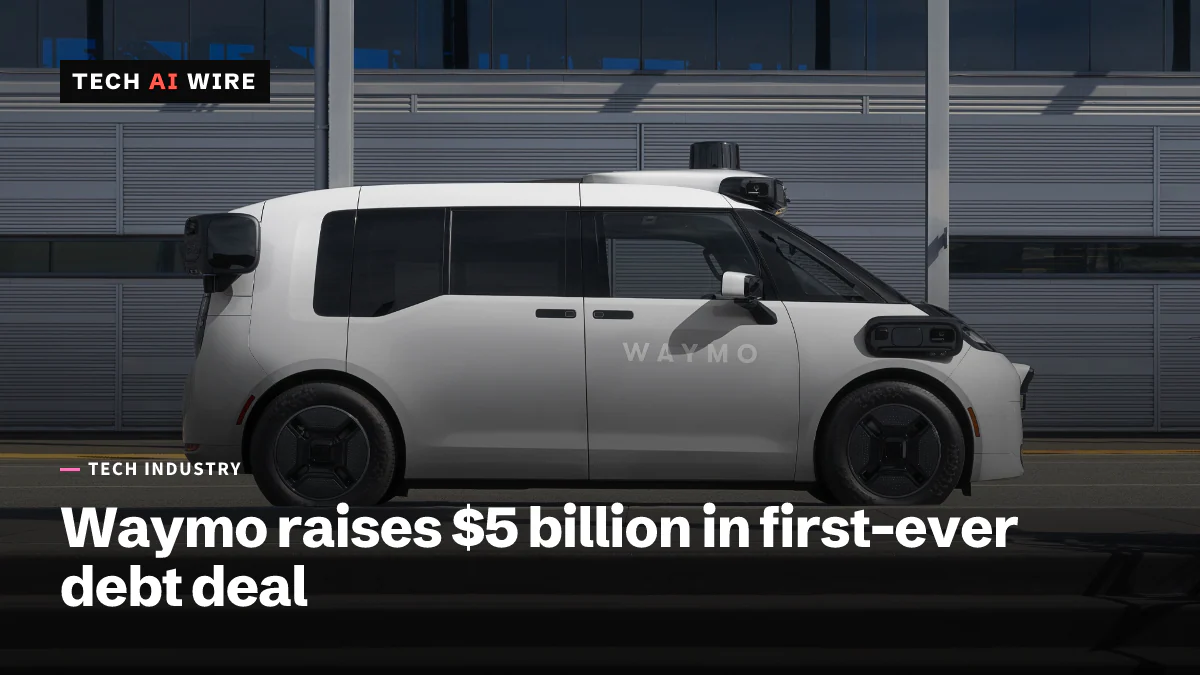
Waymo closes $5 billion loan, its first debt financing
Waymo closed a $5 billion term loan on October 8, its first debt deal, led by PIMCO, Blackstone and Sixth Street, to expand its robotaxi service abroad.
Uber cuts 3,300 jobs and nearly ends remote work in a re-org
Uber is cutting 3,300 jobs, about 10% of staff, and trimming management positions by 20%. Fewer than 1% of employees will be allowed to stay fully remote.
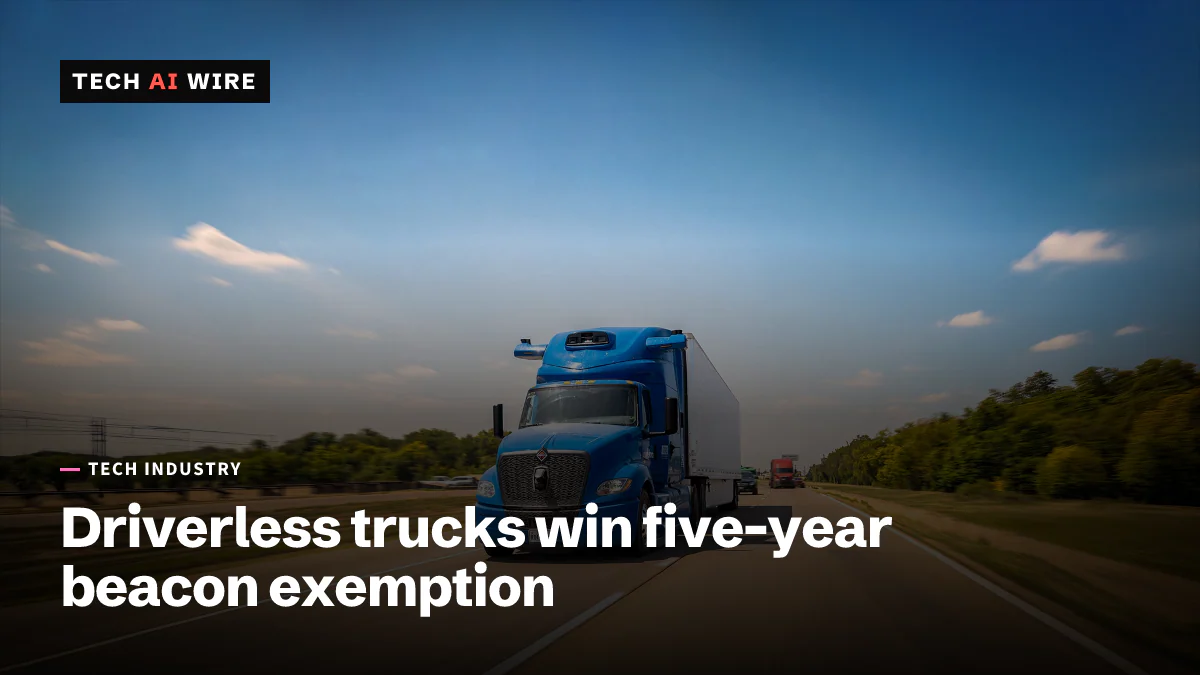
FMCSA gives driverless trucks a 5-year beacon exemption
Driverless trucks may use cab-mounted beacons instead of roadside warning triangles until October 7, 2031, under a five-year FMCSA exemption.
The weekly digest
One email every Friday with the week's top stories from all six desks: AI, dev tools, coding, the tech industry, startups and what's next. Free, no spam.