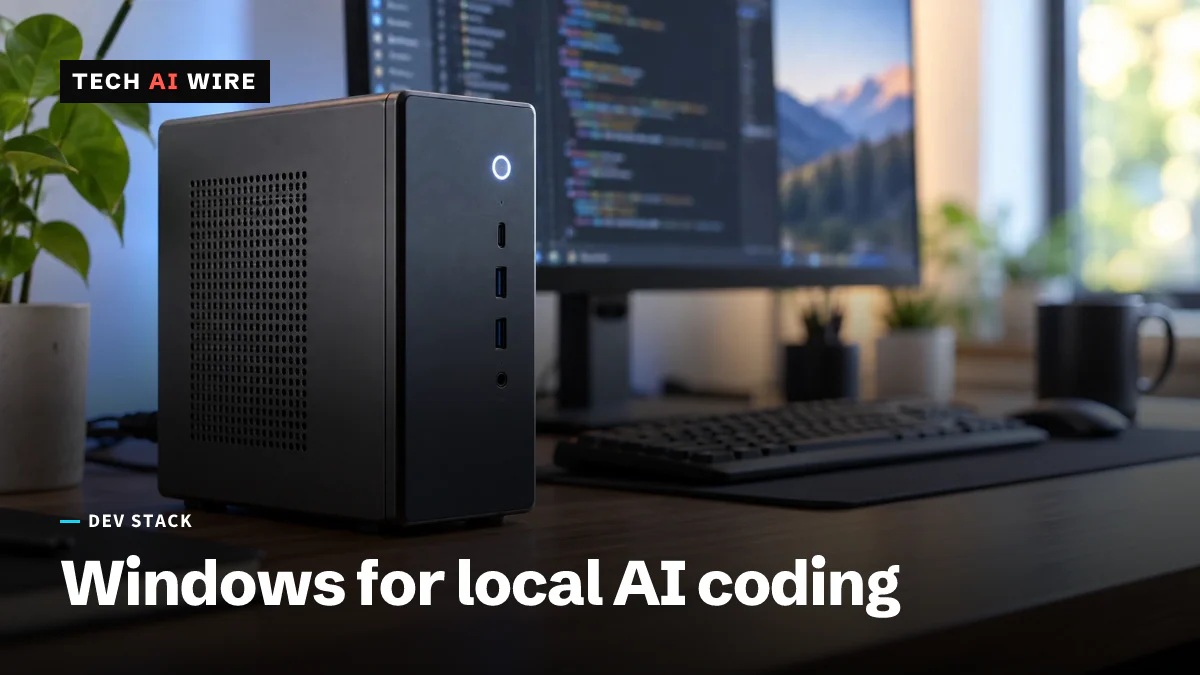
Microsoft's Project Zenith is a Windows mode built for local AI coding
Project Zenith is a developer-focused Windows 11 experience for running 30B-plus parameter models locally, on PCs with 64GB of unified memory.
2 min read
By the numbers
- minimum unified memory Project Zenith requires
- 64GB
- minimum memory bandwidth required
- 250GB/s
- parameter size of models it's built to run locally, unmetered
- 30B+
Microsoft announced Project Zenith on September 4, 2026. It's a Windows 11 experience built specifically for running large AI models locally on developer hardware, instead of sending every prompt to the cloud.
What Project Zenith actually requires
This is not a mode for an ordinary laptop. Project Zenith needs "developer-class" PCs with at least 64 GB of unified memory and 250 GB/s of memory bandwidth, according to Thurrott's reporting on Microsoft's announcement. That bandwidth number matters more than it looks. It's the bottleneck that decides whether a large model runs at a usable speed, not just whether it fits in memory at all.
In return for that hardware, Microsoft says the experience can run models with 30 billion parameters or more, running locally and without a metered cloud bill for every request.
Where it ships first
Project Zenith launches first on PCs built around AMD's Ryzen AI Halo processors, per Thurrott, with other developer-class hardware expected to follow. That's a narrow starting lineup: this is not a feature rolling out to the broad Windows 11 install base on day one.
What comes preinstalled
Microsoft is pinning a developer toolchain directly to the taskbar out of the box. That includes Visual Studio Code, GitHub Copilot, Windows Terminal, PowerShell, Git, Python, and WSL containers, according to Thurrott's report. The pitch is a machine that's ready to code, and ready to run a local model, without a separate setup pass.
What this means for developers
If you already run open-weight models like Llama or Mistral variants locally, this matters to you directly. Project Zenith is Microsoft building official, first-party support for that workflow, instead of leaving it to community tooling like Ollama or LM Studio.
The 64 GB and 250 GB/s bar is worth checking against your own hardware before you get excited. A lot of "developer" laptops sold today don't clear that memory bandwidth number, even with plenty of RAM, so this is really aimed at a specific class of workstation-grade machines.
Watch this as a signal, not just a product. Microsoft building a Windows experience around unmetered local inference is a signal. It expects a real chunk of coding-agent workloads to move off the cloud and onto local hardware, at least for teams that can afford the machines.
Sources
Related articles
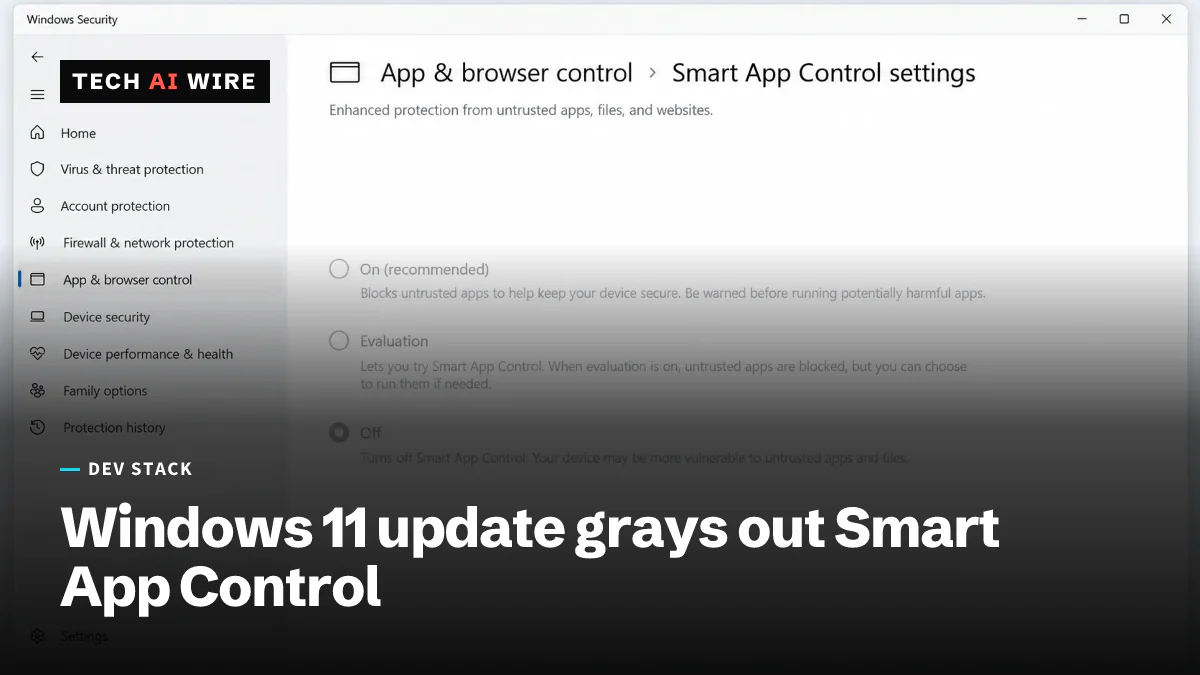
Windows 11 KB5127648 bug grays out Smart App Control
After Windows 11's October update KB5127648, some PCs cannot turn Smart App Control back on. Microsoft lists a registry workaround while it works on a fix.
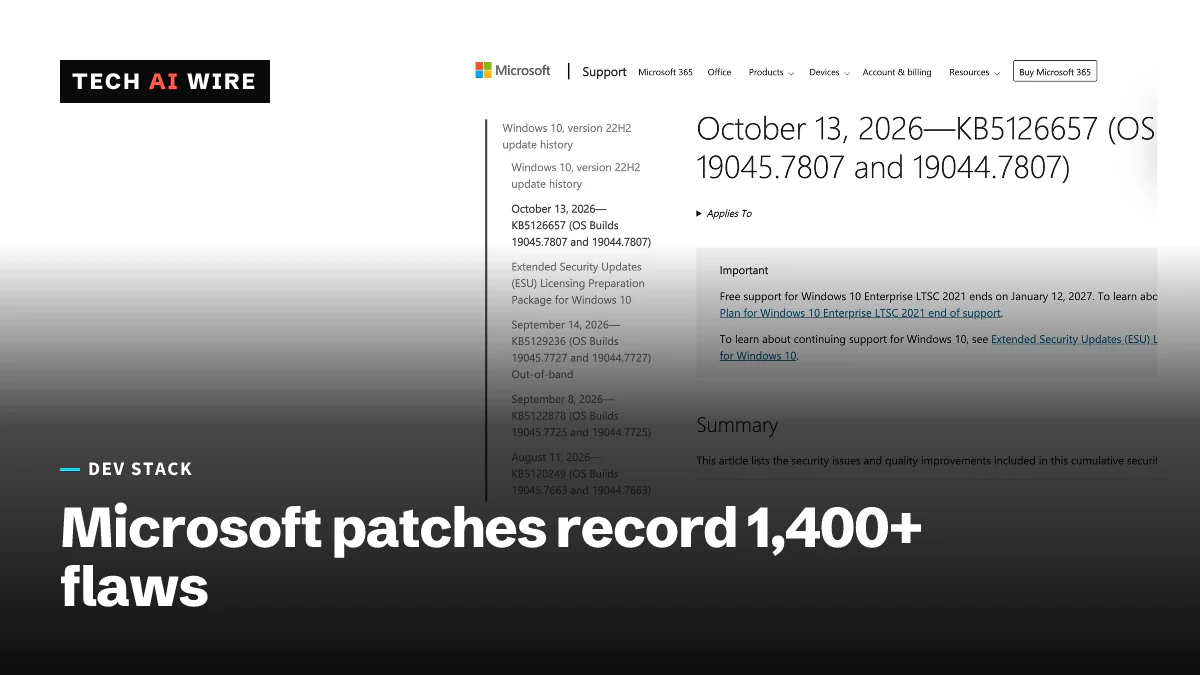
Microsoft's October Patch Tuesday fixes a record 1,400+ flaws
Microsoft's October 2026 updates fix more than 1,400 flaws, a record. One Windows Shell bug is already exploited, and two more were public before the fix.
Surface RTX Spark Dev Box opens for preorder at $5,999
Microsoft opened US preorders for the Surface RTX Spark Dev Box at $5,999 on October 7, 2026, with 128GB of unified memory for local AI models.
The weekly digest
One email every Friday with the week's top stories from all six desks: AI, dev tools, coding, the tech industry, startups and what's next. Free, no spam.