Google launches Pixel 11 line with Tensor G6, starting at $899
Google announced the Pixel 11, 11 Pro, Pro XL, and Pro Fold on August 12 with the Tensor G6 chip, 256GB base storage, and prices from $899. All ship August 20.
3 min read
By the numbers
- Pixel 11 Pro starting price, now with 256GB base storage
- $1,099
- retail and shipping date for the whole phone lineup
- Aug 20
- of OS and security updates, per Google
- 7 years
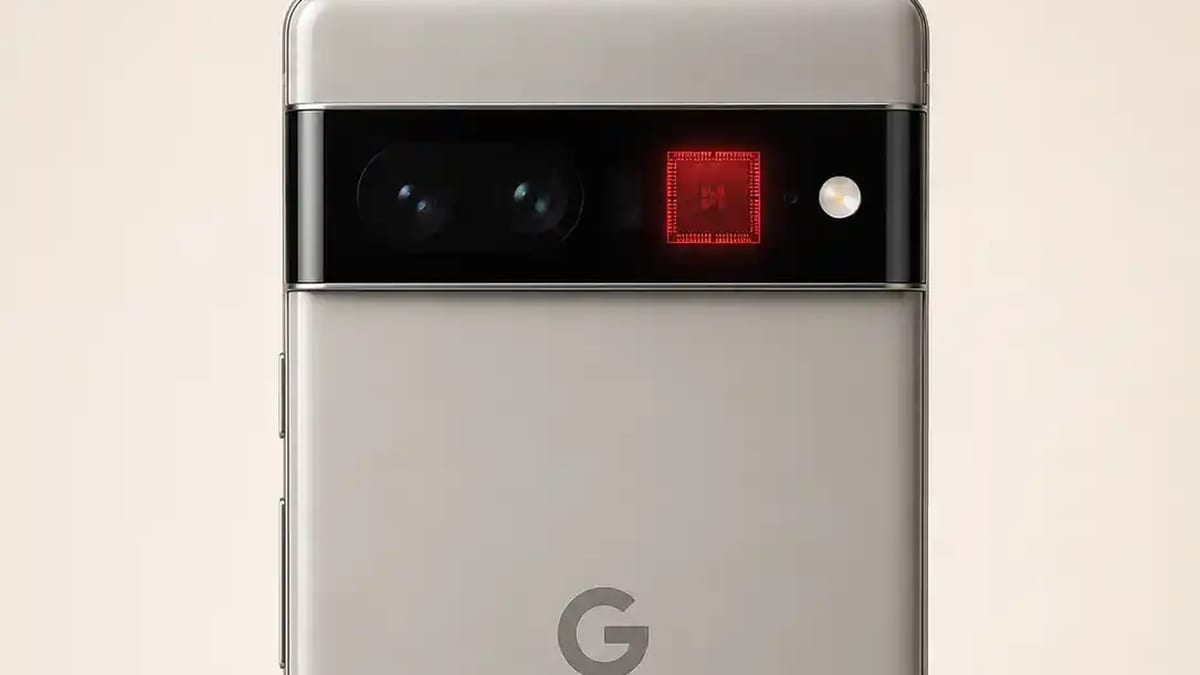
Google announced the Pixel 11 lineup on August 12 - Pixel 11, 11 Pro, 11 Pro XL, and 11 Pro Fold, all built on the new Tensor G6 chip - with pre-orders open the same day and retail availability on August 20, according to Android Police's event coverage. The developer-relevant headline sits inside the spec sheet: every model now starts at 256GB of storage and carries a Tensor that 9to5Google reports delivers 50% more TPU power for on-device Gemini Nano - Google is turning its whole phone line into local-AI hardware.
The lineup and prices
Android Police and Google's announcement agree on the pricing ladder, with storage tiers running from 256GB to 1TB:
| Model | Price | Notes |
|---|---|---|
| Pixel 11 | $899 | 6.3-inch Actua display, 4,985 mAh battery |
| Pixel 11 Pro | $1,099 | 256GB base storage, up from last year's 128GB |
| Pixel 11 Pro XL | $1,299 | fast charging Google rates at 15 hours of battery in 15 minutes |
| Pixel 11 Pro Fold | $1,899 | foldable flagship |
The rest of the event, per Android Police: Pixel Watch 5 at $400, Pixel Buds Pro 2 at $229, and a new Pixel Tag tracker arriving November 11 at $30 each or $100 for a four-pack. 9to5Google notes base RAM is 12GB with a 16GB option - down from the prior generation's baseline at the low end, even as storage doubles.
What Google claims for Tensor G6
Google calls Tensor G6 "our fastest, most powerful chip yet," claiming "25% faster web browsing and 15% quicker app launches" in its announcement. The more consequential number comes from 9to5Google's hands-on: 50% more TPU throughput dedicated to on-device Gemini Nano processing, which is what powers the launch features Google demoed - including having Gemini "order groceries or book rides," an "Instant Night Sight" camera mode, and a screenshot-driven "Magic Capture."
Cameras, display, and battery
Google's announcement says the camera bar is 40% thinner this year, the base model's 48-megapixel sensor gains 56% better light sensitivity, Night Sight captures 4.5x faster, and Pro models add a 120x Pro Zoom. On display brightness the sources disagree: Google's blog post says the Pro models' Super Actua panel peaks at 3,600 nits, while 9to5Google's hands-on lists 3,000 nits for the 6.3-inch Pixel 11 Pro at 1280x2856 - the gap may come down to which model each is measuring, and the two reports leave it unresolved. Google also commits to seven years of OS and security updates across the line.
What this means for developers
The 50% TPU jump is the number to act on. If you've held off shipping on-device AI because Gemini Nano felt too slow for your use case, the Pixel 11 generation is the hardware to re-benchmark on - and with every model from $899 up carrying the same Tensor G6, on-device inference is now the floor of the lineup, not a Pro-only feature. Devices reach buyers August 20, so test hardware is days away, not months.
The seven-year update commitment matters for a different reason: a Pixel 11 sold this month should still be receiving OS updates in 2033, which stretches how long your minimum-SDK decisions and hardware assumptions have to hold. Plan for 12GB of RAM as the realistic baseline on new Googles - not the 16GB ceiling - and if the $1,899 Pro Fold gains any traction, window-size changes and continuity across folding states move up the Android testing checklist for 2027.
Sources
Related articles

Googlebook laptops start at $899 and ship October 4
Google opened preorders for Googlebook laptops from five makers, starting at $899, running an Android-based OS with a Linux environment.
Marvell hands Google a $12.2B stock option to build its custom chips
Marvell gave Google a warrant to buy up to $12.2B in stock, vesting as Google buys custom silicon - a deal worth ~$120B through fiscal 2033 that widens the TPU supply base beyond Broadcom.
Framework Desktop 192GB pre-orders open at $6,799
Framework opened pre-orders on September 30, 2026 for a 192GB Framework Desktop with AMD's Ryzen AI Max+ PRO 495, at $6,799 and shipping in November.
The daily brief
Three to five stories a day, and what each one means for the people who build software. Free, no spam.