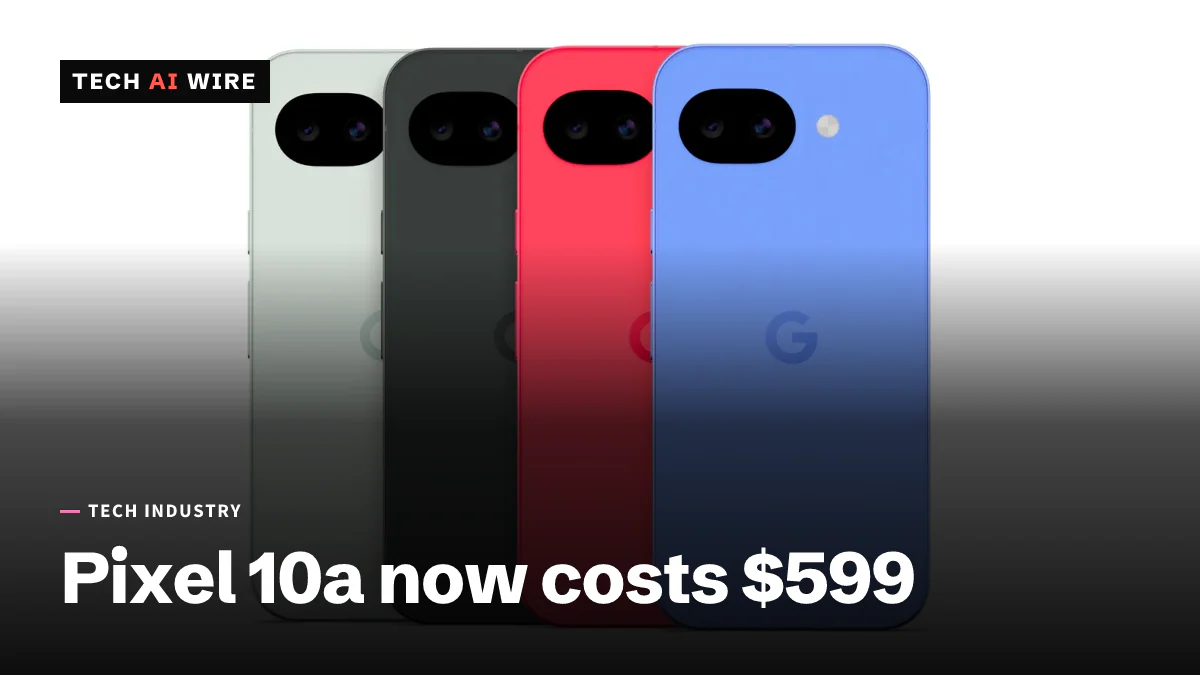
Google raises Pixel 10a price by $100 to $599
Google raised the Pixel 10a's price by $100 on October 2: $599 for 128GB and $699 for 256GB, with no hardware change. Memory costs are the likely cause.
3 min read
By the numbers
- new US price of the 128GB Pixel 10a, up from $499
- $599
- new US price of the 256GB model, up from $599
- $699
- price increase for the same phone, per Android Police
- 20%
Google raised the US price of the Pixel 10a by $100 on October 2, 2026, taking the base 128GB model from $499 to $599. The phone itself did not change. It is the latest sign that rising memory chip prices are reaching phones already on store shelves, not only new launches. Google has not commented, according to 9to5Google.
The new prices
Both storage options went up by the same amount. 9to5Google reports that the change took effect immediately at the Google Store, Amazon and Best Buy.
| Pixel 10a | Old US price | New US price |
|---|---|---|
| 128GB | $499 | $599 |
| 256GB | $599 | $699 |
Prices rose outside the US too. 9to5Google lists the Pixel 10a at $849 in Canada, £599 in the UK and €649 in Europe. Stuff reports that the UK increase is £100 per model, matching the US.
Android Police put the change in simple terms. "You are essentially paying 20% more for the same phone," the outlet wrote.
Why the price went up
Google gave no reason. The outlets that covered the change all point to memory. 9to5Google cites "skyrocketing costs of components such as memory." Android Police names shortages of DRAM, the working memory in a phone, and NAND, the flash chips that store its files.
Phandroid connects the shortage to artificial intelligence. Memory chips are "being purchased in huge amounts for AI data centers," it wrote, which leaves less supply for phone makers. Stuff adds that the 128GB or 256GB of storage and the 8GB of RAM in the Pixel 10a will all cost Google more to buy.
The memory makers expect this to last. Micron said this week that memory supply will be tighter in 2027 and 2028 than it is in 2026.
Google is not alone
The same week, Samsung raised US Galaxy S26 prices by $100, and by $200 for the 1TB S26 Ultra. Stuff notes that "loads of other phones are going up simultaneously, including older devices from Apple and the current flagships from Samsung."
9to5Google also links the move to price increases across Google's own Pixel 11 lineup. Tech AI Wire covered the Pixel 11 launch at $899 in August.
Why this one stings
The A-series is Google's budget line, and the price was its main appeal. Phandroid points out that the Pixel 4a launched at $349. At $599, the 10a now costs more than that phone did by $250.
The hardware has not caught up with the price. The Pixel 10a runs the Tensor G4 chip, which 9to5Google notes is two generations behind Google's newest. Stuff adds that its 8GB of RAM is not enough to run the most powerful Gemini Intelligence features.
What the phone still has is long support. Stuff cites Google's guarantee of seven years of software updates. Phandroid suggests the Pixel 9a may now be the better buy if it is still sold for less, since the two phones differ only slightly.
What this means for developers
For teams that buy test phones, budget $100 more per Pixel 10a than you did last month. It was an easy pick for a cheap, current Pixel in a device lab. If you need several, compare against the Pixel 9a first, as Phandroid suggests.
For app makers, watch the low end of your user base. A pricier budget phone may keep people on older devices longer. Check your analytics before you raise your minimum supported Android version or device.
On-device AI has a new constraint to plan around. If a budget Pixel with 8GB of RAM cannot run Google's top Gemini features, many of your users cannot either. Design AI features with a fallback that runs on the server or uses a smaller model.
Watch for more mid-life price increases. Samsung and Google both raised prices on phones already on sale, and Micron expects supply to stay tight into 2028. A device you plan to buy next quarter may cost more by then.
Sources
Related articles
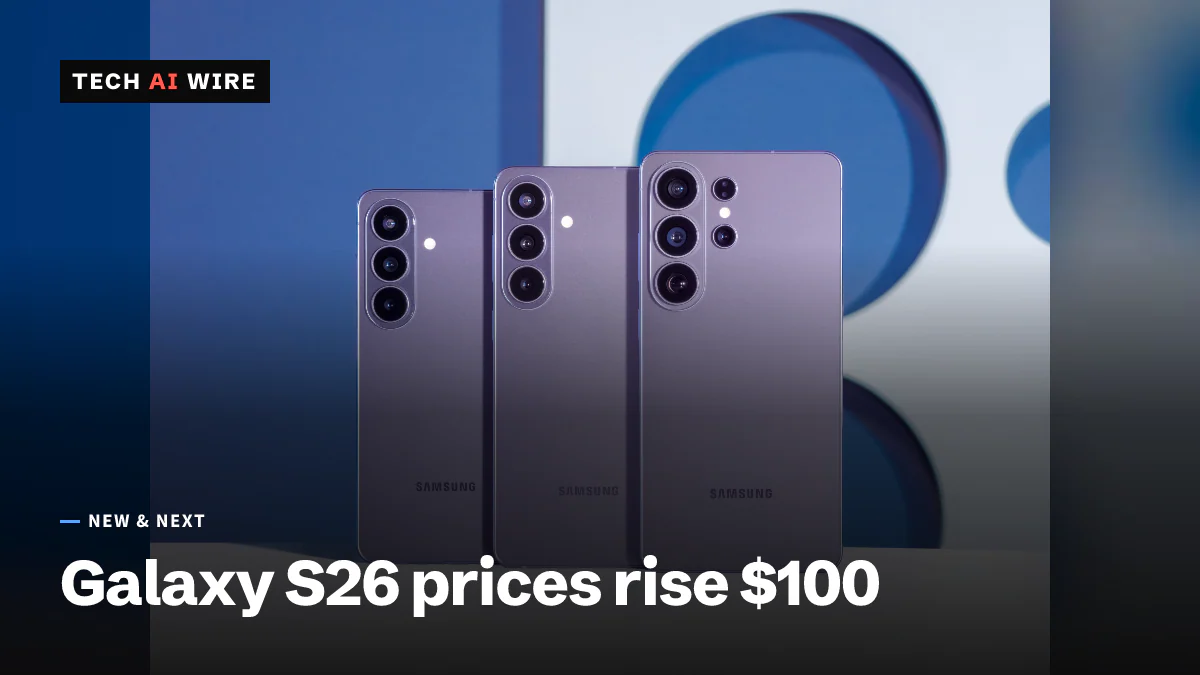
Galaxy S26 prices rise $100 in the US, Ultra now $1,399
Samsung quietly raised US Galaxy S26 prices by $100 on October 1, and the 1TB S26 Ultra by $200. Reports tie the change to the memory chip shortage.
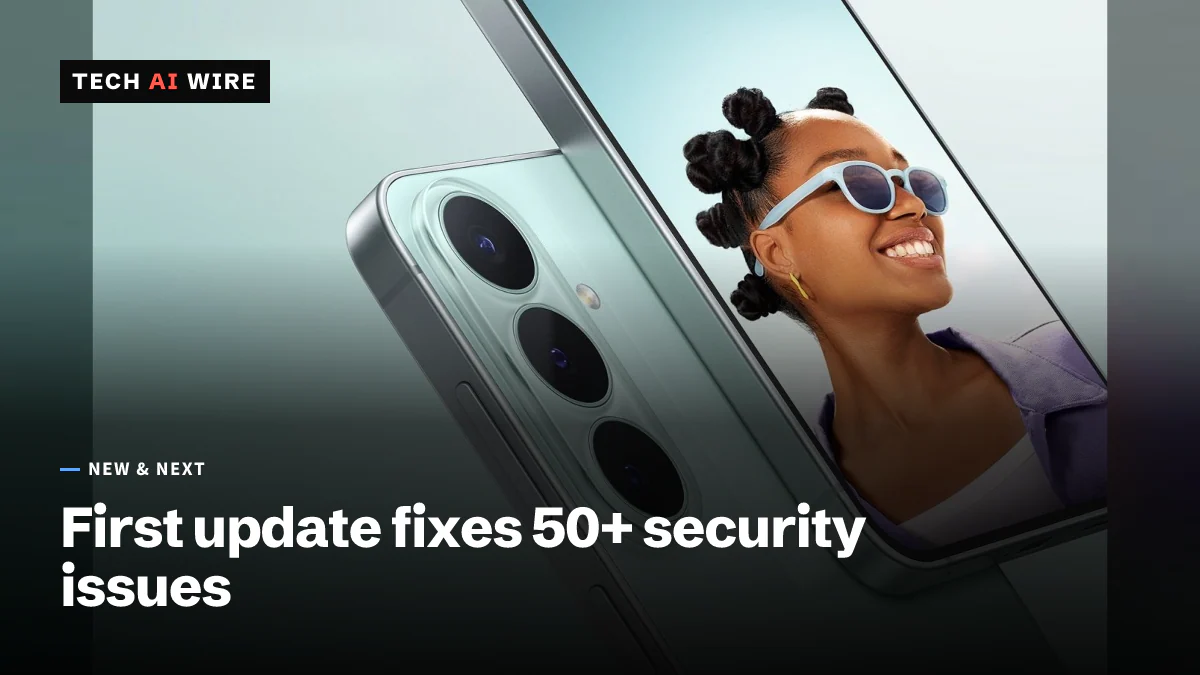
Galaxy S26 FE's first update fixes 50+ security issues
A roughly 400MB update patches more than 50 security issues, while GSMArena's 4.2/5 review flags a USB 2.0 downgrade and no wired DeX.
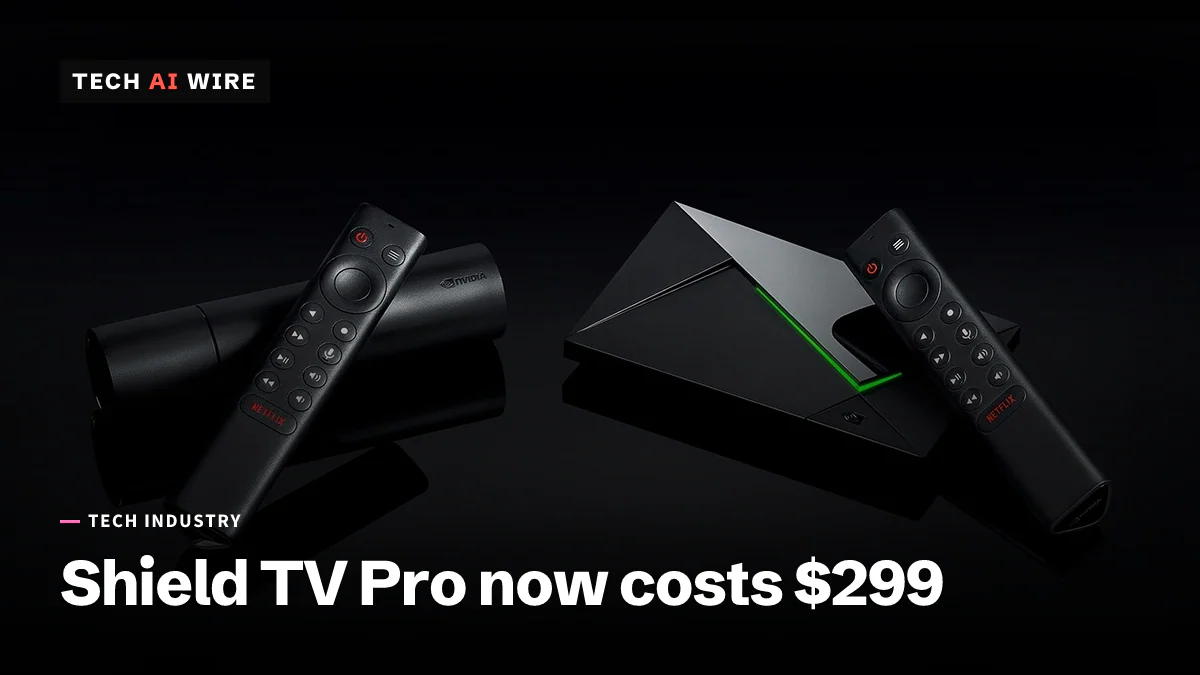
Nvidia Shield TV Pro rises $100 to $299 on memory costs
Nvidia raised the Shield TV Pro by $100 to $299.99 on October 2, citing memory costs, and discontinued the cheaper Shield TV. The hardware dates from 2019.
The daily brief
Three to five stories a day, and what each one means for the people who build software. Free, no spam.