Apple splits the iPhone 18 launch: Pro this fall, the rest in 2027
Apple will reportedly split the iPhone 18 launch for the first time since iPhone 11: Pro and foldable models arrive this September, the standard 18 waits for 2027.
3 min read
By the numbers
- new iPhone models expected by the end of Q1 2027, per MacRumors
- 6
- most likely event date, per Bloomberg's Mark Gurman
- Sept 9
- analyst-predicted price increase over iPhone 17 Pro (rumor)
- $300
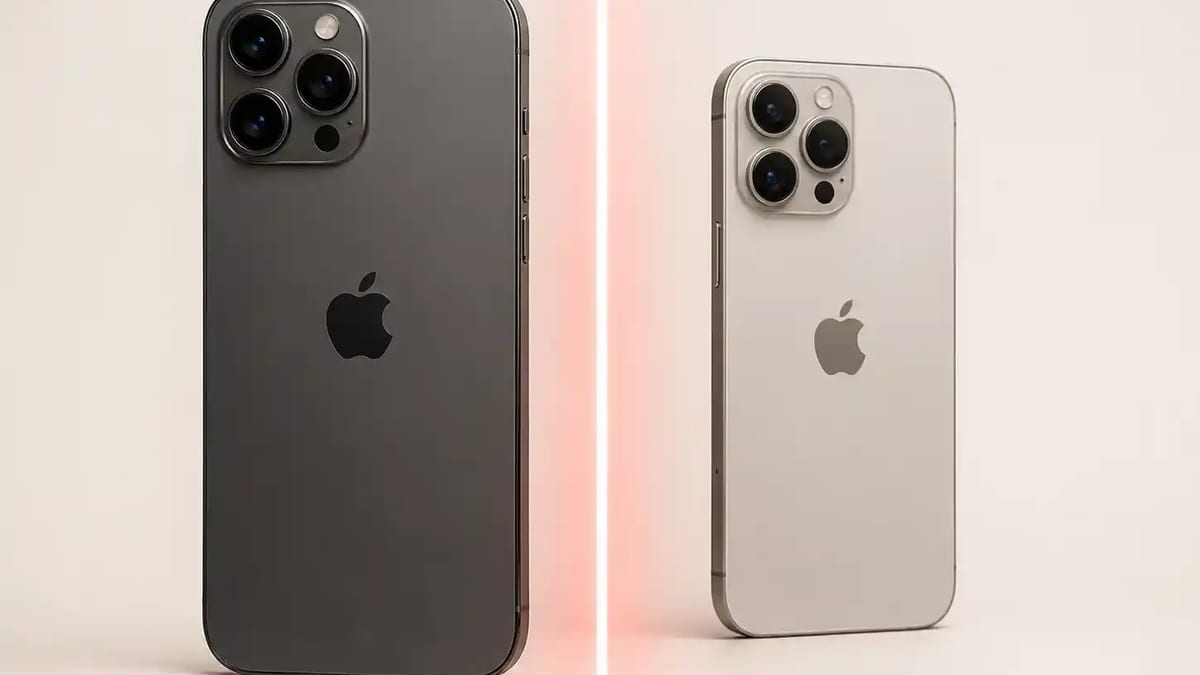
Apple is reportedly breaking its iPhone launch in two for the first time since the iPhone 11 era: MacRumors reports that the iPhone 18 Pro and the foldable model arrive this September, while the standard iPhone 18, the 18e, and a second-generation Air slip to March 2027. For developers, that turns the familiar one-week September scramble into a staggered, six-month hardware rollout - with six new iPhone models expected by the end of Q1 2027.
The September schedule, date by date
None of this is officially announced, but the reporting converges on a tight timeline. Forbes, citing Bloomberg's Mark Gurman, lays out the expected September dates, and MacRumors reaches the same primary date from Apple's historical patterns:
| Milestone | Expected date |
|---|---|
| iPhone 18 Pro event | Wednesday, September 9 |
| Pre-orders open | Saturday, September 12 |
| iOS 27 ships | Monday, September 14 |
| Reviews embargo lifts | Wednesday, September 16 |
| Phones on sale | Friday, September 18 |
Two scheduling quirks explain the unusual dates. "Labor Day falls on Monday, Sept. 7. Apple doesn't typically hold events directly after a weekend because it wants to give attendees a travel day," Gurman writes. And pre-orders shift from Apple's usual Friday to a Saturday because, in Gurman's words, "given that that Friday falls on the 25th anniversary of the Sept. 11 terrorist attacks, I find it unlikely that Apple would pick that date." MacRumors notes 2015 played out the same way - the last year Labor Day fell on September 7, the event landed on September 9 and pre-orders on Saturday the 12th. MacRumors also flags September 15 as the fallback event date, which would push the on-sale day to September 25.
Why the lineup is splitting
The strongest evidence is supply-chain, not leaks: MacRumors reports that Apple supplier Pegatron told investors on its Q2 2026 earnings call that "one of its customers will be changing its usual smartphone shipment schedule" - an indirect but unusually public confirmation. Analyst Ming-Chi Kuo and reporter Wayne Ma had already described the same timeline, per MacRumors: premium models in fall 2026, the cheaper standard iPhone 18 and 18e in spring 2027. AppleInsider's reporting says "early 2027" where MacRumors says March specifically - the sources agree on the split, not yet on the month.
What's expected in the fall models
Everything below is rumor-grade and attributed accordingly. AppleInsider reports the iPhone 18 Pro and Pro Max carry the A20 Pro chip and Apple's C2 modem, with a rumored Dark Cherry color, and that analysts predict prices up to $300 higher than the iPhone 17 Pro. The foldable - called iPhone Fold in some reports and iPhone Ultra in others, a naming split the sources themselves haven't resolved - is described by AppleInsider with a 5.3-inch external display, a 7.8-inch inner folding display, dual 48-megapixel rear cameras, the same A20 Pro chip, and an estimated $2,000 to $2,900 price; it may be announced in September even if sales begin in 2027. One more piece of context from AppleInsider, and this one is confirmed: John Ternus becomes Apple's CEO on September 1, making this the first iPhone launch of the post-Tim Cook era.
What this means for developers
The practical deadline is iOS 27's expected September 14 release: if the timeline holds, App Store submissions built against the final SDK need to be ready in the roughly five-day window between the event and the OS shipping. Forbes reports iOS 27 supports devices back to 2019's iPhone 11, so your minimum-hardware floor barely moves even as the top end splits.
The split itself changes test planning more than any single spec. Teams used to buying one wave of September devices should budget for two - premium hardware this fall, the volume-selling standard models in spring - which means the devices most of your users actually buy won't exist until March. And if the foldable ships with the reported 5.3-inch outer and 7.8-inch inner displays, this is the year adaptive layouts stop being an Android-only concern in iOS roadmaps: auditing how your app handles window resizing and size-class changes now is cheaper than retrofitting it against a shipping device later.
Sources
Related articles

iPhone 18 Pro and iPhone Duo, Apple's first foldable
Apple announced the iPhone 18 Pro at $1,199 and its first foldable, the iPhone Duo, arriving in October. Variable aperture landed on both Pro sizes, not just the Max.
iPhone 18 Pro Max may get a camera the smaller Pro can't fit
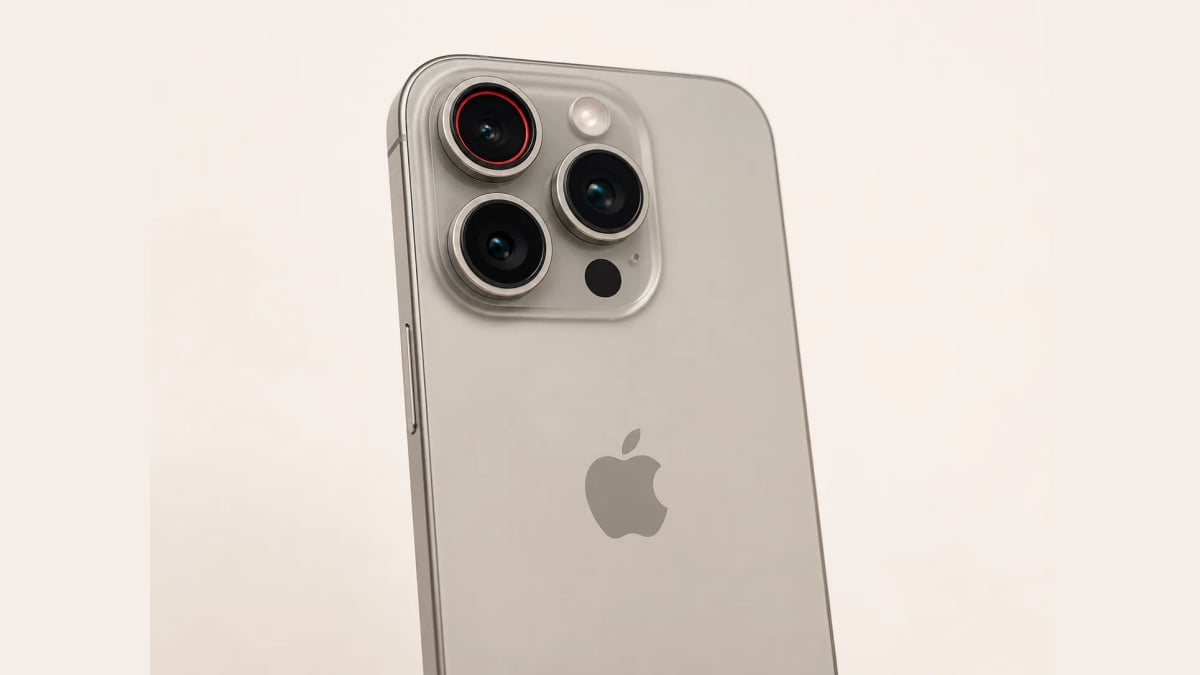
A leaker says the iPhone 18 Pro Max alone gets a variable-aperture main camera, because the mechanism needs more room than the smaller Pro's chassis has.
iOS 27 ships with Xcode 27 and no dropped iPhones
Apple shipped six platform updates on September 14, 2026, claiming app launches up to 30% faster, and iPhone 11 still makes the cut.
The daily brief
Three to five stories a day, and what each one means for the people who build software. Free, no spam.