The OLED Xbox Ally X20 lands at $1,299 as handhelds get pricier
Pre-orders opened for the first OLED ROG Xbox Ally at $1,299, a $300 rise over the Ally X - and it is now the cheapest of the premium Windows handhelds.
3 min read
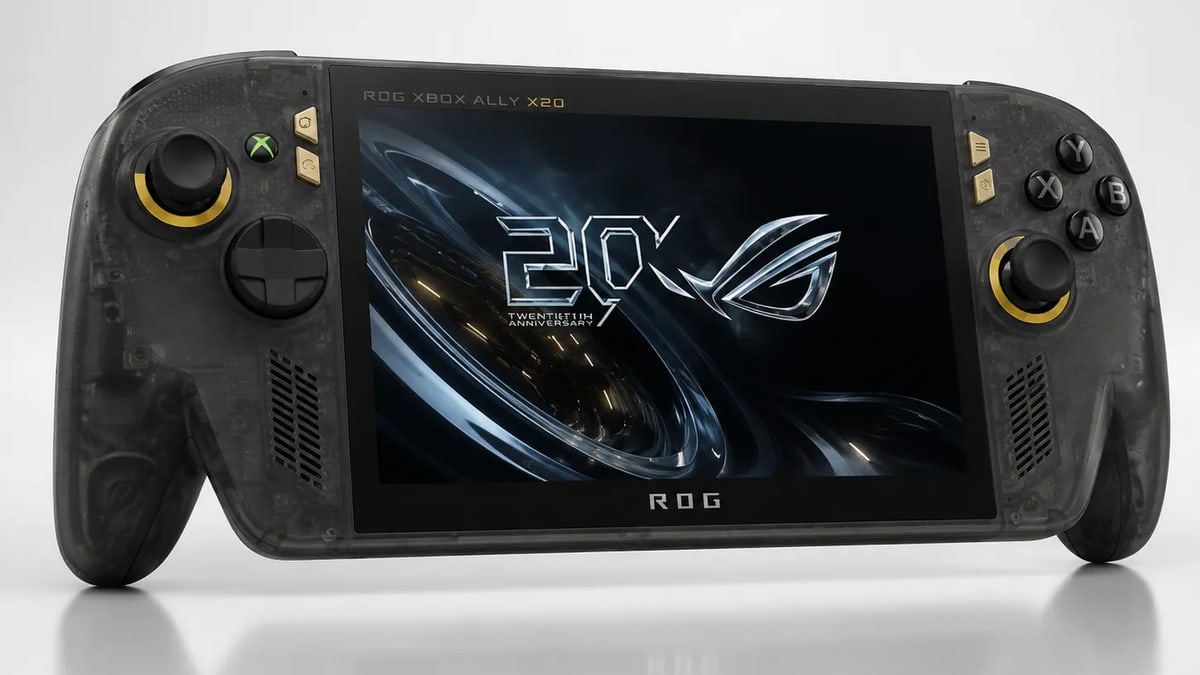
- ROG Xbox Ally X20
- 1299
- MSI Claw 8 EX AI+
- 1800
- Lenovo Legion Go 2
- 2000
Pre-orders for the ROG Xbox Ally X20 opened on 25 August 2026 at $1,299 for the standalone handheld, with the device shipping on 15 October. Shacknews reports it is the first Ally handheld with an OLED screen, and Gizmodo puts the price $300 above the outgoing Ally X, attributing the increase to that display. The number worth sitting with is not the rise but the company it keeps: at $1,299 this is now the cheapest of the premium Windows handhelds.
What you get for the extra $300
| Ally X (previous) | Ally X20 | |
|---|---|---|
| Display | 7-inch LCD (Gizmodo) | 7.4-inch OLED, 1080p, 120Hz (Gizmodo, ASUS) |
| Brightness | not stated | 1,400 nits HDR / 600 nits SDR (ASUS) |
| Battery | not stated | 80Wh (ASUS) |
| Standalone price | $300 less (Gizmodo) | $1,299 (Shacknews, ComicBook) |
ASUS's own page adds the finish - a translucent black chassis with gold accents marking ROG's 20th anniversary - plus dual USB-C with one port on USB4 and Thunderbolt 4, a MicroSD Express reader, and Windows 11 running the controller-optimised Xbox mode.
The design changes are small and specific. Gizmodo lists textured grips, refined thermal management, adjusted side and face buttons, and a D-pad that swaps between standard directional and dish-shaped options.
The prices, and where they disagree
The bundle is $2,499 and adds ROG XREAL R1 Edition 20 AR glasses, a dbrand Killswitch case, a Pelican Protector case and a 68W charger, per ComicBook. Gizmodo prices those glasses at $850 sold separately, and rounds the two headline figures to $1,300 and $2,500 - a dollar apart from Shacknews and ComicBook, which both say $1,299 and $2,499. ComicBook adds that the X20 costs $700 more than the baseline ROG Xbox Ally, without naming which configuration that baseline is.
One genuine conflict is worth flagging rather than smoothing over. Gizmodo says the processor is the AMD Ryzen Z2 Extreme, the same chip as the previous generation. ASUS's own product page calls it the AMD Ryzen AI Z2 Extreme. Those are not obviously the same part, and no source we could read resolves it.
Two specs no source states at all: RAM and storage. For a $1,299 computer, that is a strange gap in the launch-day coverage, and it is the first thing to check on the order page before committing.
What this means for developers
If you ship anything that runs on a handheld, the platform assumptions just moved. A 7.4-inch 1080p 120Hz OLED at 1,400 nits is a different target from a 7-inch LCD: HDR content is now worth testing rather than ignoring, and text that was legible on a dim LCD needs rechecking at high brightness where thin fonts and low-contrast greys fall apart. Frame pacing matters more too - 120Hz makes stutter visible that 60Hz hid.
The pricing trend is the strategic read. When the entry point for a premium Windows handheld is $1,299, and the alternatives in the chart above run to $2,000, this category is consolidating around buyers who spend console money on a portable PC. If your product's addressable market includes handhelds, it is now a smaller, wealthier group than the Steam Deck era suggested - worth knowing before you fund a controller-first UI.
The unresolved chip naming is a reminder about minimum requirements. Do not write "Ryzen Z2 Extreme" into your specs from a news article; the sources disagree on whether this is the same silicon as last year, and that difference decides whether your existing performance profile carries over. Wait for the retail listing, then test on the actual device - which, at these prices, is an expense worth planning for rather than assuming.
Sources
Related articles
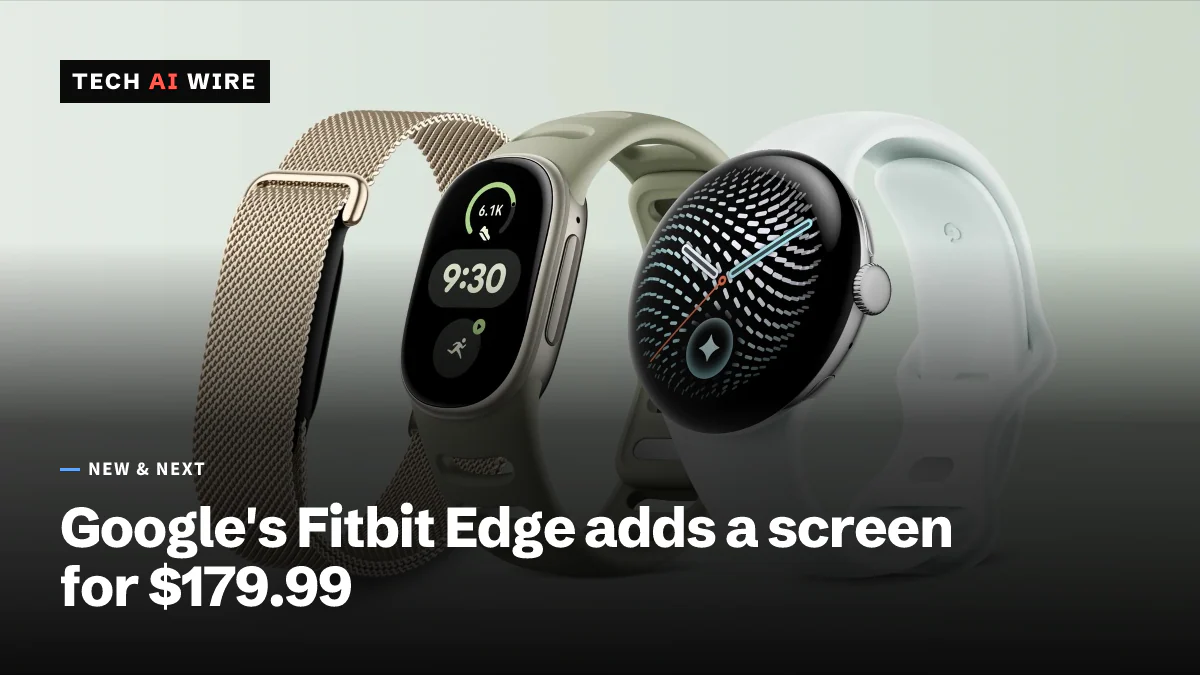
Fitbit Edge: Google's $179.99 tracker adds an OLED screen
Google's Fitbit Edge costs $179.99 and reaches stores October 27. It adds an OLED screen to a slim band, with built-in GPS, an ECG app and a week of battery.
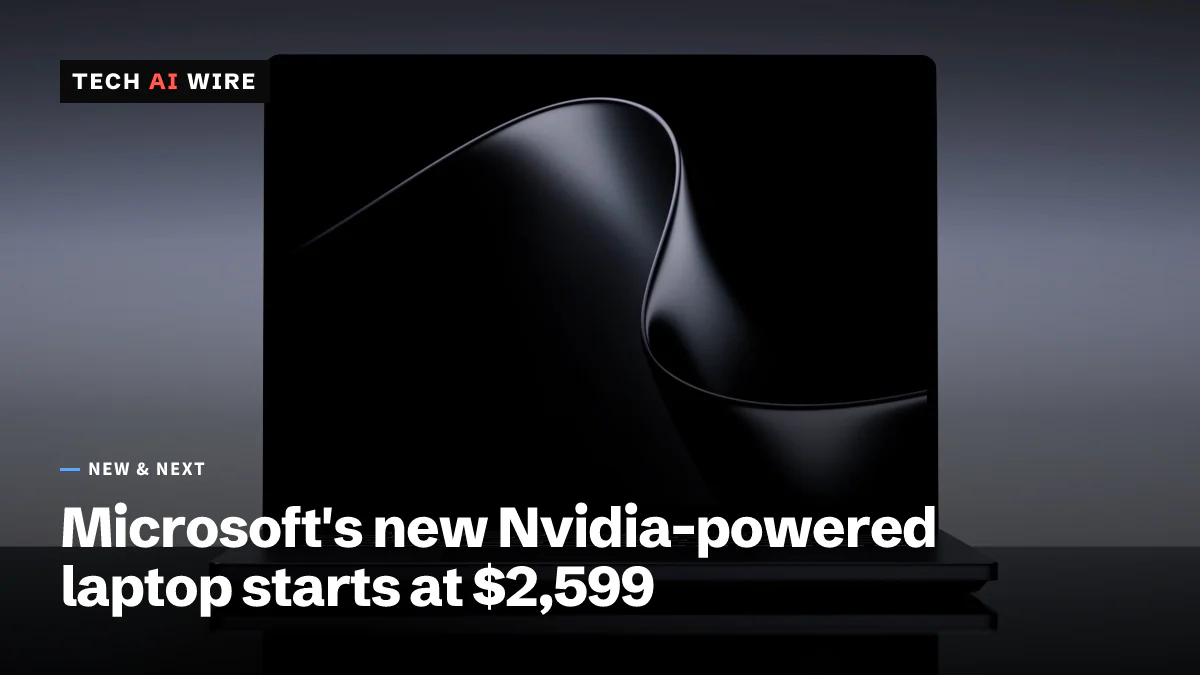
Surface Laptop Ultra with RTX Spark starts at $2,599
Microsoft's Surface Laptop Ultra pairs Nvidia's RTX Spark chip with up to 128 GB of shared memory. It costs from $2,599.99, with preorders open and shipping October 16.
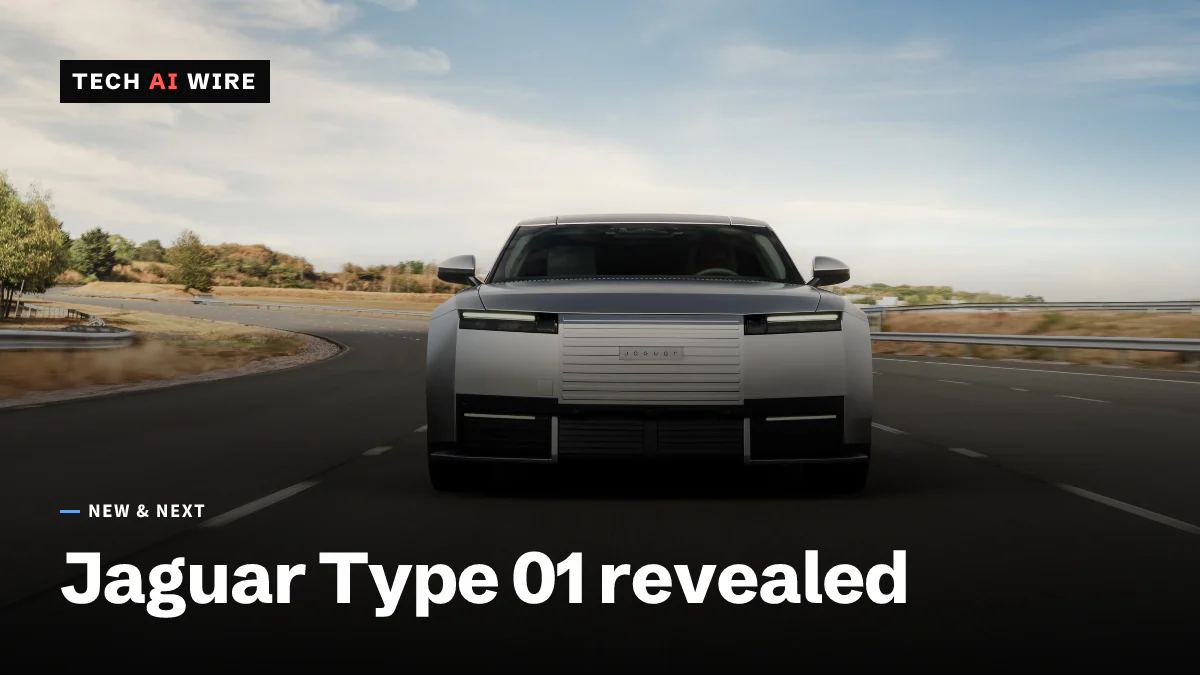
Jaguar Type 01 EV arrives with 350 kW charging
Jaguar's Type 01 is a three-motor electric GT with a 118 kWh battery, an 850-volt system and 350 kW charging. It starts at $130,500 in the US.
The weekly digest
One email every Friday with the week's top stories from all six desks: AI, dev tools, coding, the tech industry, startups and what's next. Free, no spam.