India smartphone prices up 21%, the steepest anywhere
Counterpoint puts India's 2026 smartphone price rise at 21%, against a 15% world average, and budget phone shipments fell 45%.
3 min read
By the numbers
- rise in Indian smartphone prices in 2026
- 21%
- fall in sub-Rs 15,000 shipments in Q2 2026
- 45%
- brands that have raised prices
- 13
- India
- 21%
- World average
- 15%
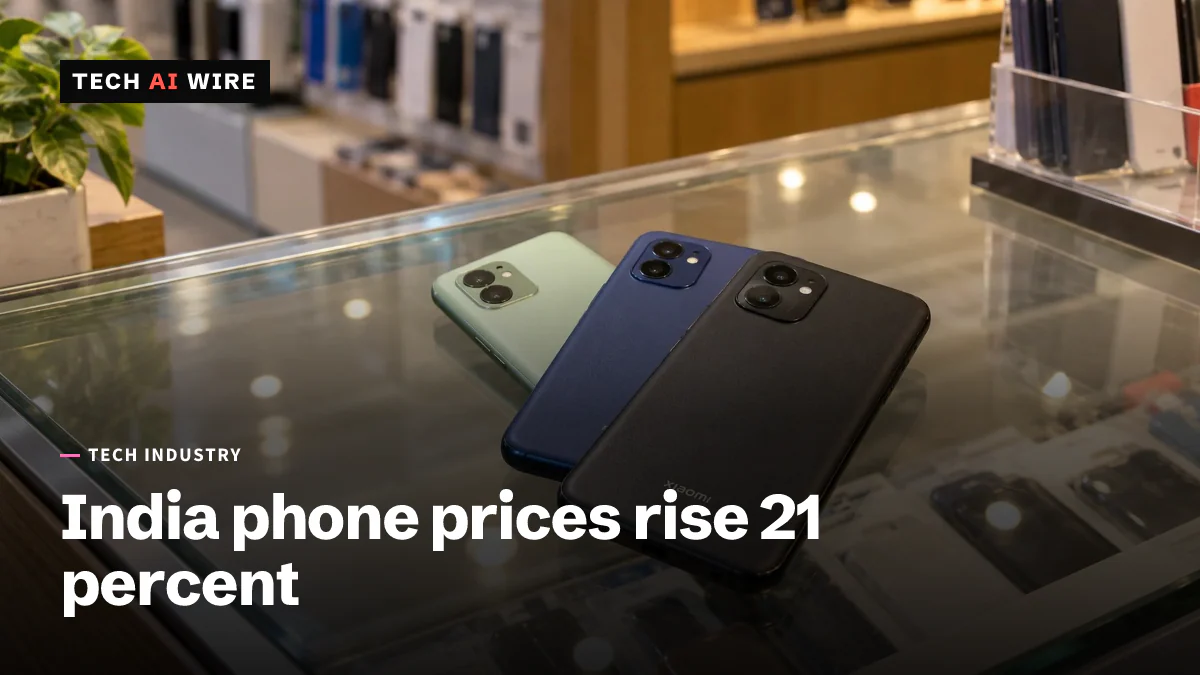
Smartphone prices in India have risen 21% during 2026, the steepest increase of any market, according to Counterpoint Research figures reported by LatestLY on September 9, 2026. The world average is 15%. The cause is the memory shortage, and the effect on developers is specific: the cheapest Android phones in the largest Android market are disappearing.
India matters to anyone shipping an Android app. It is a huge market built largely on inexpensive handsets, so what happens to entry-level pricing there changes the devices real users hold.
What actually got more expensive
At least 13 brands have raised prices, Beebom reports, among them Oppo, Realme, Vivo, iQOO, Nothing, Xiaomi, Redmi, Poco, Motorola and Lava. Increases run from Rs 500 to Rs 8,000 per device.
The rises came in waves rather than all at once. GizmoChina recorded a batch effective May 1, 2026.
| Phone | Increase |
|---|---|
| Nothing Phone (4a) Pro | Rs 5,000 |
| Nothing Phone (4a) | Rs 3,000 |
| OnePlus 15 | Rs 5,000 |
| OnePlus 15R | Rs 2,500 |
| Xiaomi Redmi Note 15 Pro | Rs 2,000, to Rs 31,999 |
A second wave followed in late August and early September, with changes effective August 18 and 19 and again on September 1 to 3.
Why memory is the reason
The component behind it is the same one raising server and PC costs. Memory makers have moved capacity toward high-bandwidth memory for AI data centers, leaving less for phones.
The two reports differ on how to state the size of that move. Beebom describes global memory prices spiking 300% in three months, while LatestLY reports memory chip costs up more than 300% year over year. Both point the same direction, but the periods are not the same.
Nothing's chief executive Carl Pei gave a forward number. He said "memory module costs will go up by 5x by the end of 2026."
Xiaomi India's chief business officer Sandeep Singh Arora expects no relief this year. "The chip and memory shortage will persist into the second half of 2026, particularly affecting the festive season with further price increases," he said.
IDC and Omdia both project component prices staying high into 2027 and 2028.
The budget segment is the casualty
The most important number in these reports is not the 21%. It is what happened underneath it.
Counterpoint recorded a 45% fall in shipments of phones under Rs 15,000 in the second quarter of 2026. That is the segment where a Rs 2,000 increase decides whether someone buys at all.
The market is expected to shrink 13% to 16% in 2026 as a result. Refurbished phone sales are forecast to grow 16% over the same period, which tells you where those buyers went.
What this means for developers
Expect your Indian install base to get older, not newer. When new budget phones stop selling and refurbished ones grow 16%, the practical result is that the devices in circulation stay in service longer. Check your analytics for the actual spread of Android versions and RAM sizes before you raise a minimum SDK level or drop a device tier.
Test on the low end again. A 45% collapse in sub-Rs 15,000 shipments means the phones already out there are the ones you must run on. If your test matrix quietly drifted toward current flagships, it is now measuring a market that is shrinking rather than the one you serve.
Memory footprint is the thing to optimize. Manufacturers responding to these costs have two options: raise prices or cut specifications, and cutting RAM is the usual choice. An app that needs a lot of memory will be the one the system kills first on a 4GB device.
Budget your own test hardware differently. Device labs are bought at retail, so the same increases hit your procurement. Buying the cheap handsets now is cheaper than buying them next year. Both the iQOO Z11 at Rs 34,999 and the vivo T5 with its 7,050mAh battery launched before this latest wave landed.
Watch the festive quarter for the real signal. Arora named it specifically, and India's biggest buying season is the honest test of whether these prices hold or whether brands absorb them to move units.
Sources
Related articles
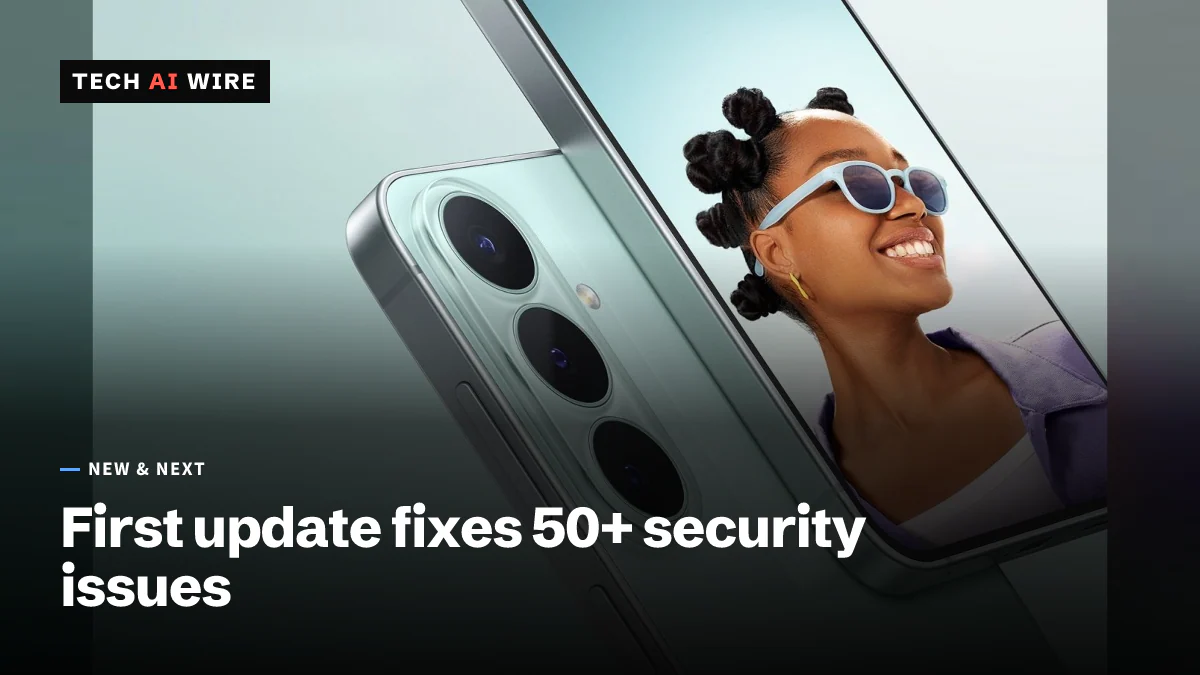
Galaxy S26 FE's first update fixes 50+ security issues
A roughly 400MB update patches more than 50 security issues, while GSMArena's 4.2/5 review flags a USB 2.0 downgrade and no wired DeX.

vivo T5 arrives September 2 with a 7,050mAh battery and 144Hz screen
vivo has confirmed the T5 5G reaches India on September 2, 2026 at noon. Teasers name a Dimensity 7500 Turbo chip, a 7,050mAh battery and a body under 8mm.

iQOO Z11 launches in India at ₹34,999 with a different chip
The iQOO Z11 went on sale in India on August 25, 2026 from ₹34,999. Its India model runs a MediaTek chip, not the Qualcomm one listed for other markets.
The daily brief
Three to five stories a day, and what each one means for the people who build software. Free, no spam.