
Dev Stack
Mold 3.0 ships its Rust rewrite as a drop-in linker
Mold 3.0 is the first release written in Rust. It needs Rust 1.95, drops Intel's oneTBB and links as fast as 2.42.1, the last C++ version.
Compiler and toolchain news: Rust, Go and Mojo releases, LLVM and Clang proposals, linkers, build tools like Automake, type-aware linters, and supply-chain attacks in binary tools. Each story explains the change in code terms, gives the speed or build-time figures, and says what breaks.
Mold 3.0 is the first release written in Rust. It needs Rust 1.95, drops Intel's oneTBB and links as fast as 2.42.1, the last C++ version.
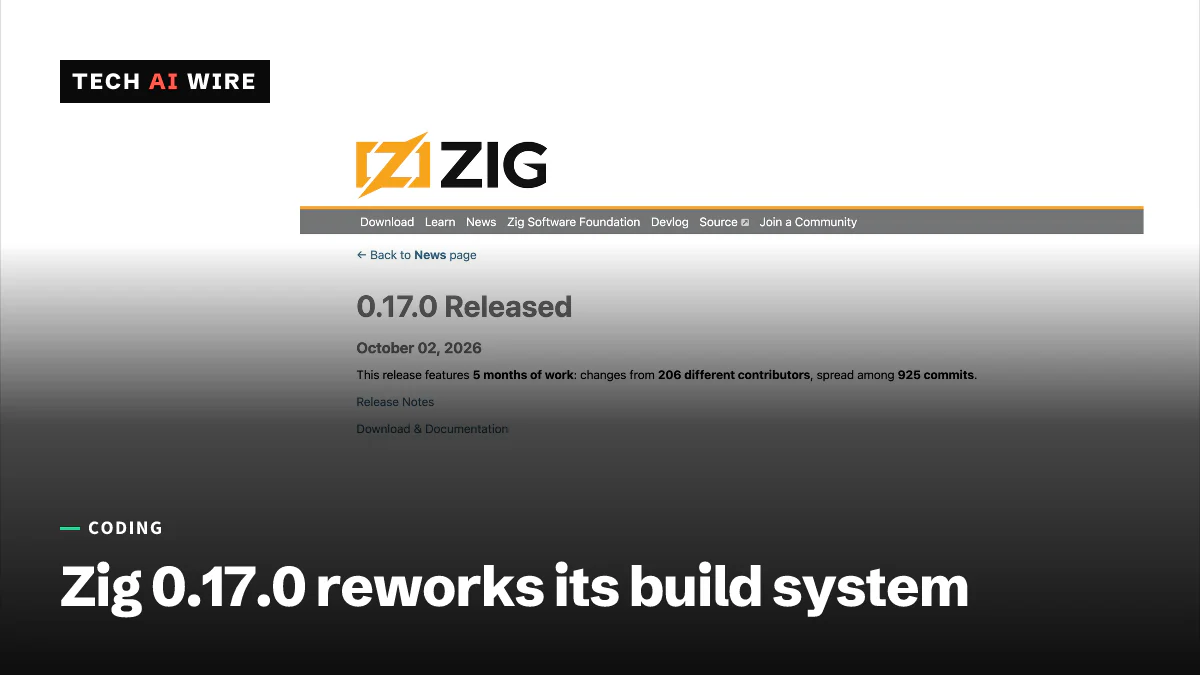
Zig 0.17.0 landed on October 2 with 925 commits from 206 contributors: a reworked build system, incremental builds on x86_64 Linux, and LLVM 22.1.8.
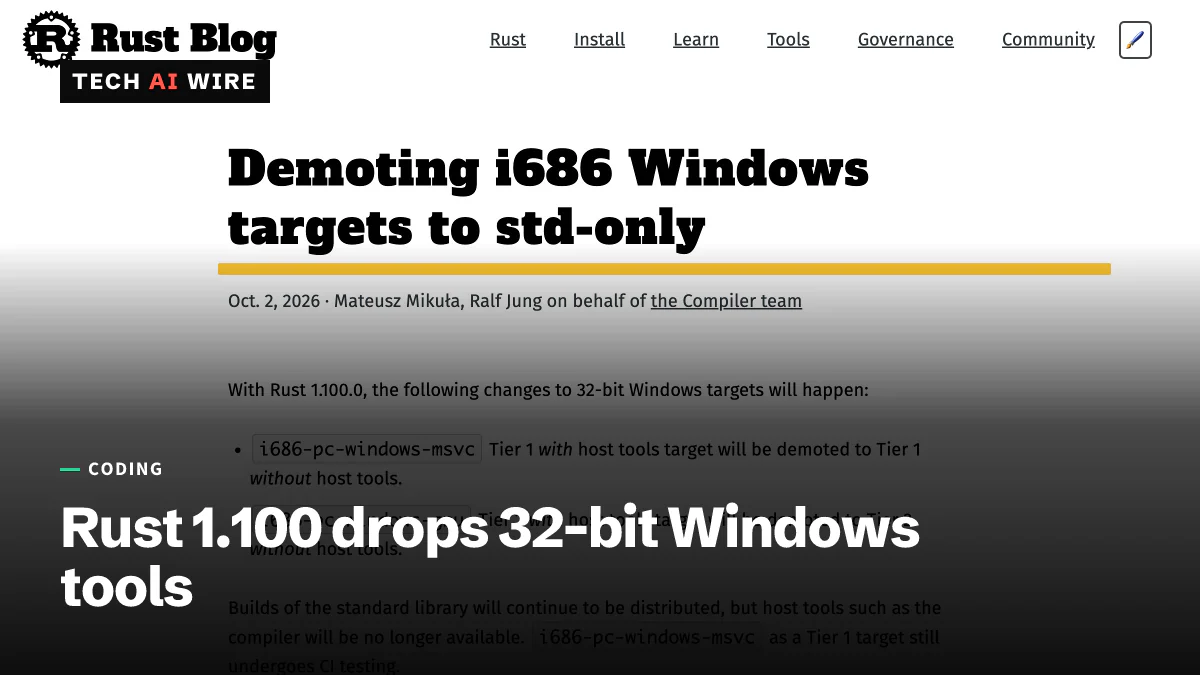
Rust 1.100 stops shipping the compiler for 32-bit Windows. The i686 targets keep the standard library, so cross-compiling from 64-bit Windows still works.
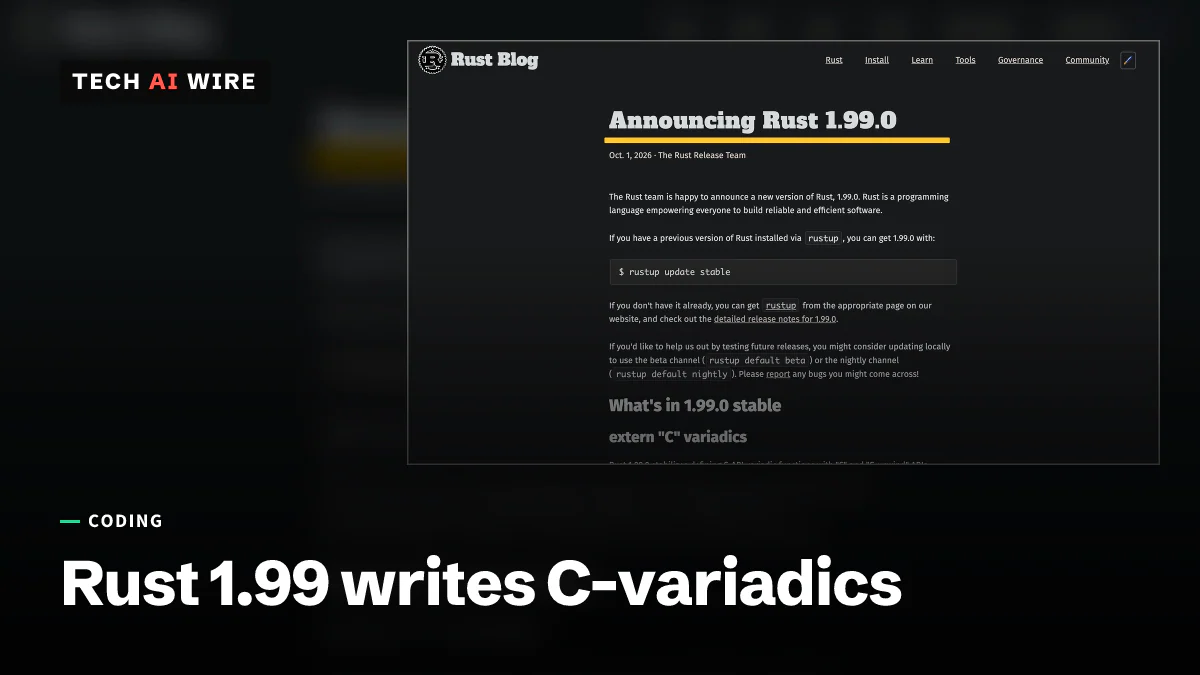
Rust 1.99.0, out October 1, 2026, lets stable Rust define C-variadic functions like printf, moves to LLVM 23 and makes no_mangle on generics an error.
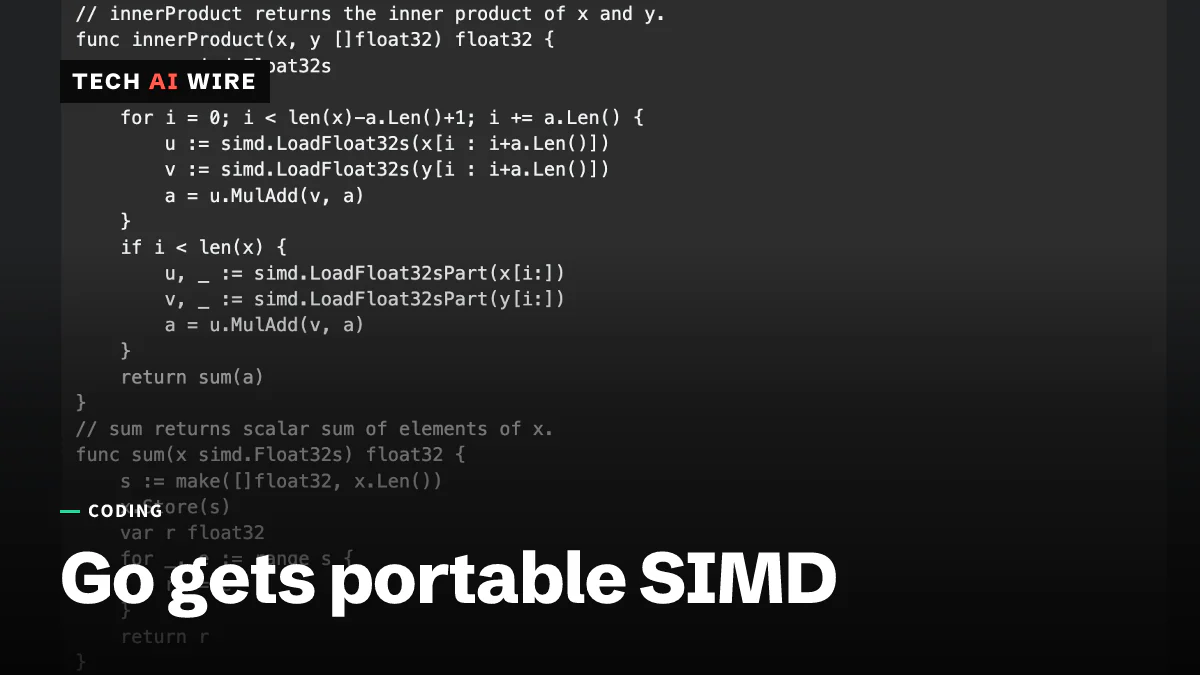
Go 1.27's experimental simd package runs one vector code path on AVX-512, NEON, wasm and RISC-V, and emulates it where hardware SIMD is missing.

Mojo 1.1 takes outside compiler contributions a month after the Apache 2.0 release, and completes the removal of fn, alias and @parameter if.
Rust's never type, written !, is the type of code that never produces a value. It is stable in Rust 1.100 after ten years, and it changes type fallback.
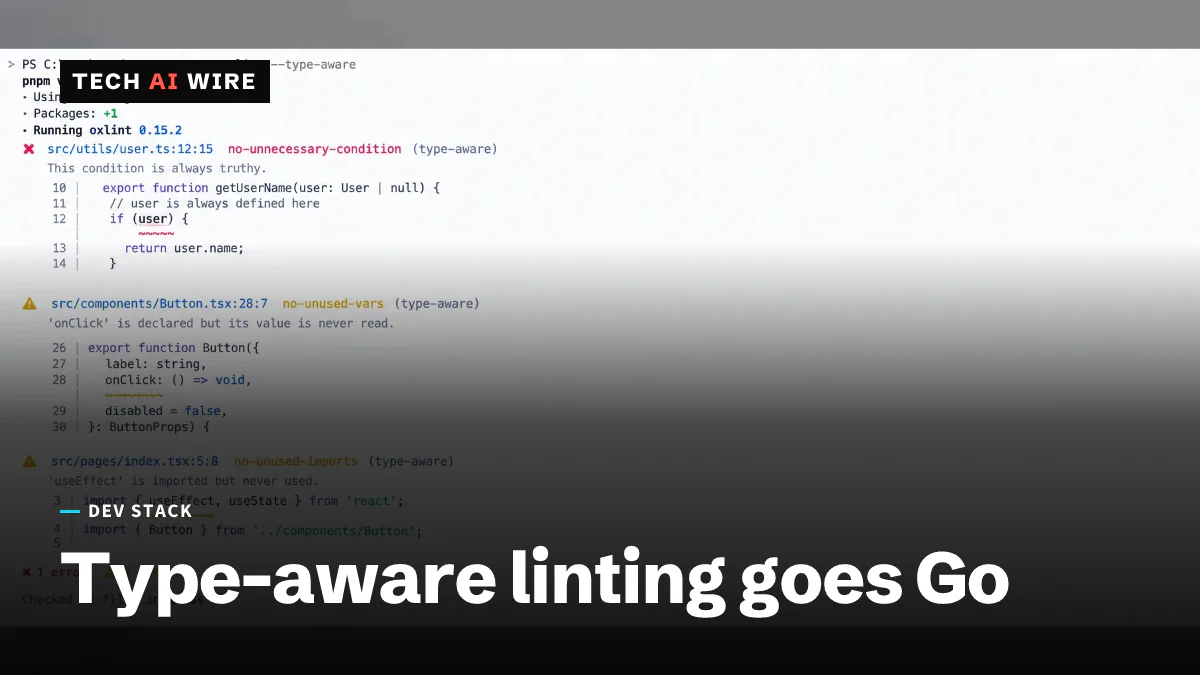
tsgolint v7 runs typescript-eslint's type-aware rules in Go. It covers 59 of 61 rules, and the project's own two speed claims do not agree.
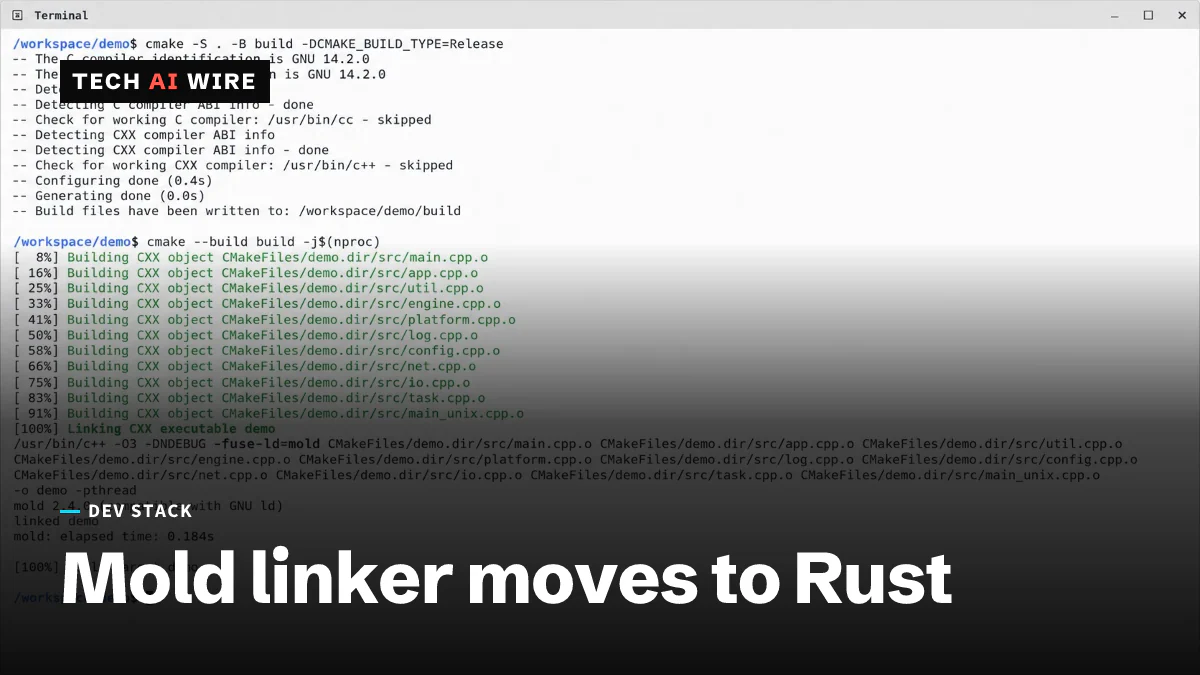
Mold links 4.9x faster than LLVM lld. Its author is rewriting it in Rust and wants distributions to install it as the default linker, /usr/bin/ld.
GNU Automake 1.19, its first release in 15 months, fixes a 14-year-old bug that broke concurrent commands like make dist-bzip2 dist-xz.
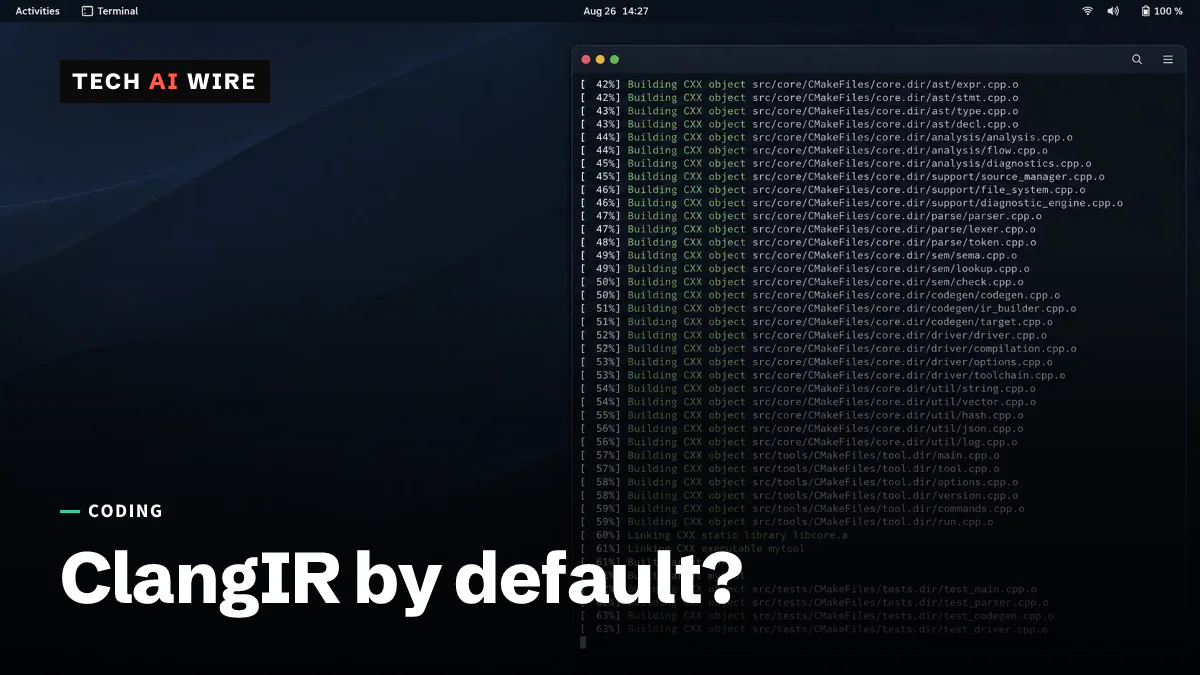
An LLVM RFC proposes compiling ClangIR into Clang by default. Nobody would use it without a flag, but some estimates put build times at more than double.
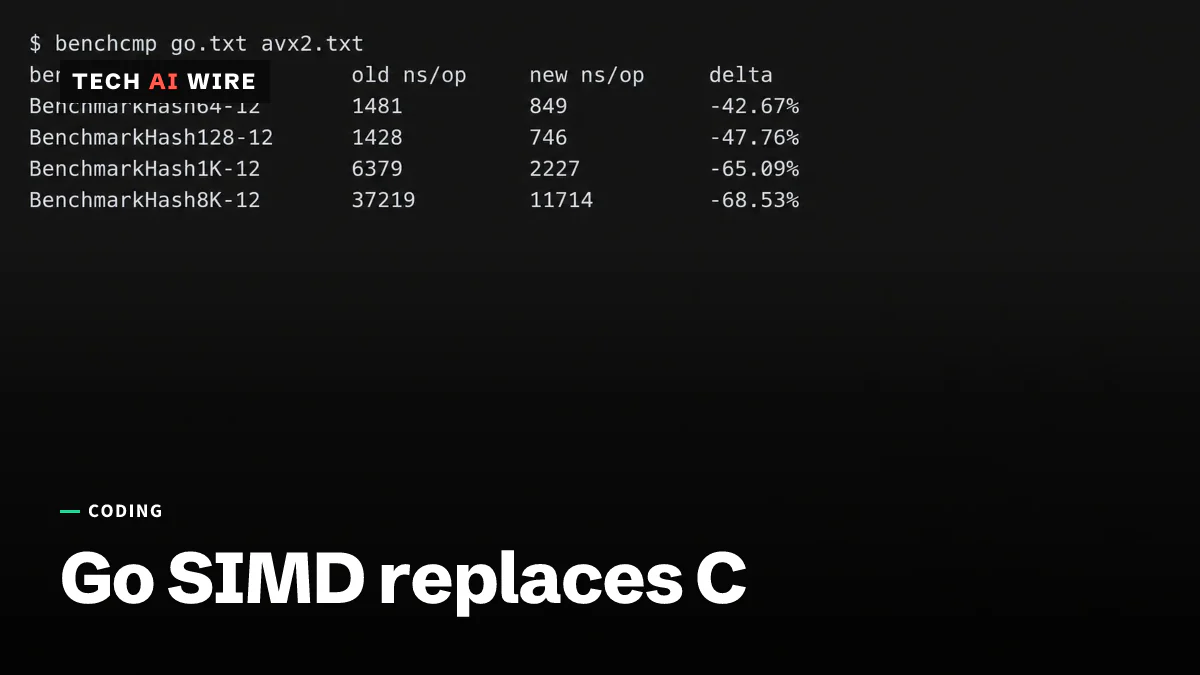
Michael Stapelberg replaced a 7-year-old C library with pure Go using the experimental SIMD package, and matched the C version's speed.

Researchers built Ken Thompson's trusting-trust attack out of GNU strip, not a compiler, and used it to backdoor almost every binary in a NixOS installer.

Go 1.27 shipped on August 19, 2026 with generic methods, a v2 engine under encoding/json, goroutine leak profiles and post-quantum signatures.

The never type is stable and Infallible is now an alias for it. The catch is a breaking change to type fallback that crater flagged on 3,277 crates.

Rust's new trait solver is now on by default in nightly - the largest compiler change since 1.0, four years in the making, with stabilization planned within months.

Modular open-sourced the Mojo compiler and tooling under Apache 2.0 a week after shipping Mojo 1.0 - but it is not taking outside compiler contributions until late 2026.
One email every Friday with the week's top stories from all six desks: AI, dev tools, coding, the tech industry, startups and what's next. Free, no spam.