Galaxy S26 FE keeps last year's hardware and adds $50 to the price
Samsung unveiled the Galaxy S26 FE on August 27, 2026, on sale from September 4 at $699. The chipset is the one real change, and the price went up $50.
3 min read

By the numbers
- starting US price, up $50 from the S25 FE
- $699
- the one significant hardware change
- Exynos 2500
- battery, with 45W wired charging
- 4,900mAh
Samsung unveiled the Galaxy S26 FE on August 27, 2026, and it goes on sale from September 4 at $699 in the United States. Almost everything inside is carried over from the Galaxy S25 FE. The chipset moved up a generation, and so did the price, by $50.
The FE line is Samsung's cheaper entry into its flagship family. It borrows the flagship design and software while using less expensive parts.
What changed, and what did not
9to5Google puts it plainly: the hardware is nearly identical to the S25 FE apart from the chipset.
The new part is the Exynos 2500, up from the Exynos 2400. How-To Geek reports that step also moves the manufacturing process from 4 nanometers to 3, which usually means better performance per watt. A smaller process fits more transistors in the same space and tends to waste less energy as heat.
Everything else reads like last year. The display is a 6.7-inch FHD+ AMOLED at 120Hz, described by SammyGuru as a Dynamic AMOLED 2X panel. There is 8GB of RAM. The battery is 4,900mAh with 45W wired and 15W wireless charging.
The cameras are unchanged as a set: a 50MP main sensor with optical stabilization, a 12MP ultrawide, and an 8MP telephoto at 3x zoom, plus a 12MP front camera. SammyGuru singles out that 8MP telephoto as thin for the price. How-To Geek's assessment is blunter, calling the increase what makes "the S26 FE a tougher sell in terms of pure hardware".
Software is current. All three reports list Android 17 with One UI 9. The colors are Blueberry, Graphite and Pistachio.
The price, by tier and region
| Storage | United States | Europe | United Kingdom |
|---|---|---|---|
| 128GB | $699 | 799 euros | 699 pounds |
| 256GB | $799 | 899 euros | 799 pounds |
| 512GB | Not sold | 1,099 euros | 949 pounds |
The regional figures come from SammyGuru. Note the 512GB tier: How-To Geek and SammyGuru both report it is absent in the United States but available in the United Kingdom and Europe.
Dates vary slightly by source. 9to5Google gives September 4 as availability. SammyGuru describes on-sale dates of September 3 to 4, which fits carriers going first.
Reviewers landed on the same concern after launch: GSMArena scored the phone 4.2 out of 5 but called its value hard to justify at this price.
Where the work went instead
The additions Samsung is promoting are software. The reports list My FanCam, which tracks a person in video, Super Steady video with a horizontal lock, expanded Circle to Search, and a feature called Now Nudge. 9to5Google also cites functionality powered by Gemini Omni.
Read together, that is the trade this phone makes. The silicon moved one generation, the camera hardware did not move at all, and the new capability is meant to come from models rather than sensors.
What this means for developers
If you build Android apps, this launch tells you something useful about your install base. A phone that ships in volume at $699 with 8GB of RAM is the device your app has to feel fast on. Not the 16GB flagship you probably test on.
That 8GB figure deserves attention now that on-device AI is the selling point. Once the system holds a model in memory, the headroom left for your process shrinks. Test what happens when memory pressure rises: does your app get killed in the background, and does it restore state properly when it comes back?
Camera-based features are worth a second look too. The rear hardware is identical to last year's, so any improvement in photo or video output on this phone comes from processing. If your app uses the camera through a public API rather than Samsung's own pipeline, you may not receive those gains at all. Compare your output against the stock camera app before you promise users anything.
One planning note on the 3-nanometer move. Better performance per watt usually means sustained workloads throttle later, which matters if you do continuous work like navigation, video capture or local inference. Measure a long run rather than a burst, because the first thirty seconds will not show you the difference.
Finally, keep the storage split in mind. There is no 512GB option in the United States. If your app caches models or media aggressively, a 128GB phone with photos on it is the case to design for.
Sources
Related articles

RedMagic 12 Pro+ adds RGB liquid cooling and 185Hz screen
RedMagic's 12 Pro+ gaming phone launched in China on October 15 from 6,999 yuan, with a 185Hz screen, an 8,400mAh battery and a 25,500 RPM fan.
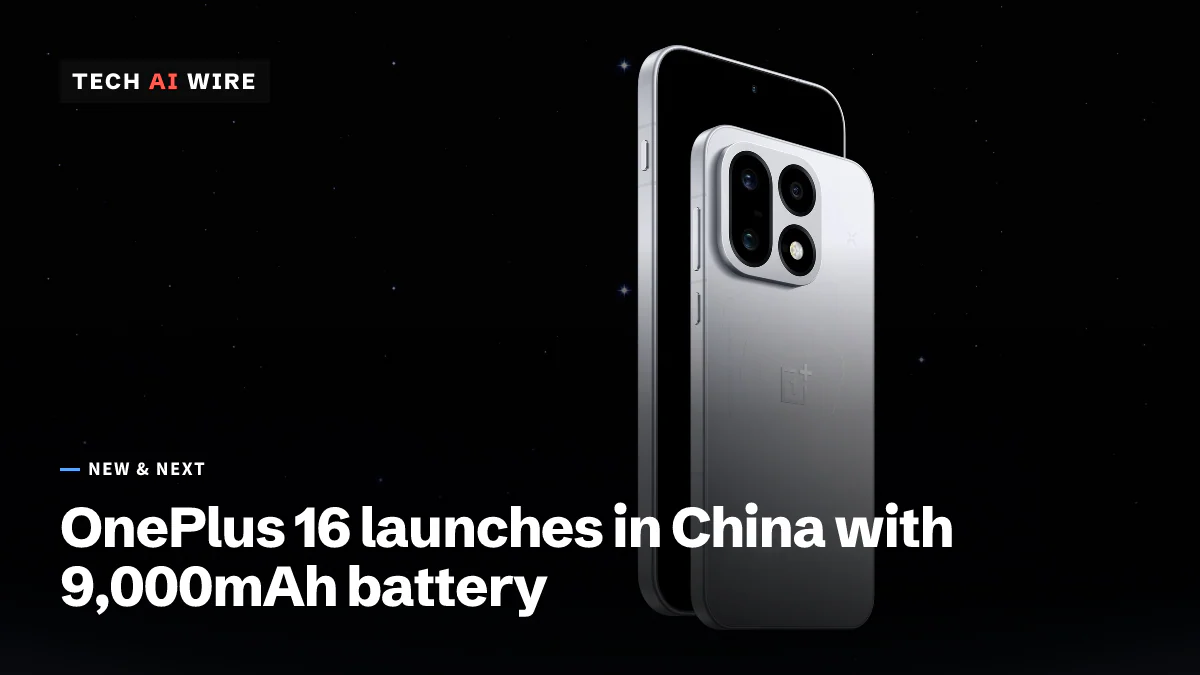
OnePlus 16 launches with a 9,000mAh battery in China
OnePlus launched the OnePlus 16 in China on October 12 from CNY 5,999, with a 9,000mAh battery, a 200MP camera and a display that reaches 185Hz in games.
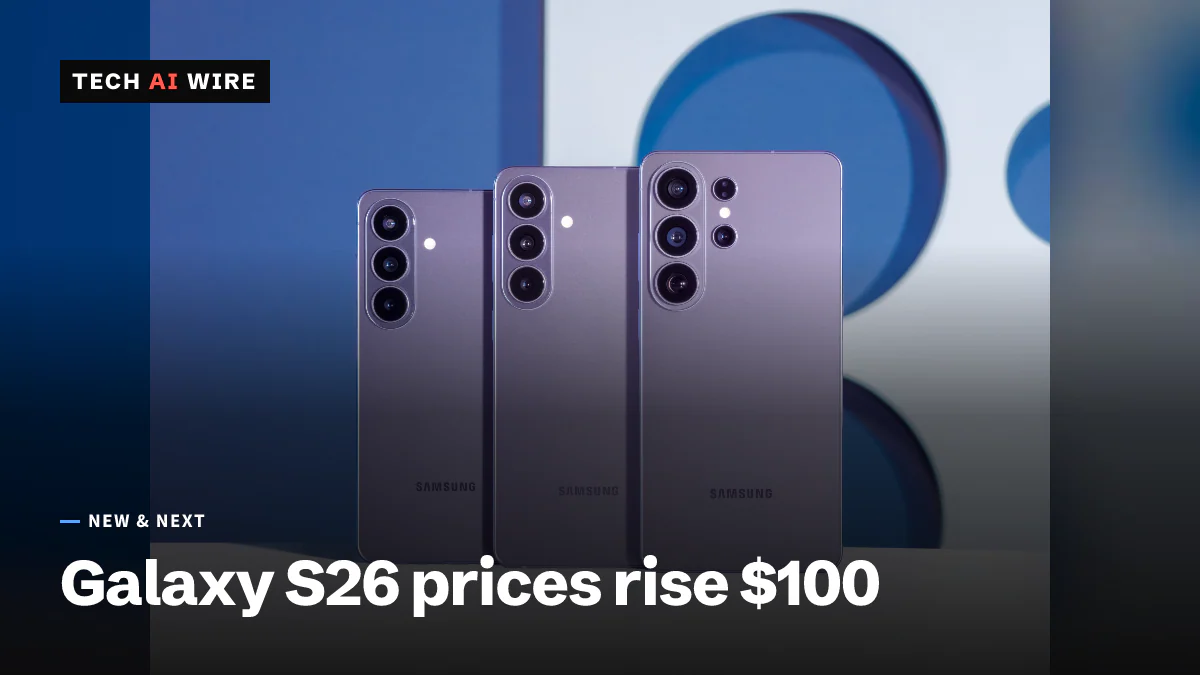
Galaxy S26 prices rise $100 in the US, Ultra now $1,399
Samsung quietly raised US Galaxy S26 prices by $100 on October 1, and the 1TB S26 Ultra by $200. Reports tie the change to the memory chip shortage.
The weekly digest
One email every Friday with the week's top stories from all six desks: AI, dev tools, coding, the tech industry, startups and what's next. Free, no spam.